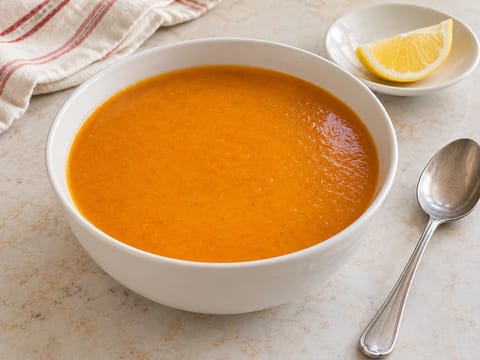
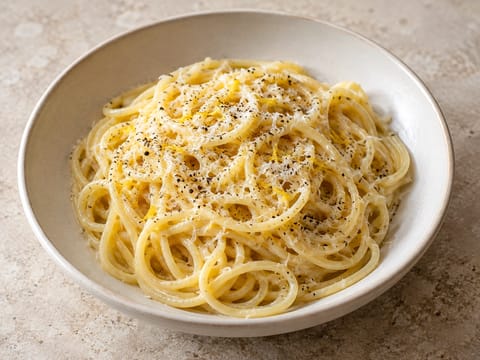
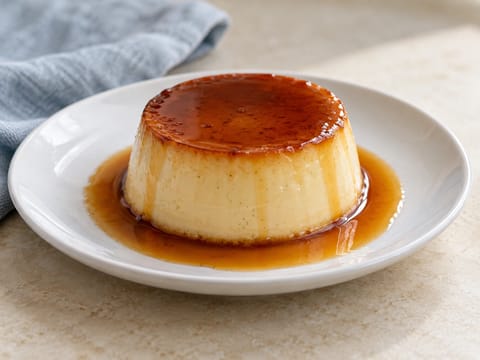
The moment you try to toss dinner in a pan that is too small, its shape matters more than its name. Useful kitchen equipment gives you room to do the job comfortably: stir a soup, turn food, drain pasta or pour a mixture before it sets. Start with those jobs and the meals you enjoy, then look at the tools already in your cupboard.
Give the food the space it needs
A deep saucepan holds a simmering soup and gives liquid room to move when you stir. A broad frying pan does a different job: it offers space for food to spread out or be tossed together. Before choosing either, check the quantity you are cooking and how the food will move in the pan.
Try picturing the final toss in our lemon and Parmesan spaghetti. A pot cooks the pasta in water, then a large frying pan brings it together with lemon, olive oil and a splash of reserved cooking water. The finishing pan needs room for the whole dish and for tossing in the Parmesan off the heat, even though it began with only a little liquid.
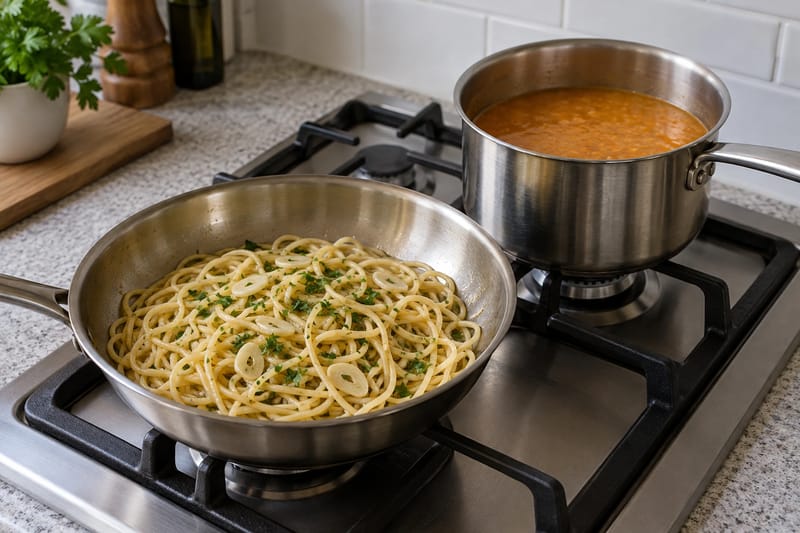
Choose the tool for the finish you want
For Turkish red lentil soup, think beyond the simmer. The saucepan softens the lentils and vegetables; an immersion blender then turns them into a smooth soup. It is the texture you want at the table that makes the blender useful.
Read that finishing stage before beginning. If you will blend hot food, check the appliance’s instructions for hot liquids and use the stated capacity and precautions. Having the right tool ready is more useful than discovering at the end that the recipe expects a texture your equipment cannot comfortably produce.
Remember where the food goes next
Some equipment needs to be ready well before you use it. In our crème caramel recipe, ramekins sit in a deep baking dish ready to receive the hot caramel and, later, the custard. The dish then holds the water bath for baking. Checking that the ramekins fit before you start makes those transfers much easier than trying to find a suitable dish with hot caramel waiting in the pan.
Scan other recipes for the same handovers: draining into a colander, passing through a sieve, grating a topping or transferring to a serving dish. Set out those items before the pan is hot. This is particularly helpful when the final stage moves quickly.
Build around a few meals you want to make
Read several recipes you would happily cook again. Look for jobs that recur and for the point where your current equipment makes them awkward. You may need a pan with more capacity, a bowl that leaves room to mix or a tool for one finishing technique you use often.
Check what an existing piece can do before buying another, while keeping the recipe’s size and heat requirements in mind. Think about cleaning and storage too. Equipment is most useful when it suits your usual batch, is easy to reach and makes a real part of cooking simpler.