
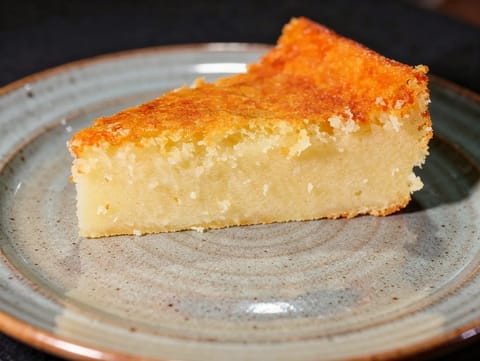
Toucinho do Céu (Portuguese Almond Cake)
Dense Portuguese almond cake finished with icing sugar

Browsing by cuisine is a way of cooking with a particular set of reference points: familiar seasonings, staple ingredients, and the kinds of dishes that tend to appear together at the table. It is also a reminder that most cuisines are not a single, fixed thing. Regional cooking, migration and home-kitchen adaptation all shape what a recipe looks like.
Use cuisine when you want a coherent direction for a meal, or when you are trying to learn the “logic” behind a flavour combination or technique, rather than starting from one ingredient or one dish.
A cuisine label points to a culinary tradition or style, not a strict rulebook. It can suggest the likely flavour palette, the balance of herbs and spices, and whether a dish leans towards quick stir-frying, slow braising, baking, grilling or assembling. What it does not automatically tell you is how spicy, how rich, or how time-consuming a recipe will be, because those details vary widely within any cuisine.
It also does not guarantee “authenticity”. Many recipes are clearly rooted in a place, while others are inspired by it, adapted to local ingredients, or shaped by diaspora cooking. Treat cuisine as a helpful starting context, then use the recipe’s method and ingredient list to understand what you will actually cook.
Dense Portuguese almond cake finished with icing sugar
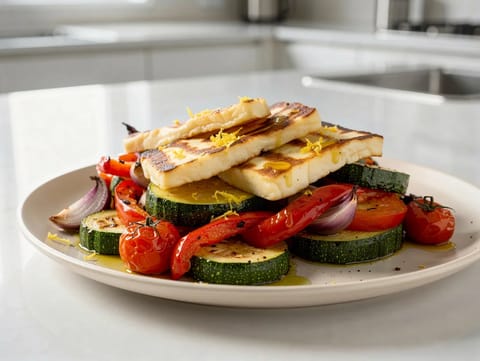
Halloumi traybake with roasted courgette, pepper and tomatoes

Caramel chocoflan with vanilla flan and chocolate sponge
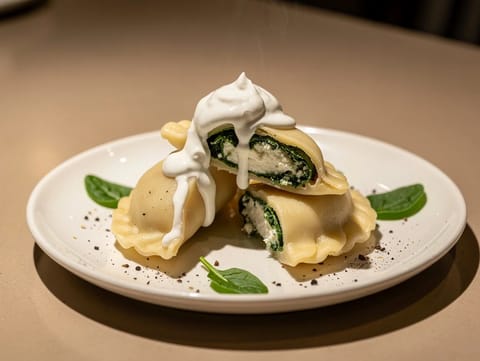
Pierogi filled with spinach and ricotta
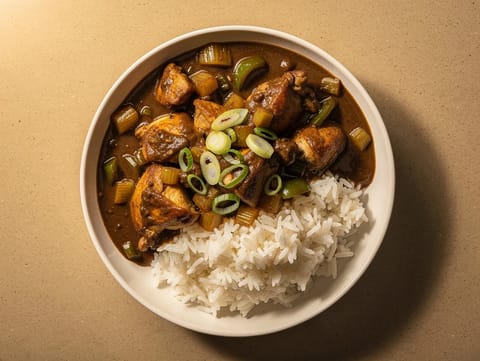
Cajun chicken étouffée with dark roux served over rice

Chilled German red berry pudding thickened with cornflour
If you are choosing between cuisines, start with the kind of flavour structure you want. Some cuisines commonly build depth from browned onions, slow-cooked sauces or long-simmered stocks; others rely more on fresh herbs, citrus, chillies, fermented condiments or quick pan sauces added at the end. That difference affects not just taste, but also workflow: when you season, how you balance salt and acidity, and whether the dish improves with resting.
Next, think about your pantry and shopping reality. A cuisine may be easier to cook well when you have its core condiments to hand, such as soy sauce and rice vinegar, olive oil and tomatoes, or spice blends and dried chillies. Finally, consider the meal shape you want: a single-pot dish, a spread of small plates, or a main with a few simple sides.
Pierogi filled with spinach and ricotta
Cajun chicken étouffée with dark roux served over rice
Caramel chocoflan with vanilla flan and chocolate sponge
Dense Portuguese almond cake finished with icing sugar
Halloumi traybake with roasted courgette, pepper and tomatoes
Chilled German red berry pudding thickened with cornflour
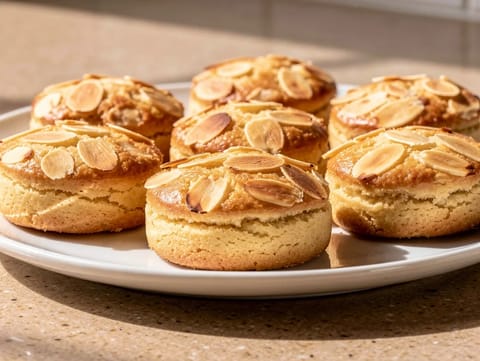
Buttery Dutch cookies with a thick almond paste filling
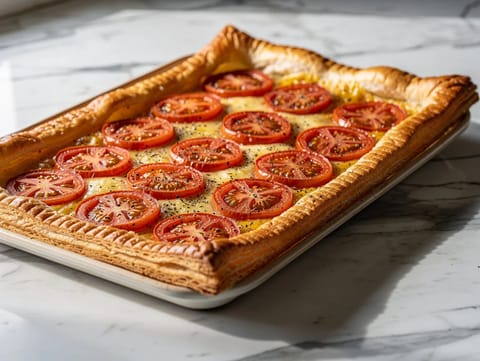
Puff pastry tart with Dijon mustard, tomatoes and Gruyère
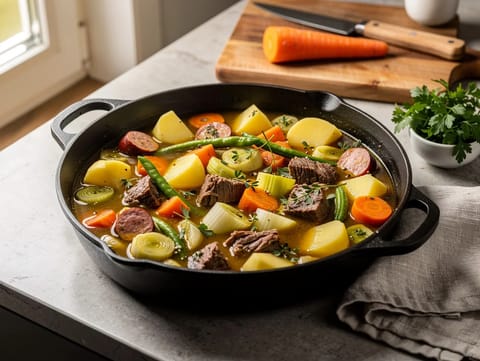
German one-pot stew with smoked sausage, beans and potatoes

Dense Breton butter cake with vanilla and egg yolks
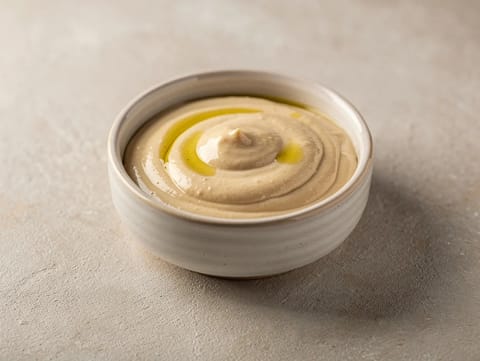
Smooth tahini sauce with lemon, garlic and water
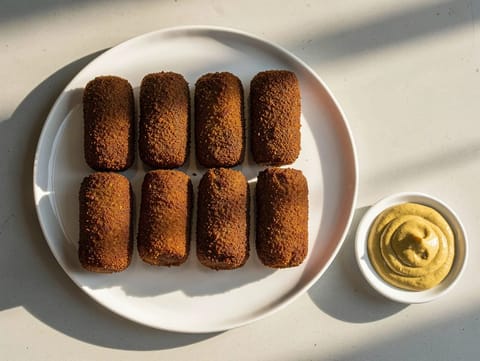
Dutch beef ragout croquettes with a crisp breadcrumb coating
Most cuisines contain multiple regional styles, and those differences often show up in everyday details: which fat is used for cooking, whether heat comes from black pepper, chillies or mustard, and how sweetness is handled in savoury food. Coastal regions may lean towards seafood and bright acidity; inland cooking may favour preserved ingredients, slow-cooked meats, pulses and breads. Climate and agriculture matter, but so do trade routes and migration, which can introduce new ingredients and techniques that become part of home cooking.
When you see a broad label such as Chinese, Indian or Middle Eastern, expect a wide range of approaches rather than one signature taste. Use the recipe’s specific dish name, region cues and ingredient list to understand where on that spectrum it sits.
Cuisine is often easiest to recognise through technique. Stir-frying, steaming and quick braises point you towards one set of textures and sauces; roasting, grilling and baking towards another. Some cuisines commonly layer flavour in stages, for example by blooming spices in hot fat, building a base with aromatics, then finishing with fresh herbs or a sharp dressing. Others lean on emulsions, reductions or careful temperature control to create a particular mouthfeel.
Pay attention to the small method choices that change outcomes: whether meat is marinated or simply seasoned; whether vegetables are cooked until silky or kept crisp; whether rice is steamed, pilaf-style, or cooked to a creamy consistency. These cues help you pick recipes that match the cooking experience you want, not just the headline flavour.
If you know the cuisine but want a specific result, browsing by Cooking method helps you find the right technique within that tradition, such as roasting, braising or stir-frying. If you are cooking to use what you have, Ingredients are a practical cross-check: they show how different cuisines treat the same staple, and which condiments or herbs will make a dish taste convincingly “of” that style.
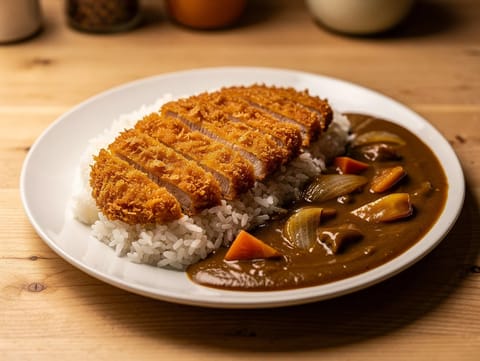
Crispy pork katsu with mild curry sauce over rice
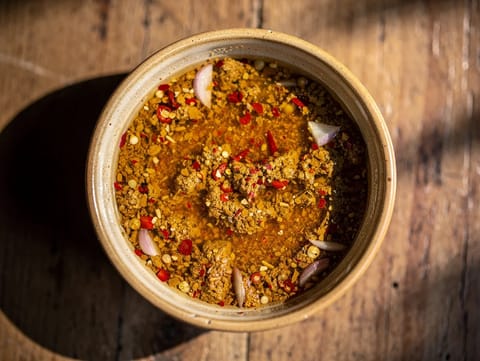
Spicy Thai dipping sauce with lime, tamarind and toasted rice powder
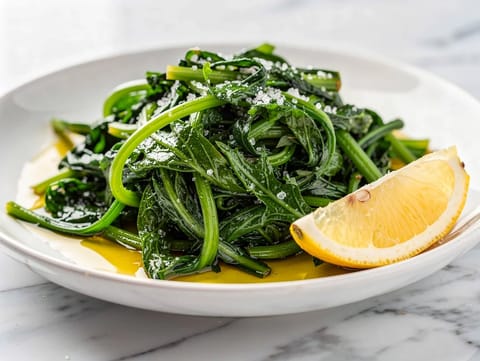
Boiled greens with olive oil, lemon and sea salt
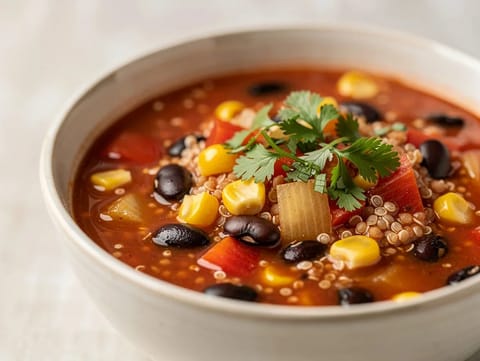
Tomato quinoa soup with black beans, sweetcorn and lime
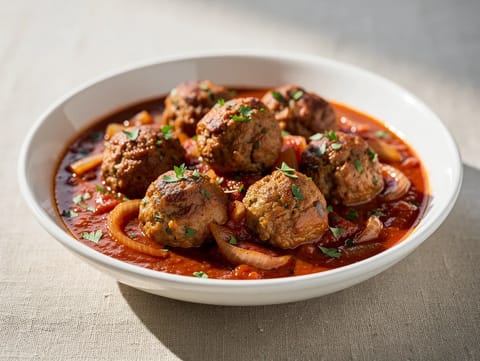
Baked turkey meatballs in smoky tomato and garlic sauce
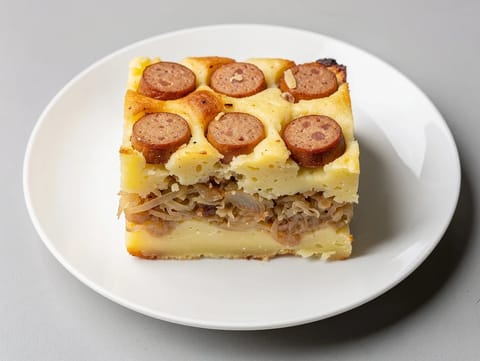
Mashed potato casserole with sauerkraut and smoked sausage
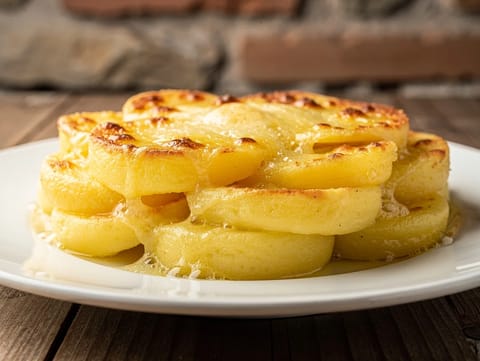
Baked semolina gnocchi rounds with butter and Parmesan
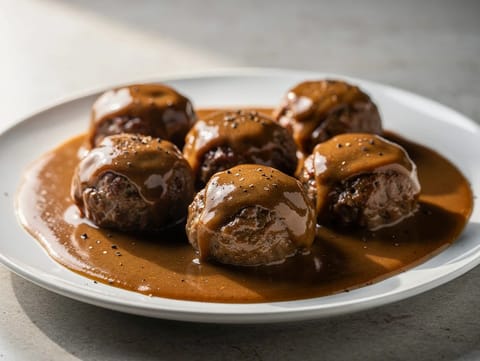
Minced beef meatballs with simple mustard pan gravy
Not necessarily. Some cuisines align closely with a nation, but many labels cover broader regions, shared traditions across borders, or styles shaped by migration. Even within one country, regional cooking can be markedly different.
Fusion generally signals a deliberate blend of influences, such as combining techniques, ingredients or flavour structures from more than one cuisine. The result may be playful or practical, but it is not trying to represent a single regional tradition.
Look for specificity and context in the dish name and ingredient list. Traditional dishes often have recognisable structures and staple ingredients, while inspired recipes may swap key components, simplify techniques, or combine elements that do not usually appear together in one region.
No. Heat levels vary by region, household and dish type. Use the ingredients and method to judge where the heat comes from (fresh chillies, dried chillies, pepper, mustard, fermented pastes) and how it is balanced.
Start with its everyday building blocks: the core aromatics, the common cooking fats, and a small set of condiments that appear repeatedly. Once those are familiar, techniques such as how sauces are thickened or how spices are handled will make more sense.
It can. Some dishes travel and become localised, and some names are used for different foods in different places. In those cases, the cuisine label is best read as a clue to the recipe’s flavour direction and method, rather than a claim of origin.
Cuisine is most helpful when you want a consistent set of flavours and techniques to guide your choices. Pick a cuisine for the overall direction, then refine by method or key ingredients to land on the dish style and cooking process that suits your kitchen today.
