
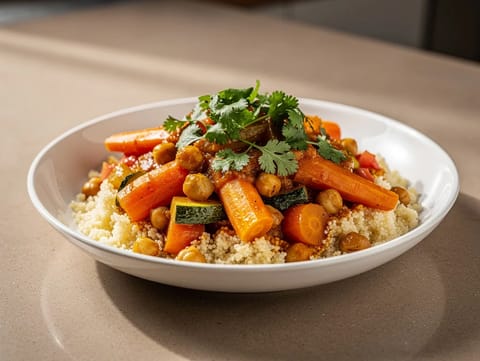
Vegetable Tagine
Vegetable tagine with chickpeas, tomatoes and dried apricots

Moroccan cooking is often defined less by a single ingredient than by a way of building flavour: warm spices layered early, gentle cooking that keeps meat and vegetables succulent, and bright, fresh elements added at the end. You will see both slow, tagine-style braises and quicker dishes that rely on good prep and confident seasoning. Use this page when you want food that balances savoury depth with lift, whether you are cooking a centrepiece stew or assembling a table of small dishes.
A common pattern is to start with aromatics and spices, then let them bloom in oil so they perfume the whole dish. Spice blends vary by cook and region, but the effect is recognisable: cumin, coriander, ginger, cinnamon or paprika used to create warmth rather than outright heat. Preserved lemon, olives, fresh herbs and a squeeze of citrus often arrive later, so the finished dish tastes rounded rather than heavy. When choosing recipes, notice where the acidity comes from and when it is added. A late splash of lemon or a handful of herbs can be the difference between a stew that tastes flat and one that tastes lively.
Vegetable tagine with chickpeas, tomatoes and dried apricots
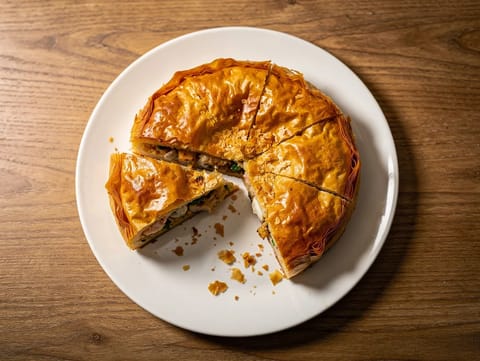
Crisp Moroccan filo pie filled with prawns and white fish
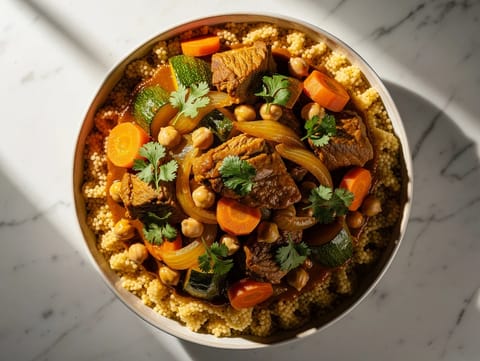
Steamed couscous with tender lamb, chickpeas and vegetables
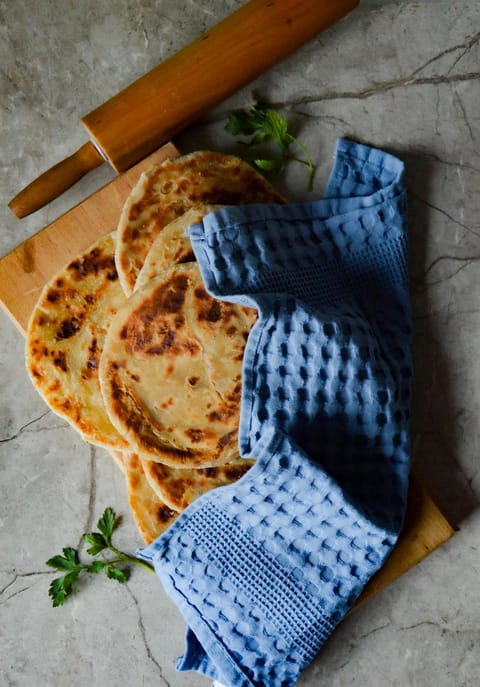
Layered Moroccan flatbread folded with olive oil and griddled
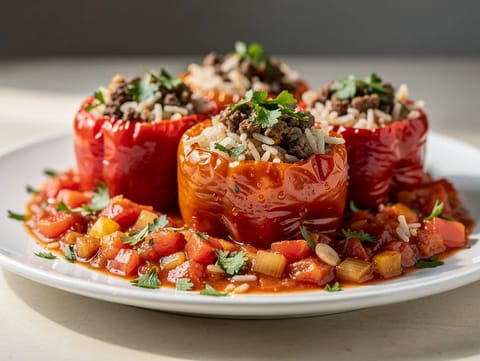
Stuffed peppers with spiced beef and rice baked in tomato sauce
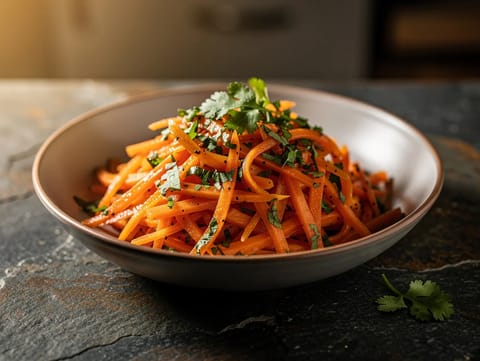
Tender carrots dressed with lemon, cumin and fresh coriander
Many Moroccan dishes suit covered, gentle cooking. A tagine is traditional, but a heavy casserole with a tight lid can create a similar moist environment, keeping chicken, lamb or vegetables tender while concentrating the sauce. You will also find recipes that use a quick sauté to start, then finish with a simmer so flavours mingle without overcooking delicate ingredients. Couscous is another hallmark method: the grains are fluffed and hydrated, sometimes steamed, then dressed with butter or oil and served as a bed for saucy toppings. If you want a cleaner, lighter result, look for recipes that finish with herbs and citrus rather than extra sweetness or fat.
Vegetable tagine with chickpeas, tomatoes and dried apricots
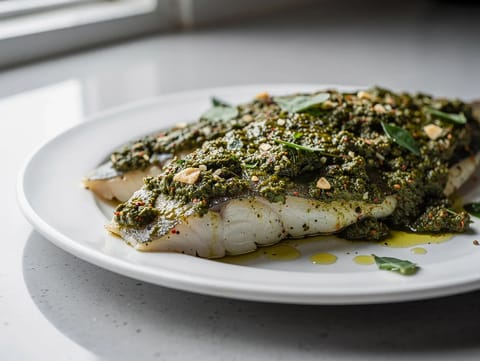
Baked white fish topped with chermoula coriander and spices
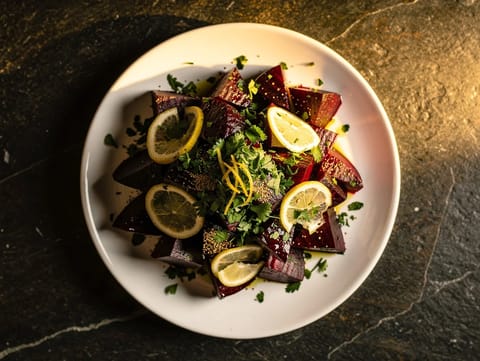
Beetroot salad with lemon, cumin and fresh parsley
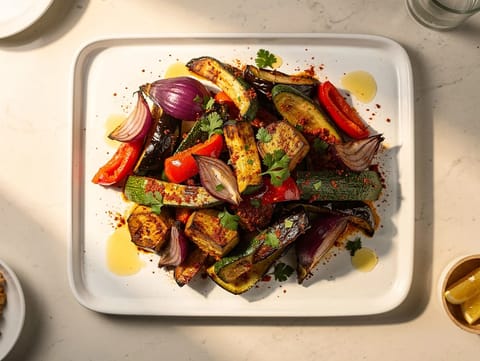
Harissa-roasted vegetables finished with lemon and coriander
Crisp Moroccan filo pie filled with prawns and white fish
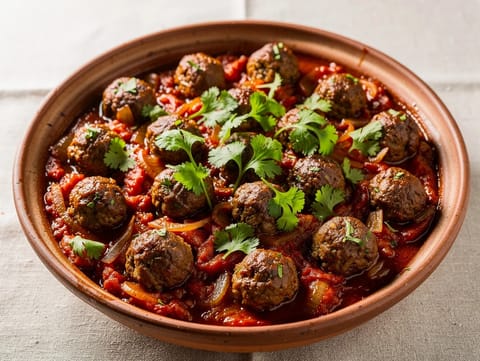
Spiced beef meatballs simmered in a rich tomato sauce
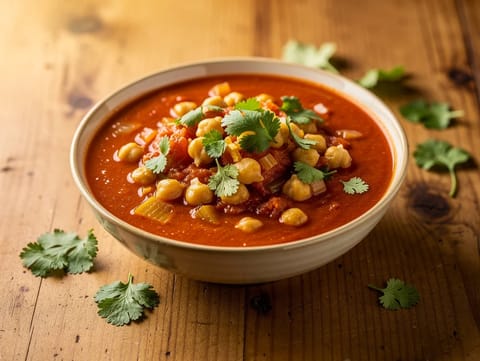
Smooth tomato and chickpea soup with Moroccan spices
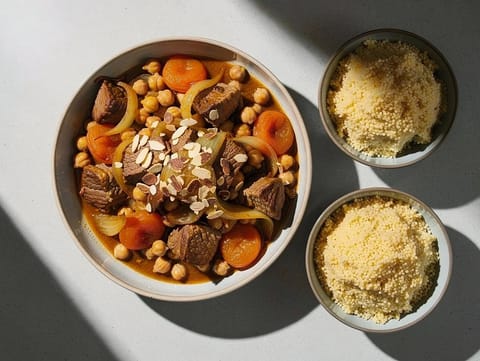
Lamb tagine with apricots, chickpeas and warm spices
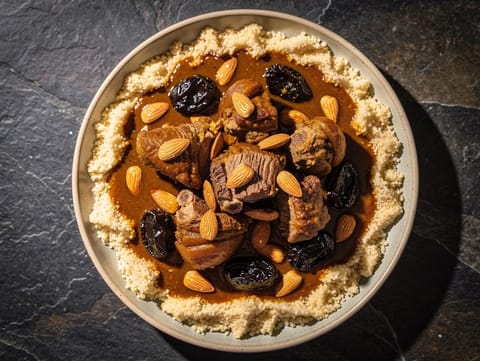
Lamb tagine with prunes and toasted almonds

Chilled lemonade scented with orange blossom water
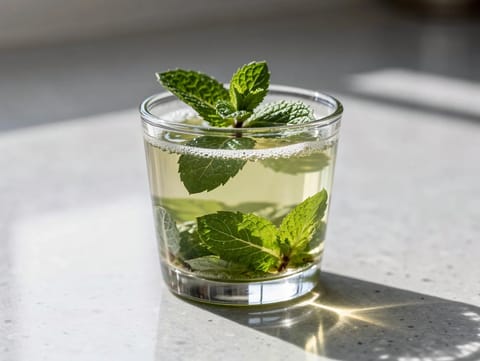
Green tea steeped with fresh mint and sugar, served hot
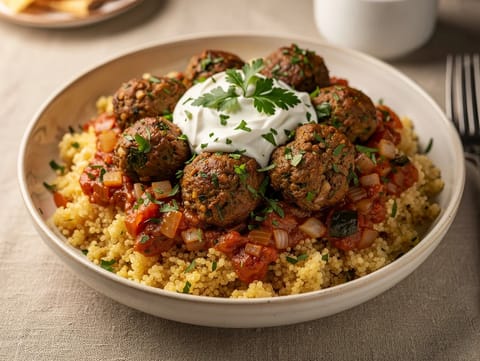
Lamb meatballs in tomato sauce served over couscous
Look for pairings that play sweet against savoury: dried fruit with meat, honey with spices, or caramelised onions alongside salty olives. Nuts and seeds, such as almonds or sesame, may appear as garnish for crunch and richness. Harissa can bring heat, but it is not the only route to intensity; black pepper, ginger and paprika can do plenty of work. Fresh herbs, especially coriander and parsley, are often used generously, not just as decoration. If you are browsing for pantry-friendly options, focus on recipes that lean on dried spices, tinned tomatoes and pulses, then finish with whatever fresh herbs and citrus you have.
Moroccan meals commonly balance soft, saucy dishes with something crisp or fresh alongside. That might mean a braise served with bread for scooping, a mound of couscous with vegetables, or a spread that includes salads and small cooked sides. The same flavour ideas show up across formats: grilled skewers, hearty soups, stuffed breads and pastries, and sweets scented with orange blossom or cinnamon. Regional and family variation is part of the cuisine, so treat any single recipe as one expression of a broader style. What stays consistent is the attention to aroma and the habit of finishing dishes so they taste bright as well as deeply savoury.
If you know what you have, browsing by Ingredient helps you find Moroccan-style dishes built around chicken, lamb, aubergine, chickpeas or preserved lemon. For a more technique-led approach, Cooking method is useful for separating tagine-style braises from grills, bakes and quick pan-cooked dishes, which can change the final texture as much as the seasoning does.
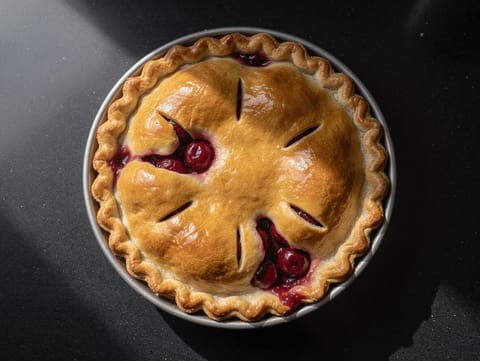
Air fryer cherry pie with lemon and cornflour-thickened filling.

Red velvet cake layered with cream cheese frosting
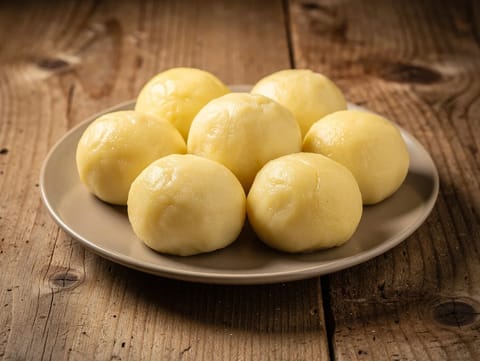
German potato dumplings gently simmered until tender
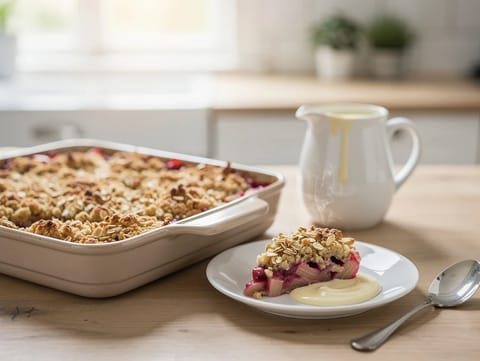
Baked rhubarb crumble with a crisp oat topping and custard
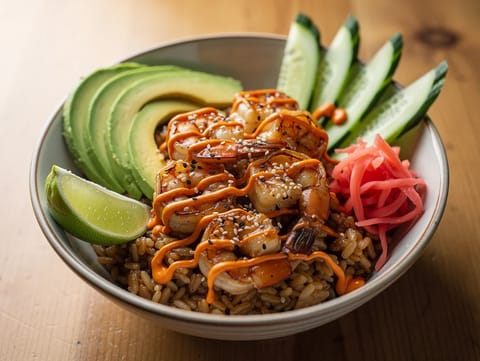
Prawn rice bowl with avocado, cucumber and sriracha mayonnaise.

Cold strawberry smoothie with Greek yoghurt, milk and honey
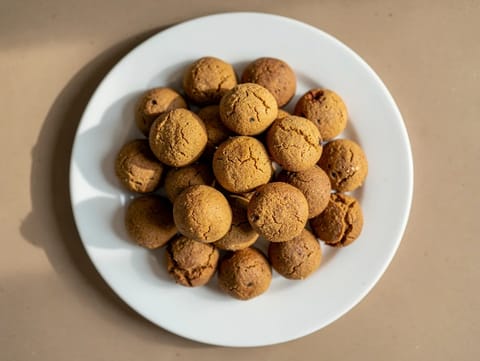
Small Dutch spiced cookies baked until crisp
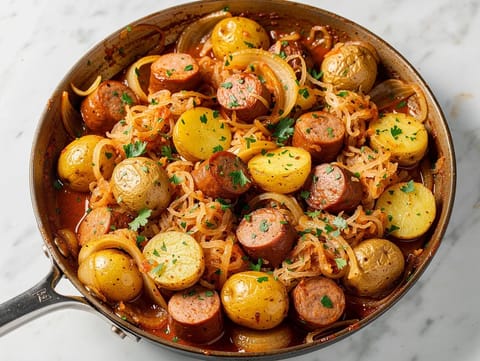
One-pan smoked sausage with potatoes, sauerkraut and paprika
No. A tagine gives gentle, enclosed heat, but a lidded casserole, Dutch oven or deep sauté pan can achieve a similar result. What matters is steady cooking and enough moisture to keep the sauce from reducing too fast.
Not necessarily. Many dishes are aromatic rather than hot, using spices for warmth and fragrance. Heat, when present, often comes from harissa or chilli added to taste.
Preserved lemon brings a salty, fermented citrus note that reads more savoury than sharp. It is usually stirred in towards the end so the aroma stays distinct.
Dried fruit adds sweetness and a soft texture that contrasts with savoury meat and spices. It also helps round out sauces that might otherwise taste purely salty or acidic.
Hydrate it evenly, then fluff with a fork and let it stand briefly so steam can escape. Over-stirring while it is wet can make it clump.
Something that can catch the sauce is typical, such as couscous or bread, plus a fresh element like a herb salad or a citrusy side to keep the meal balanced.
Start with the method you feel like cooking: a slow, covered braise for depth, or a quicker pan dish finished with herbs and citrus for lift. Then let the ingredient list guide you towards the classic sweet-savoury balance that marks Moroccan style.
