
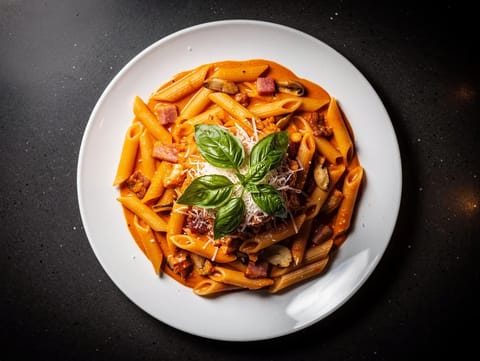
Pasta alla Vodka (Tomato, Vodka and Cream Sauce with Pancetta)
Penne with pancetta in a tomato, vodka and cream sauce

Italian food is often easiest to understand by how it’s built: a small set of familiar ingredients, treated with restraint, and combined in repeatable ways. You’ll see recipes that lean on olive oil, tomatoes, cheese, herbs and cured meats, alongside vegetables, beans and seafood depending on the dish. The useful question is rarely “Is this Italian?” but “What kind of Italian is it?” A quick pasta sauce behaves differently from a long-cooked ragù, and a risotto asks for attention in a way a baked pasta does not.
Many Italian-style dishes are organised around a main starch or base (pasta, rice, polenta, bread) with a sauce or topping that’s seasoned decisively but not cluttered. That structure helps you choose recipes: if you want something fast, look for sauces that come together in the time it takes to cook pasta; if you want depth, look for slow-simmered tomato sauces or braises where flavour develops gradually. You’ll also notice a preference for cooking ingredients until they taste like themselves, rather than masking them. That’s why the quality and ripeness of tomatoes, the fruitiness of olive oil, or the saltiness of cheese can matter more than a long list of spices.
Penne with pancetta in a tomato, vodka and cream sauce

Iced espresso with sweetened almond drink
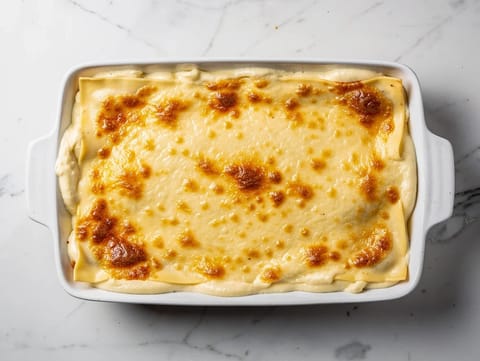
White lasagne with béchamel, minced pork and porcini mushrooms

Italian rolled pork roast with fennel, rosemary and lemon
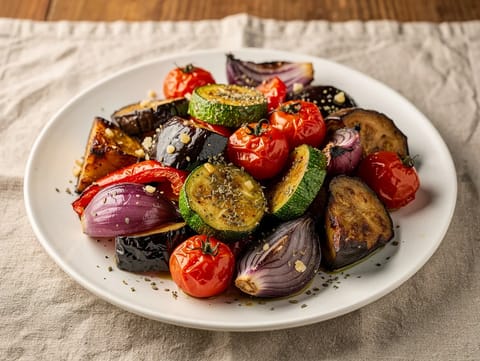
Roasted vegetable traybake with garlic, olive oil and oregano
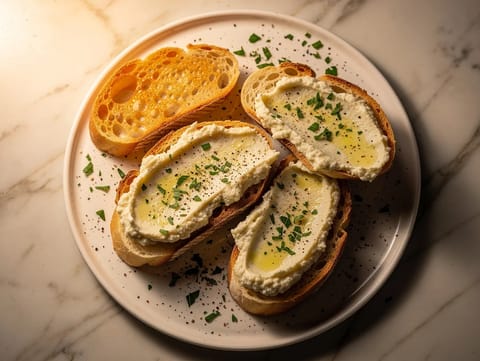
Venetian whipped salt cod spread with garlic and lemon
Olive oil is a common starting point, used for gentle frying and as a finishing drizzle. Tomatoes appear in many forms, from fresh to passata and tinned, and the choice affects sweetness, acidity and texture. Garlic, onion and celery often sit in the background, while herbs such as basil, oregano and rosemary steer the aroma. Cheese can be a seasoning as much as an ingredient: hard grating cheeses bring salt and savouriness; soft cheeses add richness and a creamy finish. You may also see anchovies, capers and olives used in small amounts to deepen savoury notes without making a dish taste overtly fishy. When a recipe includes cured meats, they often function like a flavour base, melting into the sauce rather than sitting as chunks.
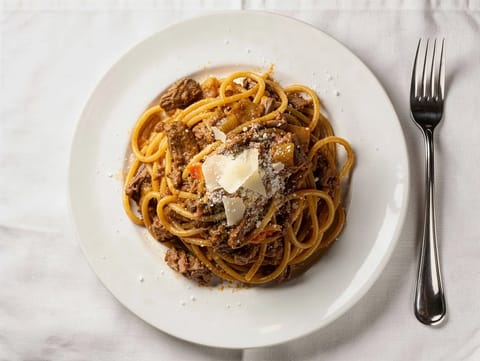
Spaghetti with onion-braised beef sauce and Parmesan
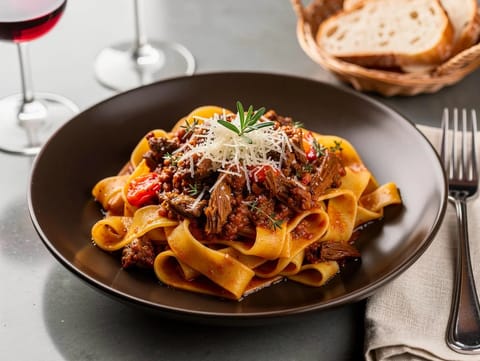
Pappardelle with slow-simmered wild boar ragù and pecorino

Italian lemon gelato made with fresh zest and juice
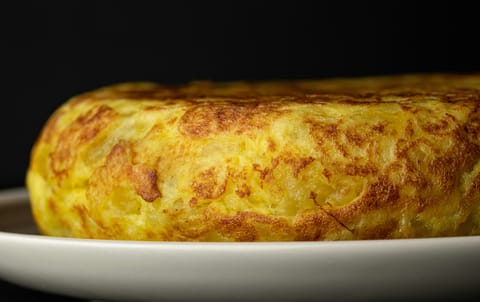
Potato frittata with onion and parmesan
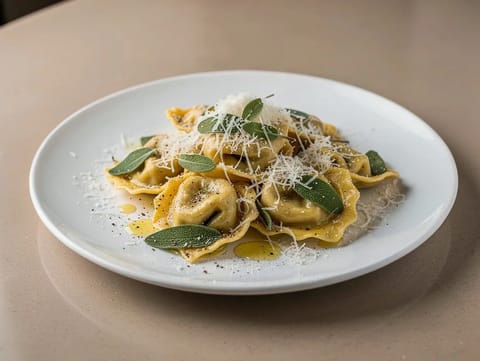
Tortelloni tossed with butter, sage and Parmesan
Roasted vegetable traybake with garlic, olive oil and oregano
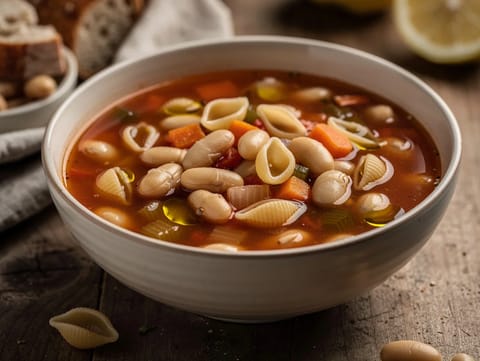
Italian vegan bean and pasta soup with tomatoes and herbs
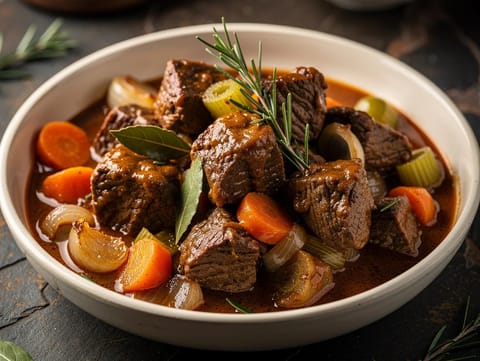
Italian beef stew simmered with tomato, red wine and herbs
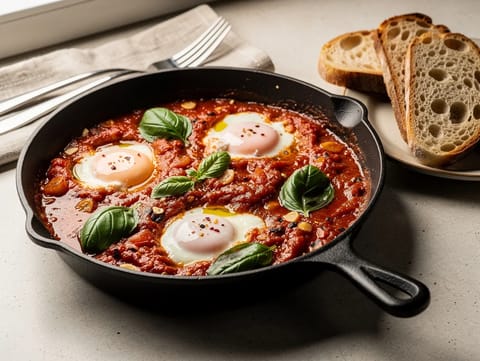
Eggs poached in garlicky tomato sauce with chilli and basil
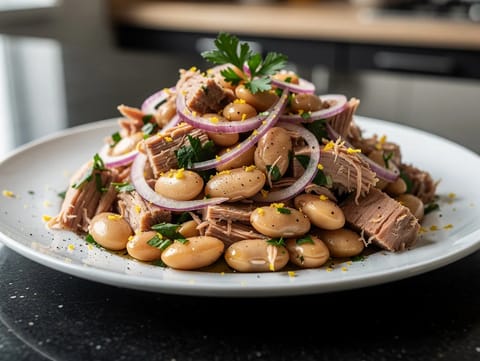
Tuna and cannellini bean salad with lemon and olive oil
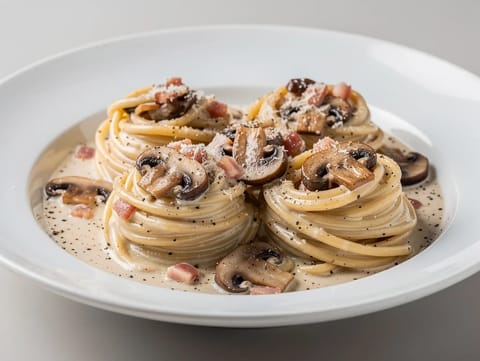
Pasta with creamy mushrooms, pancetta, white wine and Parmesan
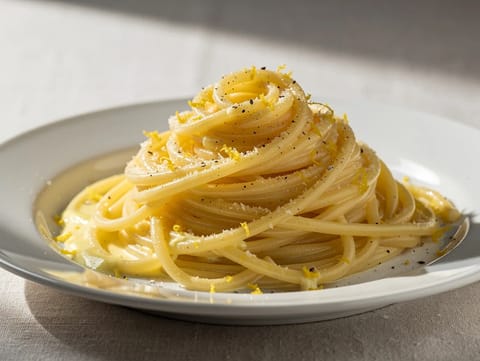
Spaghetti with creamy lemon sauce, Parmesan and black pepper
Italian cooking often relies on a few repeatable techniques. A soffritto (slowly softened onion and other aromatics) builds sweetness without sugar. Tomato sauces may be cooked briefly for brightness or simmered longer for a rounder, darker flavour. Pasta cookery is its own method: cooking to a firm bite, reserving a little starchy water, and finishing pasta in the sauce so it clings rather than pools. Risotto is defined by gradual liquid additions and steady stirring, which encourages a creamy texture without cream. You’ll also find roasting and grilling for vegetables and meats, and slow braising for tougher cuts. In each case, the method is doing a specific job: concentrating flavour, softening texture, or emulsifying fat and water into a glossy sauce.
Italy’s regional cooking is shaped by coast and mountains, climate and local produce, so “Italian” covers a wide range. Some dishes lean towards seafood, citrus and olive oil; others towards butter, cheese and slow-cooked meats. Pasta shapes and sauces vary by region and family, and the same name can describe different dishes in different places. It’s also common to see Italian-inspired recipes that borrow the flavour cues but adapt ingredients or techniques to what’s available elsewhere. A helpful way to read any recipe is to look for its anchor: is it tomato-led, cheese-led, herb-led, or built on a long-cooked meat base? That anchor tells you what to prioritise when shopping and cooking.
Italian cooking is strongly defined by formats such as pasta dishes, risottos, soups and bakes, so exploring by Dish can quickly narrow you to the style you want. Cooking Method is equally useful when you’re choosing between a quick pan sauce, a slow braise, or a baked dish that largely looks after itself.
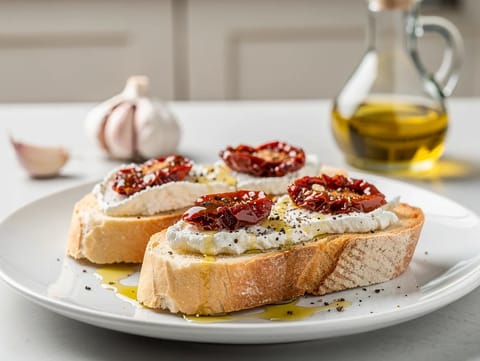
Toasted crostini topped with ricotta and sun-dried tomatoes
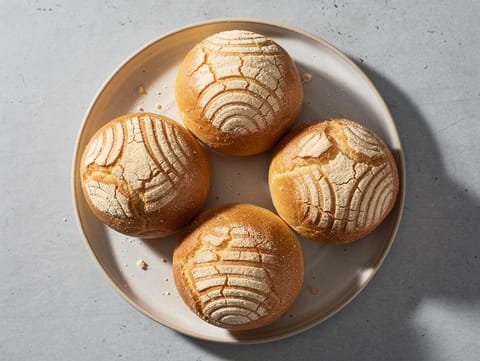
Soft conchas with a crackly vanilla sugar topping
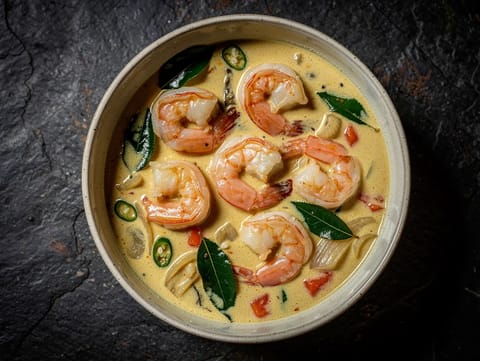
Kerala prawn curry simmered in coconut milk
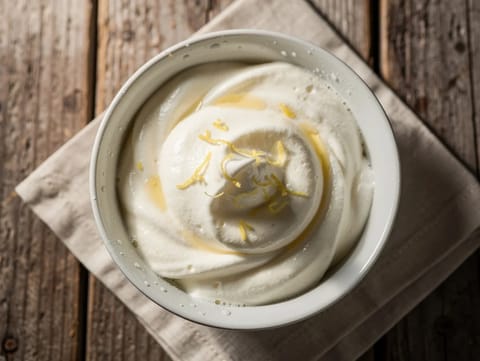
Whipped syllabub with lemon and white wine
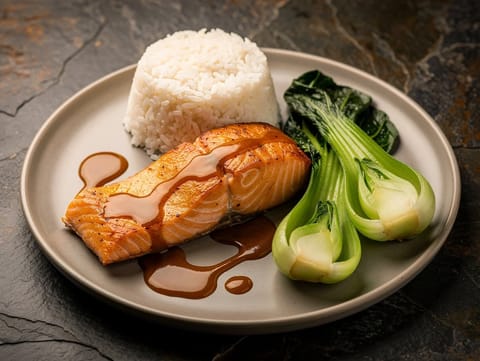
Baked salmon with a glossy miso butter glaze
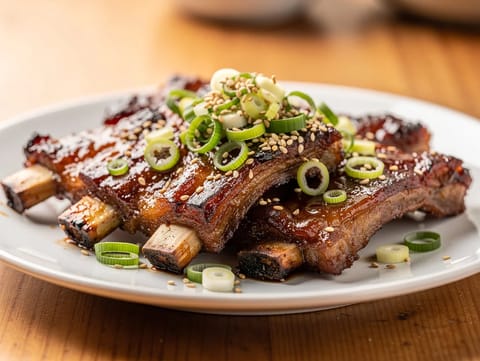
Korean pork ribs marinated with soy, garlic and pear
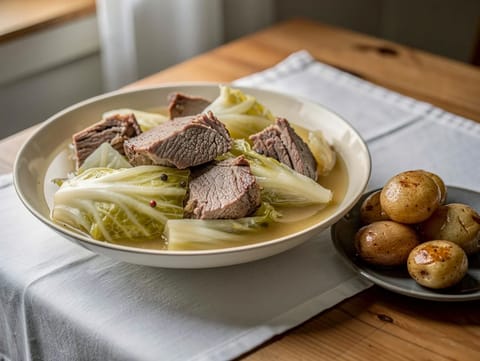
Norwegian lamb and cabbage stew with whole peppercorns
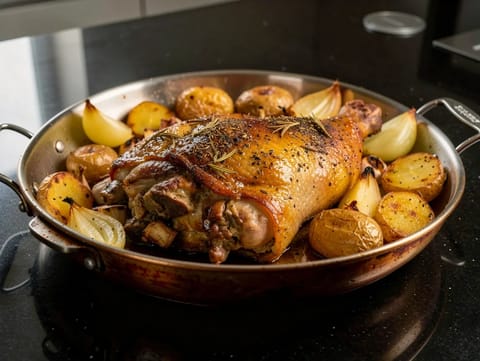
Greek slow-roasted lamb with lemon, oregano and potatoes
Usually it’s the balance of flavours and the way the dish is assembled: a clear main element (pasta, rice, bread, vegetables) with a sauce or dressing that relies on olive oil, tomatoes, cheese, herbs and savoury accents rather than heavy spicing.
No. Garlic is common, but not universal, and the amount varies widely. Some dishes rely more on onion, herbs, pepper, cheese or cured meats for their savoury base.
Tossing pasta with the sauce over heat helps the sauce cling and emulsify. A splash of reserved pasta water can loosen and bind the sauce because of its starch.
Traditional risotto often uses short-grain Italian varieties because they release starch readily, but recipes may use other short-grain rices. The key is the method: gradual liquid additions and stirring to build creaminess.
Not necessarily. Multi-course meals are part of Italian dining traditions, but at home many people serve a single dish with a salad or vegetables. Recipes can be used flexibly depending on appetite and occasion.
A quick sauce keeps a fresher, brighter tomato flavour. A ragù is typically cooked longer so meat and aromatics soften and meld, giving a deeper, rounder savoury taste and a thicker texture.
When you’re deciding between Italian recipes, look first at the anchor ingredient and the method: tomato and olive oil with a quick finish, or slow-cooked meat and aromatics for depth; pasta tossed in a pan, or a bake that can go straight into the oven. Those cues will tell you what the dish will taste like and how it will fit into your cooking time.
