

Toucinho do Céu (Portuguese Almond Cake)
Dense Portuguese almond cake finished with icing sugar
Diet categories are a practical way to narrow recipes by the ingredients and preparation they commonly rely on. They can be useful for avoiding certain foods, cooking for a household with mixed needs, or simply keeping to a particular way of eating. Because many diets hinge on specific ingredients and manufactured products, the most reliable approach is to treat these labels as a starting point, then confirm details in the ingredient list and any packaging you use.
These categories group recipes by dietary suitability based on ingredients and how a dish is put together, rather than by personal preference or a single “healthy” standard. Some terms describe exclusions (such as dairy-free or gluten-free), while others describe a pattern of eating (such as vegan, vegetarian or pescatarian). You will also see approaches defined by macronutrient emphasis (such as low carb, keto or high protein), where the boundary can depend on portion size and the specific ingredients chosen.
A diet label does not automatically tell you everything about a recipe. A vegan dish is not necessarily gluten-free; a gluten-free dish may still contain dairy; and a nut-free dish may still include seeds or other ingredients some people avoid for similar reasons. Use the category to get close, then check the details that matter to you.
Dense Portuguese almond cake finished with icing sugar

Buttery Dutch cookies with a thick almond paste filling

Chilled German red berry pudding thickened with cornflour
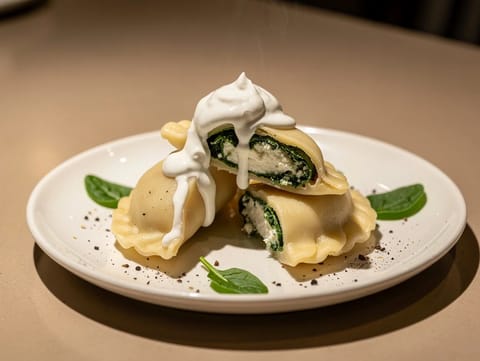
Pierogi filled with spinach and ricotta

Puff pastry tart with Dijon mustard, tomatoes and Gruyère
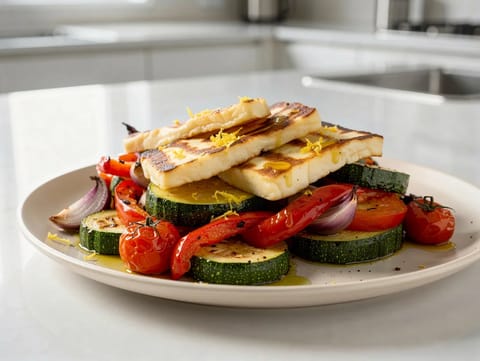
Halloumi traybake with roasted courgette, pepper and tomatoes
Start with the clearest non-negotiable. If you are avoiding a specific ingredient group, an exclusion-based category (dairy-free, gluten-free, nut free) is usually the most direct route, because it focuses your attention on the ingredients most likely to cause problems.
If you are cooking for a household with different needs, pattern-based categories can be easier to adapt. Vegetarian and pescatarian recipes often allow simple swaps between plant proteins and fish, while keeping the rest of the dish familiar. Vegan recipes remove all animal-derived ingredients, which changes the building blocks for richness and binding, so you may see more reliance on oils, nuts, seeds, legumes and plant milks.
For low carb, keto and high protein, expect the deciding factor to be the carbohydrate-heavy staples and sweeteners, plus the cut of meat, dairy choice, or plant protein used. When in doubt, choose the category that matches the ingredient you most need to manage, then fine-tune from there.
Pierogi filled with spinach and ricotta
Dense Portuguese almond cake finished with icing sugar
Halloumi traybake with roasted courgette, pepper and tomatoes
Chilled German red berry pudding thickened with cornflour
Buttery Dutch cookies with a thick almond paste filling
Puff pastry tart with Dijon mustard, tomatoes and Gruyère

Dense Breton butter cake with vanilla and egg yolks
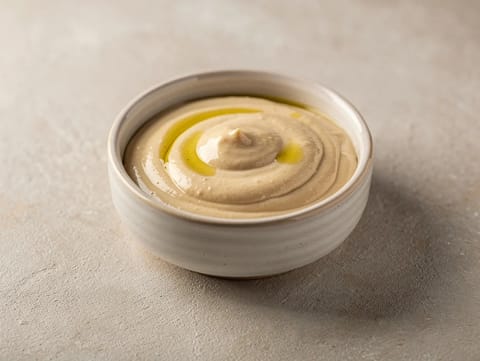
Smooth tahini sauce with lemon, garlic and water
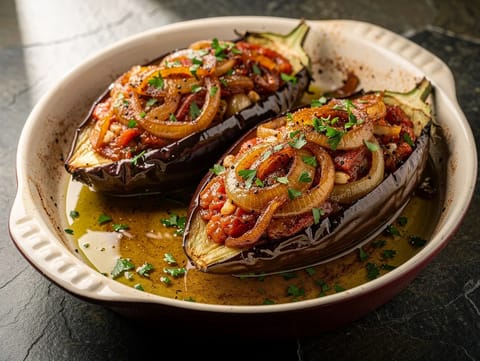
Baked aubergines stuffed with tomato, onion and garlic
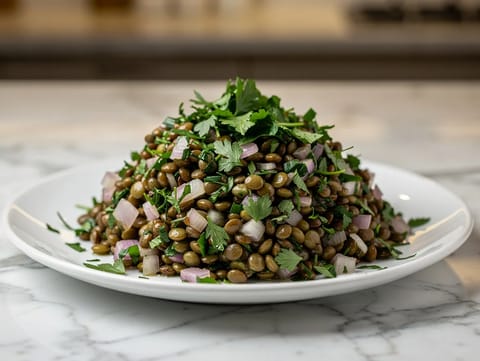
Warm French lentil salad with mustard dressing, shallot and parsley
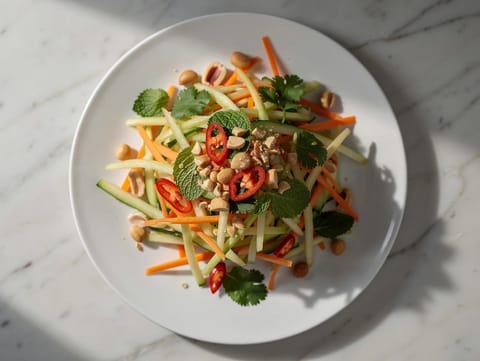
Green mango salad with herbs, chilli and peanuts

Air fryer cherry pie with lemon and cornflour-thickened filling.
Diet categories are helpful for browsing, but they cannot account for every brand, kitchen or personal threshold. Packaged ingredients can contain hidden sources of dairy, gluten or nuts, and wording varies by country and manufacturer. If you are avoiding allergens, always read labels on the specific products you use and consider cross-contact risks in your own kitchen and when cooking for others. For diets defined by carbohydrate or protein targets, remember that small ingredient changes and serving size can shift whether a dish fits your needs.
If you are cooking around a specific ingredient, browsing by Ingredient can clarify the exact form that matters, such as milk versus butter, wheat flour versus oats, or whole nuts versus nut butters. For stricter avoidance, Allergen-aware browsing is a useful cross-check, because it focuses attention on common sources and the kinds of packaged items that can complicate otherwise straightforward recipes.

Corned beef, sauerkraut and Swiss on rye, toasted until crisp
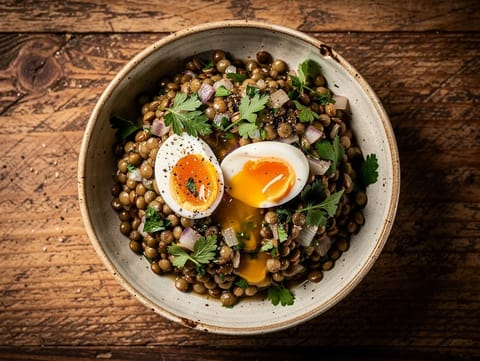
Puy lentils in Dijon vinaigrette topped with a soft-boiled egg
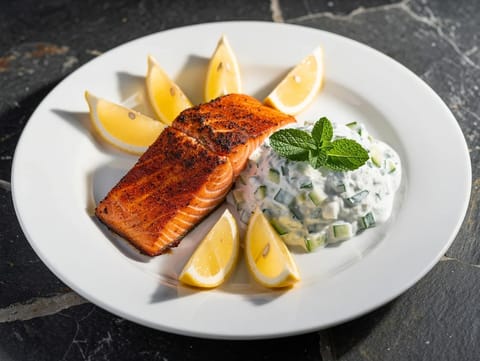
Baked tandoori-style salmon with cucumber and mint raita

Roast chicken with tarragon, garlic and pan jus

Silken tofu stuffed with minced pork in a savoury sauce
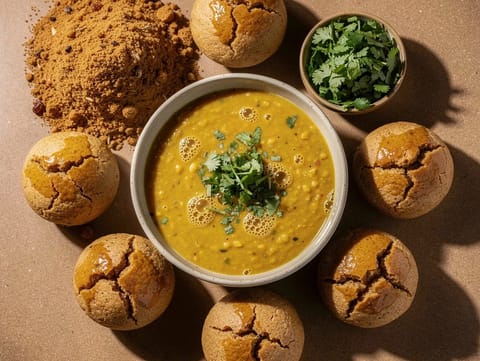
Spiced lentils with baked wholewheat dumplings and churma

Beer burger with onion pan sauce, cheese and Dijon mustard
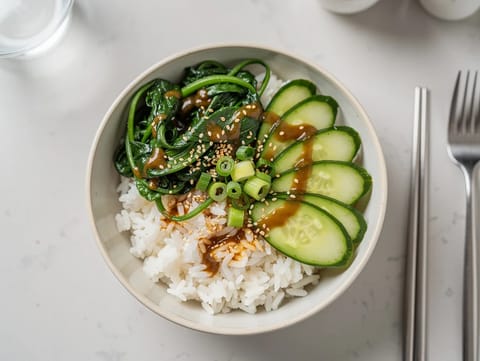
Spinach gomae over rice with cucumber and spring onion
Dairy-free avoids milk and milk-derived ingredients, but may still include eggs, meat or fish. Vegan avoids all animal-derived ingredients, including dairy, eggs and honey, so the recipe structure often changes as well as the ingredient list.
In practice, gluten-free recipes avoid gluten-containing grains, including wheat. However, ingredients and labelling can be complicated, so it is still worth checking the specific flour blends, sauces and packaged items used.
A nut-free label is a helpful starting point, not a safety guarantee. Always check ingredient labels on packaged foods and consider cross-contact in your kitchen, especially if you are cooking for someone with a diagnosed allergy.
Both reduce carbohydrate-heavy ingredients, but keto is typically stricter and more sensitive to small sources of sugar and starch. The exact boundary depends on the recipe and portion size, so ingredient choices matter.
It is a way of grouping recipes that emphasise protein-rich ingredients. Whether a dish feels “high protein” can depend on the main ingredient, the sides served with it, and portion size.
Yes. Many cooks use a diet category to set the baseline, then add optional elements at the table, such as cheese, bread, yoghurt sauces or a meat topping, so everyone can eat comfortably.
Choose the category that matches the ingredient you most need to avoid or prioritise, then confirm the details in the ingredient list and any packaged products. When you want to be more precise, pairing diet browsing with Ingredient or allergen-aware browsing helps you spot the small items that often make the difference.
