
Grilled Ribeye Steak with Compound Butter
Juicy grilled ribeye steak finished with melting garlic and parsley compound butter
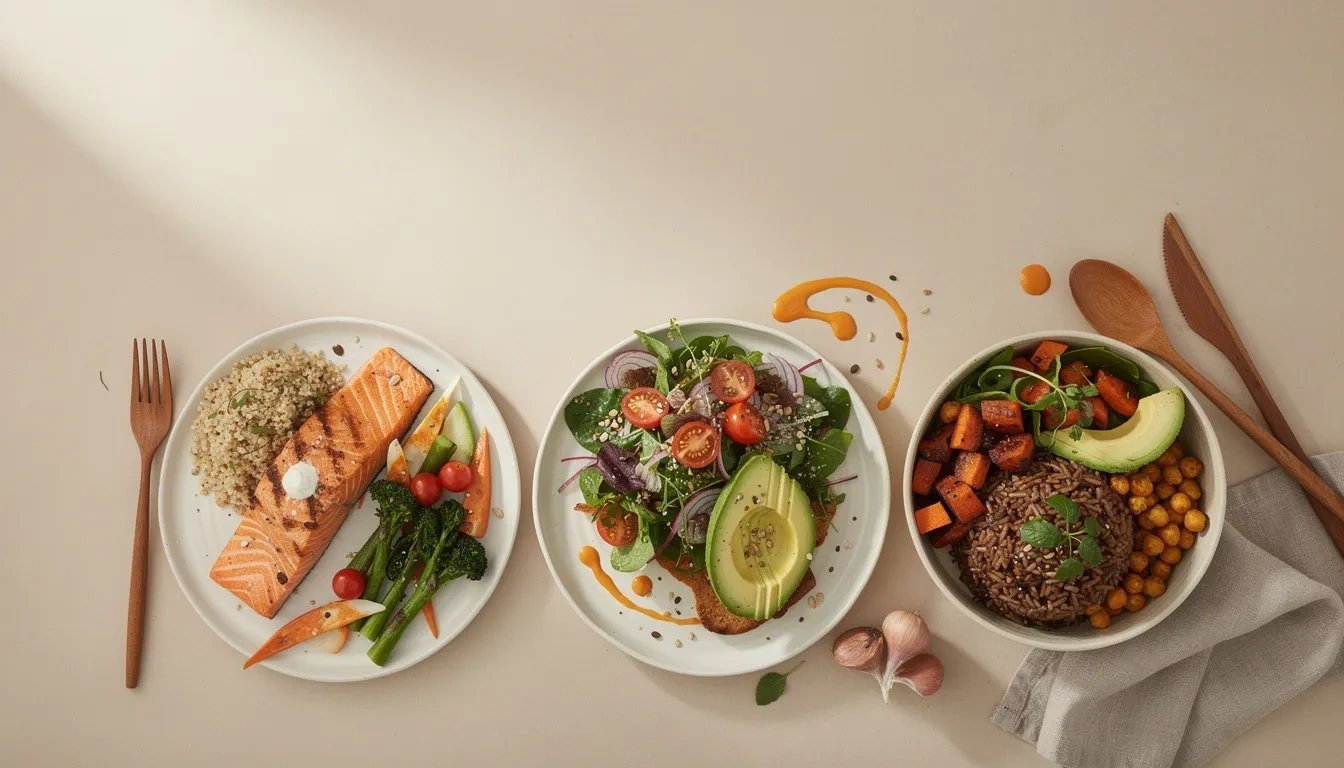
Keto recipes are defined by what they leave out: most sugars and starches. That changes the shape of a meal, because many familiar building blocks, bread, rice, pasta, potatoes and sweet baking, are no longer the default. The useful way to browse keto is to focus on the “anchors” that naturally fit: proteins, non-starchy vegetables, fats, and sauces that do not rely on flour or sugar. This page sets out what keto typically implies, and where substitutions need extra care.
Keto is a very low-carbohydrate way of eating that typically shifts energy towards fats, with moderate protein. In recipe terms, that usually means avoiding sugar and limiting starchy ingredients, while using fats and low-carb vegetables to provide satisfaction and texture.
Because “keto” is used in different ways, it is best treated as a browsing guide rather than a guarantee of exact carbohydrate counts. Two dishes can both be keto-leaning but differ significantly depending on portion size, sweeteners, and the specific vegetables or dairy products used. The most consistent signal is the ingredient pattern: fewer grains and legumes, fewer sweetened sauces, and more reliance on fats, eggs, meats, fish, cheese, nuts and non-starchy vegetables.
Juicy grilled ribeye steak finished with melting garlic and parsley compound butter
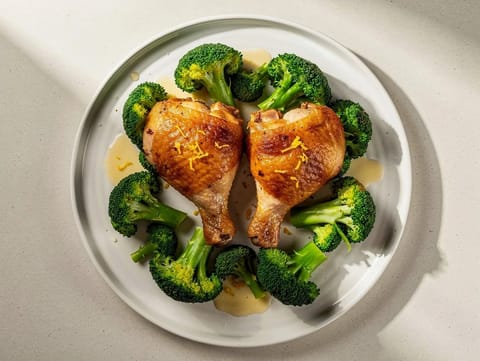
Keto air-fried chicken thighs with lemon butter and broccoli.
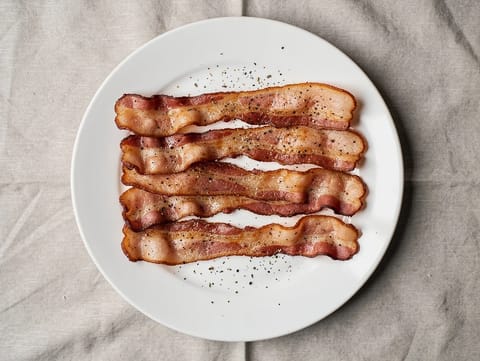
Crispy air fryer bacon cooked quickly in a single layer.
Replacing flour and sugar is where keto cooking can feel most technical. Nut flours and seed flours can add richness and tenderness, but they brown quickly and can taste toasted if baked too hot. Coconut flour is highly absorbent, so it usually needs more liquid and eggs than wheat flour recipes.
For thickening, consider reductions (simmering to concentrate) or small amounts of low-carb thickeners, rather than a flour roux. For sweetness, many recipes use non-sugar sweeteners, but they vary in sweetness, aftertaste and how they behave with heat.
For starchy sides, the most straightforward swaps are vegetable-based: cauliflower “rice”, courgette noodles, or roasted non-starchy vegetables. These change the dish’s water content, so expect to season more assertively and cook off moisture to avoid a watery finish.
Keto air-fried chicken thighs with lemon butter and broccoli.
Crispy air fryer bacon cooked quickly in a single layer.
Juicy grilled ribeye steak finished with melting garlic and parsley compound butter
Even when a recipe looks keto-friendly, carbohydrates can creep in through condiments and packaged ingredients. Check labels on sauces, dressings, spice mixes, cured meats and dairy products, as sugar and starch are common additions.
Be cautious with “keto” branded products: they can vary widely in ingredients and may include sweeteners or fibres that do not suit everyone. If you are following keto for medical reasons, it is sensible to treat recipe labels as guidance and confirm suitability with your own carbohydrate targets and professional advice.
Ingredient pages are useful for keto cooking because small choices, such as which sweetener, flour alternative or thickener you use, can change both carbs and texture. If you are also avoiding specific triggers such as gluten or nuts, the Allergens categories can help you narrow down keto-friendly options more cautiously.
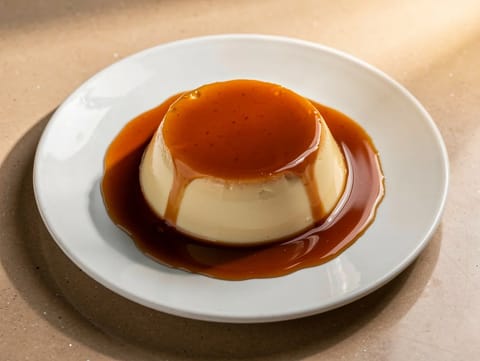
Light vanilla flan baked over caramel and chilled until set
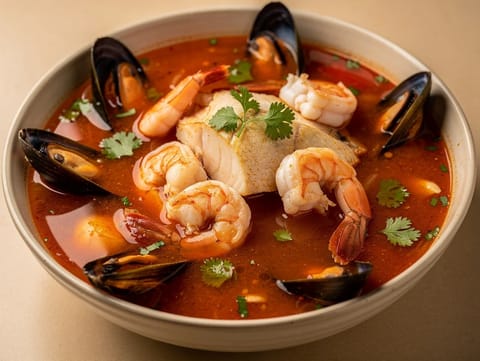
Seafood soup with tomato, chilli, lime and coriander
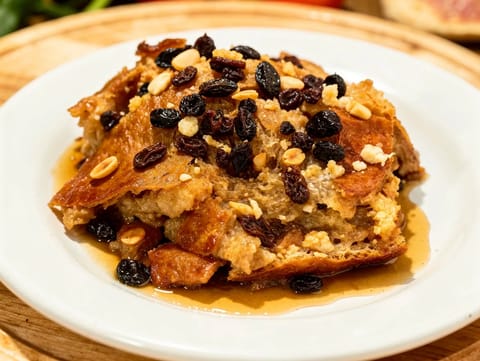
Mexican bread pudding with piloncillo syrup

Coconut water with lime, salt and ice
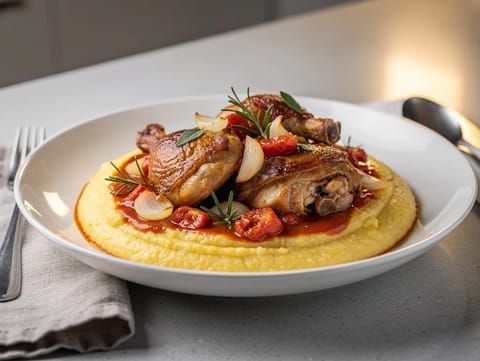
Chicken cacciatore served with buttery Parmesan polenta
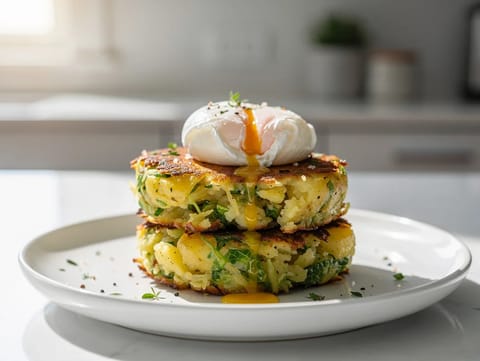
Crisp potato and cabbage cakes topped with poached egg
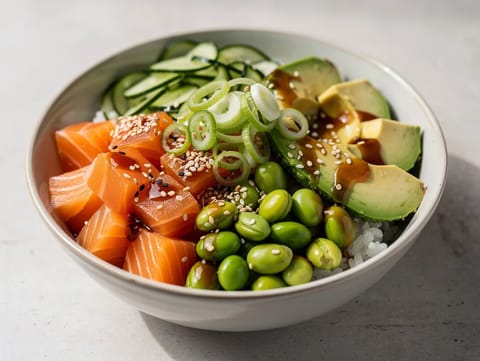
Salmon poke bowl with sushi rice, edamame and soy.
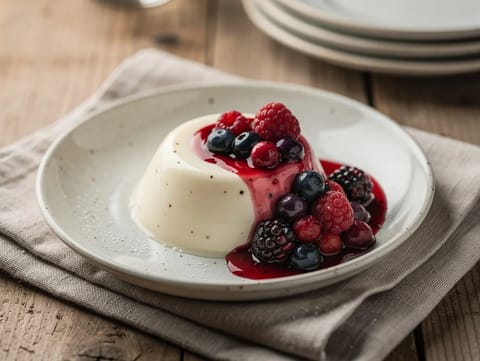
Silky vanilla panna cotta with berry compote
Keto is usually stricter than a general low-carb approach. Low carb can still include moderate portions of grains, legumes or fruit, while keto typically limits them much more.
No. Non-starchy vegetables are commonly used, while starchy vegetables such as potatoes and many preparations of maize are usually limited. Exact choices depend on your carbohydrate targets.
They are sugars, so they are generally avoided in keto cooking. Many keto recipes use non-sugar sweeteners instead, but these vary in flavour and performance.
Without wheat flour and gluten, batters often lack the same structure and lift. Keto baking commonly relies on eggs and alternative flours, which can produce a different crumb and browning pattern.
It depends on the fruit and the portion. Many people limit higher-sugar fruits and choose smaller amounts of lower-sugar options, but approaches vary.
Not necessarily. Many keto-leaning meals are built from straightforward ingredients such as eggs, meat or fish, non-starchy vegetables, oils and herbs. Speciality flours and sweeteners are most relevant for baking and bread-style substitutes.
Start with recipes that are naturally low in starch and sugar, then use substitutions where they genuinely help, such as a vegetable-based side or a different thickening method. When a dish depends on flour or sugar for its identity, choosing a recipe designed to be keto from the outset is usually the smoother route.
