

Rote Grütze (German Red Berry Pudding)
Chilled German red berry pudding thickened with cornflour

A recipe collection is a useful shortcut when you do not want to start from scratch with a single dish. Instead of asking “What shall I cook?”, you can begin with a theme such as a key ingredient, a cooking style, a piece of kit, a budget constraint or a particular occasion. The point is not that every recipe is the same, but that the collection gives you a coherent starting place, with enough variety to build a meal, a snack spread or a baking plan without losing the thread.
Collections group recipes by a shared idea rather than by a strict culinary definition. Some themes are practical, such as 5-ingredient cooking or budget-friendly meals, where the constraint shapes how you shop and prep. Others are flavour- or format-led, such as noodle bowls, brownies and bars, or brothy noodle soups, where the collection is really about texture and eating style. You will also see place-based themes, which are best read as a broad style cue rather than a promise of one fixed “authentic” version. A collection can help you choose a direction quickly, but it does not automatically guarantee cooking time, difficulty, dietary suitability or allergen safety, which depend on the individual recipe.
Chilled German red berry pudding thickened with cornflour
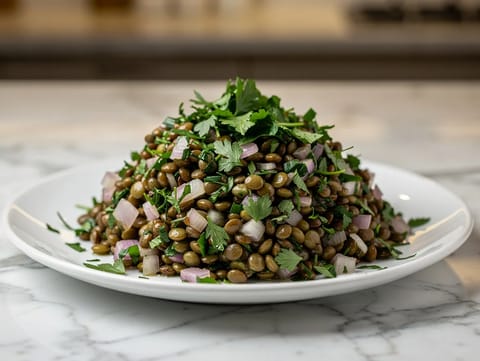
Warm French lentil salad with mustard dressing, shallot and parsley

Dense Breton butter cake with vanilla and egg yolks
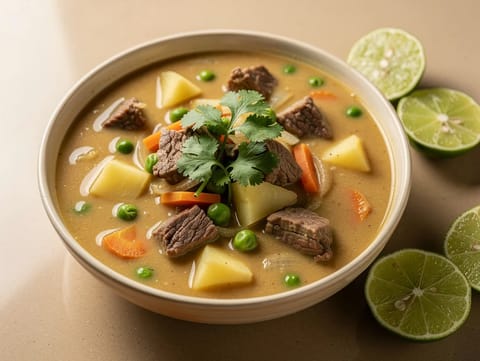
Bolivian peanut soup with beef and potatoes

Caramel chocoflan with vanilla flan and chocolate sponge
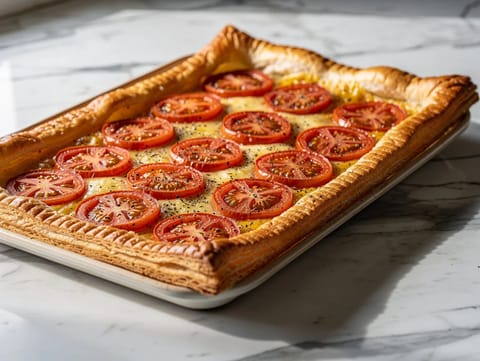
Puff pastry tart with Dijon mustard, tomatoes and Gruyère
Most collections fall into a few recognisable families, and knowing the difference helps you pick the right starting point. Ingredient-led collections focus your shopping list and reduce decision fatigue, especially when you have something to use up. Dish-family collections gather variations on a familiar format, which is handy when you want to compare approaches without changing the whole meal plan. Occasion and seasonal collections lean into the way people cook for particular moments, often mixing mains, sides and sweets so you can build a spread. Equipment-led collections are about method and workflow, nudging you towards recipes that suit a particular appliance. Finally, “comfort” and mood-led collections tend to prioritise warming textures, rich sauces, baked finishes or nostalgic flavours, which can be useful when you want a certain feel at the table.
Caramel chocoflan with vanilla flan and chocolate sponge
Chilled German red berry pudding thickened with cornflour
Puff pastry tart with Dijon mustard, tomatoes and Gruyère
Dense Breton butter cake with vanilla and egg yolks
Warm French lentil salad with mustard dressing, shallot and parsley
Bolivian peanut soup with beef and potatoes
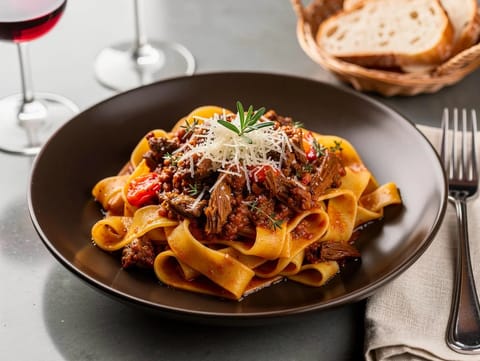
Pappardelle with slow-simmered wild boar ragù and pecorino
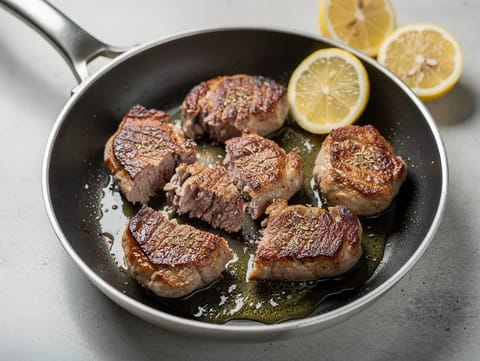
Pan-fried pork with lemon and mustard sauce
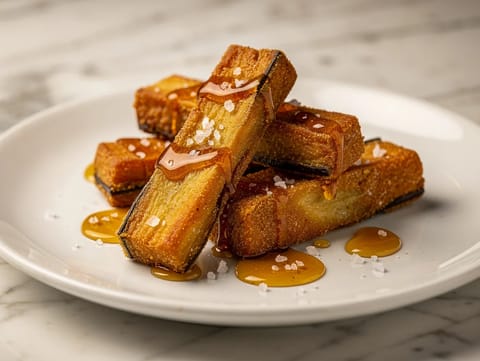
Crisp fried aubergine batons finished with honey and salt

Italian lemon gelato made with fresh zest and juice
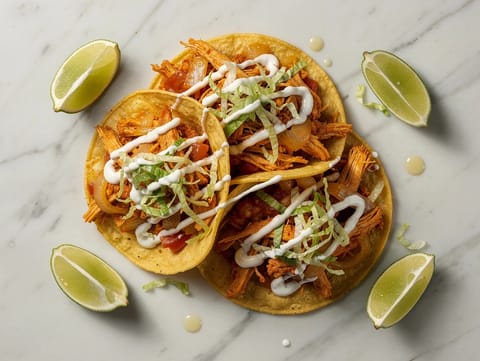
Crisp tostadas topped with chicken tinga, crema and lettuce

Custard-soaked brioche French toast with crème fraîche and maple syrup
Collections are most helpful when you treat them as a menu scaffold. If the theme is a main-dish format, look for contrast elsewhere: a crisp salad or sharp pickle alongside something creamy; a simple grain or bread with a brothy soup; fresh fruit or citrus after a chocolate-forward bake. Ingredient-led collections can steer the whole meal, but it is worth varying textures so everything does not land the same way, for example pairing a soft bean-based dish with something crunchy or herb-bright. Occasion collections often include both centrepieces and supporting dishes, which makes it easier to plan pacing: one showpiece, one make-ahead element, and one quick-to-finish item so the kitchen stays calm when you serve.
If you have a fixed deadline, browsing by cooking time can narrow a collection to what realistically fits your day. For gatherings and holidays, browsing by occasion helps you keep the food appropriate to the moment, especially when you need a mix of mains, sides and sweets rather than one standalone dish.
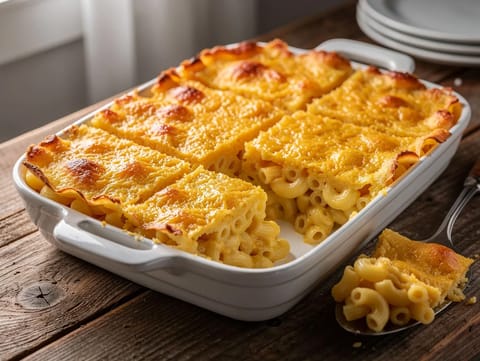
Baked macaroni cheese with cheddar and a custardy set
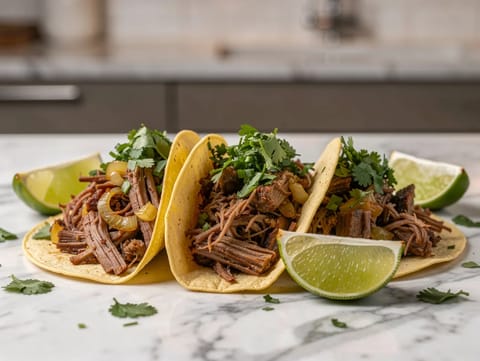
Slow-cooked beef tacos with onion, coriander and lime

Soft French omelette with chives, parsley and tarragon

Gluten-free almond cake with lemon zest and icing sugar
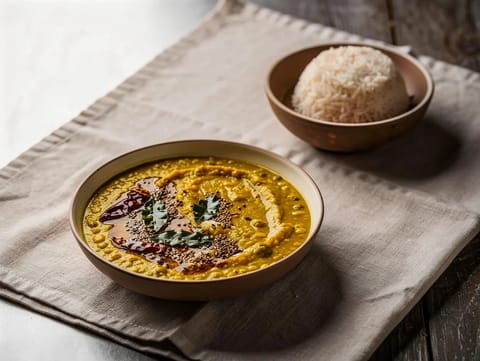
Yellow lentil dal topped with hot tempered spices

Poached meringue floating on vanilla custard with caramel
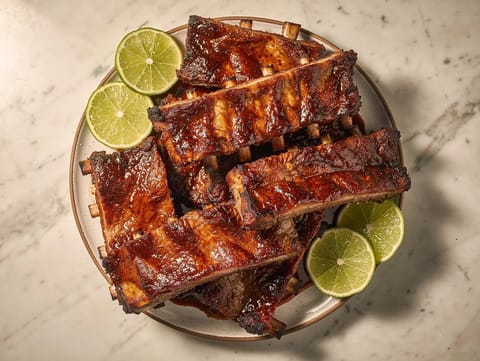
Roasted pork ribs in smoky adobo with a glossy glaze

Honey-glazed fried dough clusters with pistachios
A collection starts with a theme or constraint that can cut across many dishes and meal types. Dish and cuisine browsing are more about what the food is, while collections are often about how you want to cook or what you want the meal to feel like.
Either. Some themes naturally gather main dishes, while others include snacks, sides, baking and desserts. The practical advantage is that the theme stays consistent while you choose the pieces you need.
Not automatically. A theme might be quick by nature, but cooking time and difficulty vary by recipe. If speed is the deciding factor, it helps to check cooking time alongside the collection theme.
Not necessarily. Country or region labels are best read as a style cue. Within any cuisine there is wide variation, and home-cook versions often adapt to local ingredients and equipment.
Choose ingredient-led when your shopping list is the constraint, for example you have aubergines or berries to use. Choose a dish-family collection when the eating format is the priority, such as wanting noodle bowls or brownies, and you are happy to shop for what the recipe needs.
Yes. Collections make it easier to keep the core idea the same while adjusting details, such as heat level, toppings, or serving components separately, so different eaters can build their own plate.
Start with the collection that matches your constraint or craving, then make the practical calls recipe by recipe: time, occasion, and how many elements you want on the table. A clear theme keeps planning simple, even when the menu includes a mix of dishes.
