
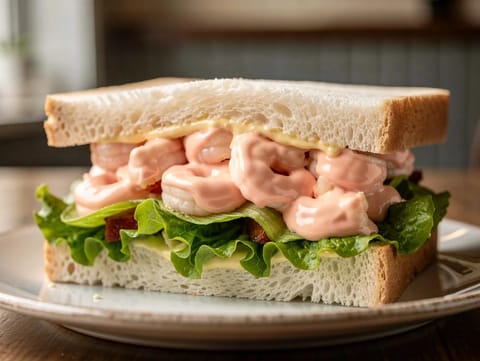
Prawn Marie Rose Sandwich
Prawn sandwich with Marie Rose sauce and crisp lettuce

A good lunchbox meal is designed for the journey. It needs to taste good cold or at room temperature, keep its texture for a few hours, and be easy to eat without last-minute assembly. This collection focuses on lunchbox-friendly ideas that suit those practical constraints, from sandwiches and wraps to pasta salads, rice bowls and snack-style boxes. The aim is not just speed, but meals that stay appetising once packed.
Lunchbox meals often fall into a few dependable formats. Sandwiches and wraps work when you manage moisture, keeping wet ingredients away from bread until the last possible moment. Grain and pasta salads are reliable because they hold their structure and can carry bold dressings without wilting. “Snack boxes” lean on variety: a few small items that cover crunch, protein and something fresh.
You will also see leftovers used with intention. Some dishes improve as they sit, as flavours mingle and dressings soak in. Others need a small packing tweak, such as keeping a crunchy topping separate or packing a dip in a lidded pot. The common thread is food that does not rely on being piping hot to feel complete.
Prawn sandwich with Marie Rose sauce and crisp lettuce
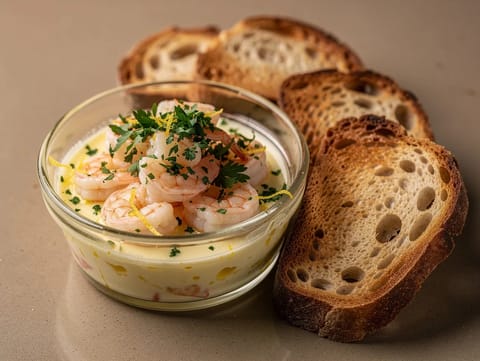
Potted shrimp set in spiced butter, served with sourdough
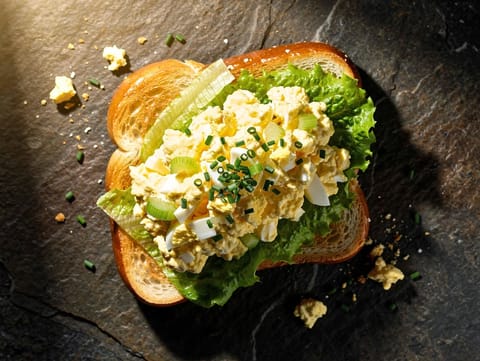
Egg salad on toasted brioche with chives and lettuce
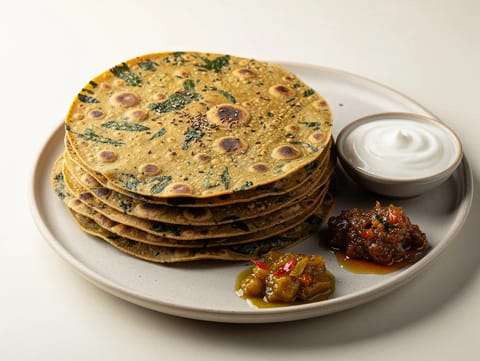
Fenugreek flatbreads made with yoghurt and spices
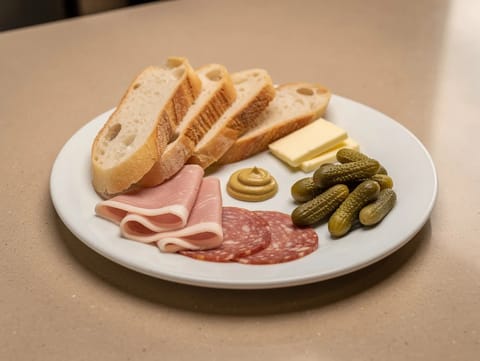
Cured meats with cornichons, Dijon mustard and baguette
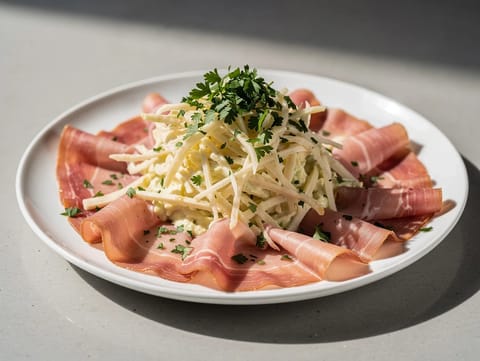
Celeriac rémoulade with mustard and lemon mayonnaise
If sogginess is the main problem, choose fillings that are naturally drier, or use barriers. Leafy greens, sliced cheese, and spreads can protect bread from juicy tomatoes, pickles or dressed salads. For salads, sturdier leaves and vegetables cope better than delicate ones, and thicker dressings cling rather than pooling.
If you are packing for shared spaces, consider aroma and mess. Strongly scented fish, very garlicky dressings, and saucy noodles can be delicious but less discreet. For sturdiness, think in layers: firm items on the bottom, softer items on top, and anything crunchy kept separate. A lunch that looks intact when opened is more likely to be eaten with pleasure.
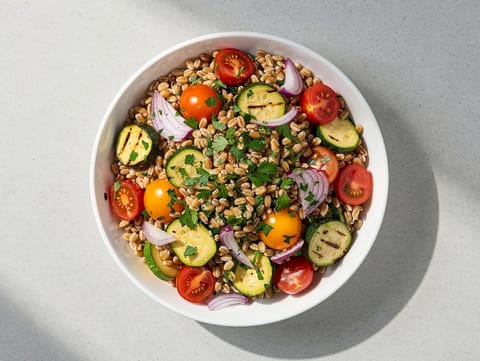
Farro salad with roasted courgette, tomatoes and red onion
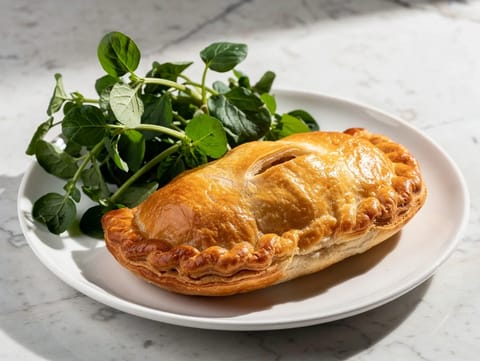
Baked chicken and leek pasty with a creamy mustard filling.
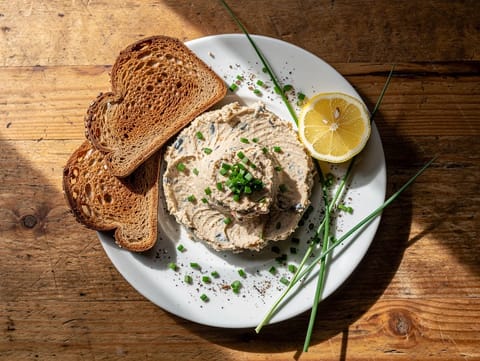
Smoked mackerel pâté with lemon and horseradish on rye
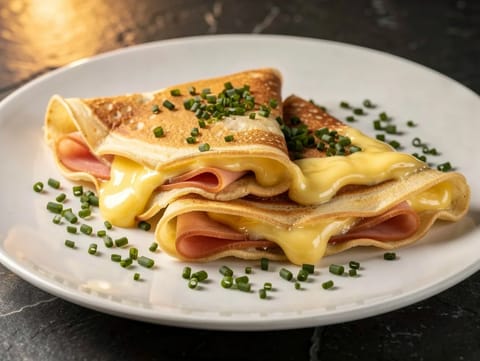
Golden savoury pancakes with ham and melted Emmental
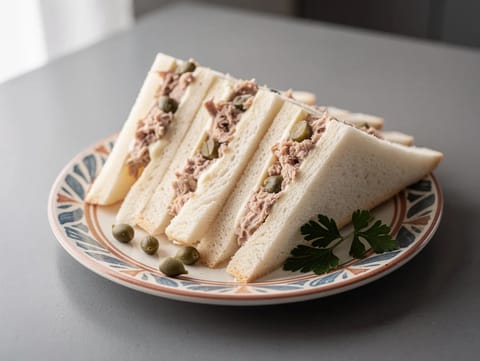
Soft tuna and caper sandwiches with mayonnaise and lemon
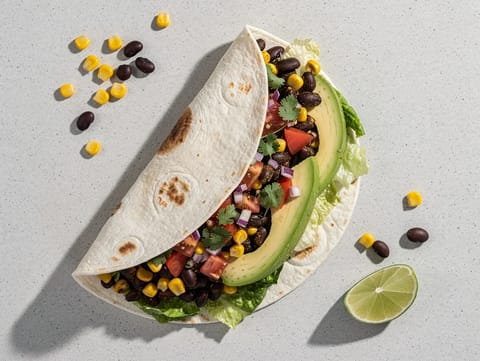
Toasted wraps filled with black beans, avocado and tomato salsa
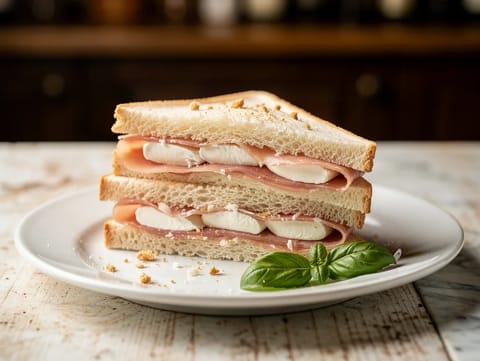
Soft Italian sandwich with prosciutto, mozzarella and mayonnaise
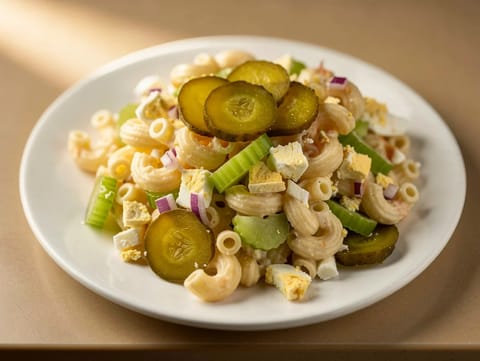
Creamy macaroni salad with sweet pickles and celery
Fenugreek flatbreads made with yoghurt and spices
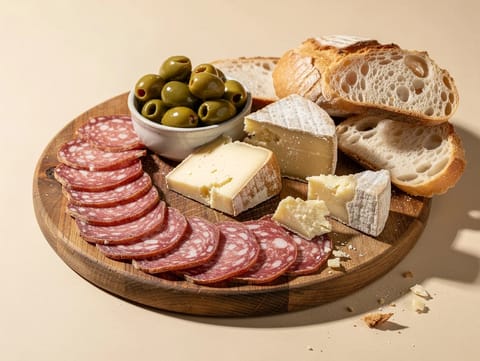
Italian board of cured meats, cheeses, olives and bread
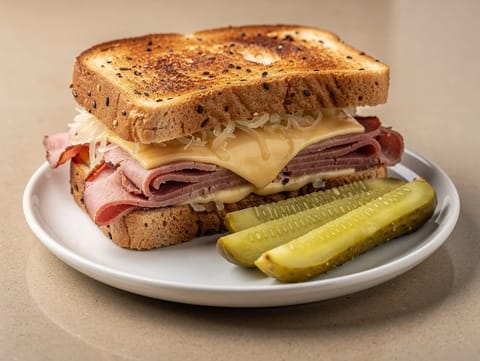
Corned beef, sauerkraut and Swiss on rye, toasted until crisp
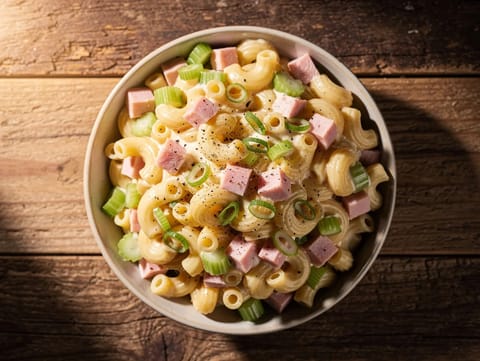
Creamy macaroni salad with ham and celery
A lunchbox is easier to plan when you treat it like a small menu. Start with a main element that provides substance, such as a sandwich, wrap, or a portion of grains or pasta. Then add one fresh, crisp component, such as fruit, raw vegetables, or a simple salad. Finally, include a “finisher” that makes the box feel complete: a dip, a handful of nuts, a small sweet bake, or something pickled for contrast.
If you are packing multiple boxes, repeating the same base and changing the flavour direction can save time. One batch of rice can become different lunches with different dressings, proteins and crunchy toppings packed separately.
Cooking time can help you decide between lunches you can assemble quickly and those that benefit from a little batch cooking. If you are packing to suit a particular way of eating, browsing by Diet can be useful for narrowing options while keeping the lunchbox-friendly formats in mind.
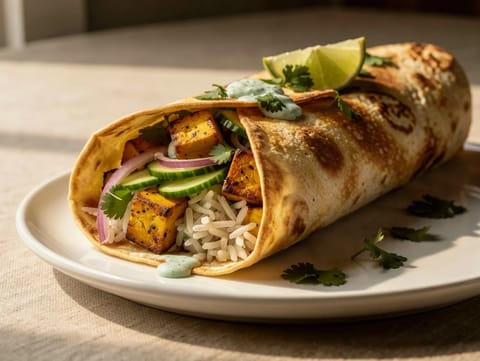
Toasted wrap with spiced paneer, rice and mint yoghurt
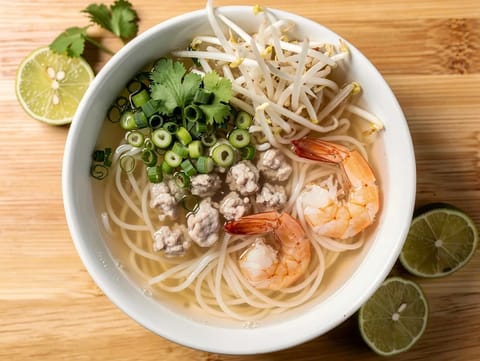
Clear pork broth noodle soup with minced pork and prawns
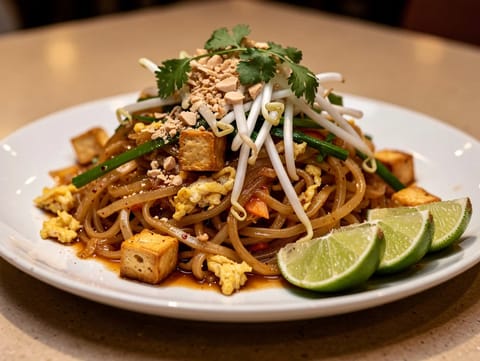
Vegetable Pad Thai with tofu, egg and roasted peanuts
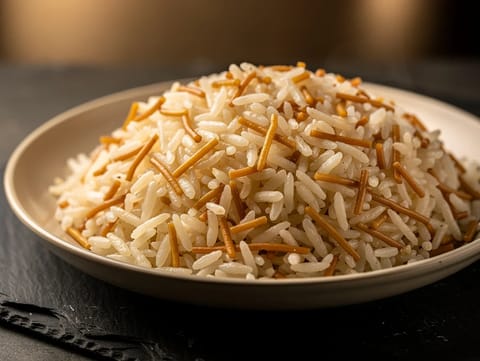
Turkish rice pilaf with toasted vermicelli cooked in chicken stock
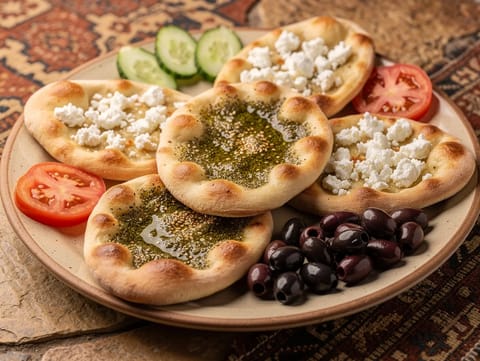
Warm manakish with za’atar, feta, cucumber, tomato and olives
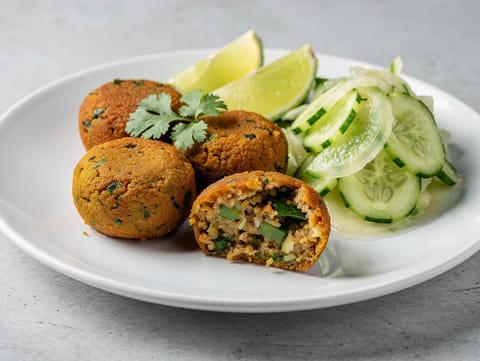
Thai fish cakes with red curry paste and green beans
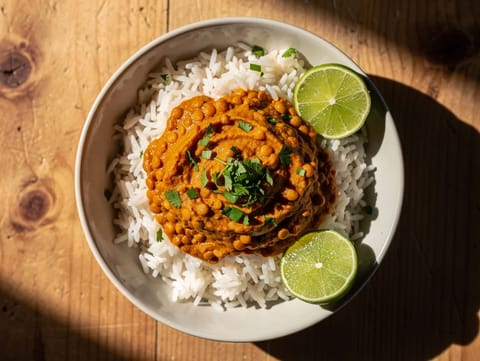
Creamy red lentil curry served over basmati rice

Coconut water with lime, salt and ice
It should hold its texture, taste good cold or at room temperature, and be easy to eat without complicated assembly. Managing moisture is often the key.
Keep wet ingredients away from the bread. Use spreads, cheese or leaves as a barrier, and pack juicy items separately when possible.
Yes, especially grain, pasta and bean salads. They hold up well and can carry dressing without collapsing, unlike very delicate leafy salads.
They are lunchboxes built from several small items rather than one main dish, often combining something fresh, something crunchy and a protein element with a dip or spread.
Not always. Some can be assembled in the morning, while others are easier if you batch-cook a base such as grains, roasted vegetables or proteins ahead of time.
Keep the format the same but change the flavour profile. Swap dressings, herbs, spices and crunchy toppings, or rotate between wraps, bowls and salads using similar ingredients.
When you choose meals that travel well and keep wet and crunchy elements under control, lunchboxes become much easier to plan. Start with a sturdy format, then add freshness and a small finishing touch.
