
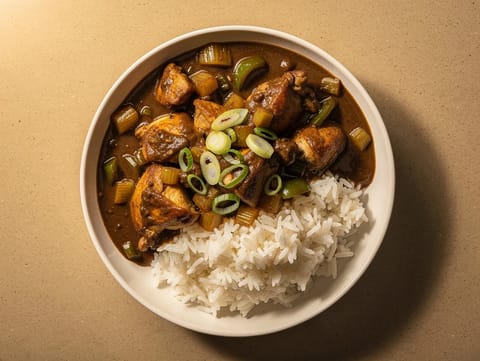
Cajun Chicken Étouffée
Cajun chicken étouffée with dark roux served over rice
Cooking time is a practical way to narrow down what you can cook today, but it helps to read it as “total elapsed time”, not just time at the hob. A recipe can be quick because it is genuinely hands-on fast, or because it mostly looks after itself in the oven or on the stove. The time ranges here run from under 15 minutes through 15–30 and 30–60 minutes, up to over 60 minutes, so you can match a recipe to your window of attention as well as your schedule.
Cooking time is typically the recipe’s full start-to-finish estimate: preparation plus cooking, and sometimes brief resting or cooling if it affects when you can serve. It does not always reflect how busy you will be. Chopping, measuring and washing up are “active” minutes; simmering, roasting and baking are mostly “passive” minutes, even though the clock is still running. That difference matters when you are fitting cooking around work, family or other tasks. It also explains why two recipes with the same total time can feel very different: one may be a steady run of small steps, while another is a short burst of prep followed by unattended cooking.
Cajun chicken étouffée with dark roux served over rice
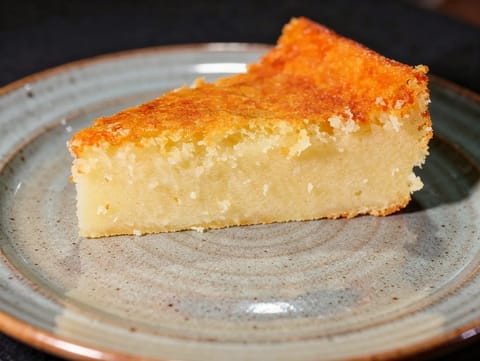
Dense Portuguese almond cake finished with icing sugar

Chilled German red berry pudding thickened with cornflour
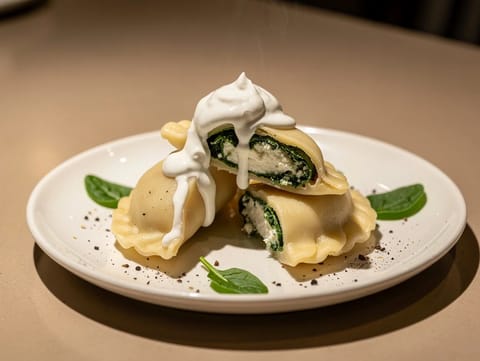
Pierogi filled with spinach and ricotta
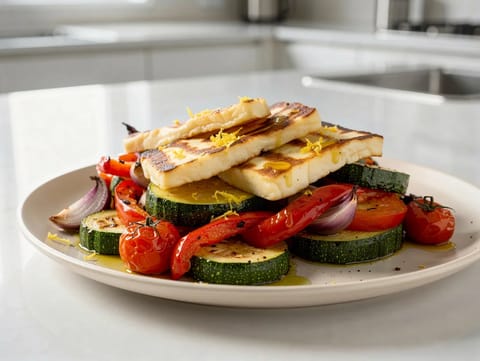
Halloumi traybake with roasted courgette, pepper and tomatoes

Caramel chocoflan with vanilla flan and chocolate sponge
Use under 15 minutes when you need food on the table almost immediately and can accept limited cooking steps. These recipes often rely on quick-cooking ingredients or assembling rather than long heat.
The 15–30 minute range suits a short, focused cook: enough time for a simple sauce, a fast stir-fry, a pan-seared protein or a tray of vegetables that roasts while you finish the rest.
Choose 30–60 minutes when you want a fuller cooking rhythm: time to build flavour, cook grains or pulses, or roast components properly.
Over 60 minutes is where slow transformations happen, whether that is gentle braising, long baking, or a dish that needs cooling or resting before it’s at its best.
Pierogi filled with spinach and ricotta
Cajun chicken étouffée with dark roux served over rice
Caramel chocoflan with vanilla flan and chocolate sponge
Dense Portuguese almond cake finished with icing sugar
Halloumi traybake with roasted courgette, pepper and tomatoes
Chilled German red berry pudding thickened with cornflour
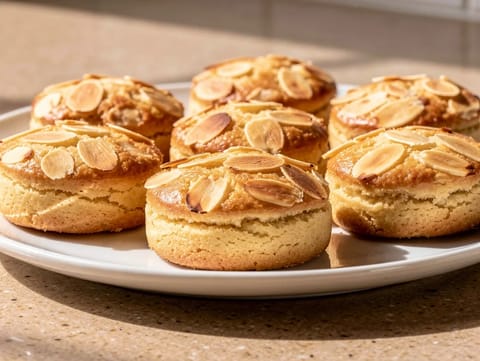
Buttery Dutch cookies with a thick almond paste filling
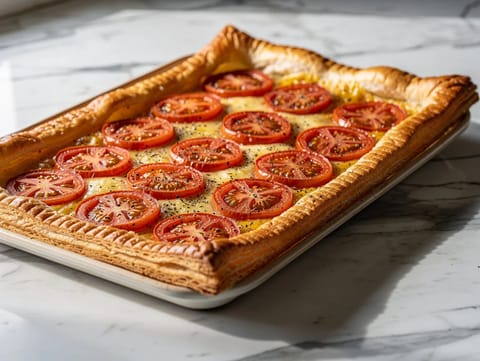
Puff pastry tart with Dijon mustard, tomatoes and Gruyère
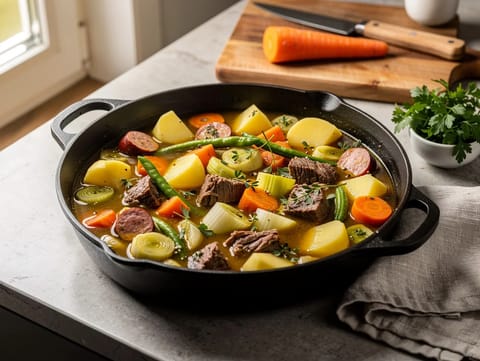
German one-pot stew with smoked sausage, beans and potatoes

Dense Breton butter cake with vanilla and egg yolks
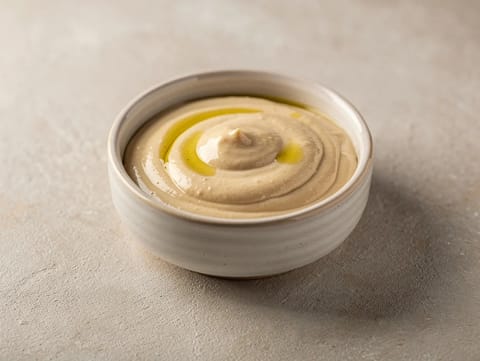
Smooth tahini sauce with lemon, garlic and water
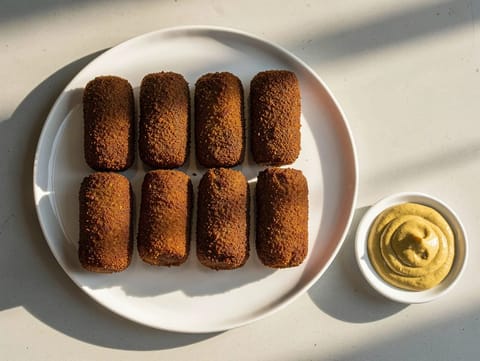
Dutch beef ragout croquettes with a crisp breadcrumb coating
If you are short on attention rather than short on clock time, look for recipes with longer cooking but fewer decision points: a single pot, a tray bake, or a dish that simmers steadily once it is set up. If you are short on elapsed time, prioritise recipes with minimal prep, because chopping and measuring are hard to compress.
A useful mental check is to separate “prep time” from “cook time” as you read. Prep-heavy recipes can still be calm if you can do the chopping earlier, while cook-heavy recipes may be quick to start but need you to be home to finish. Also remember that your own pace, knife skills and kitchen set-up can shift timings either way.
If you have the time but want less hands-on work, browsing by Cooking method can help you find approaches that naturally reduce active effort, such as roasting or simmering. If you want a more predictable workload, Difficulty is a useful companion to cooking time, because it hints at how many steps and how much attention a recipe may demand.
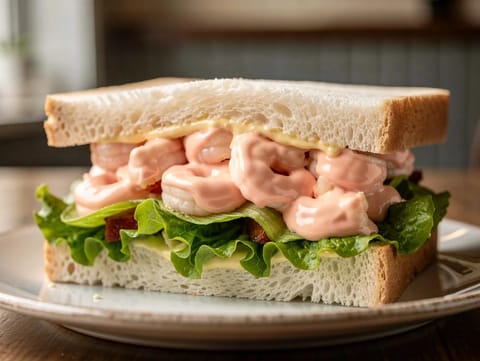
Prawn sandwich with Marie Rose sauce and crisp lettuce
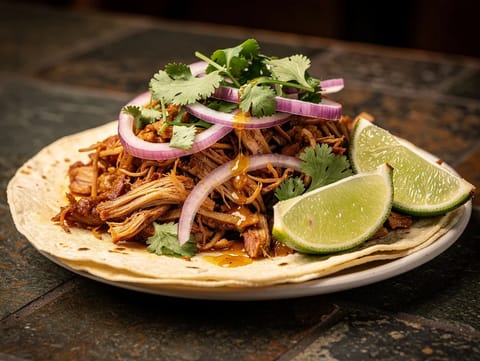
Crispy jackfruit carnitas in warm corn tortillas
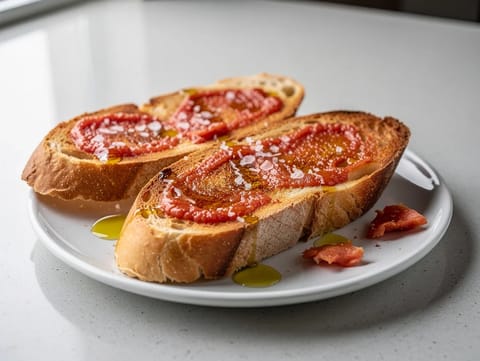
Toasted bread rubbed with garlic and ripe tomato
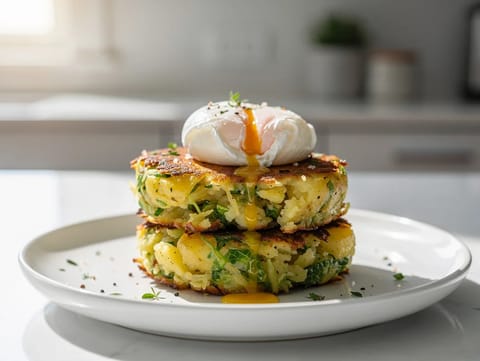
Crisp potato and cabbage cakes topped with poached egg
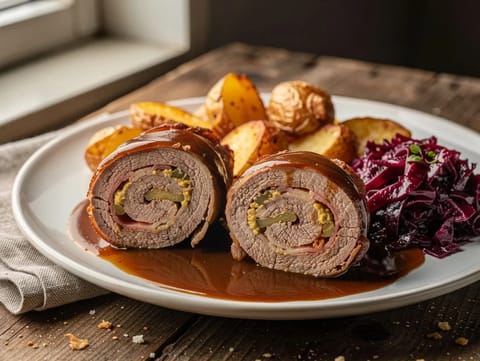
Beef roulades with mustard, bacon, gherkins and gravy

Hot black tea with dark rum and warming spices
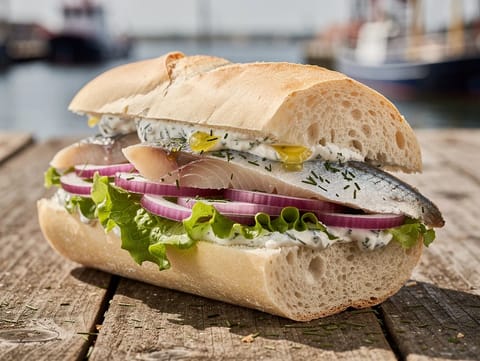
Pickled herring roll with red onion and dill sour cream
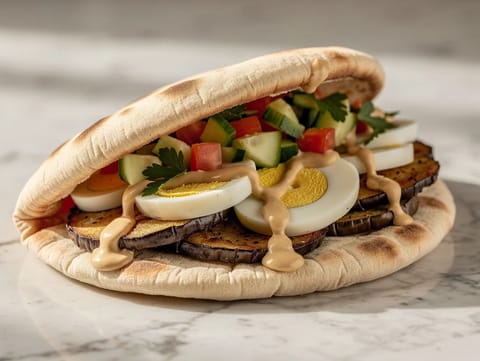
Pita filled with fried aubergine, egg, salad and tahini
Total time is the full elapsed time from starting prep to being ready to serve. Active time is the minutes you are actually doing something: chopping, stirring, whisking, shaping or plating. A recipe can have a long total time but a short active time if it mostly cooks unattended.
Time does not capture step density. A 30-minute recipe might be 30 minutes of constant chopping and pan work, or 10 minutes of prep followed by 20 minutes in the oven. Equipment, batch size and how many components you cook at once also change the feel.
Not necessarily. It can include quick cooking, such as toasting, searing thin cuts, scrambling eggs, or heating a fast sauce. It often does mean fewer stages and ingredients that don’t require long simmering or baking.
No. Some longer recipes are long because they cook slowly or need resting, not because they are technically difficult. Others are long because they have multiple components. Pairing cooking time with difficulty gives a clearer picture.
It depends on how a recipe is written. Some recipes count only hands-on prep and cooking; others include waiting time that affects when you can eat. If timing is tight, scan for any “rest”, “chill” or “marinate” steps that extend the clock.
Give yourself more time than the category suggests, especially for prep. In an unfamiliar kitchen, finding tools, learning the hob and oven, and adjusting heat levels can add minutes even to straightforward recipes.
Start by choosing the time window you truly have, then sanity-check whether the recipe’s work is mostly active or mostly hands-off. Once you know which matters more today, you can narrow further by method or difficulty to find a pace that fits.
