
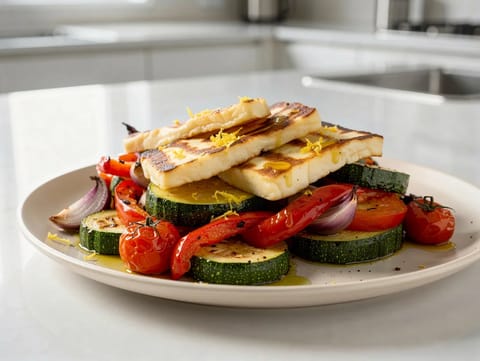
Halloumi and Roasted Vegetable Traybake
Halloumi traybake with roasted courgette, pepper and tomatoes

Cooking method is often the quickest way to predict what a dish will feel like on the plate: crisp or tender, saucy or dry, light or deeply browned. It also hints at the kind of attention you’ll need, from hands-off slow cooking to fast, high-heat frying.
Use this page to compare common techniques and decide where to start, whether you’re choosing between oven and hob, looking for a one-pan approach, or matching a recipe to the equipment you have.
A method describes the main technique that produces the finished dish, not the cuisine, the meal occasion, or whether something is “easy”. Two recipes can share a method and still taste completely different, but they often share a similar structure: how heat is applied, how moisture is managed, and when browning happens. That is why method is such a useful organising idea when you want a particular result, such as a crisp exterior, a set custard, a smoky finish, or a spoonable stew.
Method also affects timing in a specific way. Some techniques are quick but attention-heavy (stirring, turning, watching colour), while others take longer but are more hands-off once they’re in the oven, slow cooker or pressure cooker.
Halloumi traybake with roasted courgette, pepper and tomatoes

Chilled German red berry pudding thickened with cornflour
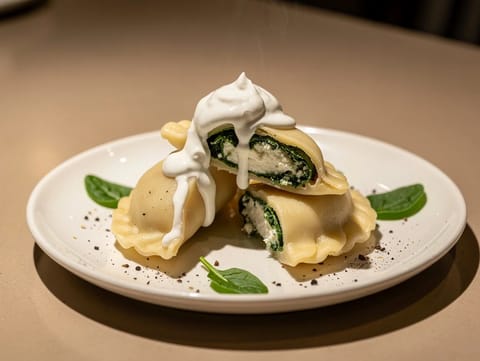
Pierogi filled with spinach and ricotta
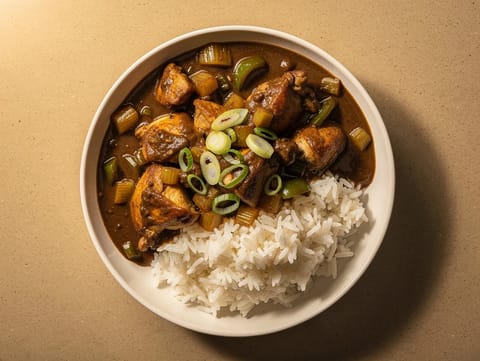
Cajun chicken étouffée with dark roux served over rice
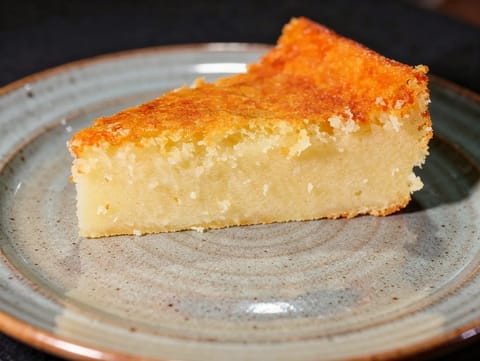
Dense Portuguese almond cake finished with icing sugar

Caramel chocoflan with vanilla flan and chocolate sponge
Dry-heat methods such as roasting, baking, grilling and air frying are built around evaporation and browning. They tend to give you colour, crisp edges and a more concentrated flavour, especially when food is spread out rather than crowded. Moist-heat methods such as simmering, boiling and poaching keep temperatures gentler and limit browning, which suits delicate proteins, dumplings and brothy dishes where clarity and tenderness matter.
Braising sits between the two: you usually brown first, then cook covered with liquid so tougher cuts soften while the sauce develops body. Methods like sautéing and pan frying are fast, surface-driven techniques where pan temperature and batch size strongly affect whether you get a sear or a pale, steamy finish.
Pierogi filled with spinach and ricotta
Cajun chicken étouffée with dark roux served over rice
Caramel chocoflan with vanilla flan and chocolate sponge
Dense Portuguese almond cake finished with icing sugar
Halloumi traybake with roasted courgette, pepper and tomatoes
Chilled German red berry pudding thickened with cornflour
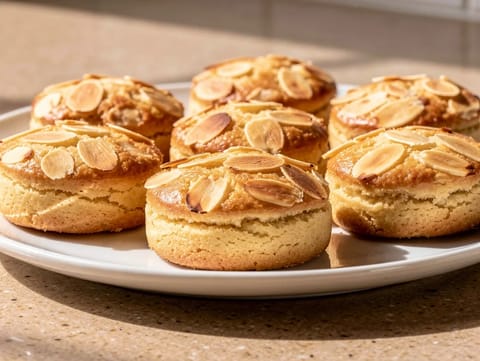
Buttery Dutch cookies with a thick almond paste filling
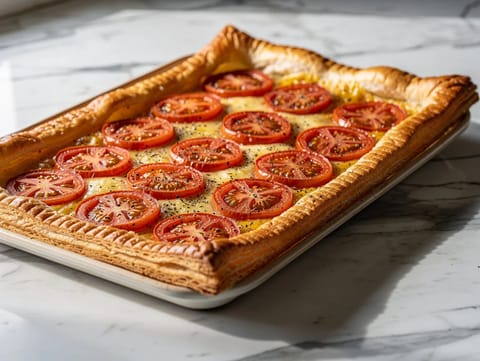
Puff pastry tart with Dijon mustard, tomatoes and Gruyère
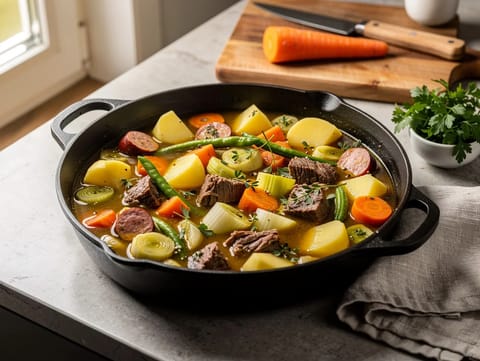
German one-pot stew with smoked sausage, beans and potatoes

Dense Breton butter cake with vanilla and egg yolks
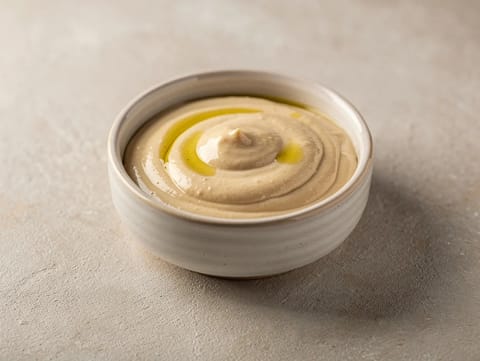
Smooth tahini sauce with lemon, garlic and water
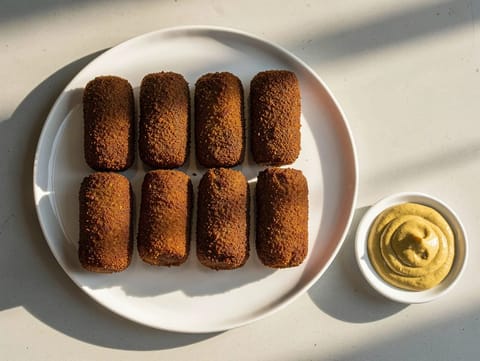
Dutch beef ragout croquettes with a crisp breadcrumb coating
Start with the finish you want. If you’re after crunch and deep browning, look towards high-heat, dry-air techniques (air fry, roast, grill) or oil-based frying (pan fry, deep fry). If you want something spoonable and cohesive, methods that build liquid and time into the process (simmer, braise, slow cook, pressure cook) are a better match.
Then consider your workflow. One-pot and sheet-pan approaches are often about sequencing: aromatics first, then longer-cooking ingredients, with quick-cooking items added later so nothing turns mushy. No-cook, chill, freeze and set are useful when the texture comes from mixing, whipping, soaking or setting rather than heat, which changes what “done” looks like.
Finally, match the method to your tolerance for active cooking. Grilling and frying reward close attention; slow cooking and roasting usually reward good prep and then patience.
Crowding is the quiet saboteur of many methods. In a pan, too much food drops the temperature and encourages steaming; on a tray, it slows evaporation and softens edges. Another frequent issue is confusing “covered” with “hands-off”: lids and foil trap moisture, which is useful for tenderness but works against crispness.
With high-heat methods, colour is a better guide than the clock. Pale food often needs more heat exposure, not necessarily more time at a low temperature. With moist-heat methods, vigorous boiling can toughen delicate items and break up ingredients that are meant to stay intact; a steady simmer is often the point.
Cooking method becomes much easier to choose when you also consider cooking time and equipment. Time helps you separate quick, high-heat techniques from slower, collagen-softening ones, and it sets realistic expectations for prep versus waiting. Equipment matters because the same method behaves differently in a fan oven, on a grill, or in a pressure cooker, and some recipes are written to suit a specific tool.
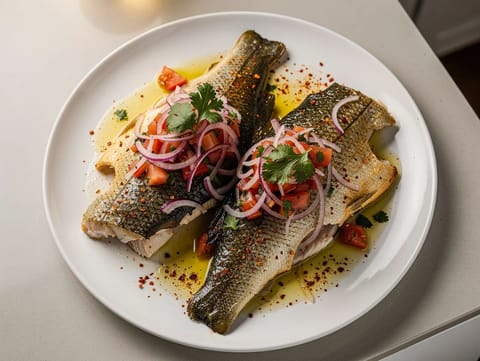
Griddled trout topped with salsa criolla, lime and coriander
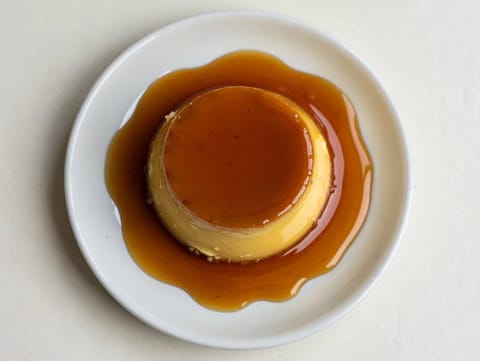
Baked orange caramel flan turned out with its caramel sauce
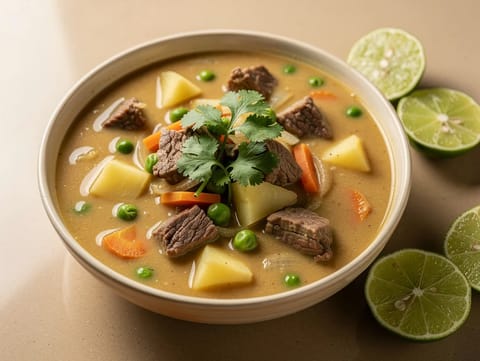
Bolivian peanut soup with beef and potatoes
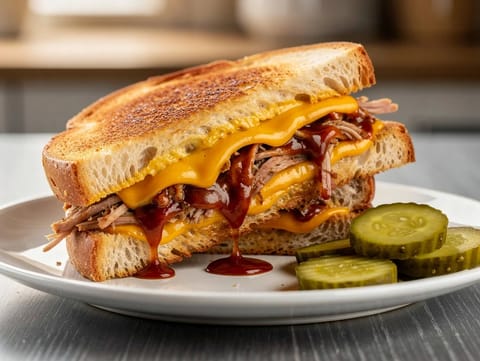
Pulled pork grilled cheese with cheddar and pickles
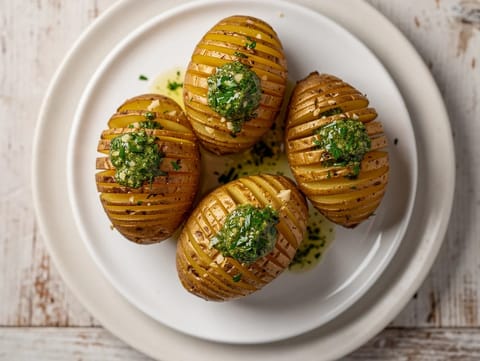
Crisp hasselback potatoes with garlic and parsley butter
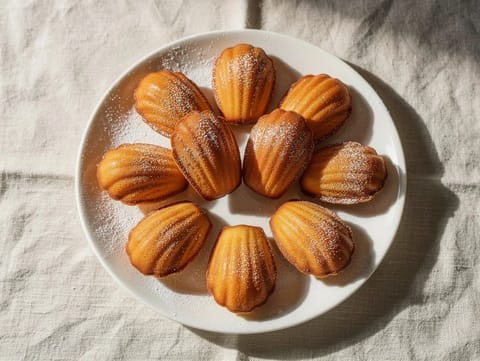
French shell cakes with lemon zest, vanilla and icing sugar
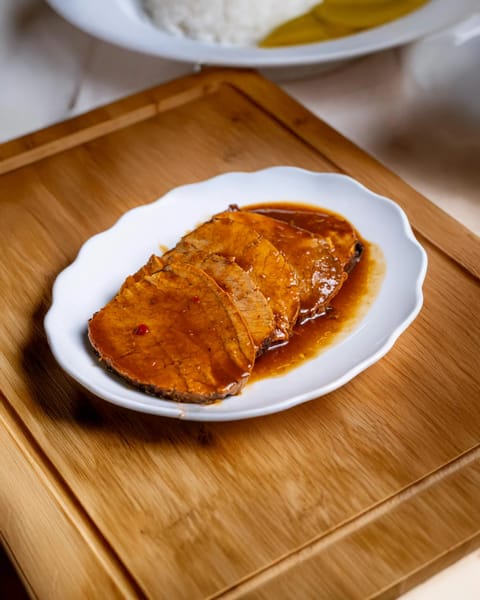
German pot roast with tangy gravy thickened with gingersnaps
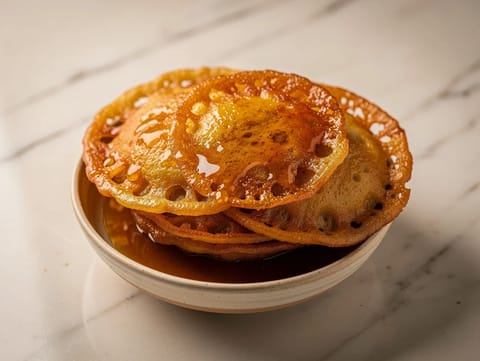
Fried pancakes dipped in cardamom syrup
It’s both a workflow and a method label. It usually signals that the dish is cooked in a single vessel with staged additions, so you get layered flavour without multiple pans. The key variable is how the recipe manages moisture: some one-pot dishes aim for a dry finish, others for a saucy one.
They overlap because both use dry heat in the oven. Roasting often implies higher heat and a focus on browning and caramelisation (commonly with vegetables or meats), while baking is frequently used for batters, doughs and set mixtures where structure matters as much as colour. Recipes will vary in how they use the terms.
Sautéing typically uses a small amount of fat and relatively quick movement to cook smaller pieces evenly, aiming for light browning without a heavy crust. Pan frying usually uses more fat and less movement, encouraging a deeper, more even crust on larger pieces.
Choose braising when you want both browning and tenderness: you usually sear first, then cook covered with some liquid so the food softens while the sauce gains depth. Simmering is more purely moist heat, better when you want a cleaner broth or when browning is not part of the goal.
Not necessarily. Grilling describes intense radiant heat from above or below. That can be an outdoor barbecue, an indoor grill pan, or an oven grill (broiler). The heat source changes how quickly food browns and how much smoke flavour you’ll get.
They can overlap, but they’re not identical. No-cook means the recipe doesn’t rely on heat; it may still use cooked ingredients (such as tinned beans or cooked grains). Raw usually implies ingredients are used uncooked, which makes freshness, knife work and safe sourcing more central to the method.
If you know the texture you want, you’re already most of the way to the right method. Use dry heat for browning and crisp edges, moist heat for tenderness and broths, and hybrid methods like braising when you want both. From there, let your available time and equipment narrow the choice.
