
Turrón de Cacahuate (Mexican Peanut Nougat)
Mexican peanut nougat pressed into a tin, then set and sliced

Freeze-and-set recipes use the freezer to firm a mixture into a stable texture, often without baking. The method is common in desserts and chilled treats, but it can also apply to components you want to portion neatly, such as layered bars or set fillings.
The key decision is whether you want a scoopable freeze, a sliceable set, or a briefly frozen chill. Each behaves differently once it comes back to room temperature.
Freezing changes texture by turning water into ice and firming fats. In freeze-and-set recipes, that change is the point: you are using cold to create structure, not simply to store leftovers. Some mixtures set hard and slice cleanly; others are designed to stay pliable so you can scoop or bite without needing a long thaw.
This method is different from chilling in the fridge, which firms and thickens without forming ice crystals. It is also different from churned ice cream, where agitation controls crystal size. Here, the recipe’s ingredient balance does most of the work.
Mexican peanut nougat pressed into a tin, then set and sliced
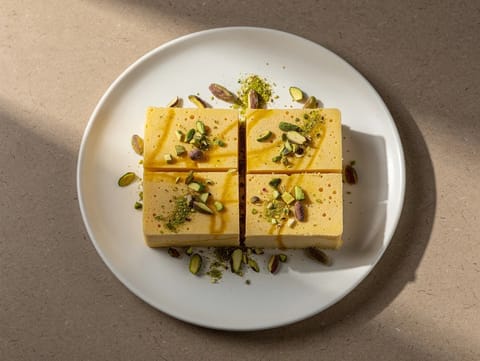
Dense mango kulfi with reduced milk and cardamom
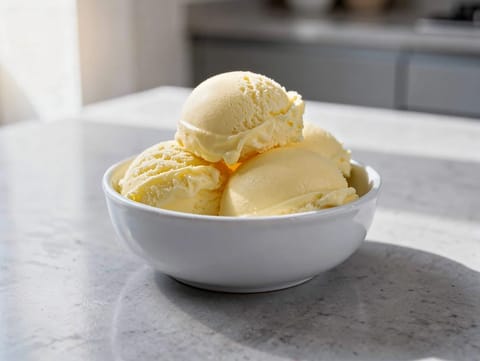
Italian lemon gelato made with fresh zest and juice
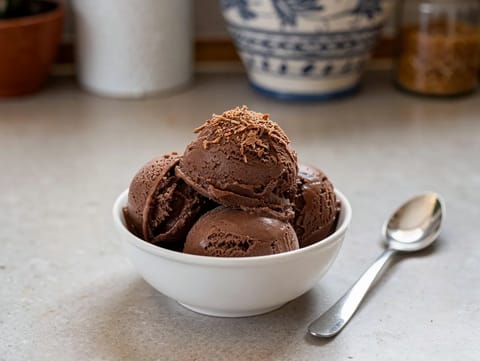
Dense dark chocolate gelato made with milk and double cream
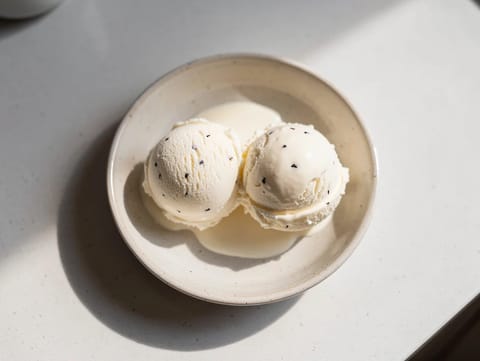
Custard-based vanilla bean ice cream with a smooth, rich texture
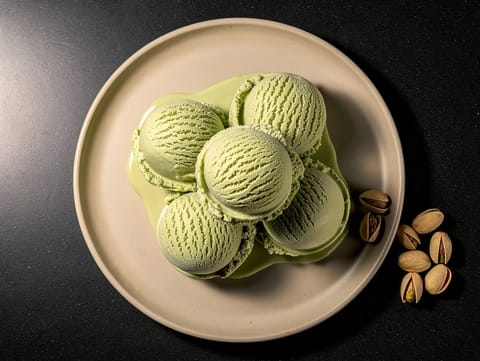
Smooth Sicilian-style pistachio gelato
For neat slices, look for recipes that include ingredients that firm when cold, such as chocolate, nut butters, coconut fat or a cooked syrup that sets as it cools. These tend to hold their shape for longer once plated.
For scoopable or spoonable results, mixtures usually contain more sugar or fat and less free water, which keeps them softer straight from the freezer. If you want a quick, cold finish rather than a fully frozen one, choose recipes that specify a short freeze followed by fridge time. That approach can give you clean edges without the brittleness of a deep freeze.
Italian lemon gelato made with fresh zest and juice
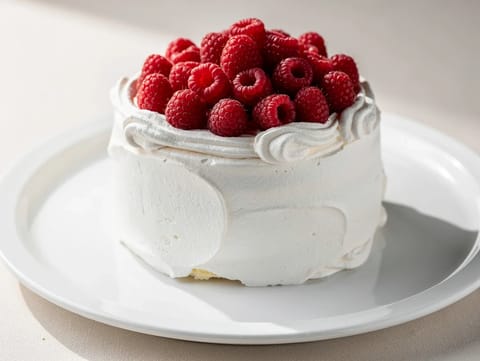
Frozen dessert of meringue, vanilla ice cream and raspberries
Dense mango kulfi with reduced milk and cardamom
Smooth Sicilian-style pistachio gelato
Dense dark chocolate gelato made with milk and double cream
Custard-based vanilla bean ice cream with a smooth, rich texture

Italian lemon and basil sorbet churned smooth and frozen

Mango and lime ice lollies with a pinch of chilli
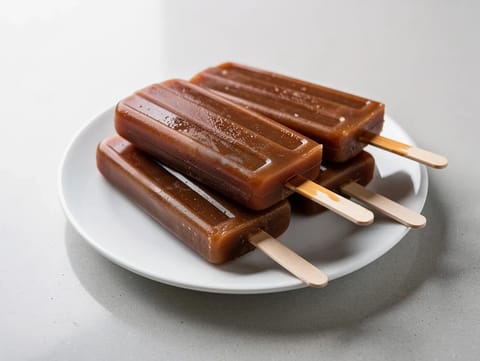
Tamarind and chilli ice lollies with lime
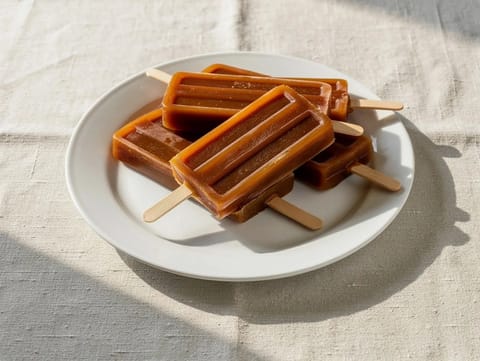
Tangy tamarind paletas with chilli and lime
Indian ice cream flavoured with saffron and cardamom, studded with pistachios
Italian pistachio semifreddo made with whipped cream, frozen until sliceable
A shallow tin freezes faster and more evenly than a deep container, which helps avoid a hard rim with a soft centre. Lining a tin with parchment is useful for lift-out bars and slices, especially when the mixture is sticky.
If you do not have a dedicated tin, a loaf tin or a square storage container can work, but pay attention to corners, which freeze first and can become very firm. For moulded desserts, silicone moulds release easily when frozen, while rigid moulds may need a brief warm-up at the outside to unmould cleanly.
Freeze-and-set dishes often change quickly once they leave the freezer. A few minutes at room temperature can be the difference between a knife that skates and a clean slice. If a recipe is meant to be eaten semi-frozen, portioning before freezing can make serving simpler.
Flavour can feel muted when very cold, so recipes often lean on salt, acidity, coffee, cocoa or toasted nuts to keep the taste clear. If you are adding toppings, consider when they go on: some stay crisp only if added just before serving, while others are designed to freeze into the surface.
Freeze-and-set cooking is mostly about planning and kit. Cooking time helps you spot recipes that need a long freeze versus those that set quickly. Equipment is also a practical companion, since tins, moulds and even the depth of your container affect how evenly a mixture freezes and how easily it releases.
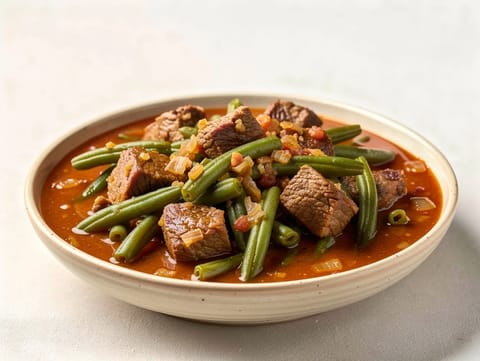
Lamb and green bean stew simmered in a tomato sauce
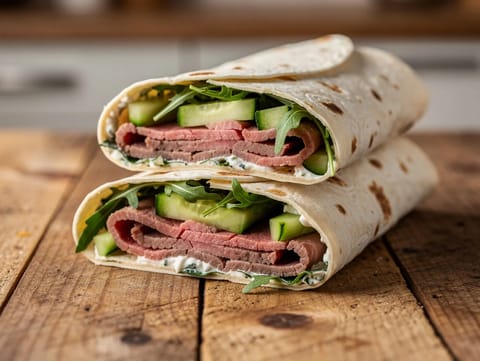
Roast beef wrap with horseradish yoghurt, rocket and cucumber
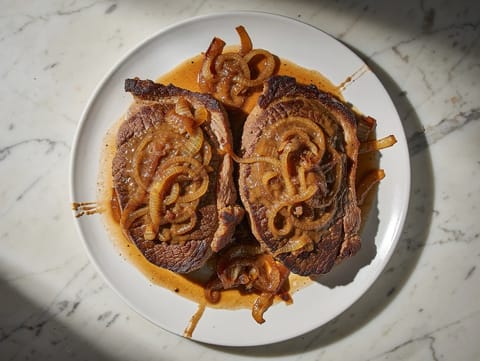
Pan-seared beef steaks with rich onion gravy
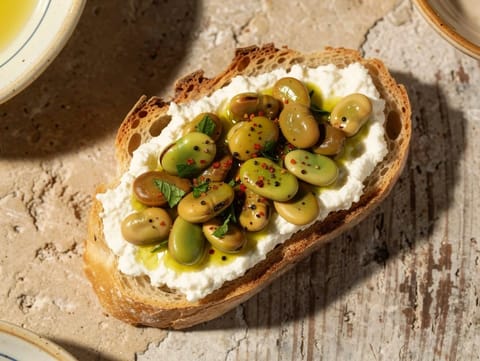
Toasted crostini with ricotta, broad beans, mint and lemon

Rolled pork belly roasted with garlic, rosemary and fennel
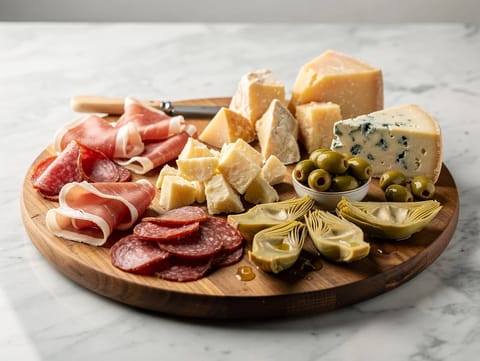
Italian board with salami, prosciutto, cheeses, olives and artichokes
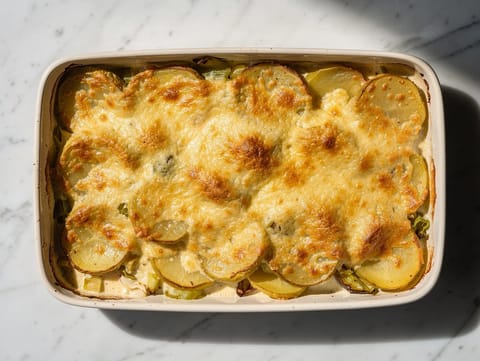
Potato and leek gratin with cream, garlic and Gruyère
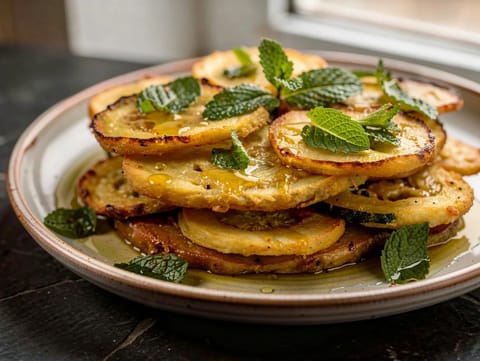
Fried courgettes dressed with mint, garlic and vinegar
Ice crystals form when there is a lot of free water in the mixture. Recipes that stay creamy usually rely on sugar, fat and sometimes alcohol or syrups to keep the texture softer and reduce iciness.
It depends on the intended texture. Some are designed to be eaten straight from the freezer, while others slice better after a short stand at room temperature or a move to the fridge.
Sometimes, but it can change the texture. A brief freeze can help firm a soft set, but leaving it too long may create icy edges or make it brittle.
They were likely too cold. Letting them sit briefly at room temperature, using a warm knife, or cutting before fully frozen can help, depending on the recipe.
Ingredients that firm when cold, plus the right balance of liquid. Chocolate, fats and concentrated syrups tend to set more cleanly than mixtures with lots of watery fruit or juice.
With freeze-and-set recipes, the freezer is the setting tool. Choose the texture you want to serve, freeze in a shape that firms evenly, and plan a short window for slicing or scooping when the temperature is just right.
