
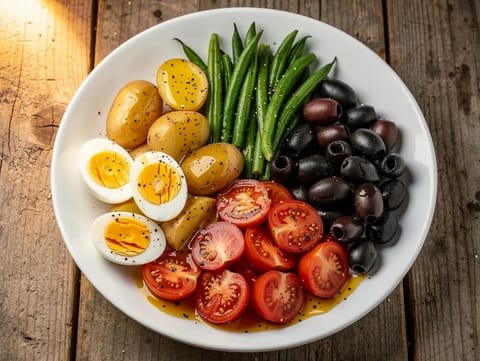
Salade Niçoise Végétarienne (Vegetarian Niçoise-Style Salad)
Niçoise-style salad with potatoes, eggs, tomatoes and olives
French cooking is often easiest to choose by structure: a sauce, a pastry, a slow braise, or a simple plate built around excellent ingredients. Many French dishes rely on a few repeatable techniques, such as reducing liquids for depth, emulsifying butter into a pan sauce, or using gentle heat to keep eggs and custards smooth.
If you are deciding what to cook, it helps to think in courses. French meals commonly balance something crisp or acidic with something rich, and finish with a clean, not-too-sweet dessert or fruit.
When a recipe is labelled French, it may point to a regional dish, a classic restaurant style, or a home-cooking staple. A useful first question is whether the dish is sauce-led or ingredient-led. Sauce-led cooking includes pan sauces for steak or chicken, creamy gratins, and long-simmered stews where the cooking liquid becomes part of the final texture. Ingredient-led dishes are often simpler: a salad with a sharp dressing, a roast with good seasoning, or vegetables cooked just enough to keep their character. This distinction helps you predict both the workflow and the finishing touches, such as whether you will need to whisk, reduce, strain, or simply rest and carve.
Niçoise-style salad with potatoes, eggs, tomatoes and olives
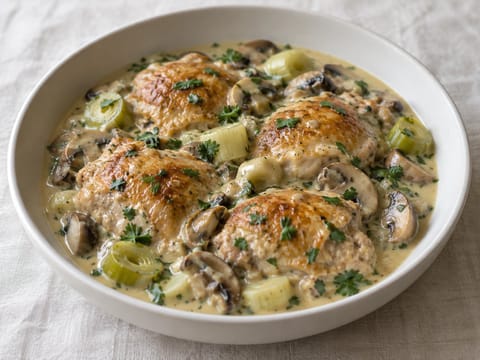
Chicken fricassée with mushrooms in a white wine cream sauce
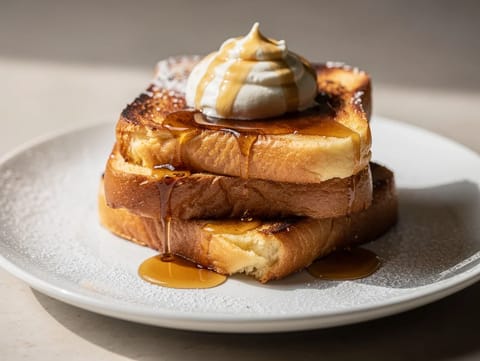
Custard-soaked brioche French toast with crème fraîche and maple syrup
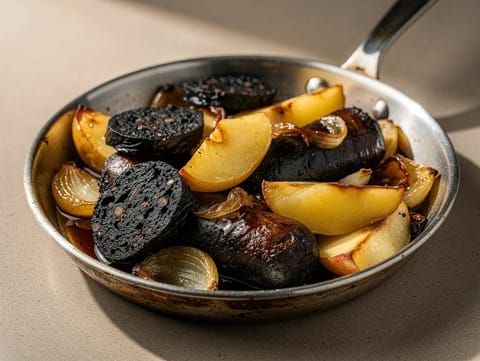
Pan-fried blood sausage served with buttery sautéed apples
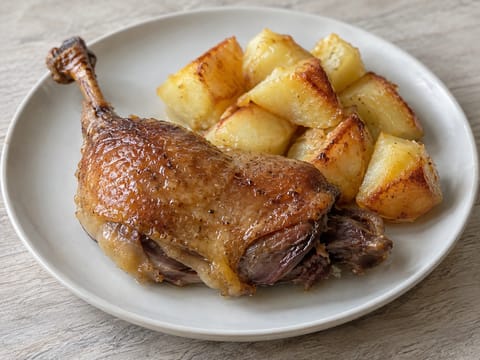
Duck leg confit with garlic, thyme and crisp skin
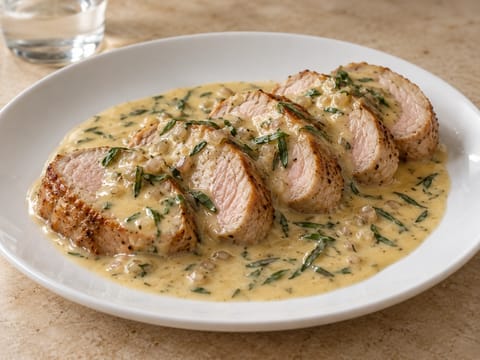
Seared pork tenderloin with Dijon and tarragon cream sauce
French food culture is frequently described through the places it is eaten. Bistro-style dishes tend to be straightforward and hearty, such as steak with peppercorn sauce, onion soup, or a lentil salad with mustardy dressing. Brasserie cooking often leans towards seafood platters, roast chicken, and dishes served with chips or a green salad. Home cooking can be quieter: vegetable soups, simple omelettes, braised leeks, or a pot of beans. Regional identity matters too, but it is rarely one-note. Coastal areas naturally favour fish and shellfish; inland regions often lean on dairy, charcuterie and slow-cooked meats. Seeing a dish in this context helps you anticipate portioning, side dishes, and how rich the overall meal may feel.
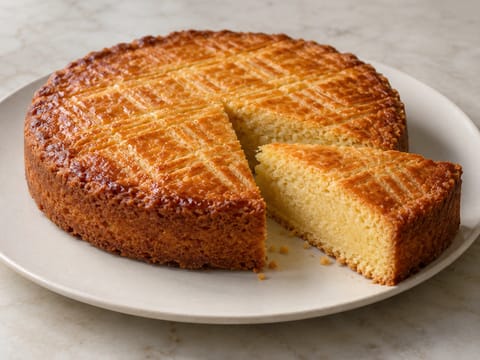
Dense Breton butter cake with vanilla and egg yolks
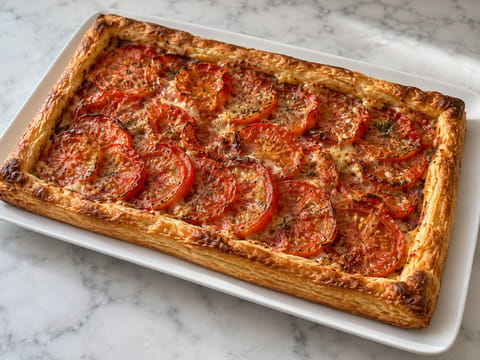
Puff pastry tart with Dijon mustard, tomatoes and Gruyère
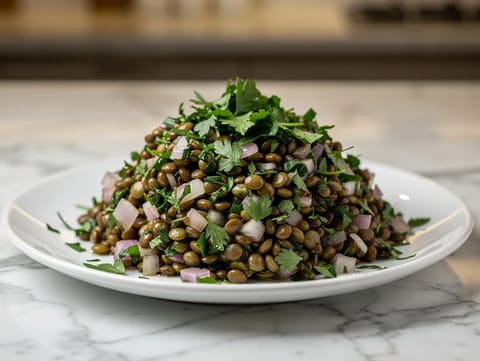
Warm French lentil salad with mustard dressing, shallot and parsley
Chicken fricassée with mushrooms in a white wine cream sauce
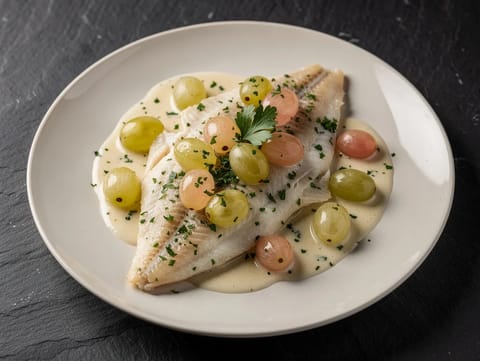
Poached sole with grapes in a white wine cream sauce
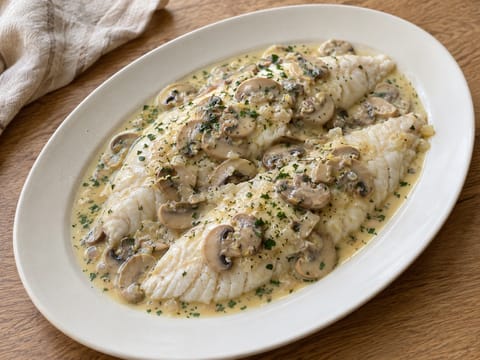
Sole fillets cooked with mushrooms, shallots and white wine
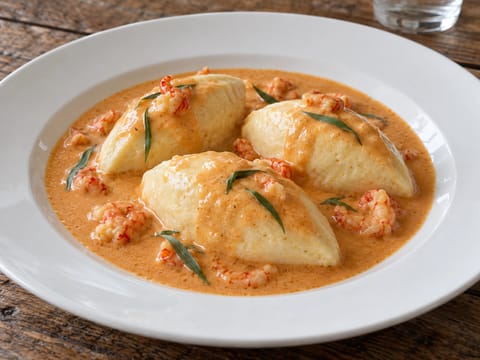
Poached pike dumplings served with creamy crayfish Sauce Nantua
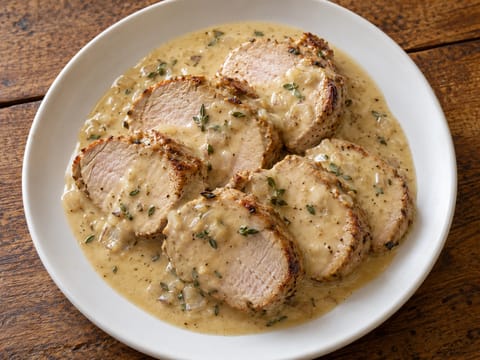
Pan-seared pork with a quick Dijon mustard sauce
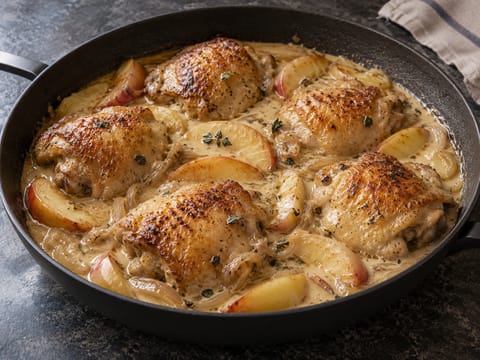
Chicken with Calvados, apples and double cream sauce
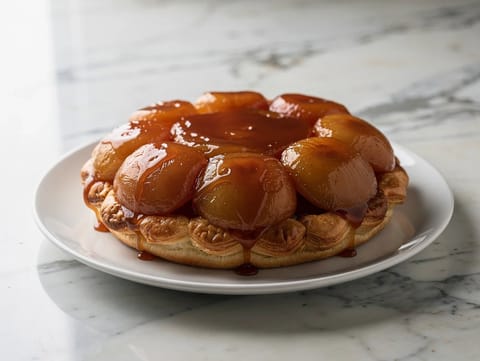
Upside-down caramelised apple tart with puff pastry
Custard-soaked brioche French toast with crème fraîche and maple syrup
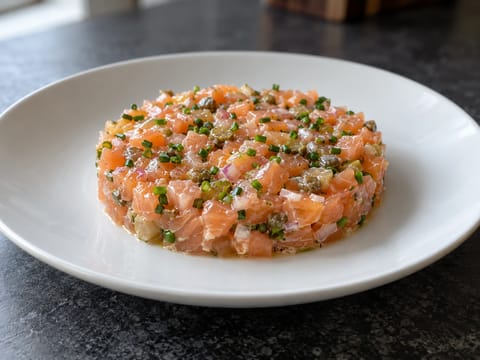
French-style salmon tartare with capers, Dijon and lemon
A lot of French flavour comes from controlled browning and careful finishing. Searing meat or mushrooms builds a dark fond on the pan; deglazing with wine, stock or water lifts that flavour into a sauce. Reduction concentrates both savoury notes and acidity, so seasoning often happens in stages rather than all at once. Butter is commonly used not only for richness but for texture, whisked in at the end to make a sauce glossy and cohesive. Gentle heat matters in egg dishes and custards: too hot and they split or curdle, low and steady and they stay silky. For pastry, temperature control is the quiet skill, keeping butter cold for flake in laminated doughs, or warm enough to cream smoothly for cakes and biscuits.
French recipes often fall into recognisable families. There are soups and broths, from clear consommé-style bowls to thick, blended vegetable soups. There are braises and stews, such as beef cooked with wine, aromatics and herbs until spoon-tender. There are gratins and baked dishes where a creamy base and browned top are the point. There are also lighter plates: salads with mustard vinaigrette, fish with lemon and herbs, or vegetables dressed with butter and parsley. Baking is its own world, from choux pastry and custard tarts to buttery cakes and biscuits. If you want a meal that feels distinctly French without being complicated, look for dishes where one strong element, a sauce, a dressing, or a pastry cream, does most of the work.
French cooking becomes much easier to choose when you decide whether you want a stew, a tart, a salad, or a sauce-led main. Browsing by Dish helps you land on the format first. Browsing by Cooking method is useful when you want a specific technique, such as braising, roasting or baking, and then see French variations of it.
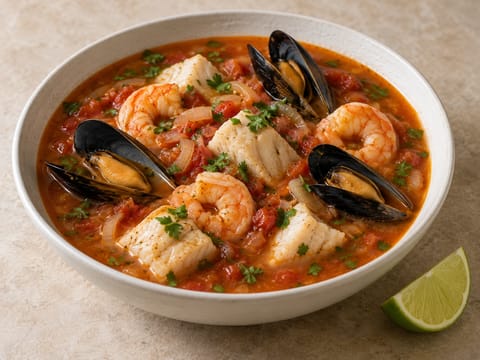
Seafood soup with tomato, chilli, lime and coriander
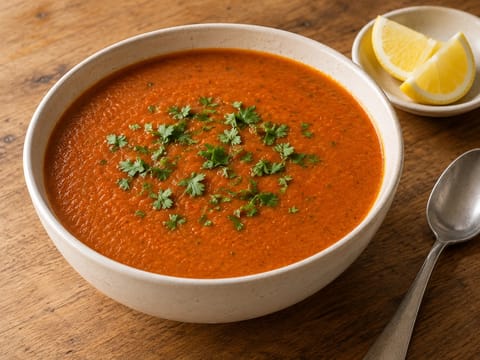
Smooth tomato and chickpea soup with Moroccan spices
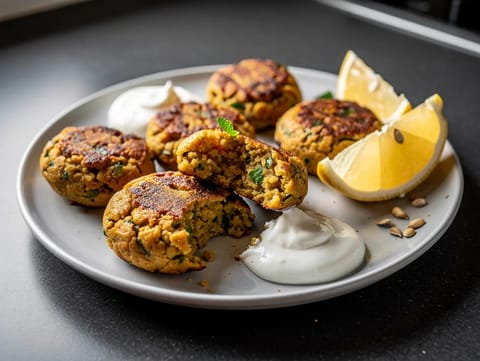
Greek chickpea fritters with herbs, fried until crisp
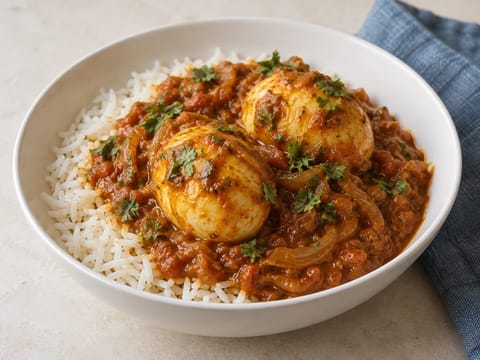
Boiled eggs simmered in spiced tomato and onion gravy
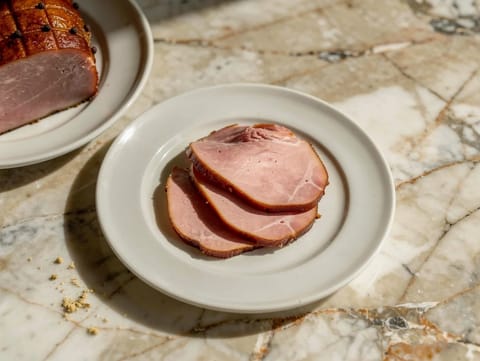
Baked ham finished with a brown sugar and Dijon glaze

Dutch mash of potatoes, carrots and onions served with sausage
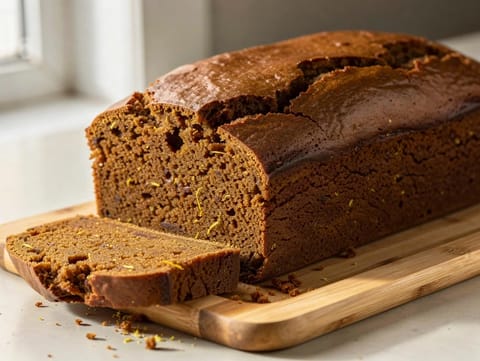
French honey and rye gingerbread loaf with warming spices
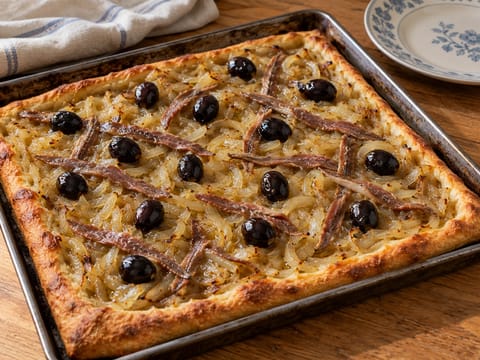
Niçoise onion tart topped with anchovies and black olives
Not necessarily. Some French dishes are built on butter, cream and cheese, but many are driven by acidity and freshness, such as salads with vinaigrette, fish with lemon, or vegetable dishes finished with herbs.
Often it is the sequence: sear to build fond, deglaze, reduce to concentrate, then finish with butter for a smooth, glossy texture. The exact liquid and flavourings vary widely.
No. French meal structure can be multi-course, but plenty of everyday dishes stand alone. Thinking in courses is simply a helpful way to balance richness, acidity and portion size.
Wine is common in braises and sauces, but it is not universal. Many dishes rely on stock, water, vinegar, citrus, or simply good browning and herbs for depth.
Emulsified sauces can break if they get too hot, if the fat is added too quickly, or if the liquid reduces too far. Gentle heat and adding butter off the boil often helps keep them cohesive.
If you want something immediately recognisable, start with a bistro-style plate or a simple roast with a sharp dressing on the side. If you are cooking to learn, pick one technique, a reduction, a custard, or a pastry dough, and let that guide your choice.
