
Confit de Canard (Slow-Cooked Duck Leg Confit)
Why this recipe works
- Classic confit method: A short salt cure seasons the duck before it cooks gently in fat, giving the meat its characteristic tenderness and rich flavour.
- Crisp skin, tender meat: Slow cooking keeps the duck succulent, while a final pan-crisping step turns the skin deep golden and crisp.
- Built for making ahead: The cooked legs can be cooled and stored under their fat, then reheated and crisped just before serving.
Get the most out of this recipe
Timing notes
- Allow time for curing: The duck needs 12 to 24 hours in the salt, garlic and herbs before cooking, so plan to start the recipe the day before serving.
- Crisp just before serving: For the best contrast between crackling skin and tender meat, crisp the duck legs shortly before they go to the table.
Texture tips
- Keep the fat gentle: The duck fat should stay at a bare simmer during the oven cook; vigorous bubbling can make the meat dry rather than silky.
- Dry the surface before crisping: Let excess fat drip from the duck legs before they go into the pan so the skin fries cleanly instead of steaming.
Make-ahead tips
- Cook ahead: Cool the cooked duck legs completely in their fat, then store them submerged in an airtight container until needed.
- Reheat before crisping: Warm the duck through in a 160°C (320°F) oven until piping hot, then finish skin-side down in a hot pan.
- Freezer-friendly: The cooked confit can be frozen after cooling, ideally stored with enough duck fat to protect the meat from drying out.
Authenticity notes
- Traditional preservation roots: Confit is a classic French technique in which salted meat is cooked slowly in fat; here it is used to give duck legs their signature richness and tenderness.
- Classic accompaniments: Potatoes cooked with a little duck fat and a simple green salad are natural pairings, balancing the richness of the duck.
Equipment you'll need
Ingredients
Duck confit
Potatoes
Instructions
- Crush the black peppercorns with a mortar and pestle. Peel and lightly crush the garlic cloves. Pat the duck legs dry.
- Rub the duck legs all over with the coarse sea salt and crushed peppercorns, then tuck the garlic, thyme and bay leaves around them. Cover and chill for 12 to 24 hours to lightly cure.
- Heat the oven to 120°C (250°F). Brush off excess salt and aromatics from the duck, then arrange the legs snugly in a dutch oven. Melt the duck fat gently and pour over so the legs are fully submerged.
- Cook, uncovered, for 2 hours 30 minutes to 3 hours, until the meat is very tender and a skewer slides in easily near the joint. Keep the fat at a bare simmer; it should not bubble vigorously. Remove from the oven and let the legs cool in the fat for 20 minutes.
- While the duck cools, peel the potatoes and cut into chunky pieces. Simmer in salted water for 12 to 15 minutes until just tender, then drain well. Return to the pan for 1 minute over low heat to steam-dry.
- Lift the duck legs from the fat and let excess drip off; discard the thyme and bay leaves clinging to the skin. Heat a large frying pan over medium heat and place the legs skin-side down. Cook for 6 to 10 minutes until the skin is deep golden and crisp, then turn for 1 to 2 minutes to warm through.
- Spoon 3 to 4 tablespoons of the duck fat into the potato pan and toss the potatoes over medium-high heat until lightly crisped at the edges, 5 to 7 minutes. Taste and season with a pinch more coarse sea salt if needed. Serve the confit with the potatoes.
Recipe notes
Serving suggestions
This recipe pairs well with:
Tips
- For the cleanest flavour, keep the duck fat at a very gentle simmer during cooking; vigorous bubbling can dry the meat.
- If serving vulnerable groups, ensure the duck is cooked until the meat is fully tender and piping hot when reheated.
Substitutions
- Replace Fresh thyme with 1 tsp dried thyme, rubbing it into the duck with the salt.
- Replace Black peppercorns with 1 tsp ground black pepper, mixed into the salt before rubbing.
Storage
- Refrigerate up to 4 days
- Cool the duck legs completely, then store submerged in duck fat in an airtight container. Reheat in a 160°C (320°F) oven until piping hot, then crisp the skin in a hot pan.
Ratings & reviews
Liked this recipe? Share your feedback to support our cooking community.
Tried this recipe?
Choose 1–5 stars. A comment is optional.
Stay inspired
Discover new recipes, seasonal favourites and cooking inspiration every day. Follow JustRecipes on Pinterest and Spillt.
Recipe overview
- Servings: 4 servings
- Total time: 4h 20min (35min active)
- Difficulty: Medium
- Cuisine: French
Plan your meals and get a complete grocery list automatically.
Add to meal plannerEquipment you'll need
Got ingredients left?
Find recipes using ingredients from this recipe or what you already have at home.
Find recipes with these ingredients →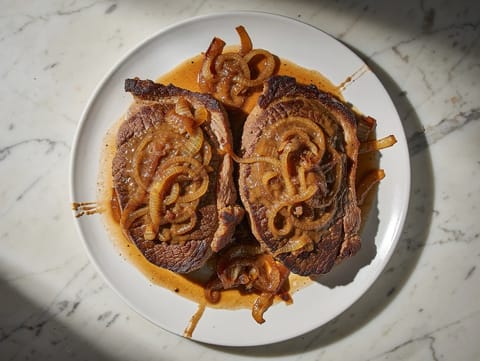
Badischer Zwiebelrostbraten (Baden-Style Beef Steaks with Onion Gravy)
Pan-seared beef steaks with rich onion gravy
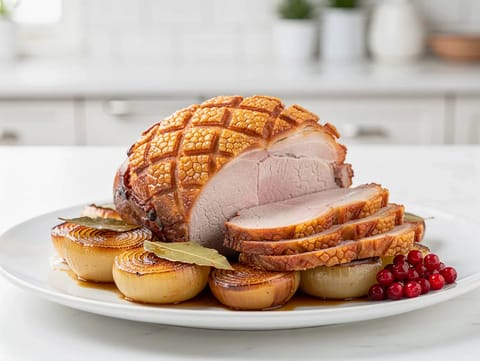
Christmas Pork Roast (Nordic Roast Pork with Crisp Crackling)
Nordic pork roast with crisp crackling and bay leaves
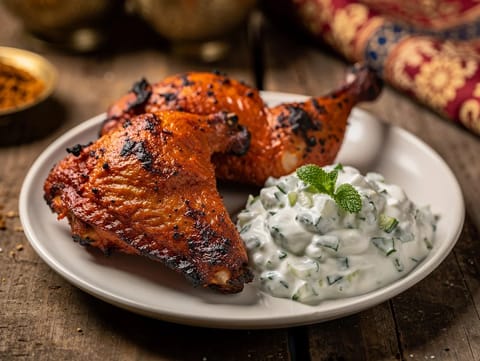
Tandoori Chicken with Raita
Roasted tandoori chicken with cucumber and mint raita
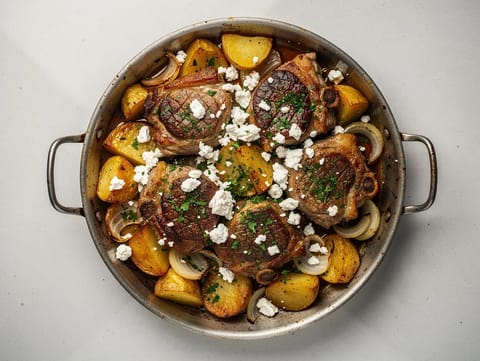
Kleftiko (Slow-Baked Lamb in Parchment with Potatoes)
Slow-baked lamb in parchment with potatoes, lemon and oregano
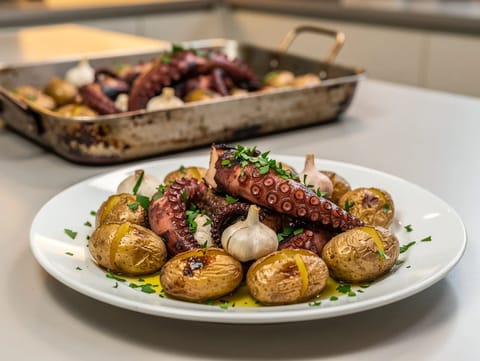
Polvo à Lagareiro (Roasted Octopus with Potatoes and Garlic)
Roasted octopus with potatoes, garlic, bay and olive oil
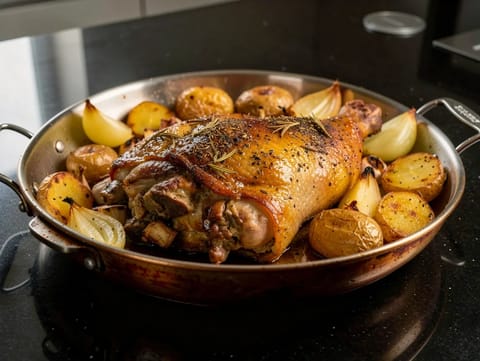
Kleftiko (Greek Slow-Roasted Lamb with Potatoes and Onion)
Greek slow-roasted lamb with lemon, oregano and potatoes
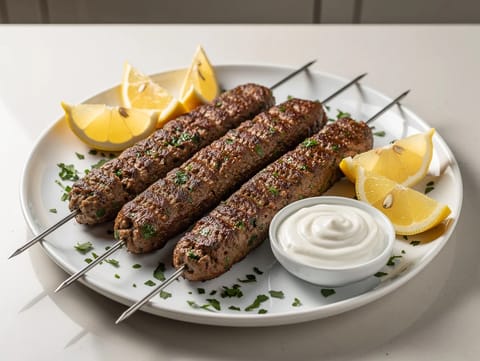
Air Fryer Kebab Skewers
Spiced lamb kebab skewers cooked until browned in the air fryer.
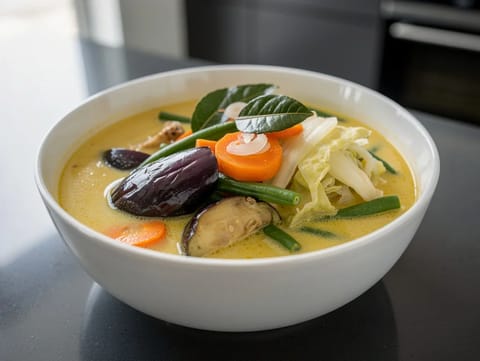
Sayur Lodeh (Vegetable Coconut Milk Stew)
Vegetable coconut milk stew (sayur lodeh)
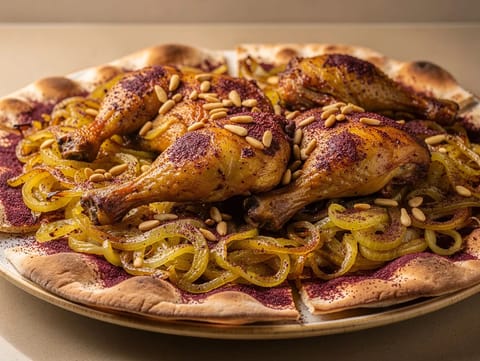
Palestinian Musakhan (Roasted Chicken with Sumac and Onions)
Roast chicken on flatbread with sumac onions and pine nuts

Air Fryer Sesame Tofu
Crispy air-fried tofu in a sesame soy glaze.

Bubble and Squeak Cakes with Poached Eggs
Fried potato and cabbage cakes topped with poached eggs

Air Fryer Homemade Chicken Nuggets
Crisp air fryer chicken nuggets with seasoned breadcrumbs.
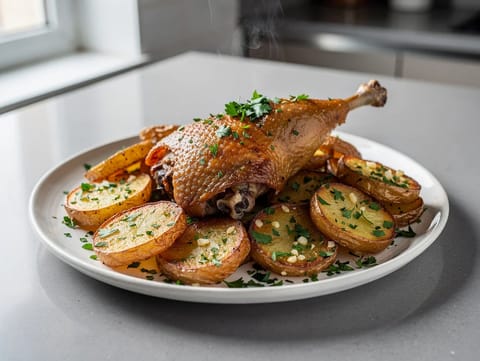
Duck Confit with Sarladaise Potatoes
Crisp duck confit with duck fat potatoes, garlic and parsley
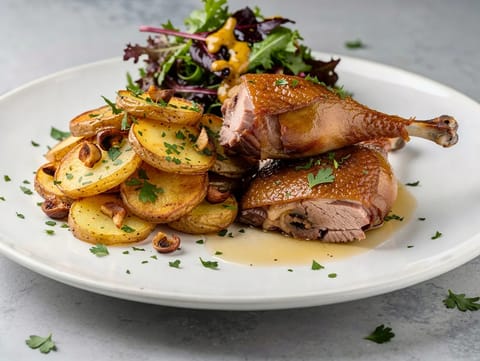
Duck Confit with Sarladaise Potatoes
Duck confit with garlic and parsley Sarladaise potatoes
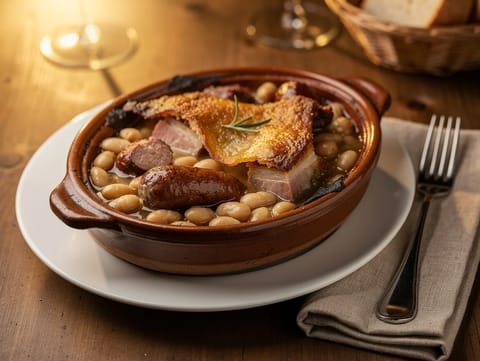
Cassoulet Toulousain (White Bean and Meat Casserole)
Slow-baked cassoulet with white beans, duck confit and sausages
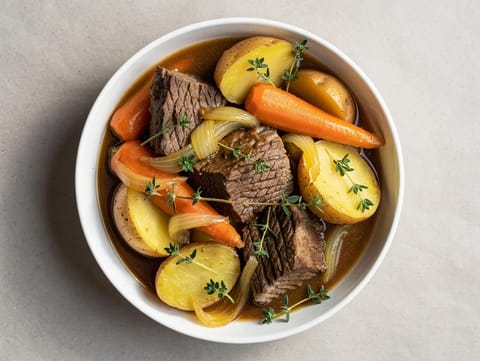
Beef Pot Roast with Carrots and Potatoes
Slow-braised beef pot roast with carrots and potatoes
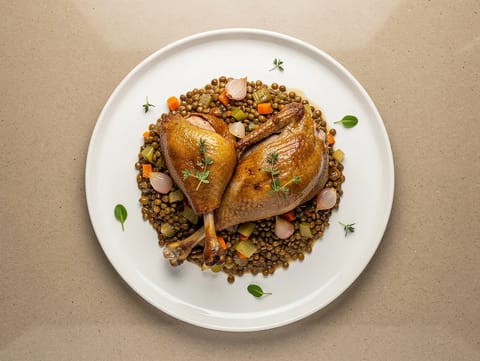
Confit de Canard avec Lentilles du Puy (Duck Confit with Puy Lentils)
Tender duck legs served over braised puy lentils

Cassoulet (French Bean and Sausage Stew)
Slow-cooked bean stew with pork sausages, pancetta and breadcrumbs
You might also like
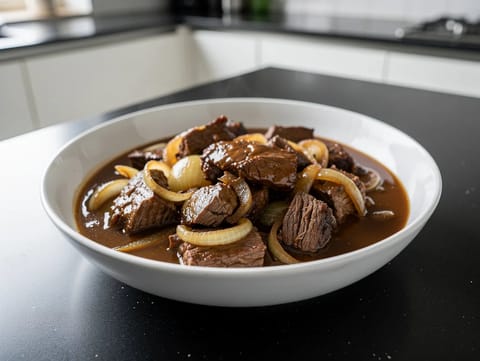
Sudderlappen met Jus (Dutch Slow-Cooked Beef with Gravy)
Dutch slow-cooked beef served with glossy gravy
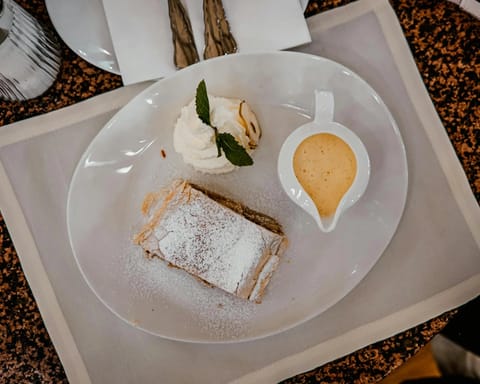
Apfelstrudel (Apple Strudel with Cinnamon, Raisins and Lemon)
Thin pastry strudel filled with cinnamon apples, raisins and lemon
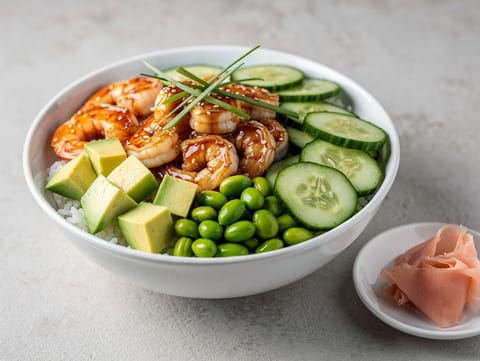
Shrimp Poke Bowl
Shrimp poke bowl with sushi rice, avocado and edamame.
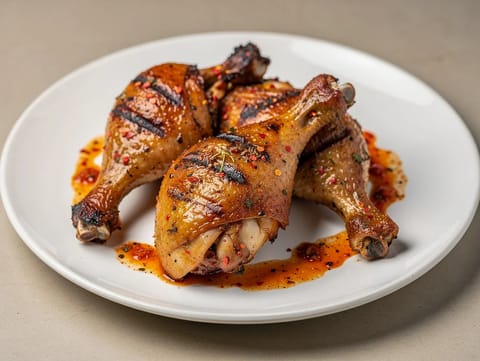
Frango de Churrasco Caseiro (Portuguese Grilled Chicken)
Portuguese grilled chicken marinated with piri-piri, garlic and lemon

Poppy Seed Pancakes with Lemon and Greek Yoghurt
Fluffy lemon poppy seed pancakes with Greek yoghurt and honey

Air Fryer Vanilla Cake
Air fryer vanilla sponge cake with simple vanilla buttercream.
Make this recipe easier next time
AdvertisementThese tools help you get better results with less effort.
Misen Carbon Steel Nonstick Frying Pan 12 Inch
- Works on all stovetops
- Naturally nonstick when seasoned
- Requires seasoning and maintenance
T-fal Ultimate Hard Anodized Nonstick Fry Pan 12 Inch
- Excellent price-performance
- Thermo-Spot heat indicator
- Not induction compatible
All-Clad HA1 Hard Anodized Nonstick Fry Pan 12 Inch
- Top-tier build quality
- Excellent heat distribution
- Expensive
Enjoy cooking with JustRecipes?
Add JustRecipes as one of your preferred Google sources to discover our recipes more easily across Google Search.
Add JustRecipes to GoogleEvery recipe on JustRecipes follows the same structured editorial process. Learn how recipes are created, validated, translated, illustrated, and continuously improved across the platform. How we create recipes.
