
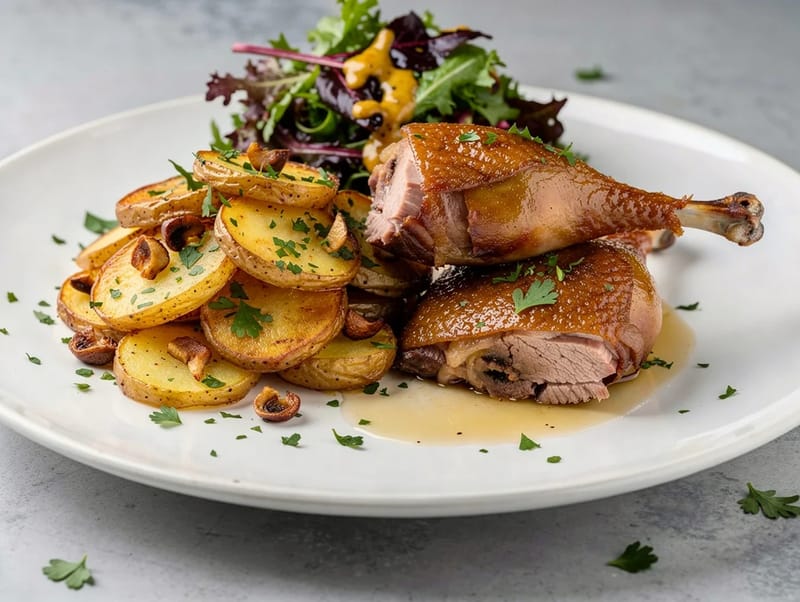
Duck Confit with Sarladaise Potatoes
Why this recipe works
- Classic confit method: Gentle cooking in duck fat keeps the legs moist and tender before a final pan-crisp gives the skin its signature finish.
- Crisp, golden potatoes: Drying the potato slices well and frying them in a single layer helps them brown rather than steam.
- Richness in balance: A mustard and red wine vinegar dressing brings acidity that offsets the duck fat and keeps the plate from feeling heavy.
Get the most out of this recipe
Authenticity notes
- South-western French style: Duck confit with Sarladaise potatoes is strongly associated with south-western French cooking, where duck fat is used for both preserving and frying.
- Traditional pairing: Garlic and parsley potatoes are a natural partner for confit because they echo the savoury richness while adding freshness.
Texture tips
- Keep the potatoes dry: After rinsing the sliced potatoes, drain and dry them thoroughly so they fry cleanly and develop colour.
- Crisp the duck skin last: Crisping the duck just before serving preserves the contrast between tender meat and deeply golden skin.
Make-ahead tips
- Cook the duck in advance: The duck legs can be confited ahead, cooled in their fat, then reheated and crisped when ready to serve.
- Store separately: Keep the duck, potatoes and salad greens separate in the fridge so the potatoes can be revived in a hot pan and the salad stays fresh.
- Reheat for crisp skin: Reheat duck legs in a 200°C (390°F) oven until piping hot, then crisp the skin if needed.
Common mistakes
- Overcrowding the potatoes: Fry the potatoes in batches if necessary; a crowded pan traps steam and prevents proper browning.
- Rushing the confit: The duck is ready when a skewer slides in with little resistance, not simply when the timer finishes.
- Dressing the salad too early: Toss the greens just before serving so the acidity stays bright and the leaves do not wilt.
Equipment you'll need
Ingredients
Duck confit and potatoes
Salad
Instructions
- Heat the oven to 150°C (300°F). Pat the duck legs dry, then season all over with the fine sea salt and black pepper.
- Put the duck legs in a dutch oven in a snug single layer and add the duck fat. Warm gently on the hob just until the fat melts, then cover and transfer to the oven.
- Cook for 2 hours, or until the duck is meltingly tender and a skewer slides in with little resistance. Keep the pot covered so the duck stays submerged in fat.
- Meanwhile, peel the potatoes and cut into 1.5 to 2 cm slices. Rinse briefly in cold water, then drain well in a colander and pat dry so they fry rather than steam.
- Lift the duck legs from the fat and set on a plate. Pour about 4 tbsp of the duck fat into a large frying pan and heat over medium-high until shimmering.
- Fry the potatoes in a single layer (work in batches if needed) for 18 to 22 minutes, turning occasionally, until deeply golden and tender. Season with a pinch more fine sea salt and black pepper to taste.
- Finely chop the garlic and parsley. Reduce the heat to medium, add the garlic to the potatoes and cook for 1 minute until fragrant, then toss through the parsley and take off the heat.
- Return the frying pan to medium-high with a thin layer of duck fat. Crisp the duck legs skin-side down for 4 to 6 minutes until the skin is deeply golden, then turn for 1 minute to warm through.
- In a mixing bowl, whisk the dijon mustard with the red wine vinegar and 1 tbsp of warm duck fat from the pan until glossy. Toss with the mixed salad greens just before serving.
- Serve the crisp duck legs with the Sarladaise potatoes and the lightly dressed salad. Spoon a little extra duck fat over the potatoes if you like them richer.
Recipe notes
Serving suggestions
This recipe pairs well with:
Tips
- Keep the duck legs fully covered by duck fat during the slow cook so they stay moist and cook evenly.
- For the best crust, make sure the potatoes are well dried before they go into the hot fat, and avoid overcrowding the pan.
- If serving anyone who is pregnant, elderly, or immunocompromised, ensure the duck is reheated until piping hot all the way through.
Substitutions
- Replace Fresh parsley with Fresh thyme for a more aromatic, woodsy finish.
- Replace Red wine vinegar with Sherry vinegar for a rounder, slightly sweeter dressing.
- Replace Dijon mustard with Whole-grain mustard for a coarser texture in the dressing.
Storage
- Refrigerate up to 3 days
- Cool the duck and potatoes quickly, then refrigerate separately in sealed containers. Reheat duck legs in a 200°C (390°F) oven until piping hot and the skin re-crisps; reheat potatoes in a hot frying pan with a little duck fat. Freeze duck legs submerged in duck fat for best quality; thaw overnight in the fridge before reheating.
Ratings & reviews
Liked this recipe? Share your feedback to support our cooking community.
Tried this recipe?
Choose 1–5 stars. A comment is optional.
Stay inspired
Discover new recipes, seasonal favourites and cooking inspiration every day. Follow JustRecipes on Pinterest and Spillt.
Recipe overview
- Servings: 4 servings
- Total time: 2h 50min (35min active)
- Difficulty: Medium
- Cuisine: French
-
Allergens:
Mustard
Plan your meals and get a complete grocery list automatically.
Add to meal plannerEquipment you'll need
Got ingredients left?
Find recipes using ingredients from this recipe or what you already have at home.
Find recipes with these ingredients →
Pork Belly with Cider Gravy and Apple Sauce
Roast pork belly with cider gravy and Bramley apple sauce
Samak Harra (Spiced Whole Roasted Fish)
Whole roasted fish with garlic chilli coriander sauce
Roast Chicken with Bread Sauce and Roast Potatoes
Roast chicken with bread sauce, roast potatoes and gravy
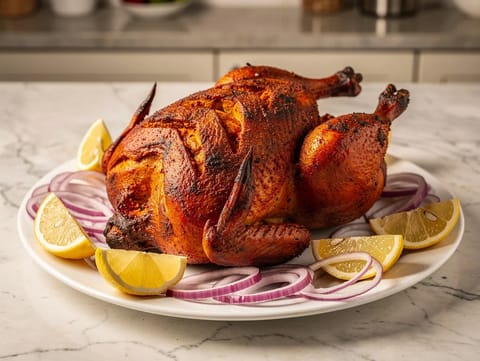
Tandoori Whole Roast Chicken
Whole roast chicken in a yoghurt tandoori marinade
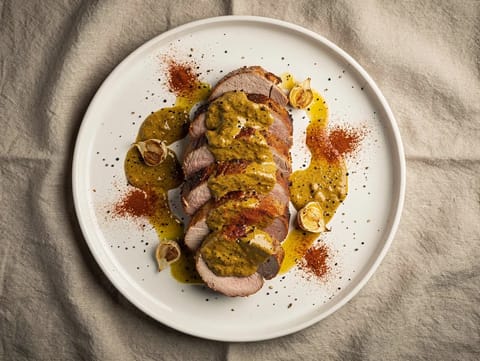
Air Fryer Pork Tenderloin with Mustard Glaze
Juicy pork tenderloin with a honey mustard glaze
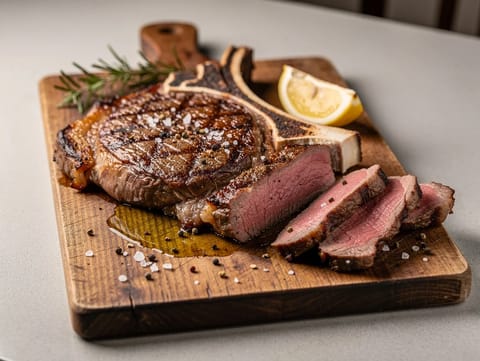
Bistecca alla Fiorentina (Tuscan T-Bone Steak)
Tuscan T-bone steak, seared and simply seasoned
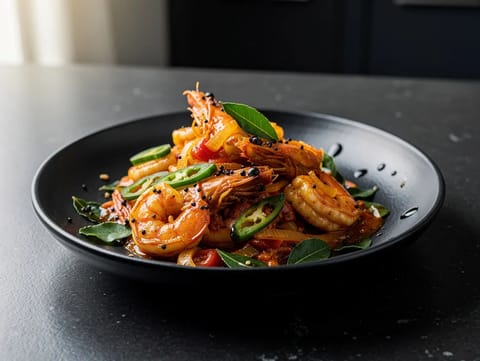
Prawn Masala with Curry Leaves and Mustard Seeds
Prawn masala tempered with mustard seeds and curry leaves
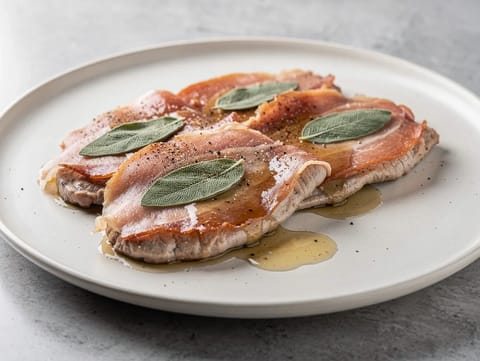
Saltimbocca alla Romana (Veal with Prosciutto and Sage)
Pan-fried veal with prosciutto, sage and white wine sauce
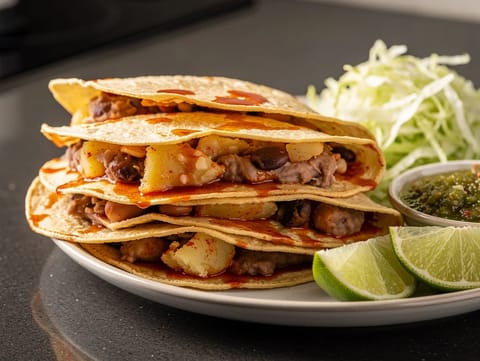
Tacos de Canasta (Basket Tacos with Beans and Potato)
Basket tacos with beans, potato and chilli oil
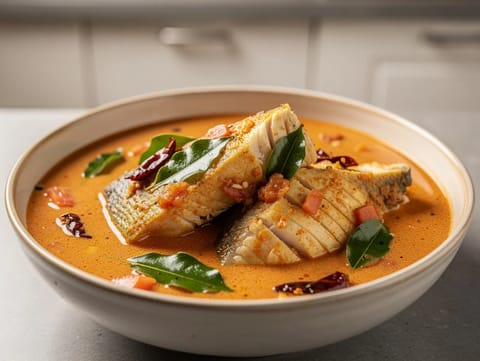
Goan Fish Curry (Xitti Kodi)
Goan coconut fish curry with tamarind and curry leaves
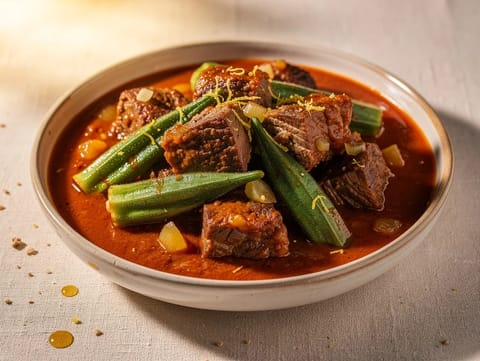
Bamia (Slow-Cooked Lamb and Okra Stew)
Slow-cooked lamb and okra stew in tomato sauce
Sheet-Pan Sausage with Peppers and Onions
Roasted Italian sausage with peppers and onions on one tray
Duck Confit with Sarladaise Potatoes
Crisp duck confit with duck fat potatoes, garlic and parsley
Swedish Hasselback Potatoes with Herb Butter
Crisp hasselback potatoes with garlic and parsley butter
Duck Confit with Puy Lentils
Crispy duck confit with thyme-scented Puy lentils
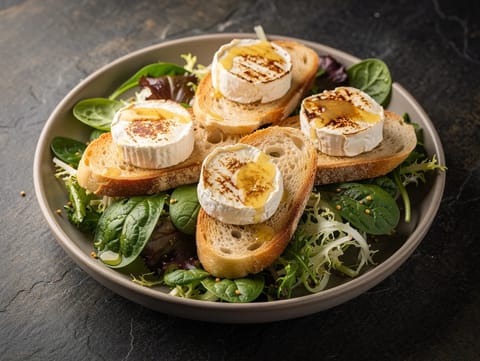
Salade de Chèvre Chaud (Warm Goat’s Cheese Salad)
Leafy salad with warm goat’s cheese on toasted baguette
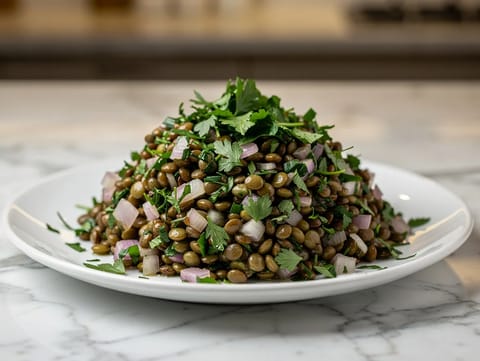
Salade de Lentilles du Puy (French Lentil Salad with Mustard Dressing)
Warm French lentil salad with mustard dressing, shallot and parsley
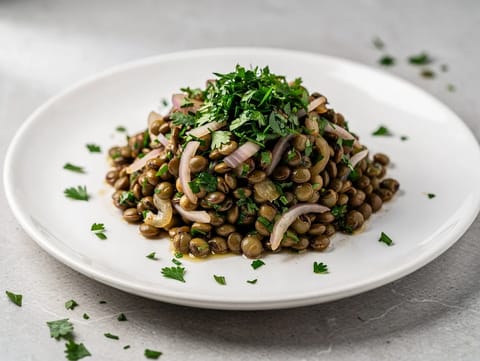
Lentil Salad with Dijon Vinaigrette
Green lentils dressed warm with Dijon vinaigrette
You might also like
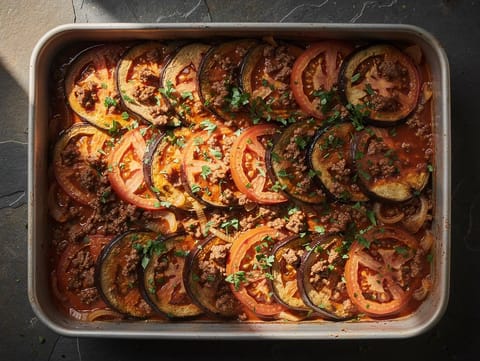
Tepsi Baytinijan (Iraqi Aubergine and Minced Beef Bake)
Iraqi aubergine bake with minced beef and tomatoes
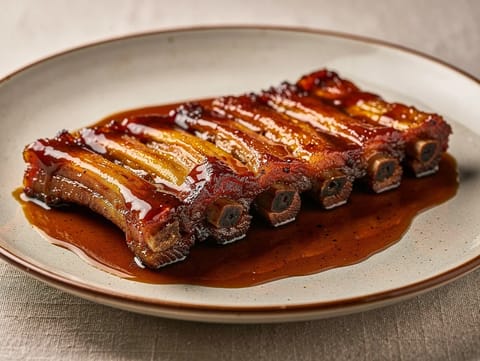
Five-Spice Pork Ribs (Holiday Style)
Sticky five-spice pork ribs roasted with soy and honey
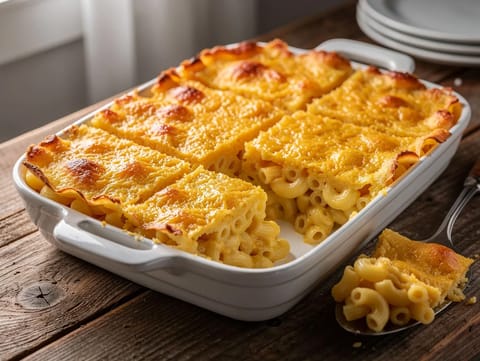
Baked Macaroni and Cheese (Classic Southern Style)
Baked macaroni cheese with cheddar and a custardy set

Latin Quinoa Soup
Tomato quinoa soup with black beans, sweetcorn and lime
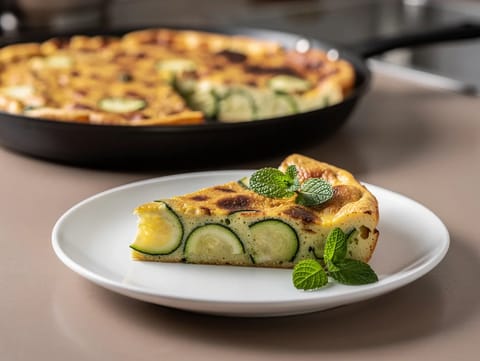
Frittata di Zucchine e Menta (Courgette and Mint Frittata)
Courgette and mint frittata with Parmigiano Reggiano
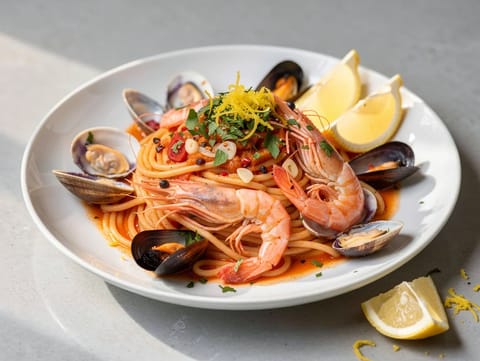
Linguine allo Scoglio (Italian Seafood Pasta)
Seafood linguine with mussels, clams and prawns
Make this recipe easier next time
AdvertisementThese tools help you get better results with less effort.
Misen Carbon Steel Nonstick Frying Pan 12 Inch
- Works on all stovetops
- Naturally nonstick when seasoned
- Requires seasoning and maintenance
Pyrex Glass Mixing Bowls with Lids
- Microwave safe
- BPA-free lids
- Glass is heavier
All-Clad HA1 Hard Anodized Nonstick Fry Pan 12 Inch
- Top-tier build quality
- Excellent heat distribution
- Expensive
KitchenAid Stainless Steel Mixing Bowls
- Non-slip base
- Stainless steel
- Not microwave safe
Enjoy cooking with JustRecipes?
Add JustRecipes as one of your preferred Google sources to discover our recipes more easily across Google Search.
Add JustRecipes to GoogleEvery recipe on JustRecipes follows the same structured editorial process. Learn how recipes are created, validated, translated, illustrated, and continuously improved across the platform. How we create recipes.
