
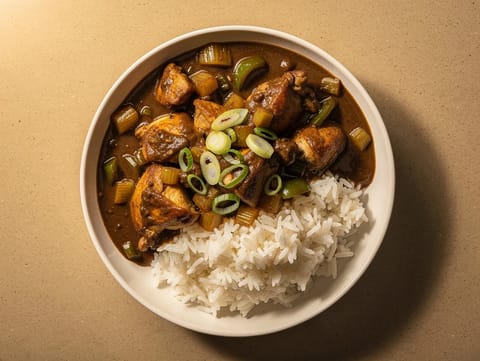
Cajun Chicken Étouffée
Cajun chicken étouffée with dark roux served over rice

Browsing by dish is the quickest way to decide what kind of food you want on the table, before you think about cuisine, diet or technique. “Dish” describes the format and role: a soup you eat with a spoon, a curry built around a sauce, a bake that slices into portions, a dip meant for sharing. Once you choose the shape of the meal, the rest of the decisions become simpler, including what to serve alongside and how to scale it for family dinners or guests.
Dish categories group recipes by their familiar identity rather than their origin or ingredients. A burger is still a burger whether it’s beef, fish, plant-based or served with different toppings; a curry is defined more by its saucy structure and spicing approach than by a single spice list. This also means a dish label does not automatically tell you the cooking method. Dumplings might be boiled, steamed or pan-fried; flatbreads can be baked, griddled or cooked in a pan. Use dish type to set expectations about how the food will eat and serve, then refine your choice with method, cuisine or time when you need to.
Cajun chicken étouffée with dark roux served over rice

Caramel chocoflan with vanilla flan and chocolate sponge
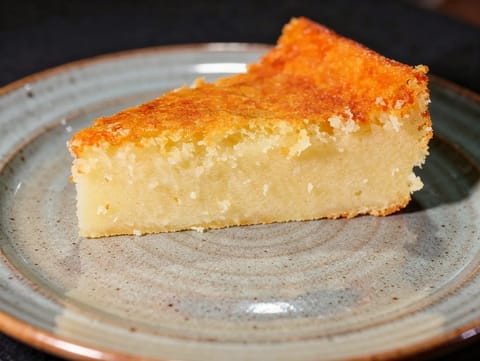
Dense Portuguese almond cake finished with icing sugar
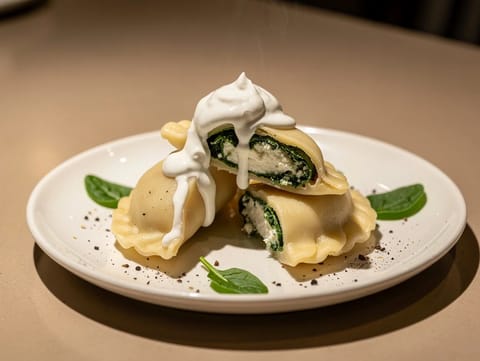
Pierogi filled with spinach and ricotta

Chilled German red berry pudding thickened with cornflour
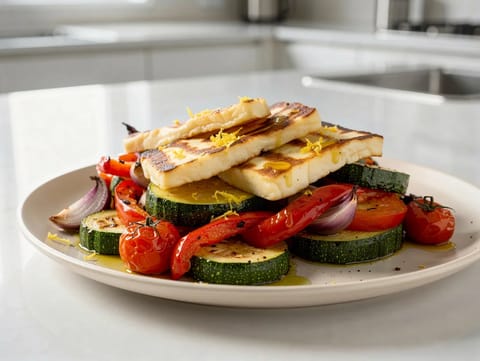
Halloumi traybake with roasted courgette, pepper and tomatoes
Start with how you want the meal to behave. For a self-contained plate or bowl, look for formats that naturally carry protein, vegetables and a starch together, such as grain bowls, breakfast bowls, casseroles and curries. If you need something that can sit on a table and be grazed, dishes like dips, condiment-style sauces and appetizer platters tend to work because they are designed around sharing and mixing. For neat portions and predictable serving, bakes, brownies and bars, cakes and cookies are inherently portionable, while ice cream and gelato or other frozen desserts are more about scooping and timing. When you are feeding different appetites, choose dishes that invite customising at the table, such as burgers, flatbreads and platter-style spreads.
Pierogi filled with spinach and ricotta
Cajun chicken étouffée with dark roux served over rice
Caramel chocoflan with vanilla flan and chocolate sponge
Dense Portuguese almond cake finished with icing sugar
Halloumi traybake with roasted courgette, pepper and tomatoes
Chilled German red berry pudding thickened with cornflour
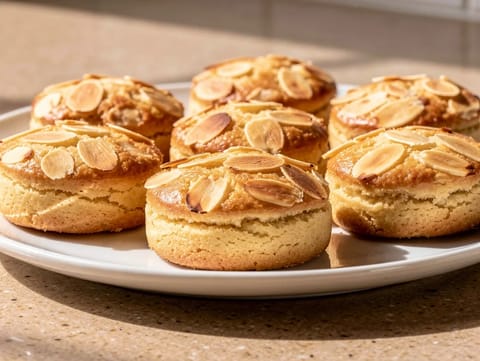
Buttery Dutch cookies with a thick almond paste filling
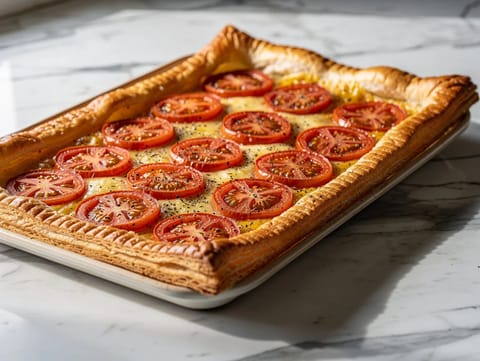
Puff pastry tart with Dijon mustard, tomatoes and Gruyère
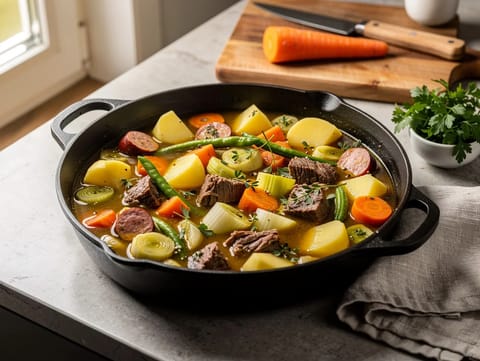
German one-pot stew with smoked sausage, beans and potatoes

Dense Breton butter cake with vanilla and egg yolks
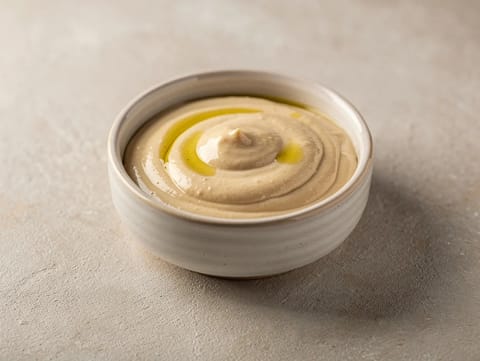
Smooth tahini sauce with lemon, garlic and water
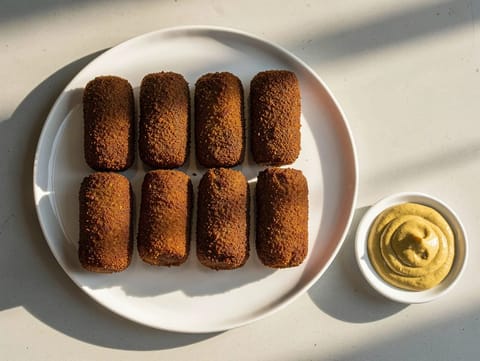
Dutch beef ragout croquettes with a crisp breadcrumb coating
Some dish types are defined by structure. Casseroles and bakes are built to cook and serve from one vessel, often with a set top and a softer interior. Bowls, whether breakfast or grain-based, are assembled to give contrast in each mouthful: something warm, something crisp, something creamy, often with a dressing or sauce tying it together. Other dish types are defined by their role in a meal. Condiments and dressings are supporting players, but they can determine the overall flavour direction and make simple ingredients feel complete. Drinks sit here too: cocktails, coffee drinks, hot chocolate and infused water are about balance, temperature and dilution, and they often pair best when you match their sweetness, bitterness or acidity to the food you’re serving.
If you already know the dish you want, browsing by Cooking method helps you choose between outcomes such as crisp, tender, smoky or gently cooked. If you are choosing a dish to fit a menu, Course is the most useful companion, because it clarifies whether something is meant to start a meal, anchor it, or finish it.
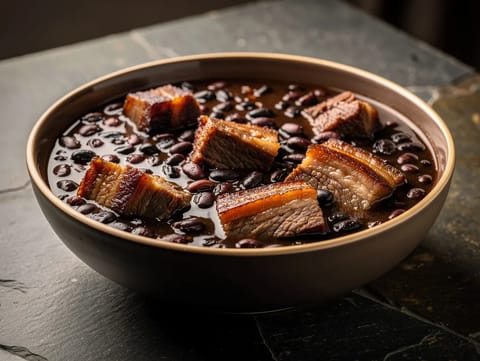
Brazilian black bean stew with pork, beef and bay leaves
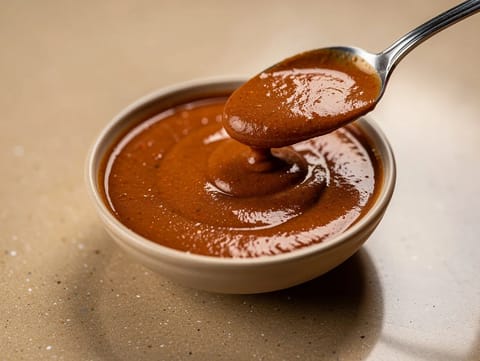
Thai-style peanut sauce with coconut milk, red curry paste and lime
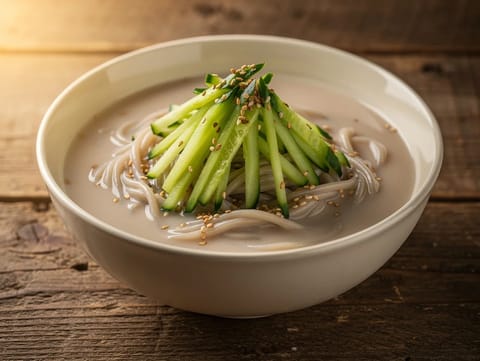
Cold noodles in creamy soy milk broth with cucumber
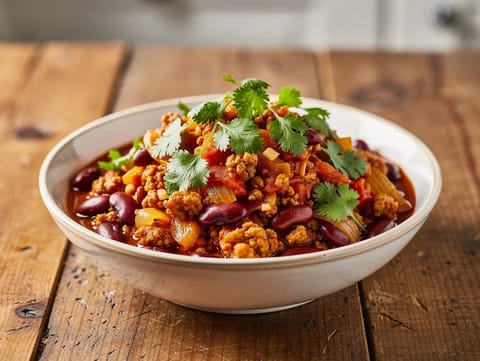
Turkey chilli with kidney beans, tomatoes, lime and coriander
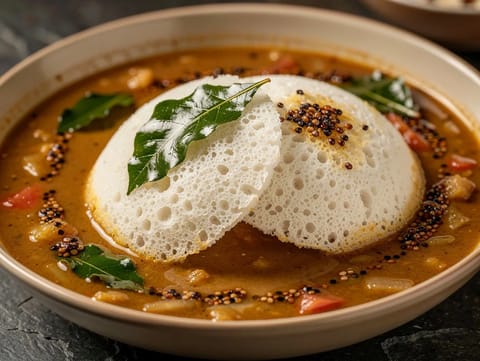
Steamed idli with tangy lentil and vegetable sambar

Fresh lemon juice drink mixed with sugar syrup and cold water
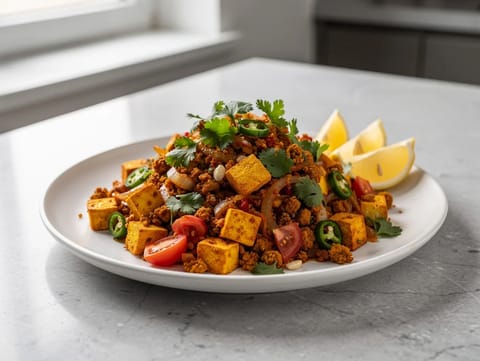
Scrambled paneer cooked with onions, tomatoes and spices
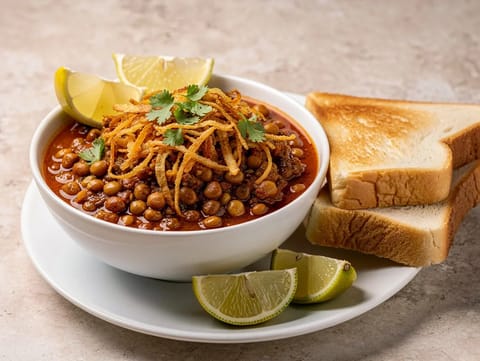
Spicy sprouted bean curry topped with farsan and pav
Dish tells you the format and how it will serve, which is often the first decision to make. Cuisine is more about flavour direction and ingredient patterns once you know whether you want, say, a soup, a curry or a bake.
Sometimes, yes. Food doesn’t always sit neatly in one box, especially with modern serving styles. When that happens, use the dish label that best matches how you plan to serve and eat it.
Not reliably. Some dishes can be quick or slow depending on the method and ingredients. Use dish to choose the kind of meal, then check cooking time when speed matters.
A dip is usually thicker and designed for scooping with bread, vegetables or crisps. A dressing is meant to coat and cling, often for salads or bowls. Condiments are broader: they can be spooned, dolloped or spread to add flavour at the table.
A bowl is a serving format, not a nutrition promise. Some bowls are light and vegetable-forward; others are rich, creamy or topped generously. Choose by the ingredients and dressing, not the name.
Look for dishes that hold well on the table, portion cleanly, or invite sharing. Platters, dips, bakes and many desserts are naturally guest-friendly because serving is straightforward and the food looks composed.
When you are undecided, choose the dish first: something spoonable, sliceable, shareable or sippable. Once that’s settled, it becomes much easier to compare recipes by method, course and the kind of flavours you want to cook.
