
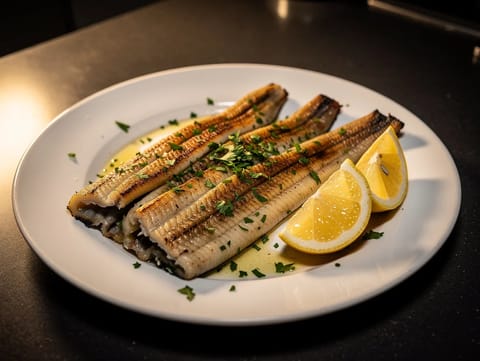
Anguilla alla Griglia (Italian Grilled Eel with Lemon and Garlic)
Italian grilled eel with lemon, garlic and parsley

Skewers and kebabs are defined less by a single cuisine than by a practical format: small pieces of food cooked on a stick, or shaped into a kebab-style form and cooked over high heat. That format changes everything, from how you cut ingredients to how quickly they cook and brown.
If you are choosing between recipes, focus on the type of kebab (chunky pieces versus minced mixtures), the cooking method (grill, oven or pan), and how the ingredients are balanced so they cook at the same pace without drying out.
A skewer recipe typically threads meat, fish, vegetables or fruit onto sticks for fast, direct cooking. A kebab can be skewered too, but the word is also used for shaped minced mixtures cooked on or around a skewer, or formed into logs or patties and cooked over high heat. What these dishes share is exposure: lots of surface area meets heat quickly, so browning happens fast and overcooking can happen just as quickly.
Skewers are not simply “small portions”. The stick is a tool for turning and handling, but the real defining feature is the thin, even pieces and the way they cook from the outside in. That is why recipes often pay close attention to cut size, spacing and whether ingredients are cooked separately before being combined.
Italian grilled eel with lemon, garlic and parsley
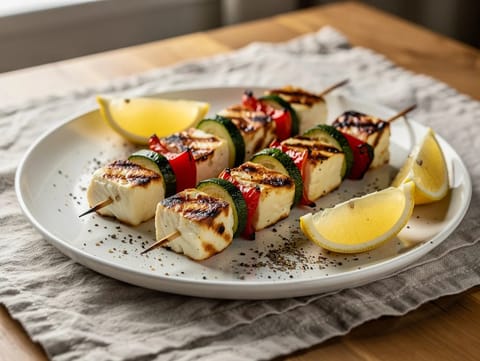
Grilled halloumi skewers with courgette, red pepper and oregano
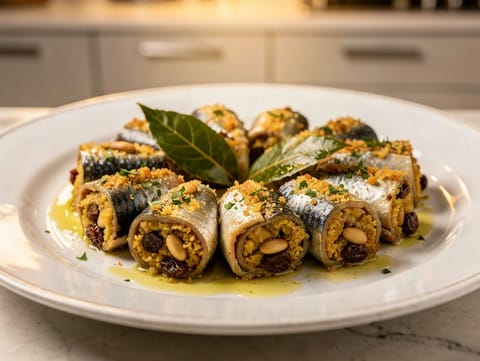
Baked stuffed sardines with pine nuts and raisins
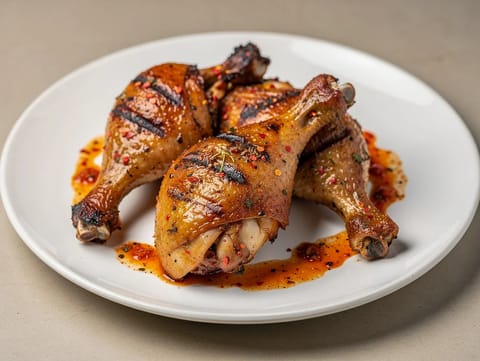
Portuguese grilled chicken marinated with piri-piri, garlic and lemon
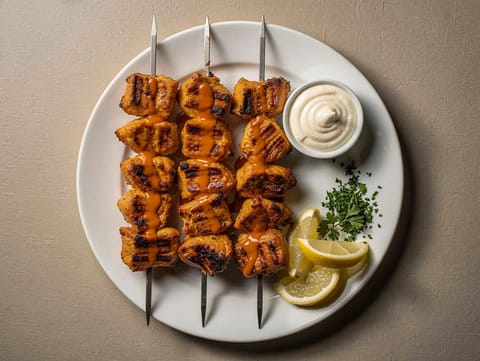
Grilled chicken skewers marinated in yoghurt, lemon and garlic
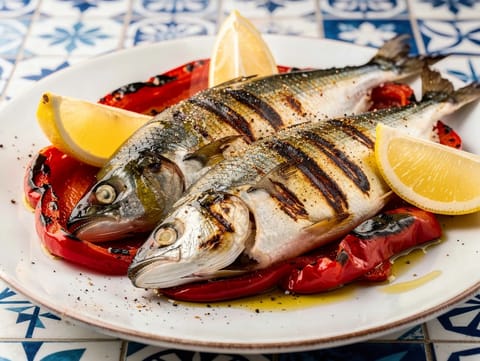
Grilled sardines served with lemon, olive oil and peppers
Chunky skewers rely on uniform pieces and a marinade or glaze that can take high heat. Think cubes of chicken or lamb, prawns, firm fish, halloumi, mushrooms, peppers and onions. The best versions keep like-with-like together so everything finishes at the same moment, rather than mixing quick-cooking and slow-cooking items on one stick.
Minced-meat kebabs behave differently. Because the mixture is worked and shaped, texture depends on fat content, mixing and how firmly it is packed. These kebabs are often seasoned more assertively, and they benefit from a hot surface that sets the outside quickly so the centre stays juicy.
Vegetable-forward skewers tend to use sturdier vegetables that char without collapsing, or they pre-cook denser items so the skewer can be finished quickly over high heat.
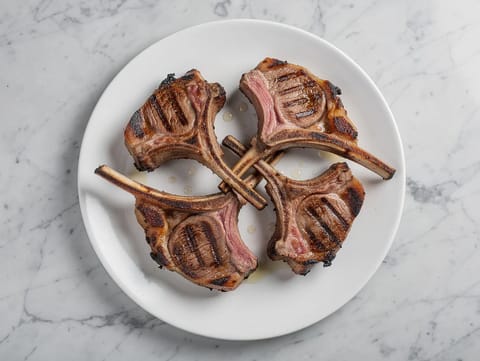
Grilled lamb cutlets with rosemary, garlic and lemon
Italian grilled eel with lemon, garlic and parsley
Grilled halloumi skewers with courgette, red pepper and oregano
Portuguese grilled chicken marinated with piri-piri, garlic and lemon
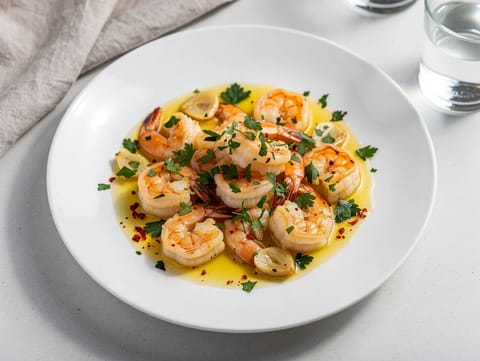
Spanish lemon garlic prawns with chilli and parsley
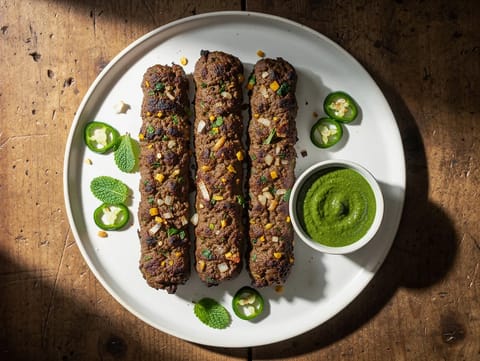
Grilled lamb seekh kebabs served with mint chutney
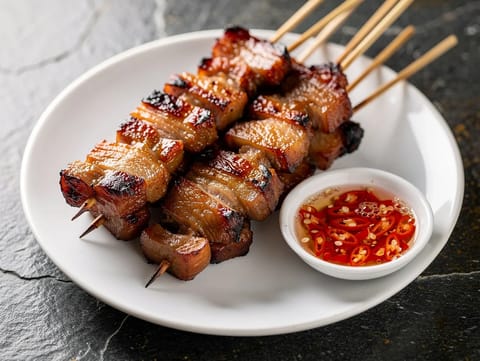
Thai grilled pork skewers marinated with coconut milk and fish sauce
Grilled chicken skewers marinated in yoghurt, lemon and garlic
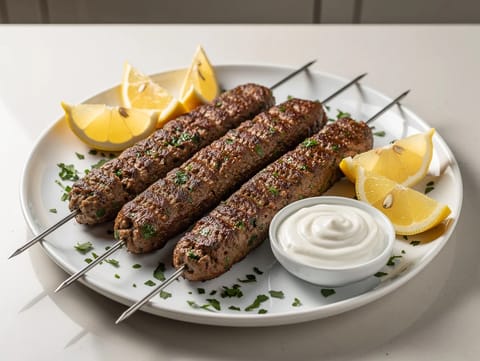
Spiced lamb kebab skewers cooked until browned in the air fryer.
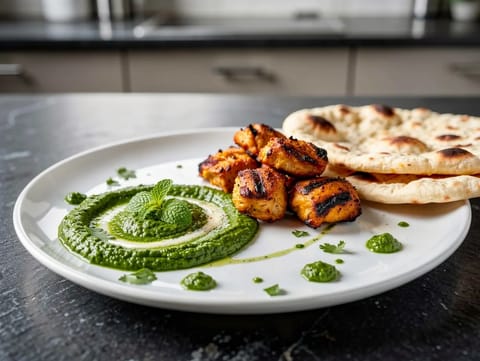
Grilled chicken tikka with coriander and mint chutney
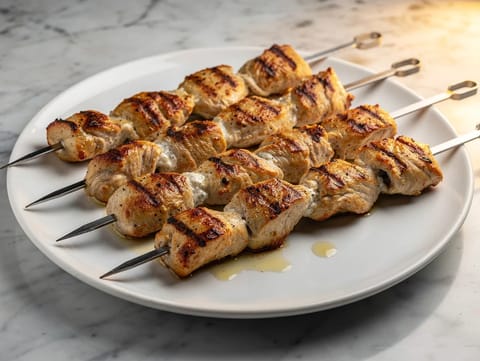
Turkish chicken skewers in a yoghurt, lemon and garlic marinade
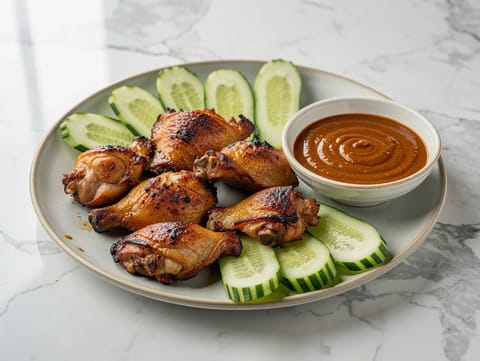
Air-fried satay chicken with peanut, lime and soy sauce.
Start with the heat source. Grilling gives the most direct char, but an oven grill (broiler) or a hot griddle pan can deliver similar browning with different levels of smoke and flare-ups. If you are cooking indoors, look for recipes that manage drips with a tray or a glaze added late.
Next, choose by ingredient structure. Tender cuts and seafood suit quick cooking; tougher cuts need either smaller pieces, longer marinating, or a method that is not purely high-heat and fast. For mixed skewers, check whether the recipe staggers ingredients by size, suggests par-cooking, or keeps components on separate sticks.
Finally, consider the finish: dry spice rubs brown quickly; sugary sauces can burn if applied too early; oil-based marinades help conduct heat but can encourage flare-ups on a barbecue.
If you want to keep the flavour direction consistent, browse by Cuisine: skewers and kebabs appear across many food cultures, with distinct spice blends and sauces. For a more practical decision, Cooking method helps you compare barbecue, oven grill and pan-cooked approaches, which change browning, timing and how hands-on the cooking feels.

German mulled wine with orange and warming spices
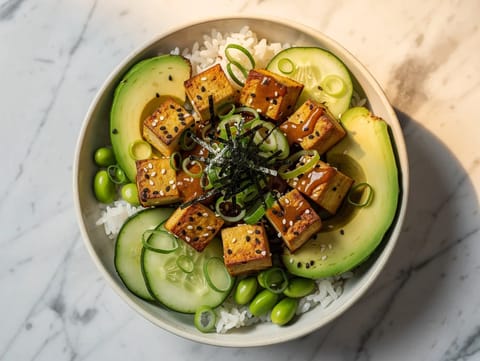
Crispy tofu over sushi rice with fresh vegetables.
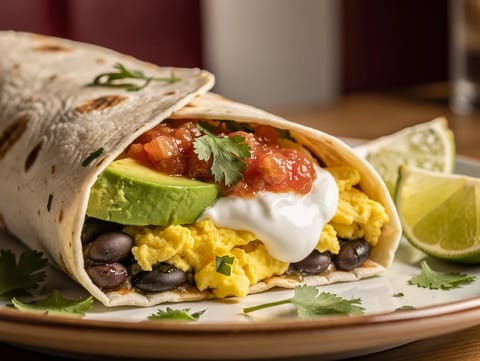
Breakfast burrito with scrambled eggs, avocado and salsa
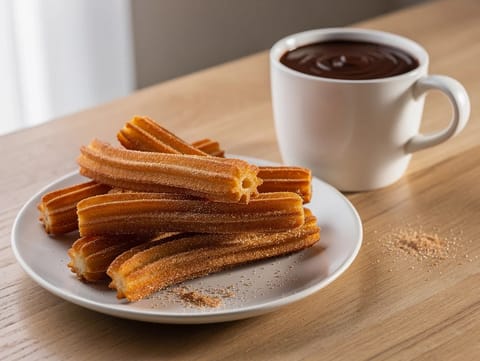
Crisp cinnamon sugar churros with thick dark hot chocolate
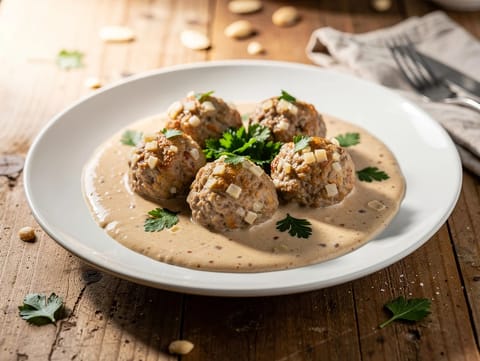
Pork meatballs simmered in a smooth almond sauce
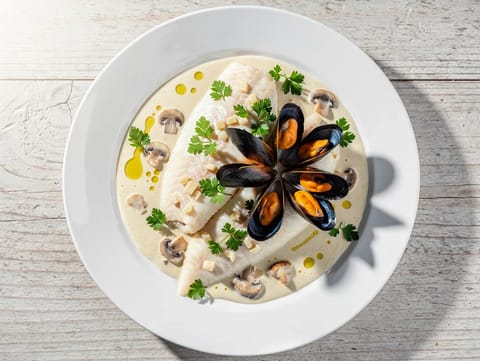
Poached sole with mussels in a creamy white wine sauce
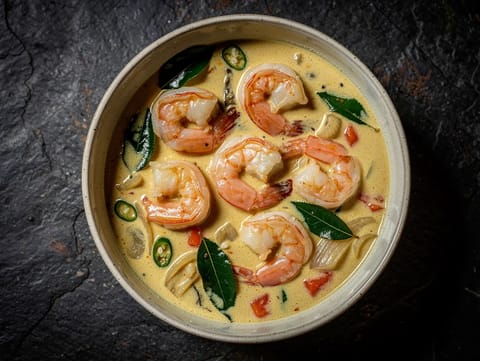
Kerala prawn curry simmered in coconut milk
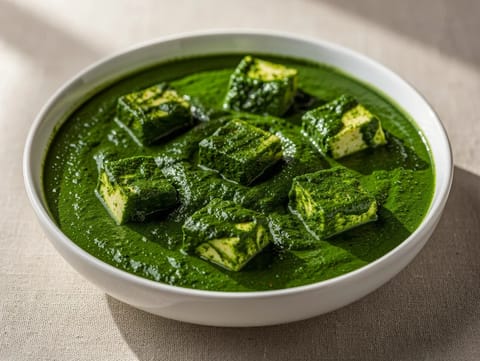
Smooth spinach curry with paneer
No. Many skewers are grilled outdoors, but plenty of kebab-style recipes are designed for an oven grill (broiler) or a hot griddle pan, which can still give good browning.
Different ingredients cook at different speeds. Keeping them separate makes it easier to pull off prawns or tender vegetables before they dry out, while giving meat a little longer.
Often, yes. Soaking helps reduce scorching, especially over a barbecue. Metal skewers avoid this, but they also heat up, which can speed cooking from the inside.
Common causes include a mixture that is too lean, not mixed enough to bind, or handled too loosely on the skewer. Very wet additions can also weaken the structure.
Usually towards the end of cooking. Sugary glazes brown quickly and can burn over direct heat if applied too early.
Some skewers reheat acceptably, but the format is at its best freshly cooked, when the outside is browned and the inside still juicy. If making ahead, consider prepping and skewering in advance rather than fully cooking.
Pick your kebab style first, chunky pieces or a shaped minced mixture, then match it to your heat source. Once those two choices are set, the rest is detail: cut size, spacing and when to add any sauce so you get char without dryness.
