
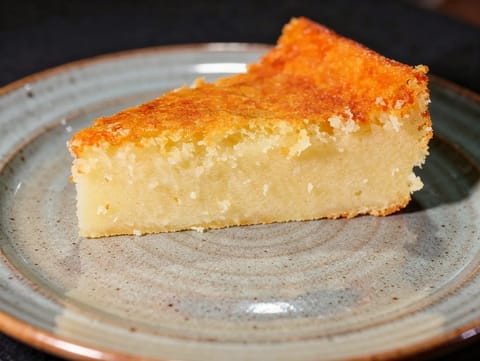
Toucinho do Céu (Portuguese Almond Cake)
Dense Portuguese almond cake finished with icing sugar

Recipes often assume a particular piece of kit, but the real question is what the equipment needs to do: brown, blend, hold heat steadily, drain, or simply keep food from sticking. This page groups recipes by the main tool they rely on, so you can pick something you own, decide whether an alternative will behave similarly, and understand when a swap changes the result. It is a practical way to match your kitchen to the cooking, rather than the other way round.
Equipment here refers to the primary tool or appliance that makes the method work as written. Sometimes that is about heat and shape, such as a Dutch oven for steady, enclosed cooking or a baking tray for spreading food in a single layer. Sometimes it is about mechanical action, such as a blender for smooth purées or a food processor for quick chopping. It does not mean you cannot cook the dish without that exact item, but it does signal where the recipe’s texture, browning or timing is most sensitive to the tool you choose.
Dense Portuguese almond cake finished with icing sugar
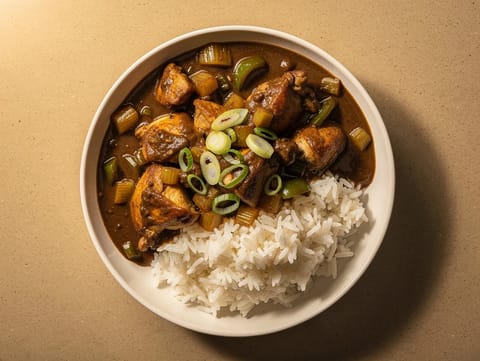
Cajun chicken étouffée with dark roux served over rice
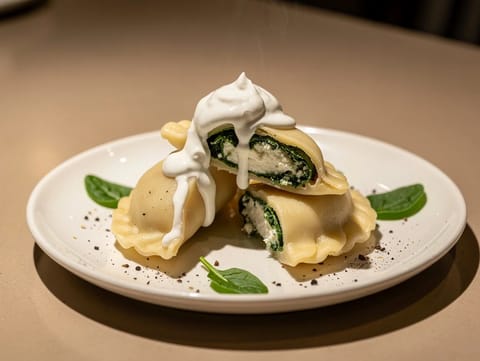
Pierogi filled with spinach and ricotta

Caramel chocoflan with vanilla flan and chocolate sponge
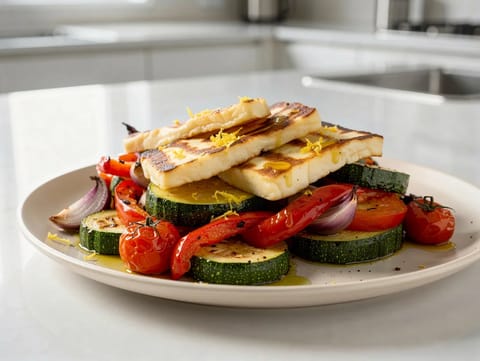
Halloumi traybake with roasted courgette, pepper and tomatoes

Chilled German red berry pudding thickened with cornflour
Start with the outcome you need. If you want crisp edges and quick browning, look for recipes built around high, dry heat and plenty of surface area, such as a grill, barbecue grill, air fryer or a hot frying pan. If you need gentle, even cooking and moisture retention, cookware with a lid and good heat capacity matters more, such as a Dutch oven or a baking dish. For sauces, soups and drinks, the dividing line is usually texture: a blender gives a smoother finish than most alternatives, while a grater, garlic press or citrus juicer is about extracting flavour efficiently without changing the cooking method. When you are short on space or washing-up, categories that rely on one main vessel tend to be easier to manage than those that assume several prep tools.
Pierogi filled with spinach and ricotta
Cajun chicken étouffée with dark roux served over rice
Caramel chocoflan with vanilla flan and chocolate sponge
Dense Portuguese almond cake finished with icing sugar
Halloumi traybake with roasted courgette, pepper and tomatoes
Chilled German red berry pudding thickened with cornflour
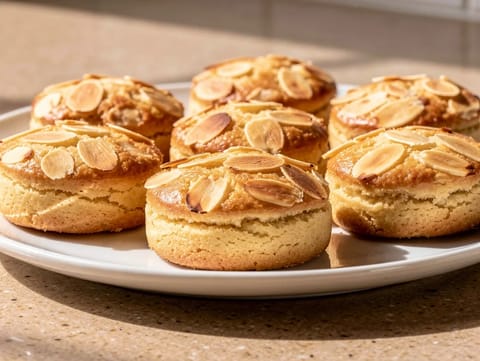
Buttery Dutch cookies with a thick almond paste filling
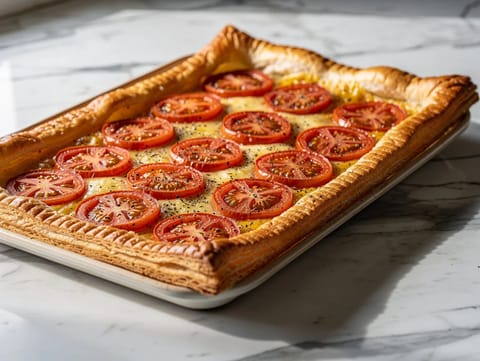
Puff pastry tart with Dijon mustard, tomatoes and Gruyère
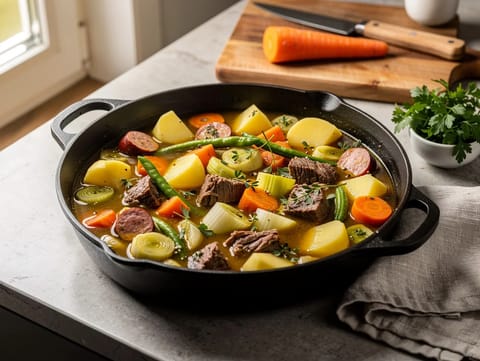
German one-pot stew with smoked sausage, beans and potatoes

Dense Breton butter cake with vanilla and egg yolks
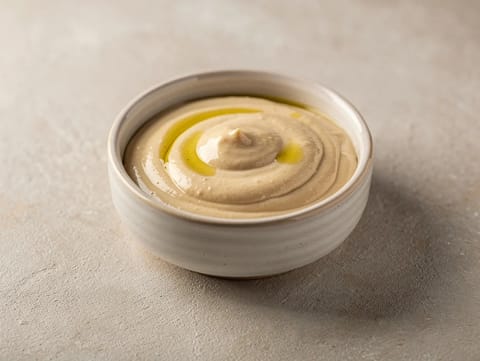
Smooth tahini sauce with lemon, garlic and water
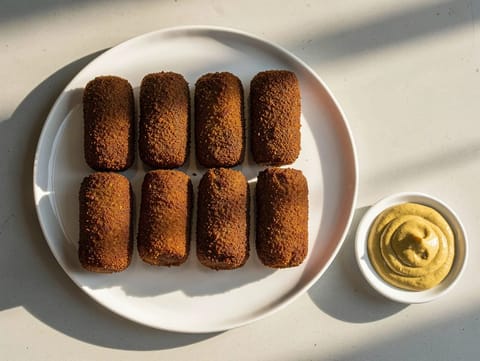
Dutch beef ragout croquettes with a crisp breadcrumb coating
Many tools overlap if you match the job rather than the name. A baking tray and a shallow roasting tin both suit single-layer cooking; what changes is how easily steam escapes, which affects browning. A frying pan can often stand in for a cast iron frying pan, but cast iron holds heat more steadily, so it is less prone to cooling when food hits the surface. A blender and a food processor can both break down ingredients, yet a processor typically leaves a coarser texture and struggles with small volumes, while a blender needs enough liquid to circulate. When a recipe calls for foil, baking paper or a baking mat, the key difference is stick-resistance and heat transfer: foil conducts heat well but can encourage sticking with sugary marinades; mats and paper are more forgiving but can slightly soften the underside.
If you know the tool you have, the cooking method helps you predict the result: grilling, baking and pan-frying behave differently even with similar ingredients. Difficulty is also a useful companion, because some equipment categories assume more hands-on control, such as managing heat in a pan or judging texture in a blender, while others are more set-and-check.

Parsley and garlic chimichurri with olive oil and red wine vinegar
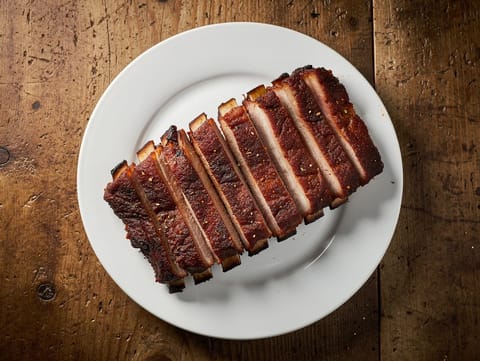
Slow-roasted spare ribs with a paprika and brown sugar crust
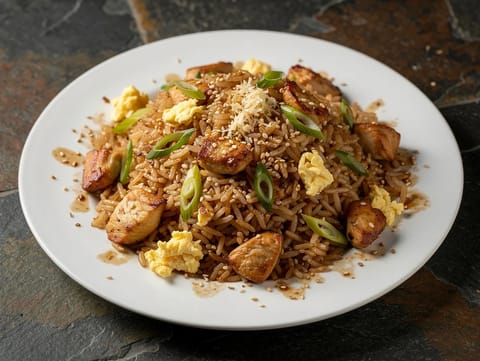
Peruvian fried rice with chicken, egg, soy sauce and sesame oil
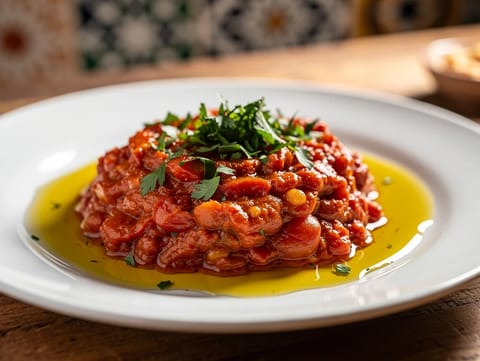
Moroccan cooked tomato and pepper salad with warm spices
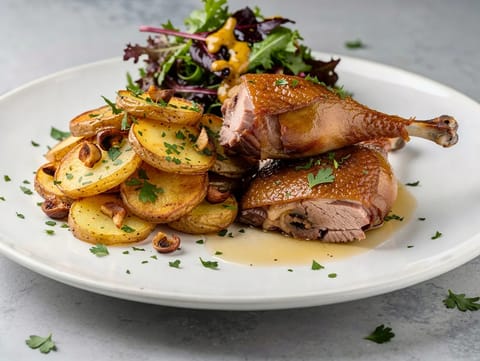
Duck confit with garlic and parsley Sarladaise potatoes
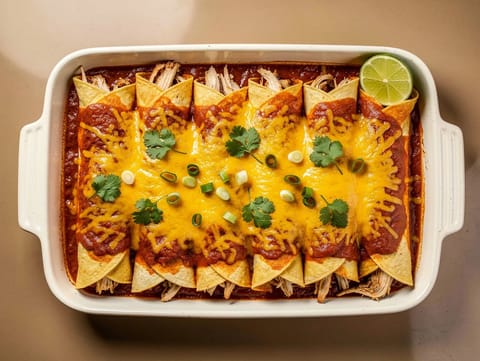
Chicken enchiladas baked with red chilli sauce
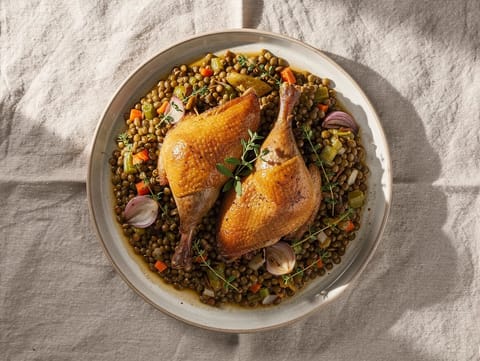
Crispy duck confit with thyme-scented Puy lentils
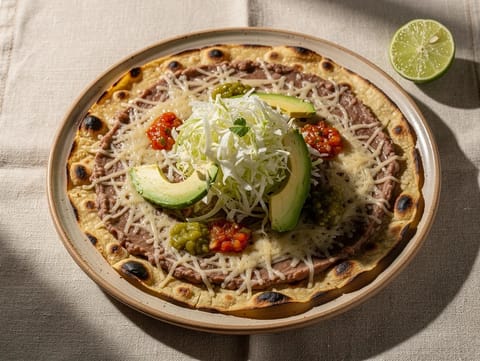
Crisp tlayuda topped with beans, Oaxaca cheese, cabbage and avocado
Usually because the tool affects heat delivery, evaporation and surface contact. Those three things drive browning, tenderness and how quickly a sauce reduces or a batter sets.
They are related but not identical. Equipment is the tool; method is what you do with it. The same oven can bake, roast and grill, and a frying pan can be used for gentle sweating or high-heat searing.
When the recipe depends on precise temperature control, pressure, or a specific shape and depth. Even then, a substitute can work, but you may need to adjust heat, batch size or cooking time.
Not necessarily. They mainly save time and keep flavours clean and concentrated. A knife and chopping board can replace a garlic press; a fork or reamer can replace a juicer, though you may extract less juice and more bitterness if you press hard.
A baking dish has higher sides, so it holds liquids and traps more steam, which suits gratins and bakes. A baking tray is shallow, encouraging evaporation and browning, which suits roasting and crisping.
Cast iron stores a lot of heat and releases it steadily. That helps with searing and with maintaining temperature when you add food, but it also means the pan responds more slowly when you turn the heat down.
If you are choosing what to cook based on what you own, start with the equipment that does the most work in the recipe, then check whether your alternative can deliver the same heat, texture or mechanical action. Once that is clear, the rest of the ingredients and timings tend to fall into place.
