
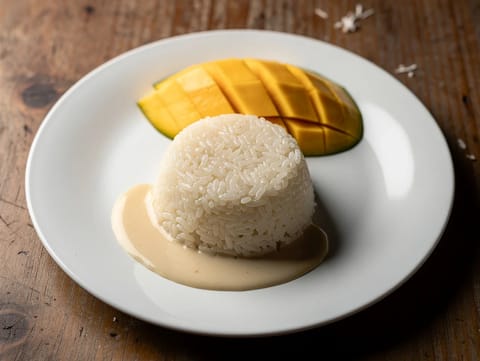
Mango Sticky Rice
Sticky coconut rice served with ripe mango

Steaming cooks food with moist heat rather than direct contact with a hot pan. That makes it naturally efficient for ingredients that cook quickly and benefit from staying juicy, such as fish, dumplings and many vegetables. The flavour profile tends to stay clean and ingredient-led, because there is little browning. Good steaming is mostly about managing water, space and timing: too much steam can turn crisp vegetables soft, while too little can leave food unevenly cooked.
Steaming means cooking in the vapour above simmering water, with the food held on a rack, basket or perforated tray. Because the food is not submerged, flavours are not washed away in the same way they can be when boiling, and delicate items are less likely to break up. What steaming does not provide is browning, so recipes that rely on toasted edges, crisp skins or caramelised sauces will usually include a separate step, such as pan-searing, grilling or finishing under a hot oven. Steaming is also not automatically hands-off: small changes in thickness and crowding can shift cooking times noticeably.
Sticky coconut rice served with ripe mango
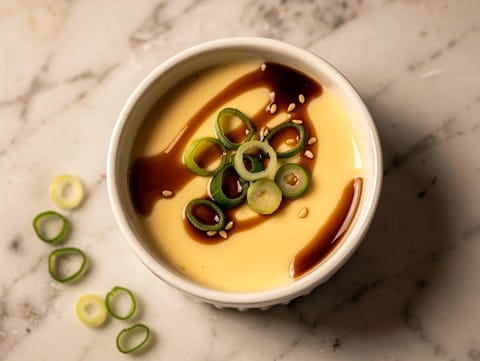
Silky steamed egg custard with soy sauce, sesame oil and spring onion
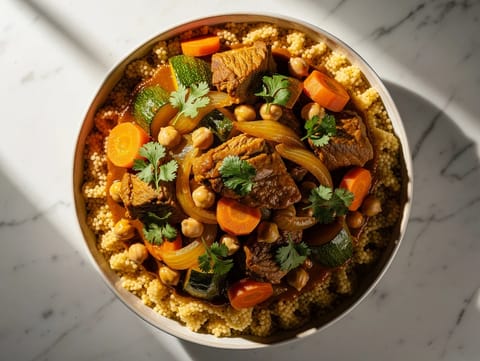
Steamed couscous with tender lamb, chickpeas and vegetables
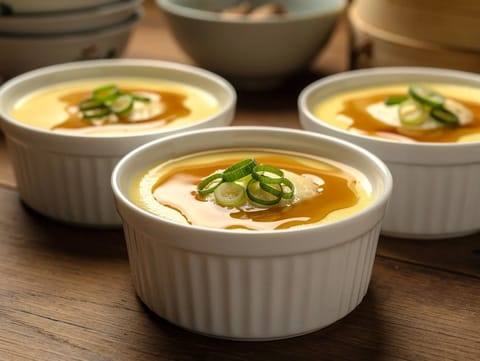
Silky Chinese steamed egg custard with soy and sesame

Steamed suet pudding rolled with strawberry jam
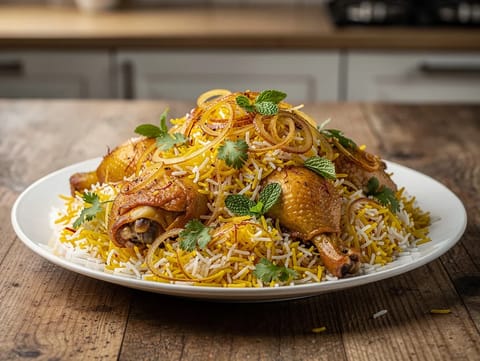
Layered Hyderabadi dum biryani with saffron, rose water and fried onions
A lidded pot with a steamer basket is the simplest option, and it works for everything from greens to dumplings. Bamboo steamers stack neatly and are useful when you want to cook several items at once, but they need a wok or wide pan that holds them securely over simmering water. Electric steamers and combi-style ovens offer capacity and steady output, which can help with batch cooking. Whatever the setup, look for a lid that traps steam and a basket that keeps food above the waterline. If the recipe uses parchment liners or cabbage leaves, it is usually to prevent sticking and protect delicate fillings.
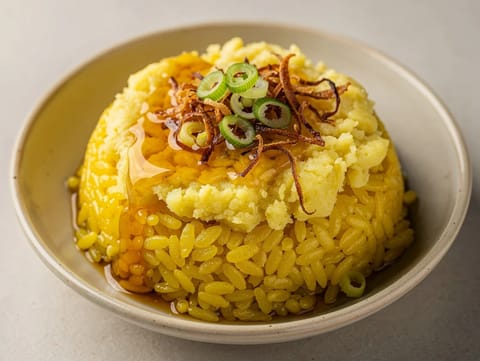
Turmeric sticky rice with mung beans and fried shallots
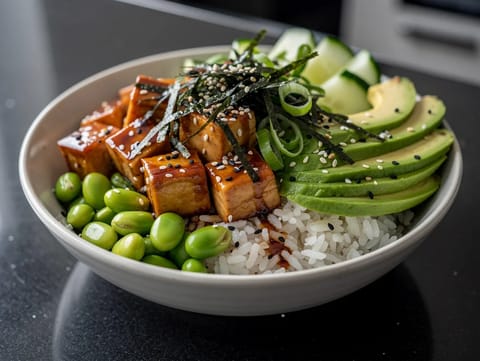
Vegetarian poke bowl with tofu, sushi rice and vegetables.
Silky Chinese steamed egg custard with soy and sesame
Steamed suet pudding rolled with strawberry jam
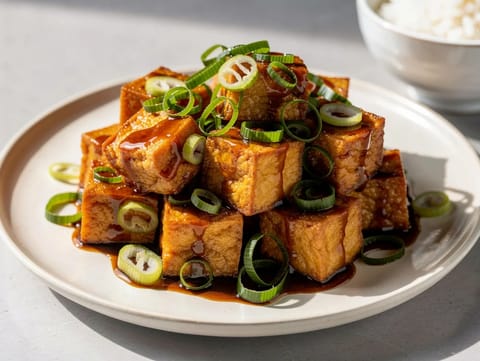
Extra-crispy tofu with a soy and hoisin glaze.
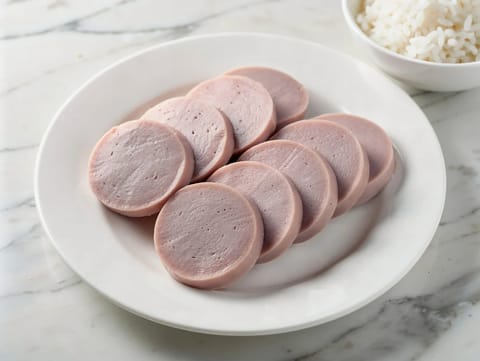
Vietnamese steamed pork sausage wrapped in banana leaves
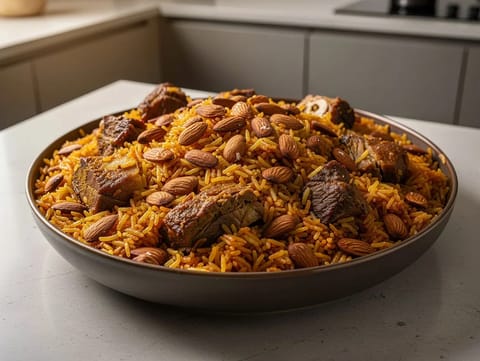
Slow-cooked lamb with spiced rice and toasted almonds
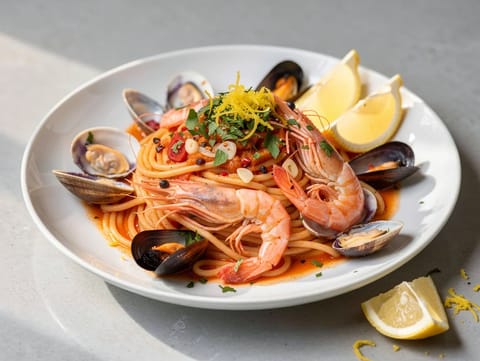
Seafood linguine with mussels, clams and prawns
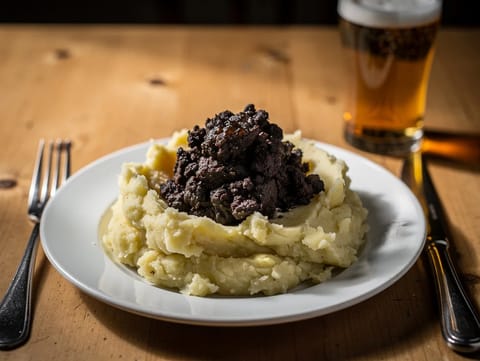
Warmed haggis with mashed swede and potatoes
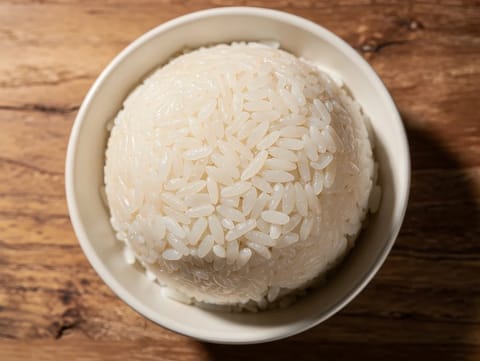
Thai sticky rice steamed from soaked glutinous rice
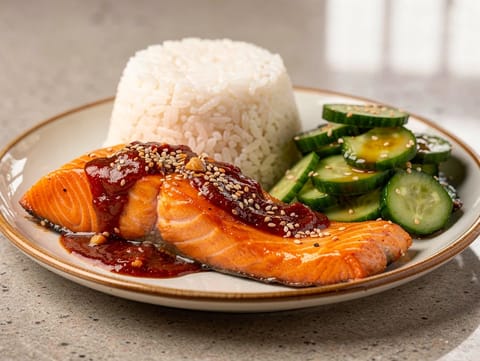
Baked salmon with gochujang, soy, sesame and garlic glaze
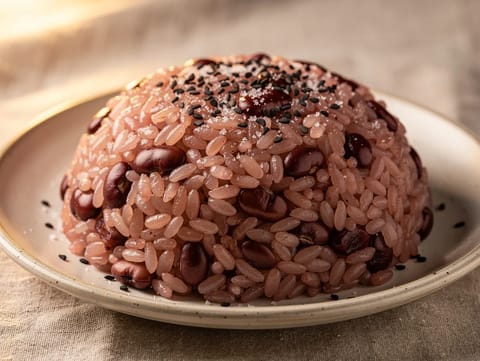
Glutinous rice cooked with adzuki beans and black sesame
For a light, clean finish, choose recipes where the main appeal is tenderness and clarity, such as steamed fish with aromatics, or vegetables served with a dressing added after cooking. If you want a more substantial texture, look for steamed doughs and batters, including dumplings, buns or puddings, where steam sets the structure gently without drying it out. For speed, thinly sliced vegetables and small portions cook quickly, while thicker roots and whole items take longer and may suit par-steaming before another method. If a recipe includes a sauce, notice whether it is cooked separately; steam is excellent for the main ingredient, but sauces usually need direct heat to reduce and concentrate.
Crowding is the classic problem: when pieces touch, steam cannot circulate and you get uneven cooking. Lifting the lid repeatedly has a similar effect, because it drops the temperature and extends the cook. Too vigorous a boil can splash water onto the food, making it soggy rather than gently steamed. Finally, remember that steaming is sensitive to size. If your pieces are thicker than the recipe assumes, they may need extra time, or a brief rest off the heat to finish cooking through.
Steaming can be very quick, but it depends on thickness and how much you are cooking at once, so browsing by Cooking time helps you find recipes that match your schedule. Equipment is also worth checking: a bamboo steamer, basket insert or electric steamer each changes capacity and how easily you can stack or batch-cook.
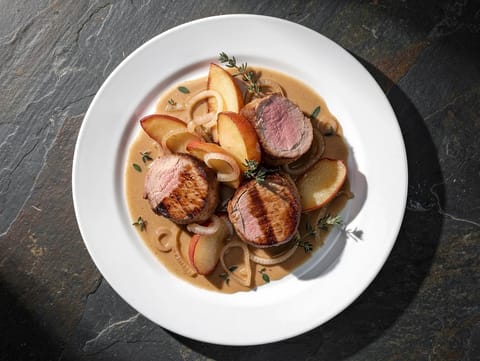
Seared pork tenderloin with apples in a creamy Calvados sauce
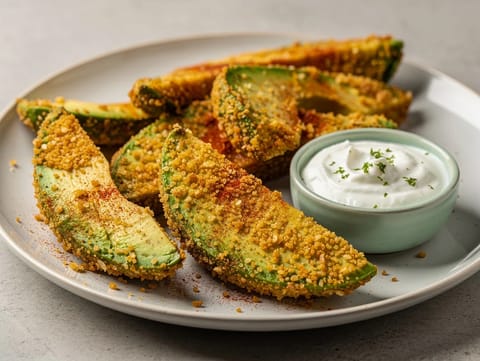
Crispy air-fried avocado fries with lime yoghurt dip.
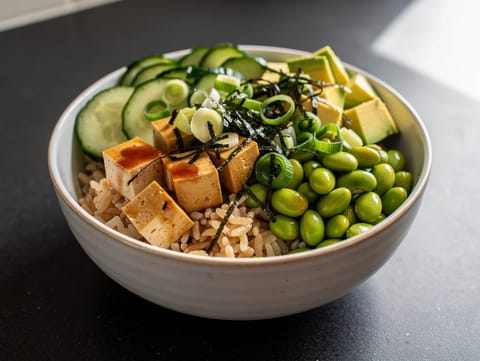
Tofu poke bowl with sushi rice, avocado and edamame.
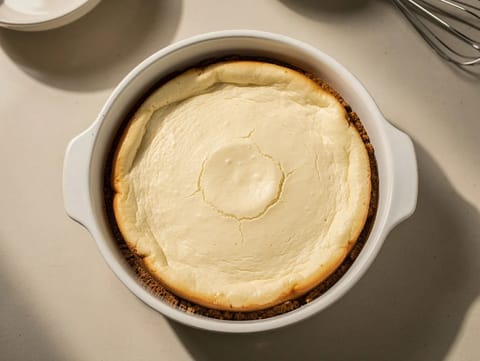
Rich New York-style cheesecake baked in an air fryer.
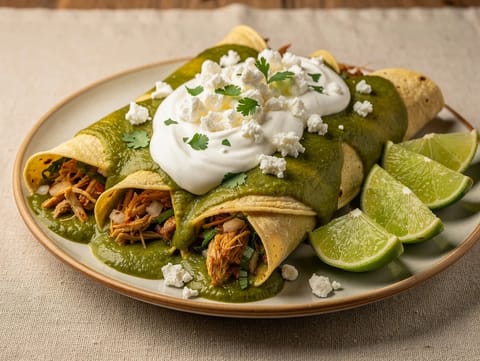
Chicken enchiladas baked in tomatillo and green chilli sauce
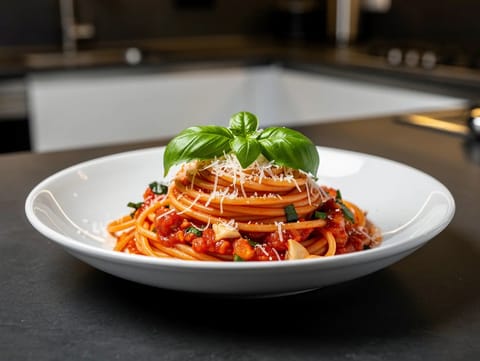
Spaghetti with fresh tomato, garlic and basil
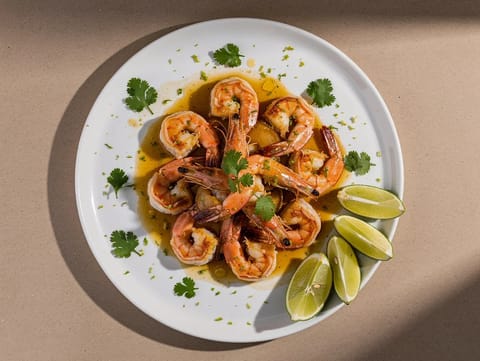
Garlic butter prawns finished with lime, chilli and coriander
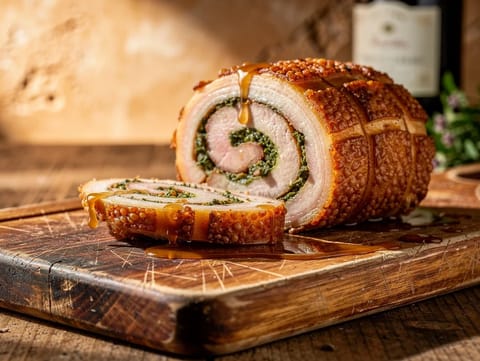
Rolled pork belly roasted with garlic, rosemary and fennel
Steaming is simply a moist-heat method that uses little added fat and preserves a clean, ingredient-forward flavour. Whether it suits you depends on the dish you want to make and how it is served.
They may be overcooked, crowded, or splashed by boiling water. Keep the water at a steady simmer, leave space for steam to circulate, and stop cooking while the vegetables still have some structure.
Often, yes. A heatproof plate on a trivet, a metal colander set over a pot, or a rack inside a lidded pan can work, as long as the food sits above the water and the lid traps steam.
Many recipes assume steam is already building when the food goes in, especially for short cooks. Starting with actively steaming water helps timing stay predictable.
Liners prevent sticking, make lifting out easier, and can protect delicate doughs or fillings from condensation dripping back onto the surface.
Yes. Some recipes use steaming to cook through, then finish with a quick sear, grill or oven blast to add browning and texture.
Steaming rewards simple organisation: get the water simmering, keep pieces evenly sized, and avoid crowding. Choose recipes that celebrate a moist, delicate texture, or that include a finishing step when you want colour and crispness too.
