
Giò Lụa (Vietnamese Steamed Pork Sausage in Banana Leaves)
Why this recipe works
- Classic wrapping method: Banana leaves help shape the sausage tightly while lending the finished giò lụa its recognisable appearance and subtle aroma.
- Clean savoury flavour: A short seasoning list lets the pork, fish sauce and white pepper define the flavour without making the sausage heavy.
- Excellent for preparing ahead: The sausage slices cleanly after chilling and can be stored whole or sliced for quick meals later in the week.
Get the most out of this recipe
Authenticity notes
- Smooth, springy paste: The distinctive texture comes from working very cold pork into a sticky, glossy paste rather than leaving it coarse like a typical minced sausage.
- Banana leaf wrapping: Banana leaves are part of the traditional presentation and help form a compact log; use a second layer if the leaves split during rolling.
- How it is served: Giò lụa is commonly sliced into rounds and served with steamed rice, noodles or alongside other savoury Vietnamese dishes.
Texture tips
- Keep the pork cold: Chilling the pork before and during processing helps the mixture stay smooth and emulsified rather than greasy or coarse.
- Wrap tightly: Press out air pockets as you roll so the sausage sets into a dense, even log that slices neatly.
- Use the thermometer: Steam until the centre reaches 72°C (160°F), then stop cooking to avoid a dry or rubbery texture.
Timing notes
- Chilling is part of the method: The short chilling stages keep the pork mixture workable and help develop the firm, bouncy texture.
- Cool before slicing: Let the sausage cool, then chill before cutting; slicing while warm can make the rounds less clean.
- Most of the time is inactive: The hands-on work is mainly processing, wrapping and checking the steam; chilling and steaming make up much of the total time.
Make-ahead tips
- Make it in advance: Giò lụa holds well once fully cooled, making it suitable for preparing before the day you plan to serve it.
- Freeze whole or sliced: Freeze after steaming and cooling; defrost overnight in the fridge before reheating gently or serving chilled.
- Reheat gently: Steam gently until piping hot rather than using harsh direct heat, which can toughen the texture.
Equipment you'll need
Ingredients
Instructions
- Chill the minced pork in the fridge for 20 minutes so it is very cold. Meanwhile, rinse the banana leaves and briefly pass them over a low flame or dip in hot water just until pliable, then pat dry.
- In a mixing bowl, combine the fish sauce, fine sea salt, caster sugar and white pepper. Add the minced pork and mix until the seasonings are evenly distributed.
- Transfer the mixture to a food processor and add the tapioca starch. Process in short bursts, scraping down as needed, until the mixture becomes very smooth and sticky and starts to look slightly glossy.
- Return the mixture to the bowl and beat firmly with a spoon for 2 to 3 minutes to build a springy texture. Cover and chill for 30 minutes to keep it cold and help it set up for shaping.
- Lay the banana leaves out with the smooth side facing inwards and overlap if needed to make a wide sheet. Place the pork mixture in the centre and shape into a tight log, then roll up firmly, pressing out air pockets as you go.
- Twist the ends to compact the log and fold them back against the sausage to keep it tight. If the leaves split, add a second layer of banana leaves and re-roll so the sausage is well sealed.
- Set up a steamer over simmering water and place the wrapped sausage inside, seam-side down. Steam for 45 to 55 minutes, topping up the water as needed, until the centre reaches 72°C (160°F) and the sausage feels firm.
- Cool at room temperature for 20 minutes, then chill for at least 30 minutes before slicing so it cuts cleanly. Unwrap, slice into rounds, and serve with rice or noodles.
Recipe notes
Serving suggestions
This recipe pairs well with:
Tips
- Keep the pork mixture very cold throughout; if it warms up, chill it again before processing to help achieve a smooth, springy texture.
- Process in short bursts rather than continuously to avoid heating the mixture, scraping down the bowl so the tapioca starch is fully incorporated.
- Food safety: this recipe uses raw pork; ensure the sausage reaches 72°C (160°F) in the centre before serving, especially for children, pregnant people, and anyone immunocompromised.
Substitutions
- Replace white pepper with black pepper for a slightly sharper, more aromatic heat.
- Replace fish sauce with light soy sauce for a different savoury profile (the flavour will be less traditional).
Storage
- Refrigerate up to 4 days
- Cool completely, then store wrapped or in an airtight container in the fridge. Freeze sliced or whole; defrost overnight in the fridge and reheat by steaming gently until piping hot, or serve chilled as is.
Ratings & reviews
Liked this recipe? Share your feedback to support our cooking community.
Tried this recipe?
Choose 1–5 stars. A comment is optional.
Stay inspired
Discover new recipes, seasonal favourites and cooking inspiration every day. Follow JustRecipes on Pinterest and Spillt.

Recipe overview
- Servings: 4 servings
- Total time: 2h 30min (45min active)
- Difficulty: Advanced
- Cuisine: Vietnamese
-
Allergens:
Fish
Plan your meals and get a complete grocery list automatically.
Add to meal plannerEquipment you'll need
Got ingredients left?
Find recipes using ingredients from this recipe or what you already have at home.
Find recipes with these ingredients →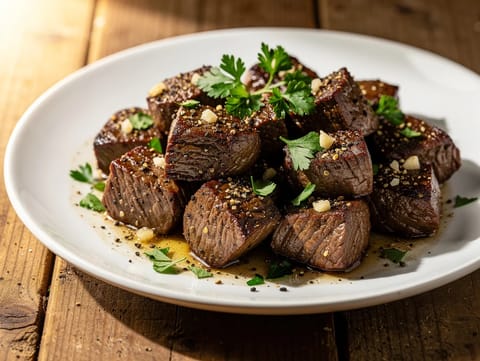
Skillet Garlic Butter Steak Bites
Seared steak bites tossed with garlic butter and parsley
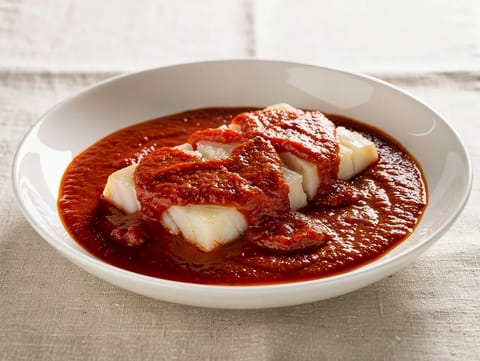
Bacalao a la Vizcaína (Salt Cod in Biscayan Sauce)
Salt cod simmered in Biscayan red pepper and tomato sauce
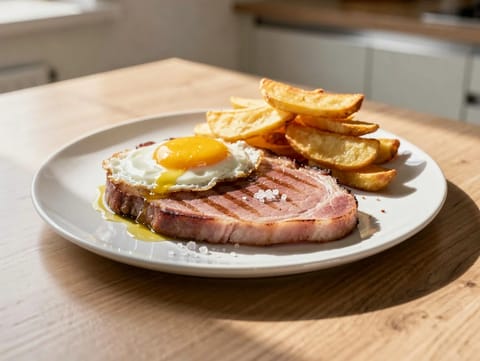
Gammon Steak with Fried Egg and Chips
Pan-fried gammon with fried egg and crisp oven chips
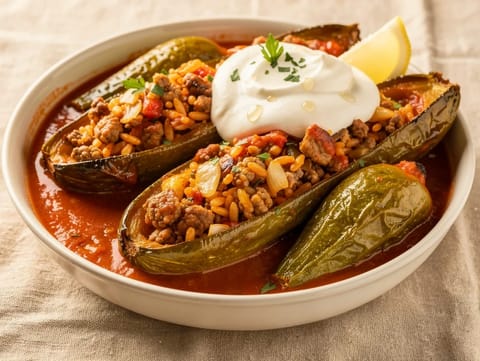
Turkish Stuffed Courgettes with Minced Lamb and Rice
Courgettes stuffed with minced lamb and rice in tomato sauce
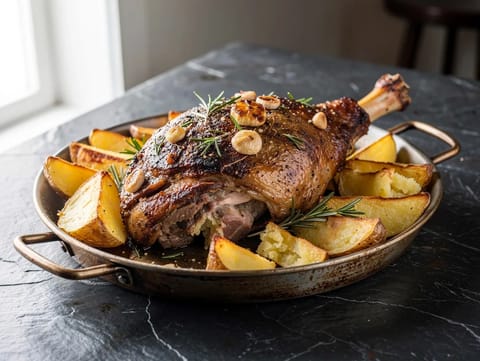
Slow-Roasted Leg of Lamb with Rosemary and Garlic
Slow-roasted leg of lamb with rosemary and garlic
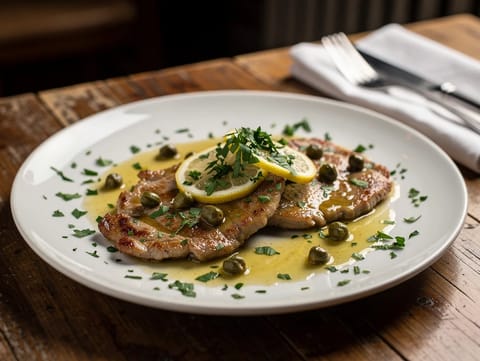
Piccata di Vitello al Limone (Veal Piccata with Lemon and Capers)
Veal escalopes in a lemon, caper and butter sauce
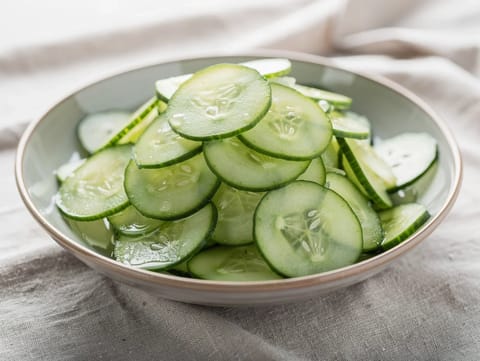
Agurkesalat (Danish Cucumber Salad in Sweet Vinegar Dressing)
Danish cucumber salad in a sweet and tangy vinegar dressing

Air Fryer Wontons
Crispy air fryer wontons with pork and spring onion.

Tết Sweet Soups (Vietnamese Chè with Coconut Milk)
Sweet coconut soup with mung beans and tapioca pearls
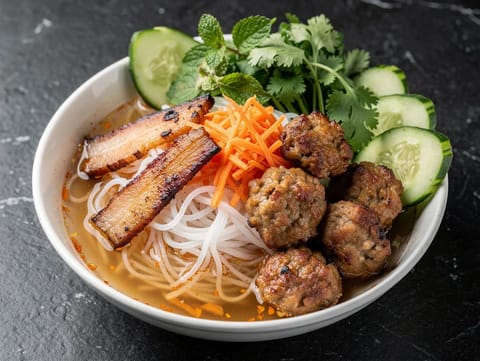
Bún Chả (Grilled Pork with Rice Vermicelli)
Grilled pork with rice vermicelli, herbs and dipping sauce
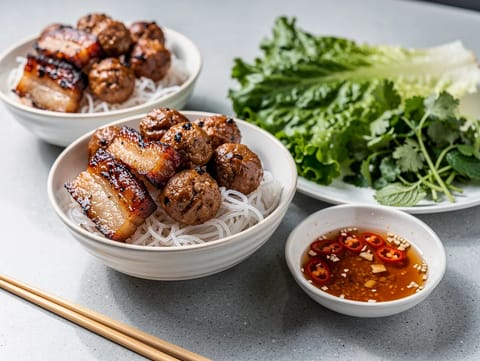
Holiday Bun Cha
Grilled pork with nuoc cham, vermicelli, herbs and lettuce.

Classic Bubble Tea (Taiwanese Boba)
Black milk tea served over chewy tapioca pearls and ice
You might also like
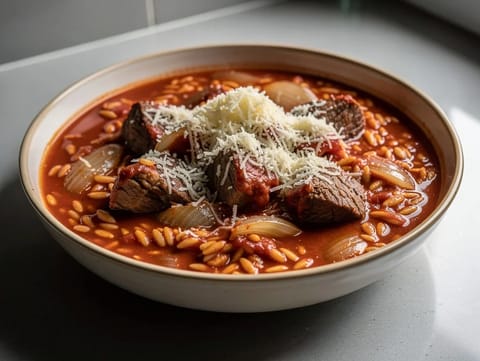
Youvetsi (Greek Beef Stew with Orzo)
Greek beef stew baked with orzo in tomato and cinnamon

Tacos Dorados de Pollo (Crispy Fried Chicken Tacos)
Crispy fried chicken tacos with crema, lettuce and salsa
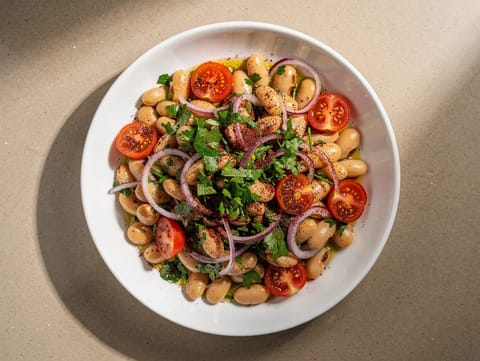
Piyaz (Turkish White Bean Salad)
Turkish white bean salad with lemon dressing and sumac
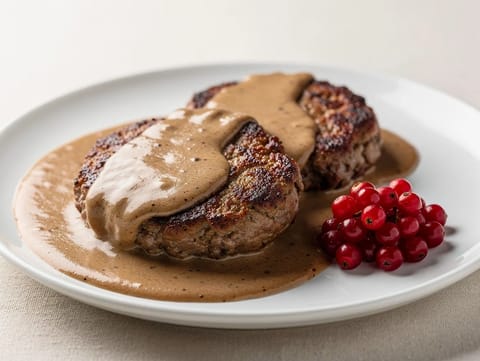
Pannbiff (Swedish Beef Patties with Cream Gravy)
Swedish beef patties with cream gravy and lingonberries
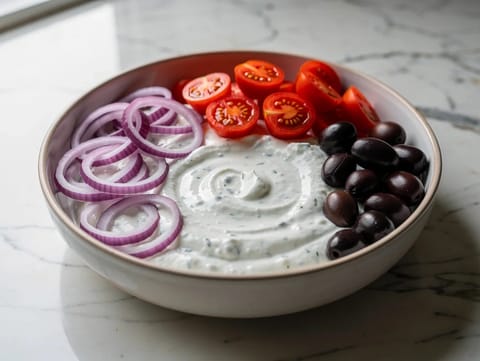
Tzatziki and Veggie Bowl
Tzatziki served with fresh vegetables, olives and warm pitta
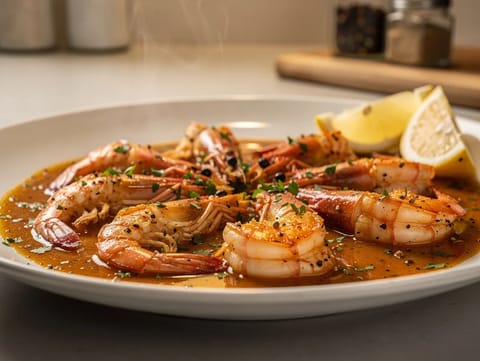
New Orleans BBQ Shrimp
Quick prawns cooked in buttery Worcestershire, lemon and pepper sauce
Make this recipe easier next time
AdvertisementThese tools help you get better results with less effort.
KitchenAid Stainless Steel Mixing Bowls
- Non-slip base
- Stainless steel
- Not microwave safe
Pyrex Glass Mixing Bowls with Lids
- Microwave safe
- BPA-free lids
- Glass is heavier
OXO Good Grips Stainless Mixing Bowl Set
- Non-slip base
- Comfort grip
- Higher price
Enjoy cooking with JustRecipes?
Add JustRecipes as one of your preferred Google sources to discover our recipes more easily across Google Search.
Add JustRecipes to GoogleEvery recipe on JustRecipes follows the same structured editorial process. Learn how recipes are created, validated, translated, illustrated, and continuously improved across the platform. How we create recipes.
