
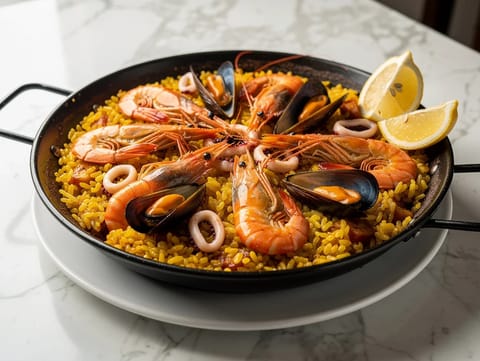
Paella de Marisco (Spanish Seafood Paella with Prawns, Mussels and Squid)
Seafood paella with prawns, mussels and squid
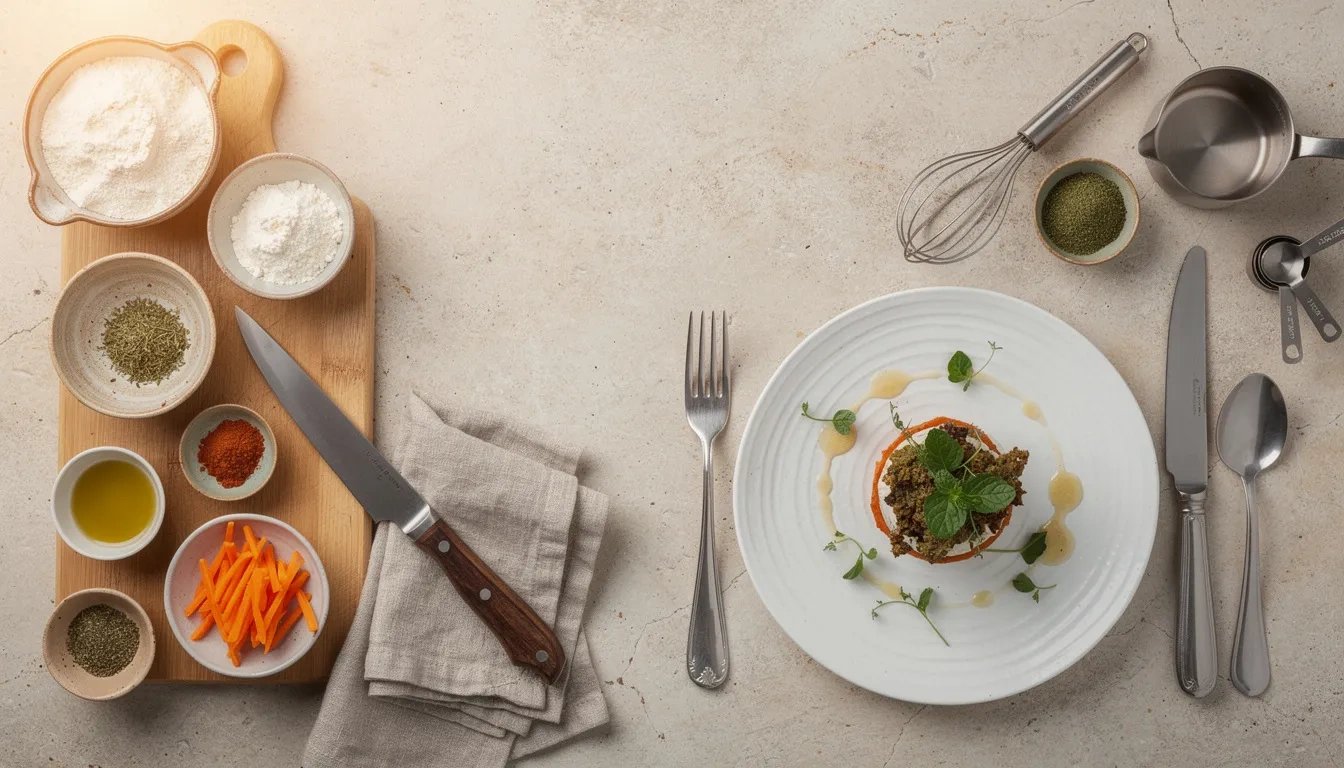
Advanced recipes tend to ask for more than time. They often involve several moving parts, tighter timing, or techniques where small details change the outcome, such as emulsions, sugar stages, laminated dough, or carefully managed heat. This is the place to cook when you want a project, or when you are happy to read ahead, set up your ingredients, and stay close to the hob or oven. The payoff is usually precision: cleaner textures, sharper definition between components, and a finish that depends on good judgement rather than simply following a timer.
Difficulty is usually about coordination. An advanced recipe may be perfectly straightforward in flavour, yet still demanding because you are juggling parallel tasks: reducing a sauce while searing meat, tempering eggs while keeping a custard below a scramble, or shaping dough while it is at a specific temperature. You will often be asked to rely on sensory cues, such as a glossy meringue, a sauce that coats the back of a spoon, or a roast that feels springy rather than soft. Advanced also commonly means less room for casual substitutions, because structure matters as much as taste.
Seafood paella with prawns, mussels and squid
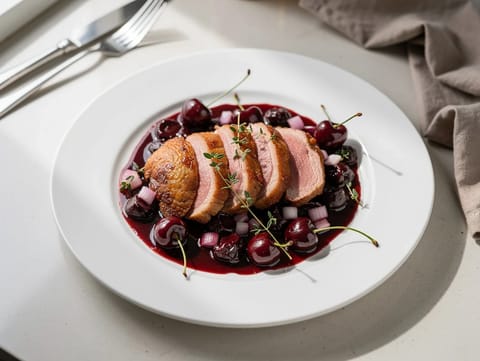
Pan-seared duck with cherry bourbon pan sauce
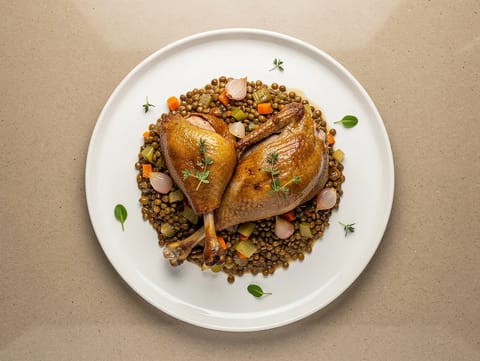
Tender duck legs served over braised puy lentils
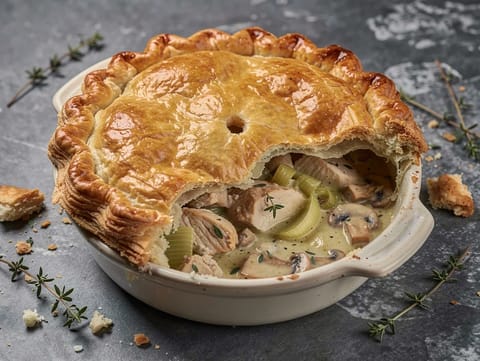
Chicken and leek pie with mushrooms and puff pastry
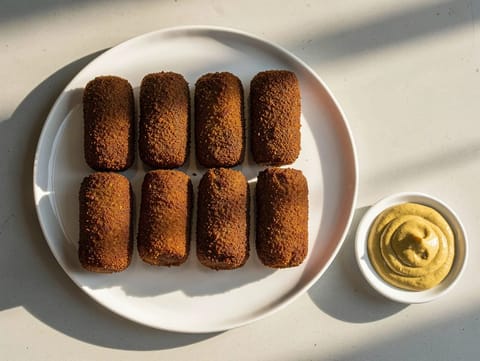
Dutch beef ragout croquettes with a crisp breadcrumb coating
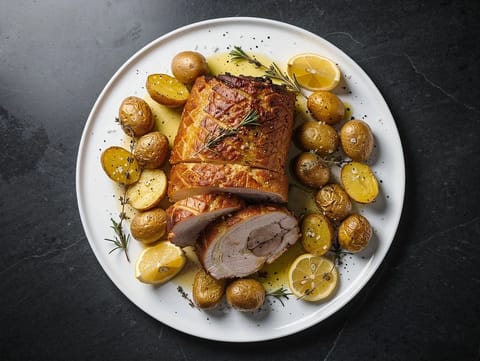
Rolled pork belly with roast potatoes and herbs
Advanced does not automatically mean expensive ingredients, restaurant-style plating, or long cooking. Some advanced recipes are quick but intense, with short windows where you need to act decisively. Others are slow because they include resting, chilling, proving, or staged cooking. It also does not necessarily mean specialist equipment, though certain techniques are easier with the right tools. What it does imply is that success depends on attention: reading the method carefully, understanding why steps happen in a particular order, and being willing to pause and correct as you go.
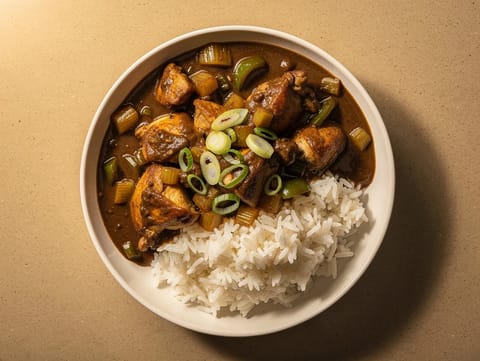
Cajun chicken étouffée with dark roux served over rice
Dutch beef ragout croquettes with a crisp breadcrumb coating
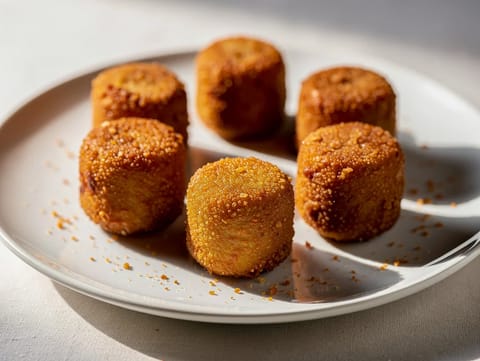
Belgian cheese croquettes with cheddar béchamel and a crisp coating
Chicken and leek pie with mushrooms and puff pastry
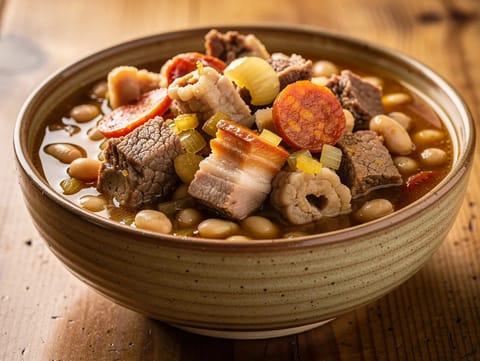
Porto-style tripe stew with pork, chorizo and white beans
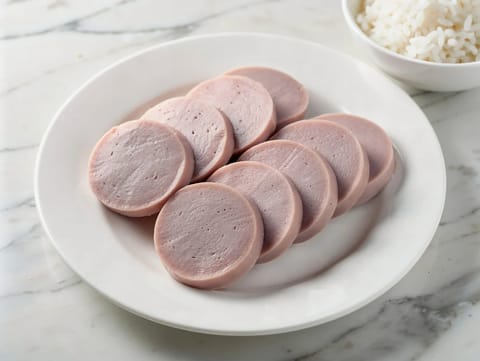
Vietnamese steamed pork sausage wrapped in banana leaves
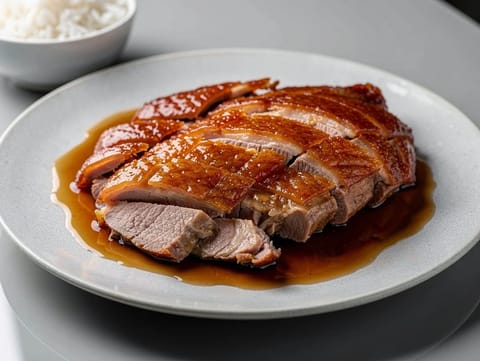
Cantonese roast duck with crisp skin
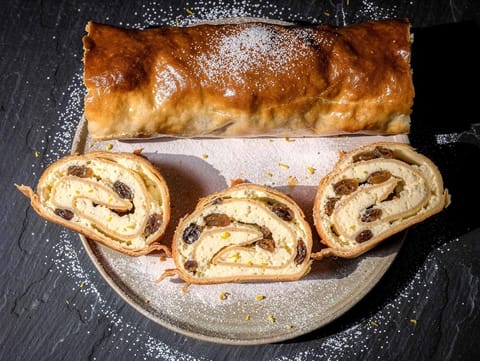
Crisp pastry strudel filled with vanilla quark, lemon and sultanas

Italian butter cornetti baked golden and finished with icing sugar
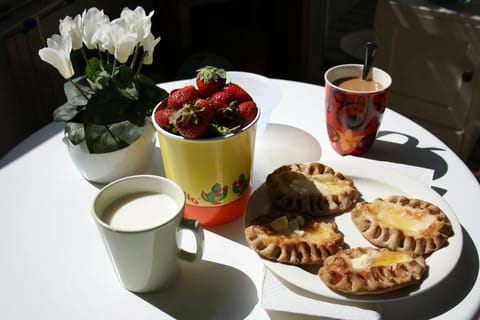
Rye pastries filled with rice porridge and served with egg butter
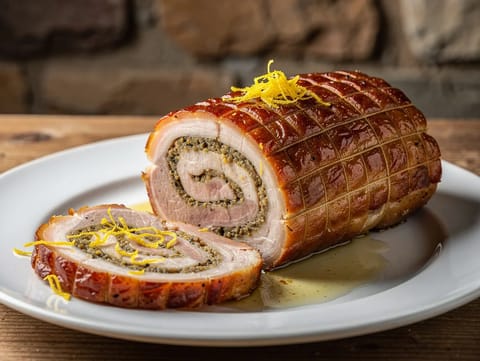
Italian rolled pork roast with fennel, rosemary and lemon
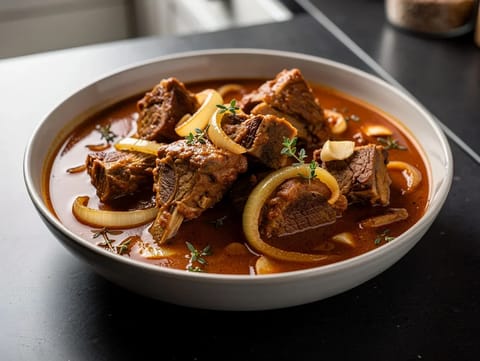
Slow-cooked curry goat with allspice and Scotch bonnet
Read the method once for sequence, then again for bottlenecks: points where two things finish at once, or where you cannot step away. Set out bowls, pans and measuring tools before you start, especially for batters, custards and sauces where timing matters. When a recipe includes chilling or resting, treat it as part of the method, not optional waiting time, because it often controls texture. Finally, taste and check earlier than you think you need to. In advanced recipes, small adjustments to seasoning, acidity or thickness are easiest before everything is combined.
If you enjoy precision, look for recipes built around a single technique, such as tempering chocolate, making pâte à choux, or producing a stable emulsion like hollandaise or mayonnaise. If you prefer a broader project, choose recipes with components you can stage, such as a layered dessert, filled pastry, or a main with a sauce and garnish. For a more forgiving challenge, pick methods where you can correct course, such as braises with a final reduction, or doughs that can be re-chilled if they soften. If you want intensity without complexity, choose recipes that focus on heat control, like searing, caramelising or frying, where the key skill is judgement at the pan.
Advanced cooking is often technique-led, so browsing by Cooking method can help you pick a challenge you actually want, whether that is baking, frying, or sauce-making. Cooking time is also worth checking, because “advanced” can mean either a focused, hands-on session or a longer recipe with resting and staged steps.
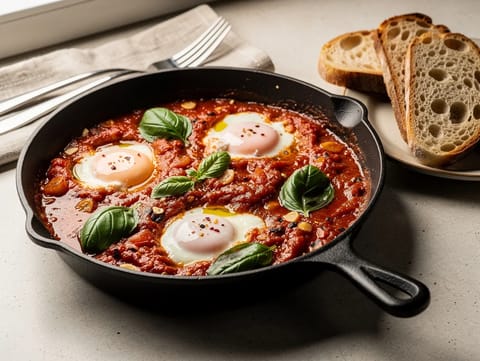
Eggs poached in garlicky tomato sauce with chilli and basil
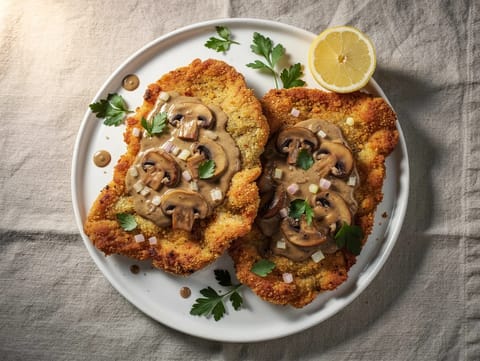
Crisp pork schnitzel topped with creamy mushroom sauce
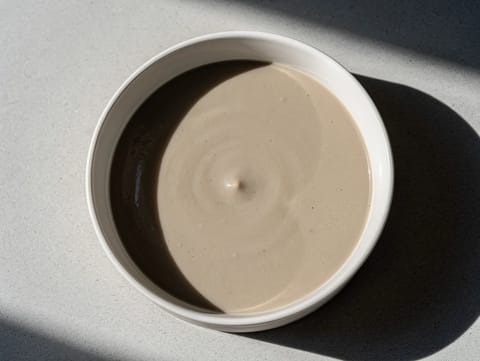
Blended mushroom soup finished with double cream
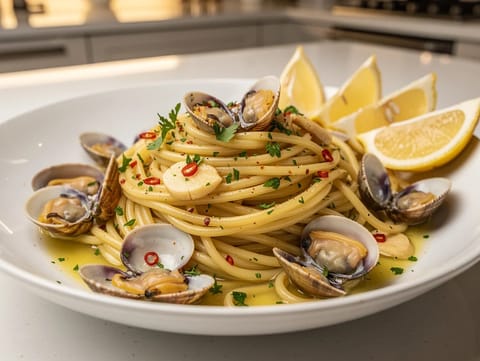
Linguine with clams, garlic, white wine, chilli and parsley
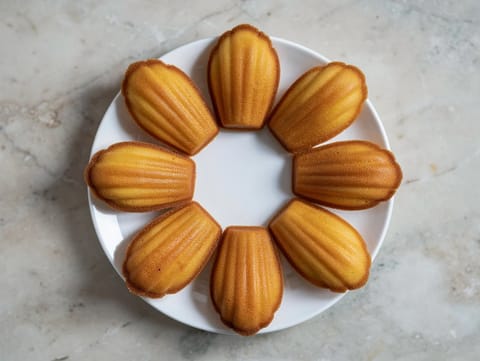
French shell-shaped sponge cakes with lemon and vanilla
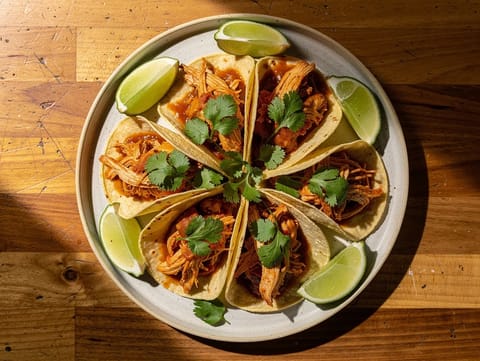
Tacos filled with shredded chicken tinga and chipotle sauce
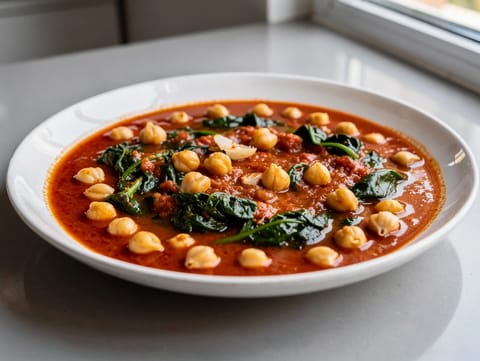
Spinach and chickpeas simmered with cumin, paprika and tomato
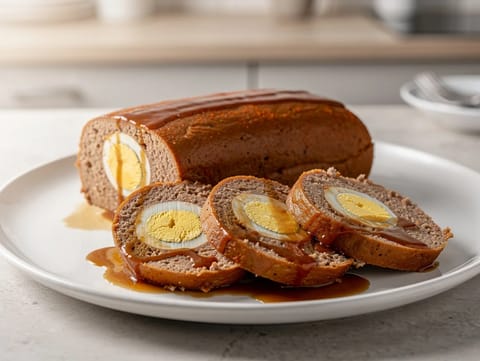
German stuffed meatloaf baked with hard-boiled eggs inside
Not necessarily. Some are long because they include chilling, proving or slow cooking, but others are short and demanding because several steps happen quickly and need close attention.
Sometimes a tool makes the job easier, but the bigger requirement is usually control and observation. A reliable oven, accurate scales and a good thermometer can help, yet many advanced techniques are still possible with standard cookware.
Rushing the setup. Skipping a read-through, starting without ingredients measured, or missing a resting step tends to create timing pressure, and that is when temperatures drift and textures go off course.
Look for steps that require waiting, such as chilling dough or cooling a custard, and work backwards. If the method relies on serving something immediately, plan the rest of the meal around that finishing window.
Often, but choose what to simplify carefully. Removing a garnish is usually harmless; changing a structural step, such as whipping, folding, or reducing to a specific thickness, can change the final texture.
No. Difficulty describes skill and attention, not cultural origin. Traditional dishes can be easy or advanced depending on the method and the level of detail.
With advanced recipes, a calm start usually matters more than speed. Choose a technique you are curious about, give yourself space to focus, and treat the method as a set of cues to watch for, not just a list of steps to tick off.
