
Falscher Hase (German Stuffed Meatloaf with Eggs)
Why this recipe works
- Tender, well-bound loaf: Milk-soaked breadcrumbs help bind the minced pork and beef while keeping the texture moist rather than heavy.
- Classic savoury seasoning: Softened onion, mustard, marjoram and paprika give the meatloaf a rounded German comfort-food flavour.
- Easy to portion: The hard-boiled eggs create a distinctive centre and make the loaf satisfying when sliced thickly for serving.
Get the most out of this recipe
Authenticity notes
- German home-style dish: Falscher Hase is best understood as a home-style German meatloaf rather than a game dish, despite the name’s reference to hare.
- Egg-filled centre: Hard-boiled eggs are a familiar variation, giving the loaf its recognisable sliced appearance.
- Traditional-style serving: Serve with the pan juices and simple potato or vegetable sides to keep the meal hearty and balanced.
Timing notes
- Rest before slicing: Let the loaf stand in the pan before cutting so the juices settle and the slices hold together more cleanly.
- Active time is front-loaded: Most of the work is in boiling the eggs, cooking the onion and shaping the loaf; the oven does the rest.
- Best served hot: Slice while warm and spoon over the pan juices just before serving for the best texture and flavour.
Texture tips
- Soak the breadcrumbs fully: Let the breadcrumbs absorb the milk before adding the meat; this helps prevent a dense or dry loaf.
- Mix until slightly sticky: The meat mixture should feel evenly combined and lightly tacky, which helps it bind around the eggs.
- Check doneness carefully: If using a thermometer, the centre should reach 72°C (160°F) before resting.
Make-ahead tips
- Prepare components early: The eggs can be boiled and peeled, and the onion cooked ahead, then chilled until you are ready to assemble.
- Freeze in slices: Cool the loaf completely, slice, wrap well and freeze portions for convenient reheating.
- Reheat gently: Warm slices in a 180°C (355°F) oven until piping hot, adding a little pan juice if available to keep them moist.
Equipment you'll need
Ingredients
Instructions
- Put 4 of the eggs in a saucepan, cover with cold water and bring to the boil. Simmer for 10 minutes, then drain and cool under cold running water. Peel the eggs and set aside.
- Heat the oven to 180°C (355°F). Pour the milk over the breadcrumbs in a mixing bowl and leave to soak for 5 minutes. Meanwhile, finely chop the onion.
- Heat the sunflower oil in a frying pan over a medium heat and cook the onion for 6 to 8 minutes until soft and lightly golden. Tip into a bowl and let it cool for 2 minutes so it does not scramble the mixture. Lightly oil a loaf pan with a little of the oil left in the pan.
- Add the minced pork, minced beef, the remaining 2 eggs, Dijon mustard, dried marjoram, fine sea salt and black pepper to the breadcrumb mixture. Mix thoroughly with clean hands until evenly combined and slightly sticky. If the mixture feels very loose, work it for another minute to help it bind.
- Press half the meat mixture into the loaf pan, then nestle the peeled hard-boiled eggs in a line down the centre. Pack the remaining meat mixture over the top and around the eggs, sealing well so the eggs are fully enclosed. Smooth the top into a neat loaf.
- Stir the sweet paprika with 1 tablespoon water to make a thin glaze, then brush it over the top of the loaf. Bake for 55 to 60 minutes until browned and the juices run clear. Rest in the pan for 10 minutes before slicing.
- Pour off the pan juices into a small bowl and spoon them over the slices when serving. Slice thickly so each portion gets a piece of egg. Serve hot.
Recipe notes
Tips
- For clean slices, use a sharp knife and wipe the blade between cuts, especially when you reach the egg.
- If you have a thermometer, the centre of the loaf should reach 72°C (160°F) before resting.
- Eggs should be fully cooked; if serving to pregnant people, young children, older adults, or anyone immunocompromised, use eggs stamped with the British Lion mark or an equivalent safety standard.
Substitutions
- Replace Dijon mustard with whole-grain mustard for a milder heat and a coarser texture.
- Replace whole milk with low-fat milk; the loaf will be slightly less rich but still tender.
- Replace sunflower oil with olive oil for a fruitier flavour.
Storage
- Refrigerate up to 3 days
- Cool completely, then refrigerate in a sealed container. Reheat slices in a 180°C (355°F) oven for 10 to 12 minutes until piping hot, or warm gently in a frying pan with a spoonful of the pan juices. Freeze sliced portions well wrapped for up to 2 months and defrost overnight in the fridge before reheating.
Ratings & reviews
Liked this recipe? Share your feedback to support our cooking community.
Tried this recipe?
Choose 1–5 stars. A comment is optional.
Stay inspired
Discover new recipes, seasonal favourites and cooking inspiration every day. Follow JustRecipes on Pinterest and Spillt.

Recipe overview
- Servings: 4 servings
- Total time: 1h 35min (30min active)
- Difficulty: Medium
- Cuisine: German
-
Allergens:
Eggs Gluten Milk Wheat
Plan your meals and get a complete grocery list automatically.
Add to meal plannerEquipment you'll need
Got ingredients left?
Find recipes using ingredients from this recipe or what you already have at home.
Find recipes with these ingredients →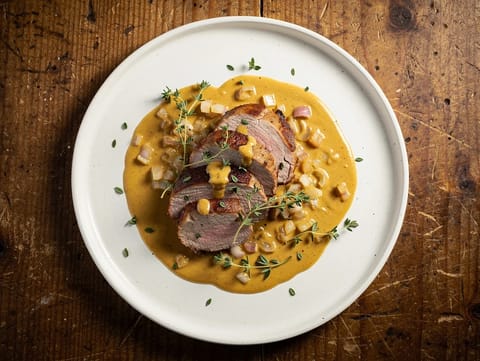
Pork Tenderloin with Dijon Mustard Sauce
Pan-seared pork with a quick Dijon mustard sauce

Miso Butter Salmon (Salmon with Miso and Butter Glaze)
Baked salmon with a glossy miso butter glaze

Lomo de Cerdo a la Naranja (Pork Loin with Orange Sauce)
Seared pork loin simmered in a glossy orange sauce

Roast Beef with Yorkshire Pudding
Roast beef with crisp Yorkshire puddings and simple gravy

Wielkanocna Pieczeń (Polish Easter Roast Loaf with Eggs)
Polish roast loaf with minced pork, beef and eggs

Chuletón a la Parrilla (Spanish-Style Grilled T-Bone Steak)
Spanish-style grilled T-bone steak with sea salt and lemon
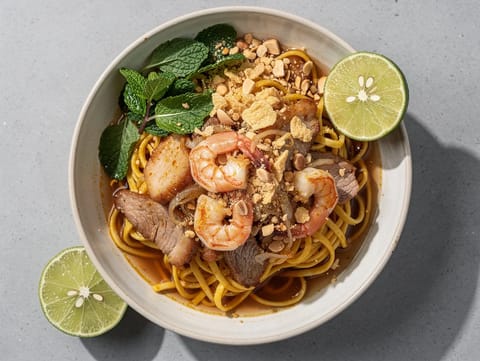
Mi Quang (Turmeric Noodles with Pork and Prawns)
Turmeric rice noodles with pork, prawns, herbs, peanuts and lime

Đậu Hũ Sốt Cà (Tofu in Tomato Sauce)
Tofu simmered in a light tomato sauce with garlic

Pan-Seared Chicken with Pico de Gallo (Tomato, Lime and Coriander Salsa)
Pan-seared chicken topped with fresh pico de gallo

Tomato and Egg Stir-Fry (Classic Chinese Home-Style Dish)
Soft eggs stir-fried with juicy tomatoes and spring onions
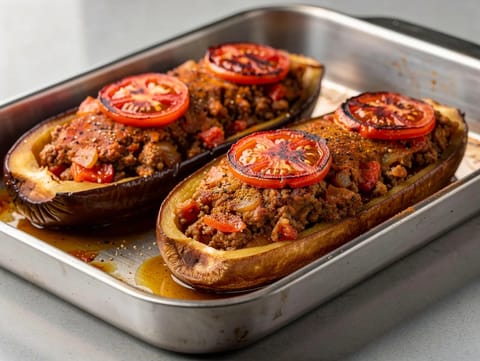
Karniyarik (Aubergine Stuffed with Minced Beef)
Baked aubergines stuffed with minced beef, onion and tomatoes
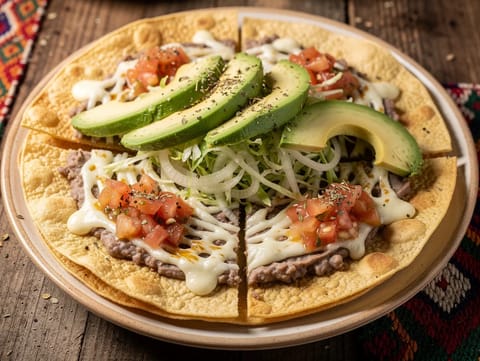
Tlayudas Oaxaqueñas (Large Crisped Tortillas with Beans, Cabbage and Queso Oaxaca)
Crisped tortillas topped with beans, cabbage, avocado and cheese
Wielkanocna Pieczeń (Polish Easter Roast Loaf with Eggs)
Polish roast loaf with minced pork, beef and eggs
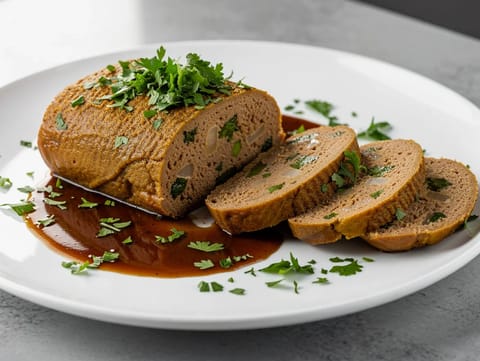
Hackbraten (German Meatloaf with Mustard Crust)
Beef and pork meatloaf with mustard crust and pan-juice gravy

Frikadellen (German Meat Patties)
German pan-fried meat patties made with beef, pork and mustard

Frikadeller (Danish Pan-Fried Pork Meatballs)
Danish pan-fried pork meatballs with onion and breadcrumbs
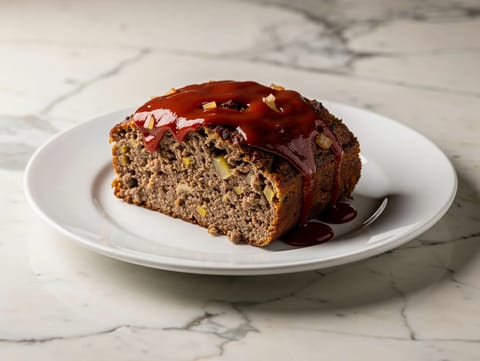
Southern Meatloaf with Ketchup Glaze
Minced beef meatloaf baked with a sticky ketchup glaze

Fusion Kroket Bites (Chicken Croquette Snack Bites)
Crisp fried chicken kroket bites with béchamel
You might also like
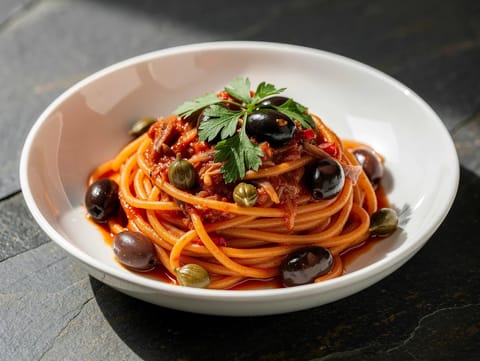
Spaghetti alla Puttanesca (Tomato, Olive and Anchovy Pasta)
Spaghetti in tomato sauce with olives, anchovies and capers
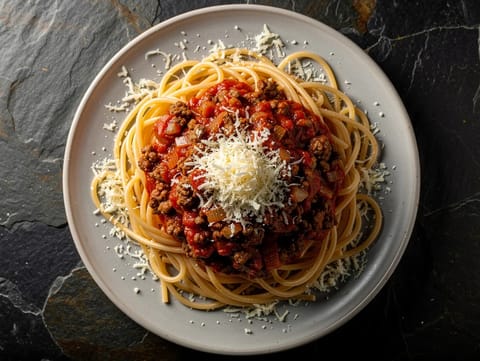
Makaronia me Kima (Greek Spaghetti with Minced Beef and Tomato Sauce)
Greek spaghetti with minced beef, tomato and cinnamon
Lasagna Bianca delle Feste (White Lasagne with Pork and Porcini)
White lasagne with béchamel, minced pork and porcini mushrooms
Air Fryer Cheese Stuffed Chicken
Cheese-stuffed chicken with cheddar and cream cheese, air-fried.

Jambalaya (Creole Rice Dish with Chicken and Andouille)
One-pot rice dish with chicken thighs, andouille and tomatoes
Air Fryer Fish and Chips
Crispy breadcrumb fish with chunky air fryer chips.
Make this recipe easier next time
AdvertisementThese tools help you get better results with less effort.
KitchenAid Stainless Steel Mixing Bowls
- Non-slip base
- Stainless steel
- Not microwave safe
T-fal Specialty Nonstick Handy Pot with Glass Lid 3 Quart
- Easy food release
- Dishwasher safe
- Not induction compatible
OXO Good Grips Stainless Mixing Bowl Set
- Non-slip base
- Comfort grip
- Higher price
WMF Mini Saucepan 16 cm with Lid
- High-quality stainless steel
- Even heat distribution
- Higher price point
Enjoy cooking with JustRecipes?
Add JustRecipes as one of your preferred Google sources to discover our recipes more easily across Google Search.
Add JustRecipes to GoogleEvery recipe on JustRecipes follows the same structured editorial process. Learn how recipes are created, validated, translated, illustrated, and continuously improved across the platform. How we create recipes.
