
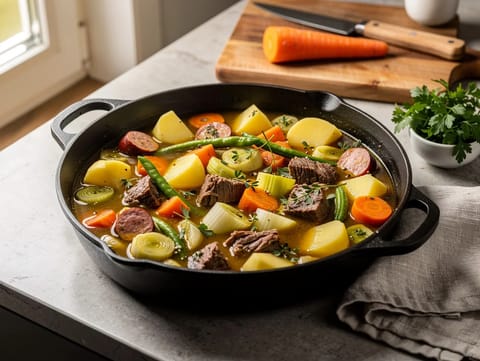
Eintopf (German One-Pot Stew with Sausage and Beans)
German one-pot stew with smoked sausage, beans and potatoes

German cooking is often defined by sturdy, well-seasoned food that suits cool weather and hungry tables, but it is not only about sausages and beer halls. You will also find plenty of vegetable dishes, soups, breads and a deep baking tradition.
A helpful way to choose a German recipe is to decide whether you want something built around meat and gravy, something potato-led, or something baked, from pretzels and rolls to fruit cakes and custardy desserts.
German recipes often prioritise texture and practicality: crisp-edged potatoes, dumplings that soak up sauce, cabbage cooked until sweet, and roasts that slice cleanly. Seasoning tends to be assertive but not chaotic, with herbs, mustard, caraway and pepper doing a lot of the work. Many dishes are designed around a clear centrepiece plus a supporting side, such as a braise with dumplings, or sausages with a warm potato salad. If you are planning a meal, think about contrast. Rich meats and gravies usually want something sharp or pickled alongside; creamy dishes often benefit from a bitter leaf or a simple cucumber salad to keep the plate from feeling heavy.
German one-pot stew with smoked sausage, beans and potatoes
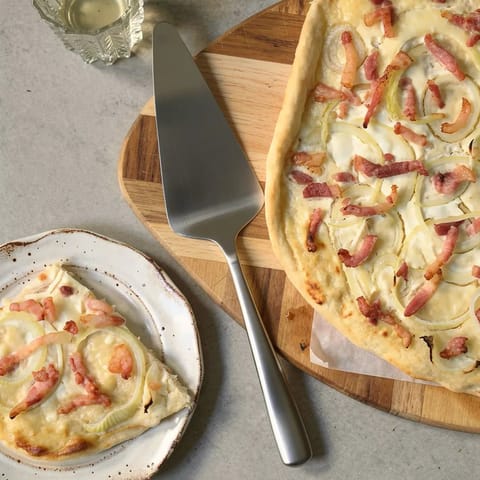
Thin, crisp flatbread with crème fraîche, onion and bacon
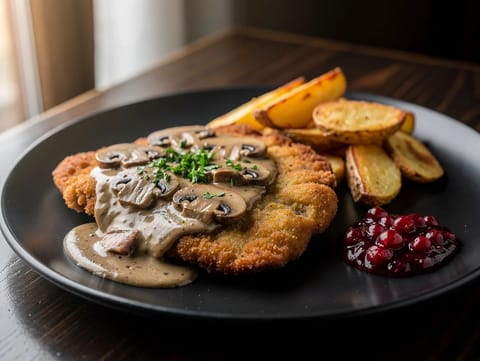
Crisp pork schnitzel topped with creamy mushroom gravy
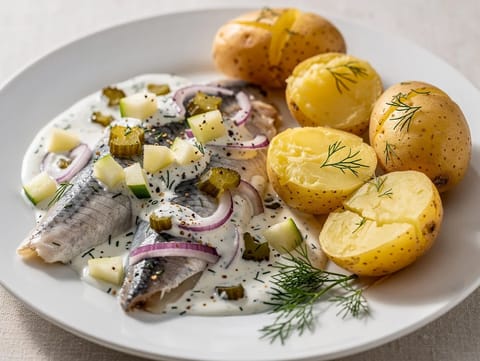
Pickled herring in sour cream with apple and gherkins
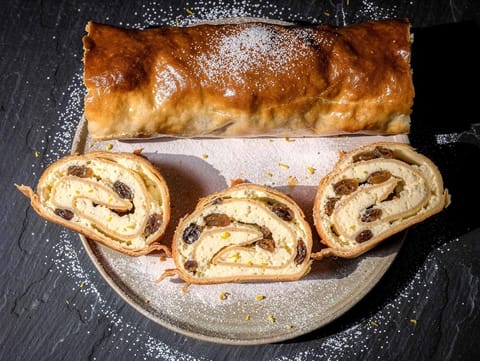
Crisp pastry strudel filled with vanilla quark, lemon and sultanas
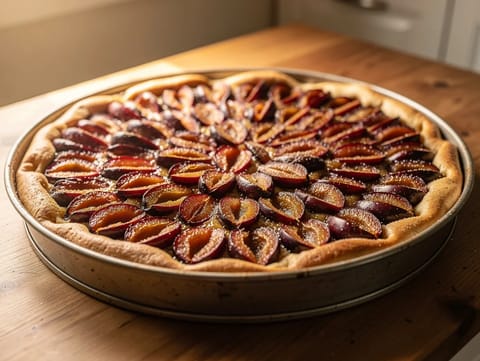
German plum cake with yeasted base and cinnamon sugar
Germany’s food changes noticeably by region, shaped by climate, agriculture and neighbouring cuisines. Northern cooking often leans towards fish, rye breads and simpler, briny flavours. Central regions are known for sausages and hearty stews, with plenty of potatoes and cabbage. In the south, you are more likely to see dumplings, spätzle-style noodles, richer sauces and Alpine influences. These are broad strokes rather than rules, but they explain why two ‘German’ recipes can feel quite different. When a dish name includes a place, it often signals a particular style of seasoning, a preferred starch, or a traditional way of serving, which can help you choose sides and garnishes that make sense.

Chilled German red berry pudding thickened with cornflour
German one-pot stew with smoked sausage, beans and potatoes
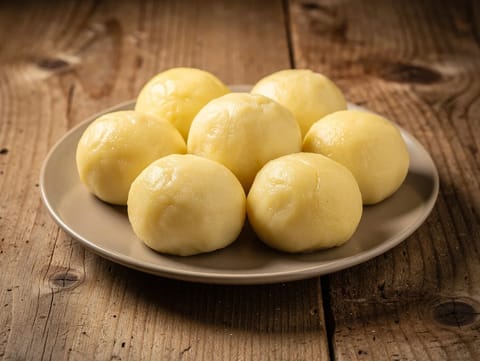
German potato dumplings gently simmered until tender
German plum cake with yeasted base and cinnamon sugar
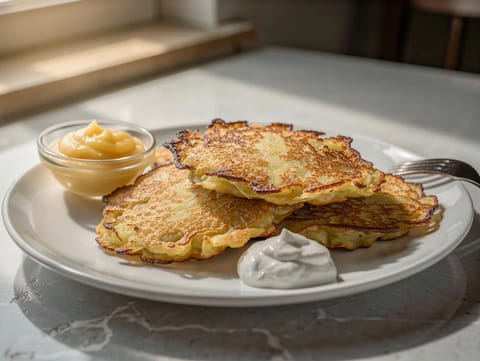
Crisp German potato pancakes with onion, egg and flour
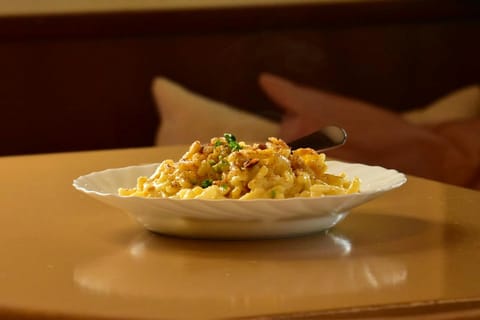
Cheesy spätzle noodles layered with Gruyère and fried onions
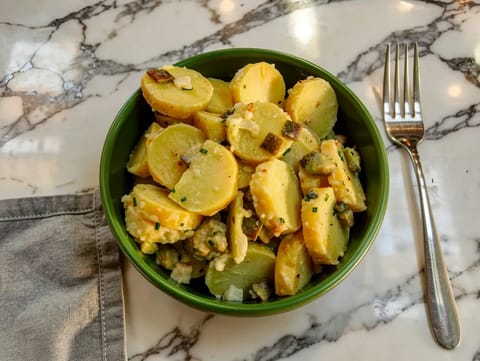
German potato salad with vinegar, mustard and parsley
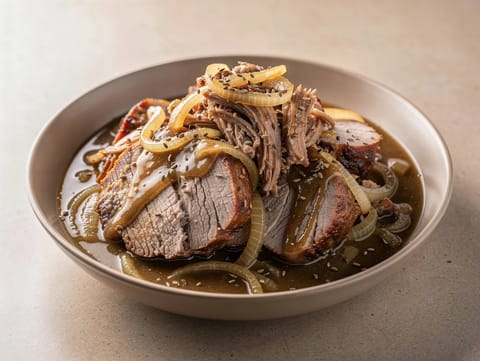
Pork shoulder slow-braised in lager with onion and caraway
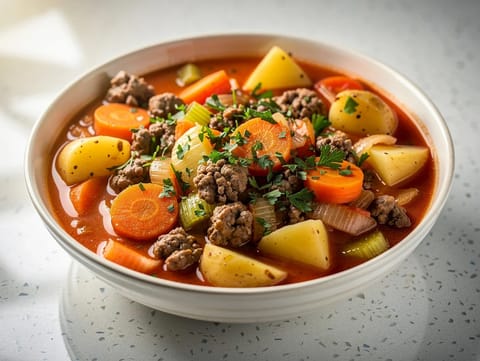
Minced beef and potato stew in a paprika-tomato broth
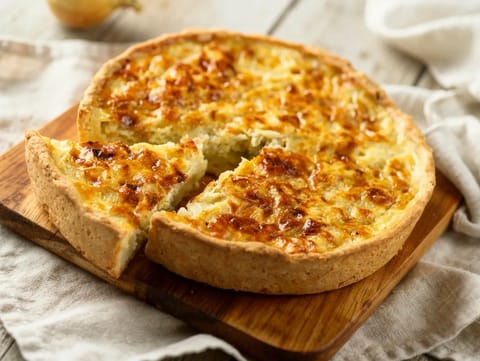
German yeasted onion tart with bacon and crème fraîche
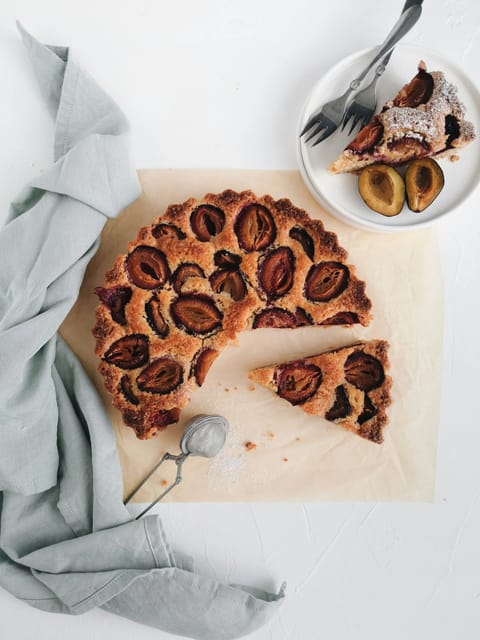
German yeast plum cake topped with fresh plums and cinnamon sugar
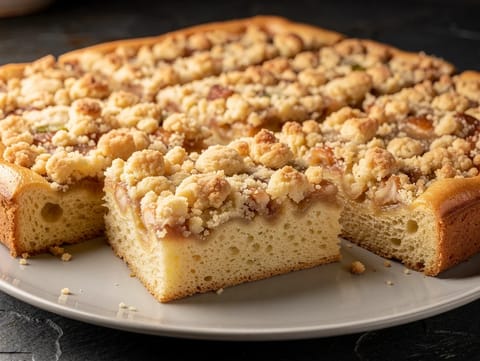
German yeasted crumb cake with a thick buttery streusel topping
A few ingredients recur across German cooking and give it a recognisable profile. Potatoes appear in many forms: boiled and dressed while warm, mashed, fried, or baked into dumplings. Cabbage, both fresh and fermented, brings sweetness and tang, and it stands up well to long cooking. Mustard is a common seasoning and condiment, adding heat and acidity without relying on chilli. Apples show up in both savoury and sweet contexts, pairing naturally with pork, cabbage and warm spices. In baking, you will often see nuts, poppy seeds, stone fruits and spices such as cinnamon and clove. These patterns help you predict whether a dish will be sharp, sweet-sour, or deeply savoury.
German cooking makes good use of methods that build flavour steadily. Braises and pot roasts develop depth through browning, then gentle simmering until the meat is tender and the cooking liquid becomes a sauce. Roasting is common too, often with attention to crackling skin or crisp edges. Side dishes are not an afterthought: dumplings, spätzle and potato salads are designed to catch gravy and balance salt and fat. If you are cooking a German-style meal, plan your timing around the starch. Dumplings and noodles are best cooked close to serving, while braises can often be made ahead and gently reheated without losing their character.
German cooking is easy to browse by deciding what you want on the plate: sausages, a roast, a dumpling dish, a salad, or a cake. Browsing by Dish helps you choose that format. Browsing by Cooking method is useful when you know you want to braise, roast or bake and would like German-style options that suit the method.
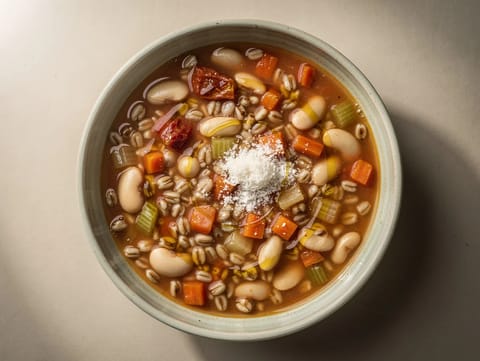
Italian spelt soup with beans, tomatoes, vegetables and Parmesan

Sugar-coated doughnuts filled with vanilla pastry cream

A creamy smoothie with banana, black sesame and soy milk.
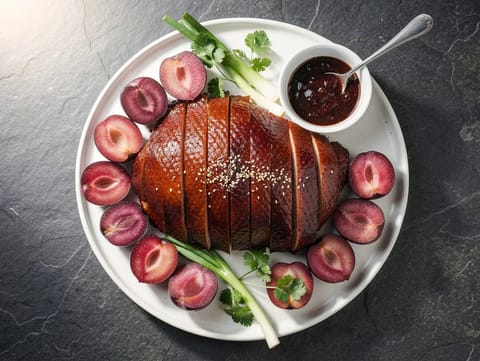
Cantonese roast duck with crisp skin and plum sauce
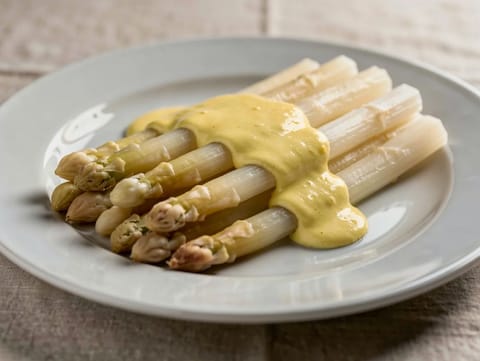
Boiled white asparagus served with classic lemony hollandaise sauce
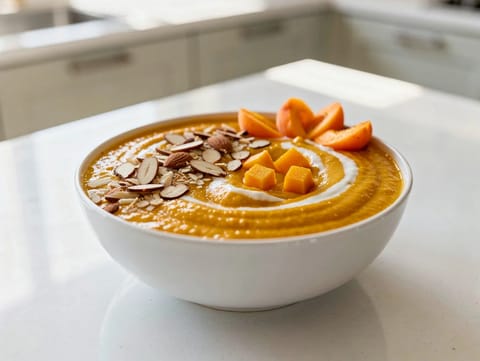
A thick apricot almond smoothie bowl with Greek yoghurt.
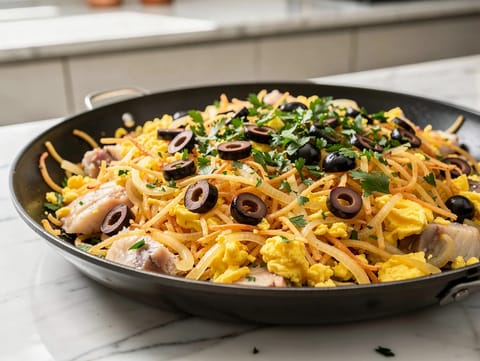
Salt cod with eggs, shoestring potatoes, olives and parsley
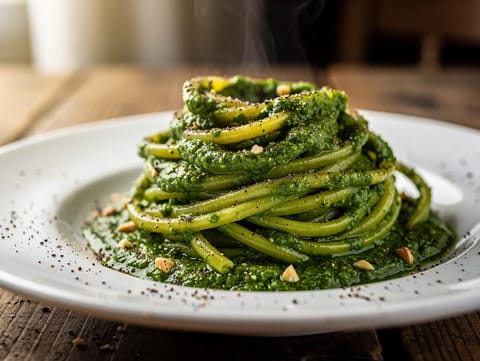
Pasta tossed with basil pesto, Parmesan and pine nuts
Many German dishes are rich and filling, especially those built around pork, sausages, dumplings and gravy. But there are also lighter soups, salads, fish dishes and vegetable sides that rely on acidity and herbs.
It depends on the region. Some versions are dressed while the potatoes are still warm so they absorb the seasoning; others use a creamier dressing. The key is choosing the style that matches the rest of the meal.
Dumplings can become heavy if the mixture is overworked, too wet, or cooked at a hard boil. Gentle simmering and handling the dough lightly usually helps keep them tender.
No. Sauerkraut is a well-known element, but German cuisine includes plenty of dishes without it. Fresh cabbage, potatoes, breads and roasts are equally characteristic.
You will often see warm spices, nuts, poppy seeds and fruit, especially apples and stone fruits. Many cakes focus on texture and aroma rather than very sweet icing.
Choose a centrepiece, then add a starch that will catch the sauce and a sharp side to cut through richness. Once you start thinking in those building blocks, German recipes become straightforward to mix and match.
