
Cantonese Roast Duck with Plum Sauce
Why this recipe works
- Crisp skin: Drying and pricking the skin helps the fat render, while the hot initial roast encourages a deep golden finish.
- Aromatic seasoning: Five-spice, ginger, garlic and soy season both the skin and cavity, giving the duck a savoury, fragrant depth.
- Richness balanced: The plum sauce cuts through the duck’s natural richness with rice vinegar, fruit acidity and gentle sweetness.
Get the most out of this recipe
Texture tips
- For crisper skin: Pat the duck thoroughly dry before seasoning, and leave it uncovered in the fridge for a few hours if time allows.
- Lift it from the pan: A rack helps air circulate and keeps the duck from sitting in rendered fat, which gives the skin a better chance to crisp.
- Rest before carving: Let the duck rest before slicing so the juices settle and the meat carves more neatly.
Ingredient notes
- Use fresh five-spice: Chinese five-spice should smell warm and aromatic; if it is dull or dusty, the seasoning will taste flat.
- Choose the right plums: Ripe but firm plums give the sauce fruitiness without becoming watery or overly sweet.
- Balance the sauce: Taste the plum sauce at the end and adjust with a little more vinegar for sharpness or a touch more sweetness if needed.
Common mistakes
- Do not pierce the meat: When pricking the duck, pierce only the skin. Cutting into the flesh can release juices and make the meat drier.
- Use a thermometer: Check the thickest part of the thigh and cook to 75°C (165°F) for reliable doneness without unnecessary extra roasting.
- Protect darkening skin: If the skin colours too quickly, loosely cover the duck with foil, then uncover near the end to restore crispness.
Make-ahead tips
- Dry the duck ahead: The duck can be dried uncovered in the fridge before roasting, which improves the final skin texture.
- Keep sauce separate: Store carved duck and plum sauce in separate sealed containers so the skin and meat keep a better texture.
- Reheat gently: Warm duck portions in a 180°C (355°F) oven until piping hot, and loosen the sauce in a saucepan with a splash of water if needed.
Equipment you'll need
Ingredients
Instructions
- Heat the oven to 220°C (430°F). Pat the duck very dry with kitchen paper, then prick the skin all over with the tip of a knife, taking care not to pierce the meat. Rub the duck all over with the fine sea salt.
- Peel and finely grate the ginger, then crush the garlic. Mix the ginger and garlic with the Chinese five spice powder and 30 ml of the light soy sauce to make a paste. Rub the paste over the duck, including inside the cavity.
- Set the duck breast-side up on a rack in a roasting pan, or directly in the pan if you do not have a rack. Roast for 20 minutes to start crisping the skin, then reduce the oven to 180°C (355°F).
- Continue roasting for 60 to 70 minutes, basting every 20 minutes with the pan juices and brushing on the remaining 30 ml light soy sauce in the last two bastes. The duck is ready when the skin is deep golden and a thermometer in the thickest part of the thigh reads 75°C (170°F).
- Transfer the duck to a board and rest for 15 minutes before carving. Pour off most of the fat from the roasting pan, leaving the browned bits behind for flavour. Keep the pan nearby in case you want to spoon a little of the juices over the carved duck.
- While the duck rests, make the plum sauce: halve and stone the plums, then put them in a saucepan with the rice vinegar, brown sugar and water. Simmer for 10 to 12 minutes, stirring, until the plums collapse and the sauce turns glossy and thick enough to coat a spoon. Taste and adjust with a splash more rice vinegar for sharpness or a pinch more brown sugar for sweetness.
- Carve the duck into neat slices or joint it into portions. Serve with the warm plum sauce on the side for dipping or spooning over. Any extra sauce can be cooled and kept for leftovers.
Recipe notes
Tips
- For the crispest skin, take your time drying the duck thoroughly before seasoning, and keep it uncovered in the fridge for a few hours if you can.
- If the skin is browning too quickly, loosely cover the duck with foil for the final part of roasting, then uncover for the last 10 minutes to re-crisp.
- Food safety: make sure the duck is cooked to at least 75°C (170°F) in the thickest part of the thigh, especially for children, pregnant people, and anyone who is immunocompromised.
Substitutions
- Replace rice vinegar with white wine vinegar for a slightly sharper, less sweet acidity.
- Replace brown sugar with honey for a rounder sweetness in the plum sauce.
- Replace light soy sauce with dark soy sauce for deeper colour and a slightly sweeter, richer flavour.
Storage
- Refrigerate up to 3 days
- Cool the duck and sauce quickly, then refrigerate separately in sealed containers. Reheat duck portions in a 180°C (355°F) oven until piping hot, and warm the sauce gently in a saucepan with a splash of water if needed. Freeze carved duck and sauce separately for up to 2 months for best texture.
Ratings & reviews
Liked this recipe? Share your feedback to support our cooking community.
Tried this recipe?
Choose 1–5 stars. A comment is optional.
Stay inspired
Discover new recipes, seasonal favourites and cooking inspiration every day. Follow JustRecipes on Pinterest and Spillt.

Recipe overview
- Servings: 4 servings
- Total time: 2h 5min (35min active)
- Difficulty: Medium
- Cuisine: Chinese
-
Allergens:
Soybeans
Plan your meals and get a complete grocery list automatically.
Add to meal plannerEquipment you'll need
Got ingredients left?
Find recipes using ingredients from this recipe or what you already have at home.
Find recipes with these ingredients →
Julskinka (Swedish Christmas Ham with Mustard Crust)
Swedish Christmas ham with a mustard and breadcrumb crust
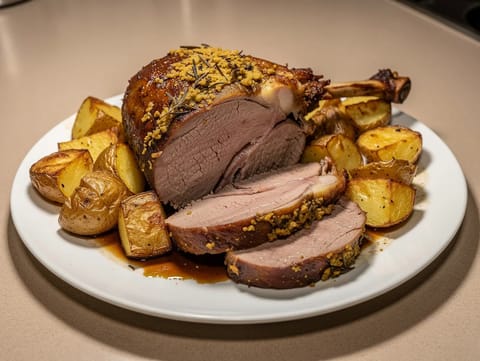
Cordero Asado de Navidad (Spanish Christmas Roast Lamb)
Roast leg of lamb with rosemary, garlic and potatoes
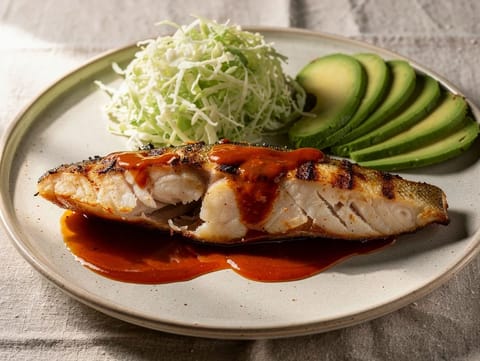
Pescado Zarandeado (Grilled Fish with Chilli and Citrus Marinade)
Grilled white fish with chilli, citrus, garlic and oregano
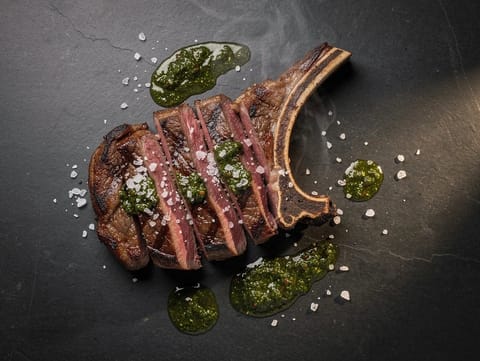
Chuletón a la Parrilla con Chimichurri (Grilled T-Bone Steak)
Grilled T-bone steak with parsley chimichurri
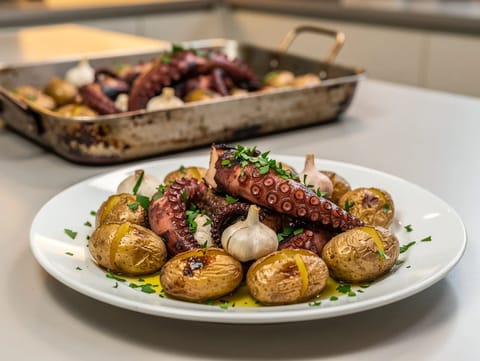
Polvo à Lagareiro (Roasted Octopus with Potatoes and Garlic)
Roasted octopus with potatoes, garlic, bay and olive oil
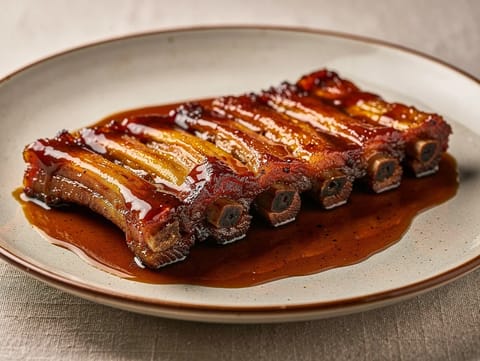
Five-Spice Pork Ribs (Holiday Style)
Sticky five-spice pork ribs roasted with soy and honey
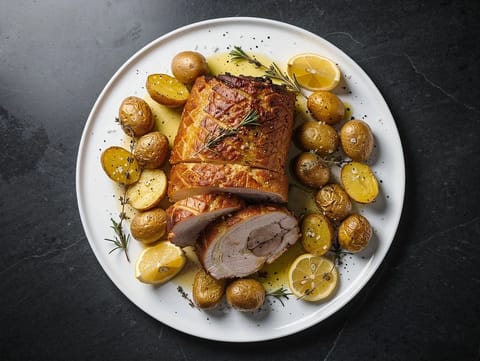
Porchetta con Patate al Forno (Rolled Pork Belly with Roast Potatoes)
Rolled pork belly with roast potatoes and herbs
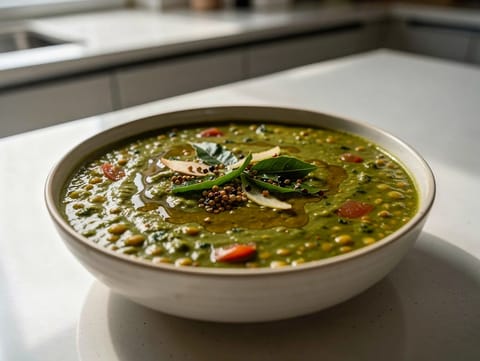
Palak Dal (Spinach and Yellow Lentil Curry)
Spinach and yellow lentil dal finished with a spiced tempering
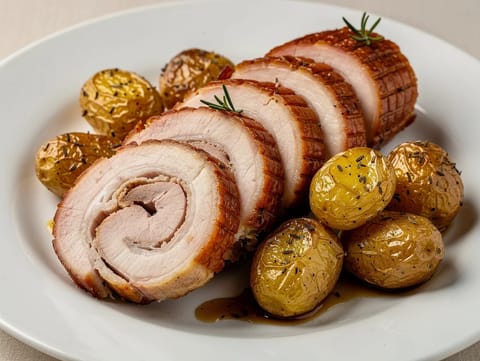
Porchetta Arrosto con Patate (Italian Roast Pork Belly and Potatoes)
Roast pork belly with potatoes, rosemary and fennel seeds
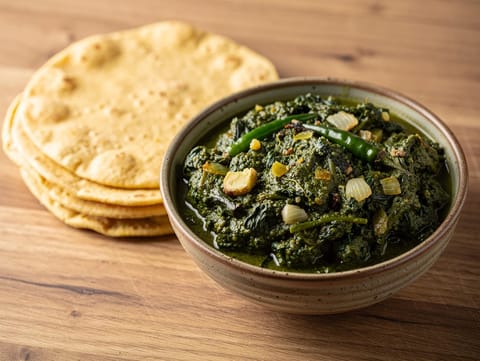
Sarson da Saag with Makki di Roti (Mustard Greens Curry and Maize Flatbread)
Mustard greens and spinach curry served with maize flatbread
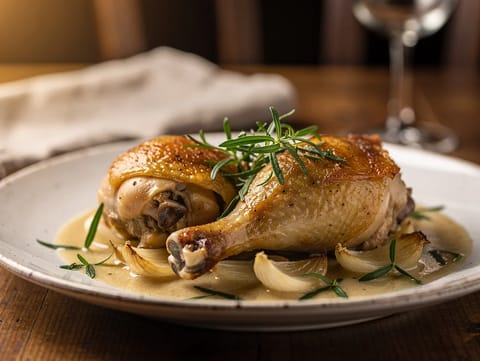
Fricassée de Poulet à l’Estragon (Chicken with Tarragon Cream)
French chicken fricassée in a tarragon and cream sauce
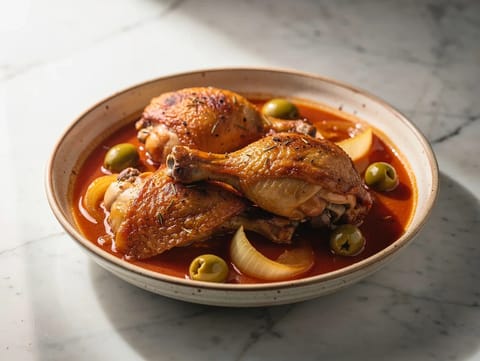
Pollo alla Cacciatora (Chicken Braised with Tomato, Olives and Rosemary)
Chicken braised in tomato and white wine with olives
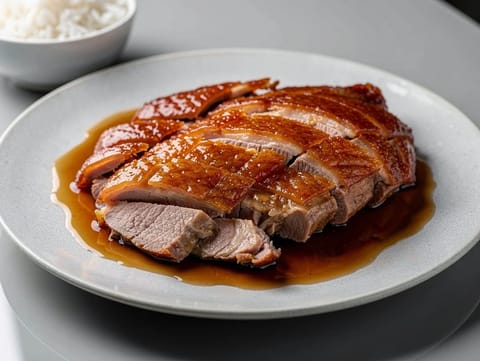
Cantonese Roast Duck (Home-Style Crispy Duck)
Cantonese roast duck with crisp skin
Five-Spice Pork Ribs (Holiday Style)
Sticky five-spice pork ribs roasted with soy and honey
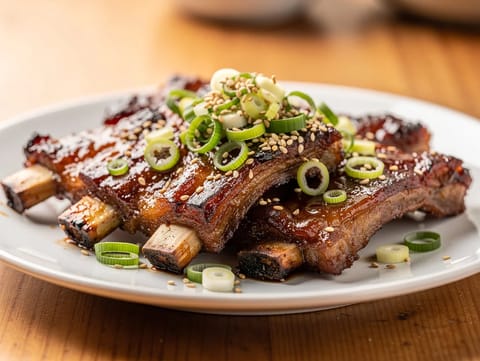
Dwaeji Galbi (Korean Pork Ribs)
Korean pork ribs marinated with soy, garlic and pear
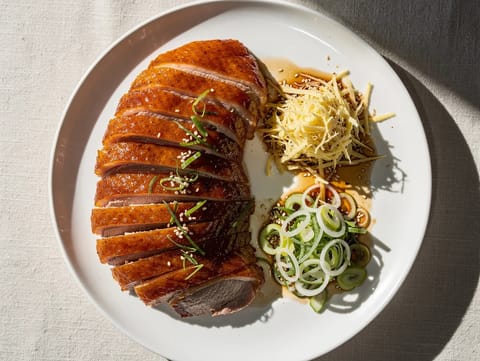
Cantonese Roast Duck
Cantonese roast duck with crisp skin and a maltose glaze

Air Fryer Sesame Tofu
Crispy air-fried tofu in a sesame soy glaze.
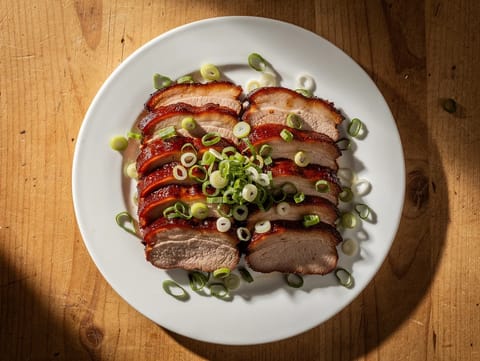
Char Siu Pork (Chinese BBQ Pork)
Roasted char siu pork with a glossy hoisin and honey glaze
You might also like
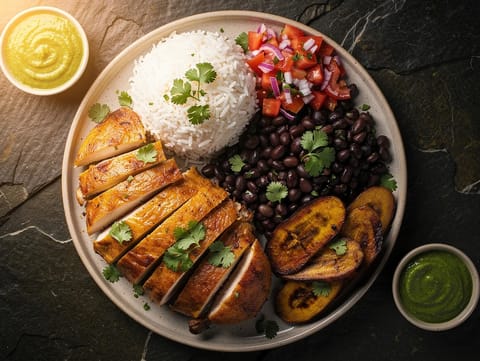
Holiday Latin Table (Festive Meal Spread)
Roast chicken with rice, beans, plantain, and salsa.
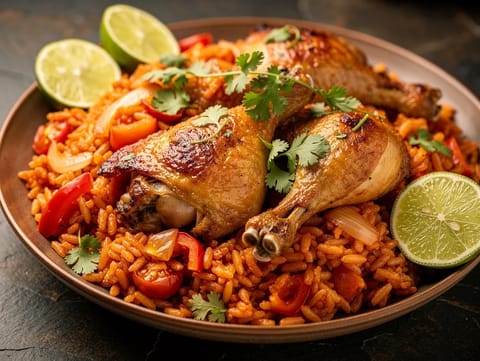
Arroz con Pollo (Cuban-Style Rice and Chicken)
One-pot Cuban-style chicken and rice with peppers and tomatoes

Eton Mess Parfait
Eton mess parfait with strawberries, cream and meringue
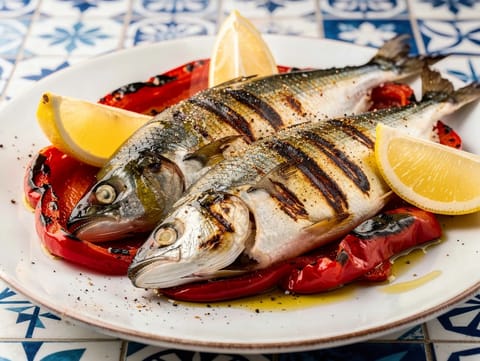
Sardinhas Assadas (Portuguese Grilled Sardines with Lemon)
Grilled sardines served with lemon, olive oil and peppers
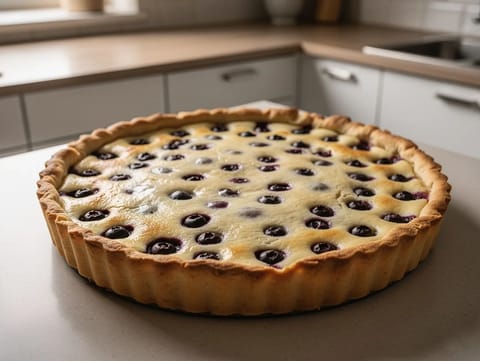
Mustikkapiirakka (Finnish Blueberry Pie with Sour Cream Filling)
Finnish blueberry pie with sour cream filling
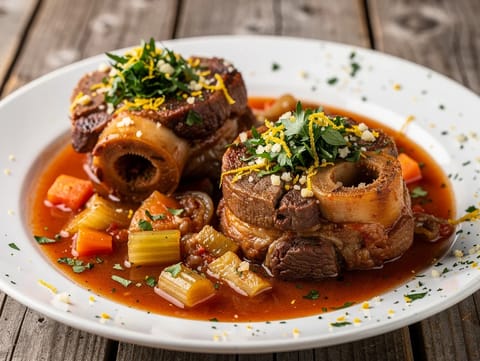
Ossobuco (Braised Veal Shanks)
Veal shanks braised with tomatoes, white wine and gremolata
Make this recipe easier next time
AdvertisementThese tools help you get better results with less effort.
Misen 8-Inch Chef Knife
- AUS-10 steel
- Balanced design
- Less traditional feel
T-fal Specialty Nonstick Handy Pot with Glass Lid 3 Quart
- Easy food release
- Dishwasher safe
- Not induction compatible
WÜSTHOF Classic 8-Inch Chef's Knife
- Excellent build quality
- Reliable edge retention
- Expensive
WMF Mini Saucepan 16 cm with Lid
- High-quality stainless steel
- Even heat distribution
- Higher price point
Enjoy cooking with JustRecipes?
Add JustRecipes as one of your preferred Google sources to discover our recipes more easily across Google Search.
Add JustRecipes to GoogleEvery recipe on JustRecipes follows the same structured editorial process. Learn how recipes are created, validated, translated, illustrated, and continuously improved across the platform. How we create recipes.
