
Cornetto al Burro (Italian Butter Croissant)
Why this recipe works
- Classic laminated structure: Repeated rolling, folding and chilling create distinct butter layers, giving the cornetti their flaky rise and crisp exterior.
- Lightly sweet finish: The yeasted dough is gently sweet rather than sugary, so the butter flavour remains central and the icing sugar adds a delicate final touch.
- Crisp outside, tender inside: A full proof followed by a hot bake helps the pastries expand properly while developing a deeply golden, crisp shell.
Get the most out of this recipe
Timing notes
- Do not rush the chilling: The dough needs regular chilling so the butter stays cold but pliable; if it softens or smears, pause and chill before continuing.
- Proof by appearance, not just time: The shaped cornetti should look noticeably puffy and gently wobble when the tray is nudged before they go into the oven.
- Cool before dusting: Let the pastries cool on a rack before adding icing sugar so the finish stays light rather than dissolving into the crust.
Texture tips
- For a cleaner crust: Brush the egg wash on lightly; too much can pool around the layers and reduce the definition of the pastry.
- Keep them crisp after baking: Cool the cornetti on a rack so steam can escape instead of softening the base.
- Avoid stretching the dough: Roll the triangles firmly but gently when shaping; overstretching can tear the layers and make the pastry bake unevenly.
Common mistakes
- Letting the butter get too warm: Warm butter blends into the dough rather than forming layers, so chill the dough whenever it starts to feel greasy or slack.
- Baking too pale: Cornetti need a deep golden colour to ensure the laminated layers are fully baked and crisp.
- Under-proofing the shaped pastries: If the cornetti go into the oven before they are puffy, they may bake dense and tight rather than light and open.
Make-ahead tips
- Freeze baked cornetti: Freeze fully cooled cornetti and reheat from frozen in a 180°C (355°F) oven until warm and crisp.
- Refresh before serving: Reheat stored cornetti in a 180°C (355°F) oven to restore crispness, then dust with icing sugar after warming.
Equipment you'll need
Ingredients
Dough and lamination
Finish
Instructions
- In a mixing bowl, whisk together the lukewarm milk, caster sugar and instant yeast. Add the plain flour and fine sea salt, then add the soft unsalted butter and 1 egg. Mix until a shaggy dough forms, then knead until smooth and elastic.
- Shape the dough into a neat rectangle, cover the bowl, and chill for 60 minutes to firm up. This makes the dough easier to laminate and helps keep the butter cold.
- Make the butter block: place the cold unsalted butter between two sheets of baking paper and tap and roll it into a flat rectangle. Chill for 15 minutes so it is cold but pliable.
- Lightly dust the work surface with some of the extra plain flour and roll the chilled dough into a rectangle about twice the length of the butter block. Place the butter in the centre and fold the dough over it to fully enclose, pinching the seams closed. Roll gently to lengthen the packet without squeezing butter out.
- Do the first fold: roll the dough into a long rectangle, then fold into thirds like a letter. Brush off excess flour, wrap, and chill for 30 minutes. Keep the dough cold so the butter stays in distinct layers.
- Repeat the rolling and folding twice more, chilling for 30 minutes between each fold. If the dough resists rolling or the butter feels soft, stop and chill a little longer before continuing.
- Roll the laminated dough into a large rectangle about 3 to 4 mm thick, using the remaining extra plain flour only as needed to prevent sticking. Cut into 8 long triangles. Starting from the wide end, roll each triangle up tightly towards the tip, then curve into a crescent and place on a baking tray with the tip tucked underneath.
- Cover and proof at room temperature for 60 to 90 minutes, until noticeably puffy and gently wobbly when the tray is nudged. Towards the end of proofing, heat the oven to 200°C (390°F).
- Whisk the remaining egg with the milk and brush lightly over the cornetti. Bake for 18 to 22 minutes, rotating the tray halfway, until deeply golden and crisp. Cool on a rack for at least 20 minutes before dusting with icing sugar.
Recipe notes
Tips
- For clean layers, keep the butter and dough at a similar firmness: cold but bendable. If butter starts to smear, chill the dough before the next roll.
- When shaping, roll firmly but do not stretch the dough so much that it tears, as this can cause butter to leak during baking.
- Food safety: if serving to pregnant people, young children, older adults, or anyone immunocompromised, use eggs with a safety mark and bake the pastries until fully cooked through.
Substitutions
- Replace whole milk with lactose-free milk for a similar richness and browning.
- Replace caster sugar with granulated sugar for a slightly less delicate sweetness.
- Replace icing sugar with a light dusting of caster sugar if you prefer a subtle crunch rather than a powdery finish.
Storage
- Refrigerate up to 2 days
- Store cooled cornetti in an airtight container. Reheat in a 180°C (355°F) oven for 6 to 8 minutes until warmed through and crisp; dust with icing sugar after reheating. Freeze baked cornetti for up to 2 months and reheat from frozen in a 180°C (355°F) oven for 10 to 12 minutes.
Ratings & reviews
Liked this recipe? Share your feedback to support our cooking community.
Tried this recipe?
Choose 1–5 stars. A comment is optional.
Stay inspired
Discover new recipes, seasonal favourites and cooking inspiration every day. Follow JustRecipes on Pinterest and Spillt.

Recipe overview
- Servings: 8 pieces
- Yield: cornetti
- Total time: 5h 30min (1h active)
- Difficulty: Advanced
- Cuisine: Italian
-
Allergens:
Eggs Gluten Milk Wheat
Plan your meals and get a complete grocery list automatically.
Add to meal plannerEquipment you'll need
Got ingredients left?
Find recipes using ingredients from this recipe or what you already have at home.
Find recipes with these ingredients →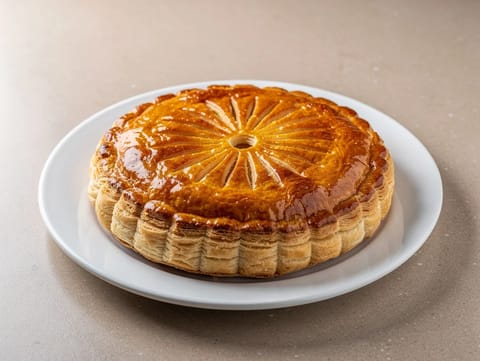
Galette des Rois (Puff Pastry Cake with Almond Frangipane)
Puff pastry cake filled with sweet almond frangipane
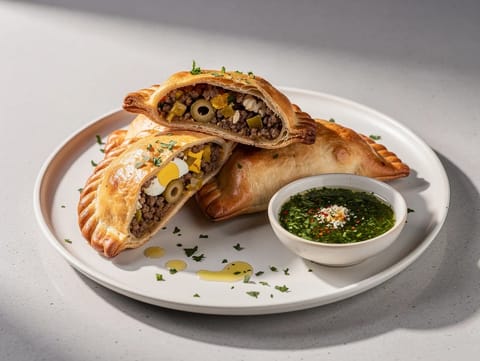
Baked Empanadas with Minced Beef, Olives and Egg
Baked empanadas with minced beef, olives and egg

Air Fryer Samosas
Crisp air-fryer samosas with spiced potato and pea filling.

Pignolata (Sicilian Honey-Glazed Pastry Clusters)
Honey-glazed fried dough clusters with pistachios

Sonhos de Natal (Christmas Doughnuts)
Portuguese Christmas doughnuts rolled in warm cinnamon sugar
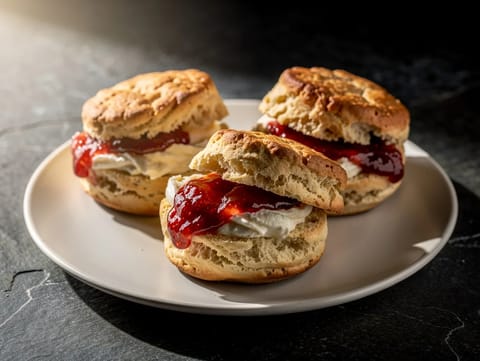
Air Fryer Scones
Classic air fryer scones served with clotted cream and jam.
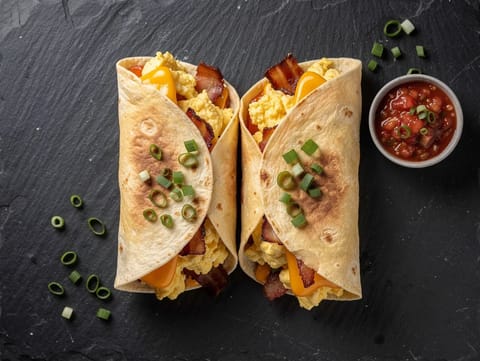
Air Fryer Breakfast Burrito
Crisp breakfast burrito with eggs, bacon, cheddar and salsa.
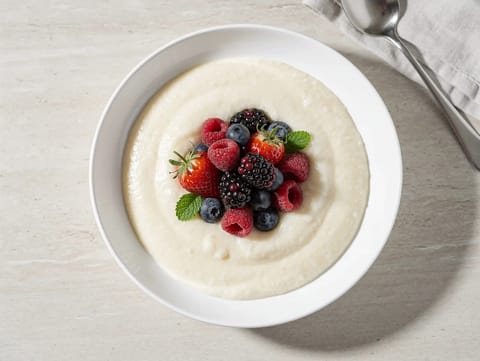
Crema di Semolino con Frutta (Semolina Porridge with Fresh Fruit)
Creamy semolina porridge with butter and mixed berries
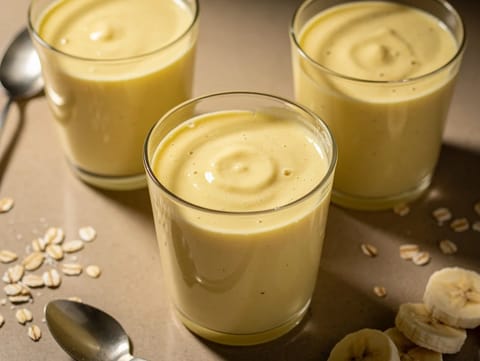
Banana Oat Breakfast Smoothie
Banana and oat smoothie blended with milk and honey.
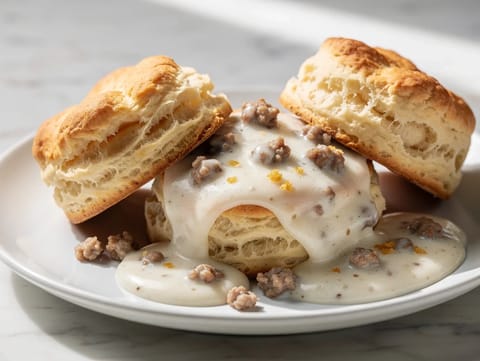
Biscuits and Gravy
Warm biscuits topped with creamy pork sausage gravy
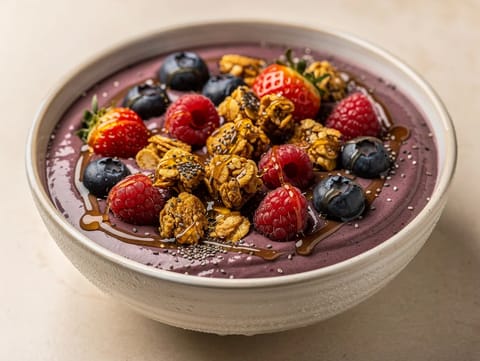
Açaí Berry Granola Bowl
A thick açaí bowl topped with berries and granola.

Congee (Rice Porridge with Ginger and Spring Onion)
Creamy jasmine rice congee with ginger and spring onion
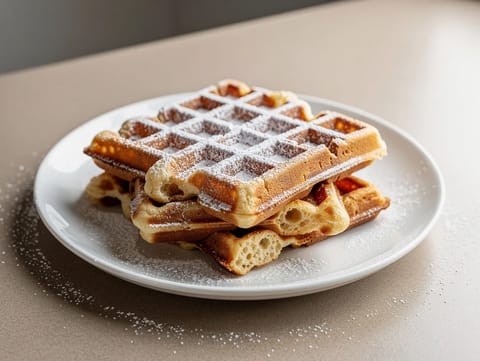
New Year’s Waffles (Gaufres du Nouvel An)
Yeast-raised Belgian waffles dusted with icing sugar
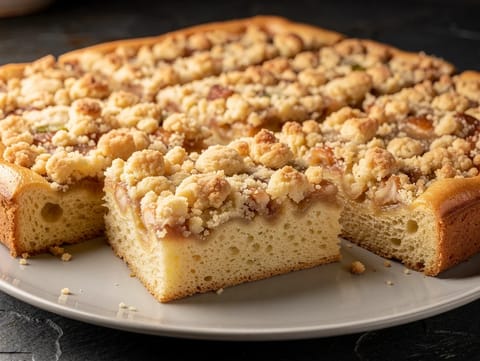
Streuselkuchen (German Yeasted Crumb Cake)
German yeasted crumb cake with a thick buttery streusel topping
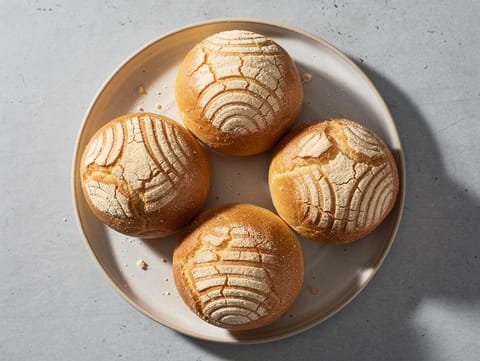
Conchas (Mexican Sweet Bread Rolls)
Soft conchas with a crackly vanilla sugar topping
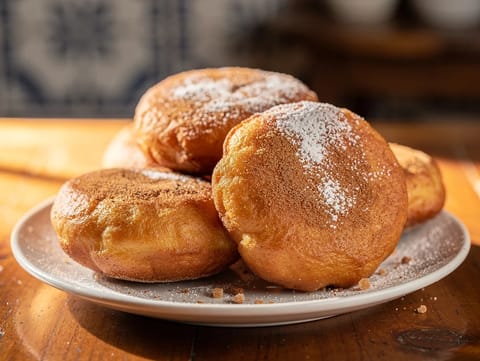
Filhoses (Portuguese Fried Christmas Pastries)
Portuguese fried pastries coated in cinnamon sugar
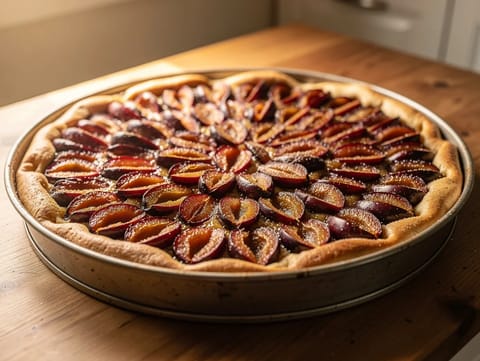
Zwetschgenkuchen (German Plum Cake with Yeasted Base)
German plum cake with yeasted base and cinnamon sugar
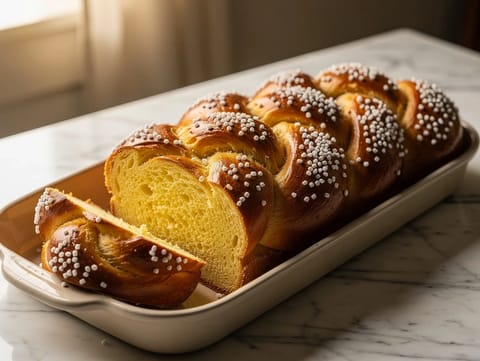
Hefezopf (German Braided Yeast Bread)
German braided yeast bread enriched with butter, eggs and milk
You might also like
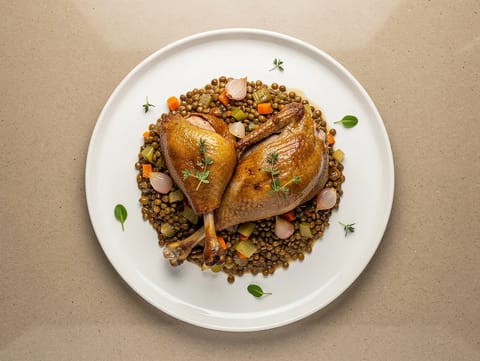
Confit de Canard avec Lentilles du Puy (Duck Confit with Puy Lentils)
Tender duck legs served over braised puy lentils
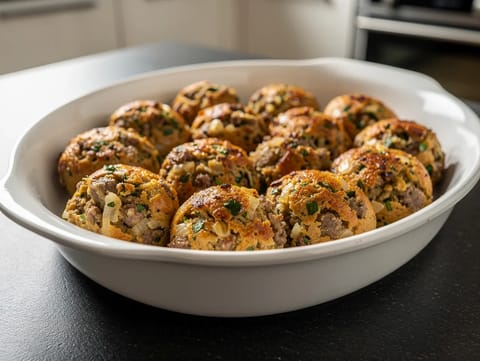
Christmas Sausage Stuffing Balls
Baked sausage stuffing balls with onion, sage and thyme
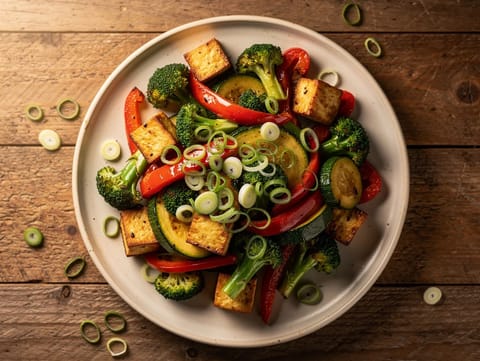
Air Fryer Tofu and Vegetables
Crispy tofu and vegetables cooked quickly in the air fryer.
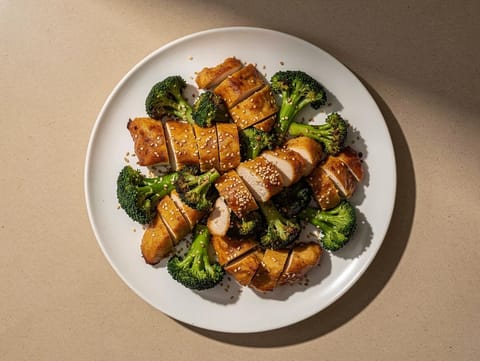
Air Fryer Chicken and Broccoli
Air-fried chicken and broccoli tossed in a soy glaze.
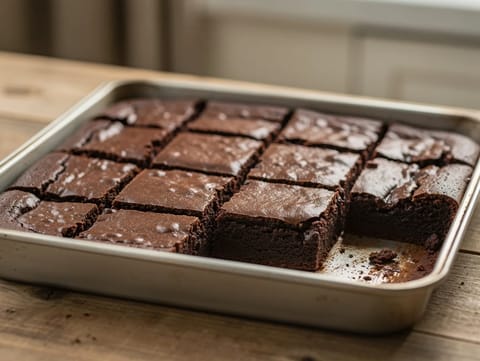
Classic Fudgy Brownies
Fudgy brownies with dark chocolate, cocoa and vanilla
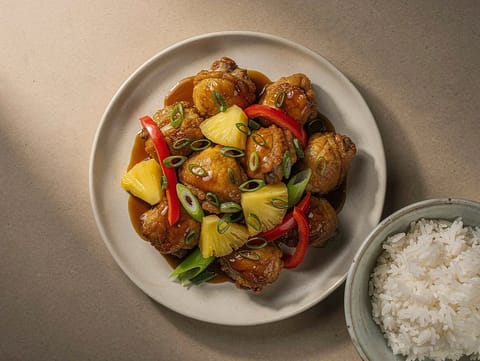
Air Fryer Sweet and Sour Chicken
Crispy chicken tossed in a sweet and sour sauce.
Make this recipe easier next time
AdvertisementThese tools help you get better results with less effort.
KitchenAid Stainless Steel Mixing Bowls
- Non-slip base
- Stainless steel
- Not microwave safe
Pyrex Glass Mixing Bowls with Lids
- Microwave safe
- BPA-free lids
- Glass is heavier
OXO Good Grips Stainless Mixing Bowl Set
- Non-slip base
- Comfort grip
- Higher price
Enjoy cooking with JustRecipes?
Add JustRecipes as one of your preferred Google sources to discover our recipes more easily across Google Search.
Add JustRecipes to GoogleEvery recipe on JustRecipes follows the same structured editorial process. Learn how recipes are created, validated, translated, illustrated, and continuously improved across the platform. How we create recipes.
