
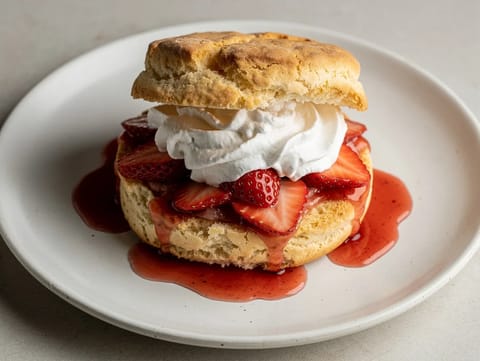
Strawberry Shortcake
Tender shortcakes with macerated strawberries and whipped cream

A cooling rack is simply a raised grid, but it solves a specific problem: steam. When hot food sits on a flat tray or plate, moisture condenses underneath and softens the surface. A rack lets air circulate so biscuits stay crisper, cakes cool more evenly, and roasted foods drain and dry rather than stewing in their own juices. Recipes that call for a cooling rack are usually aiming for a particular texture or a clean finish, such as icing that sets without pooling.
In baking, a rack helps cakes and loaves cool without sweating, which can make crusts leathery and bottoms damp. It is also useful for cookies and pastries where residual heat continues to cook the base if left on a hot tray. Beyond cooling, racks are practical for glazing and icing: excess drips fall away, leaving a thinner, more even coating. In savoury cooking, an oven-safe rack set over a tray can lift food so hot air circulates all around, which can help with browning and with rendering fat from items like chicken wings or bacon.
Tender shortcakes with macerated strawberries and whipped cream
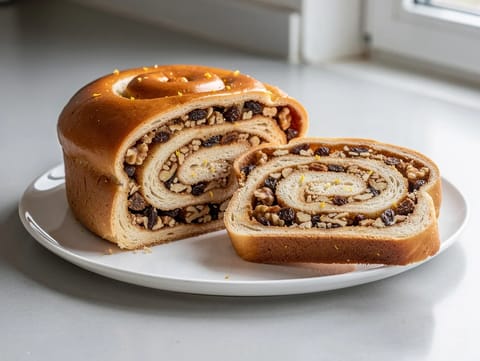
Friulian sweet spiral loaf with nuts, raisins and rum
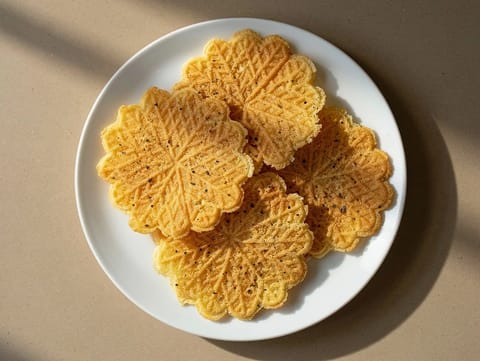
Thin Italian waffle biscuits with anise and lemon zest
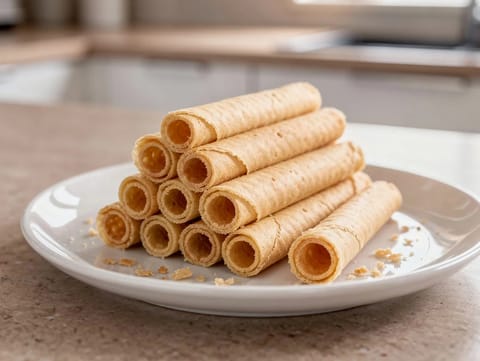
Crisp Dutch wafer rolls flavoured with butter and vanilla
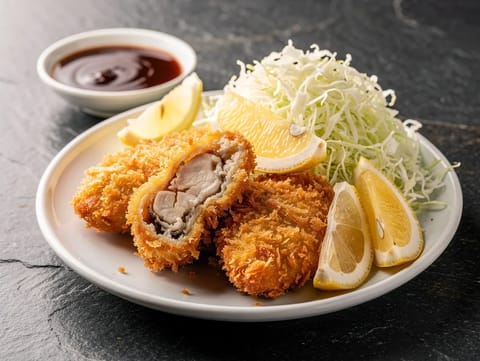
Crisp panko-breaded oysters fried until golden
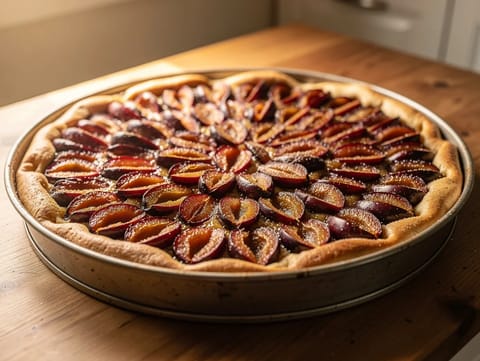
German plum cake with yeasted base and cinnamon sugar
The most common issue is using a rack with a wide grid for small bakes. Soft cookies can sag into the gaps, and delicate items can break when you lift them. Another is putting food on the rack too soon. Some cakes need a short rest in the tin so the structure sets before you turn them out. Finally, not all racks are oven-safe. If a recipe uses a rack for roasting, choose one that is sturdy, fits your tray, and will not warp at high heat, otherwise food can tilt and cook unevenly.
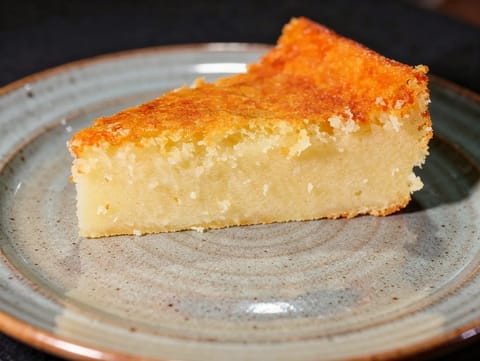
Dense Portuguese almond cake finished with icing sugar
German plum cake with yeasted base and cinnamon sugar
Tender shortcakes with macerated strawberries and whipped cream
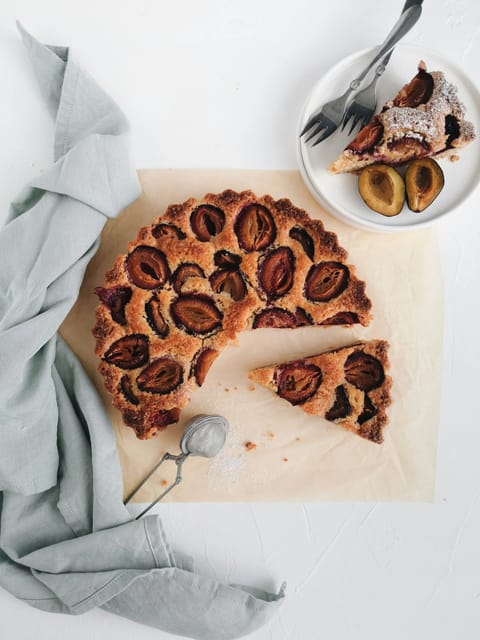
German yeast plum cake topped with fresh plums and cinnamon sugar
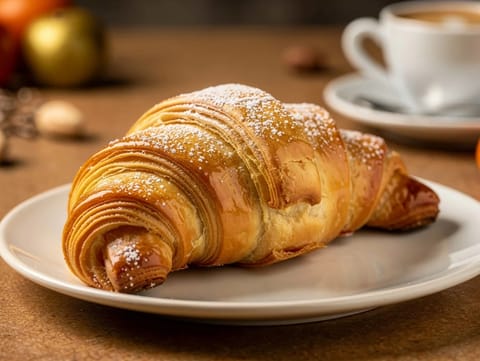
Italian butter cornetti baked golden and finished with icing sugar
Crisp panko-breaded oysters fried until golden
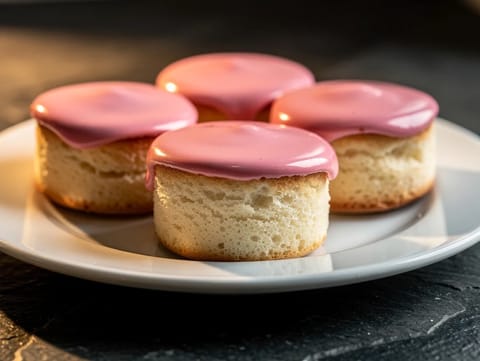
Soft Dutch sponge cakes topped with smooth pink icing
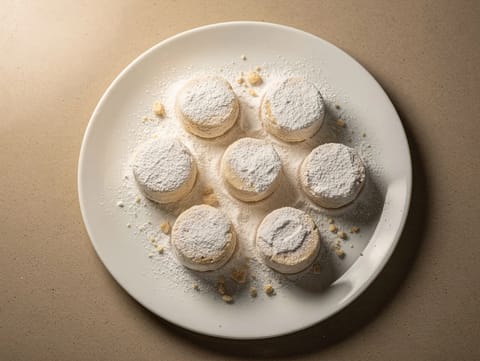
Crumbly almond biscuits with cinnamon, lemon zest and icing sugar
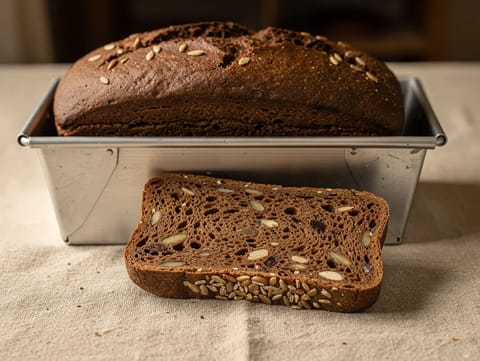
Dense Nordic rye bread with treacle and sunflower seeds
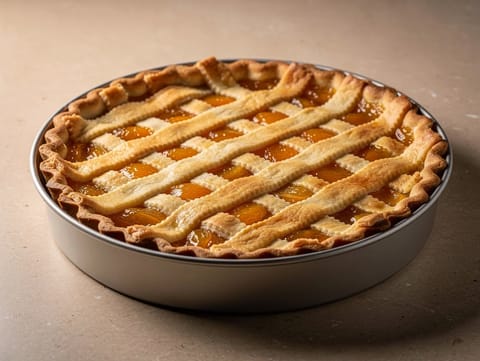
Buttery shortcrust tart filled with apricot jam
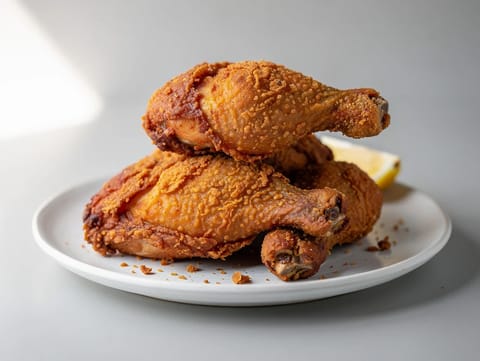
Buttermilk-brined fried chicken with a crisp seasoned coating
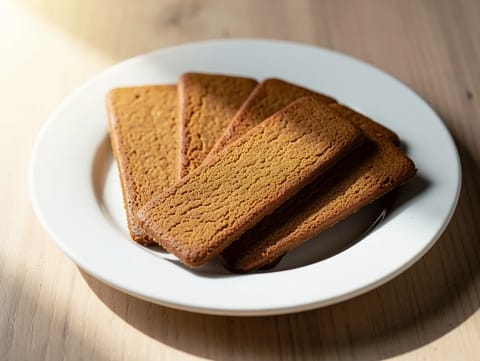
Thin, crisp speculoos biscuits with warming spices
For everyday baking, a flat, tightly spaced grid is the most versatile. It supports small biscuits and allows good airflow without leaving deep marks. If you often glaze or ice, look for a rack that sits securely over a tray or sheet so drips are easy to catch and clean up. For roasting, sturdiness matters more than fine spacing: a heavier rack that does not wobble makes turning food safer and keeps items level so fat drains predictably. If you do not have a rack, you can sometimes cool on a clean, cool tray, but expect softer undersides where steam is trapped.
Cooking method is a helpful next step because racks are often used to manage airflow, browning and drainage, whether you are cooling bakes or roasting for crispness. Difficulty can also guide you towards recipes that need careful handling, such as turning delicate pastries or glazing without breaking a set surface.
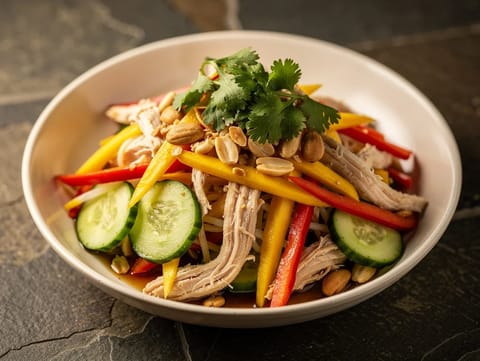
Thai chicken salad with mango, cucumber and peanuts
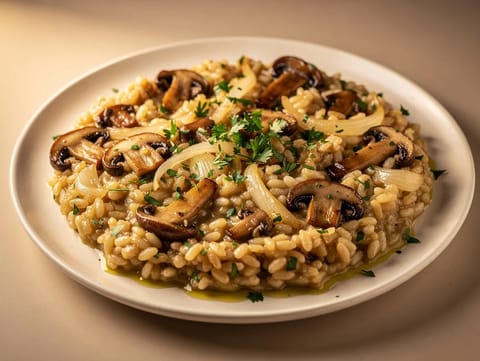
Creamy Spanish rice with wild mushrooms and parsley
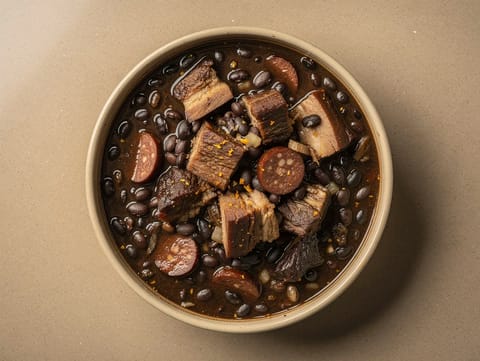
Black bean stew with pork and smoked sausage
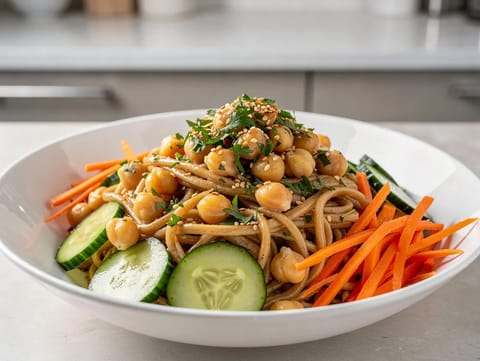
Noodles with tahini lemon dressing, chickpeas and crisp vegetables
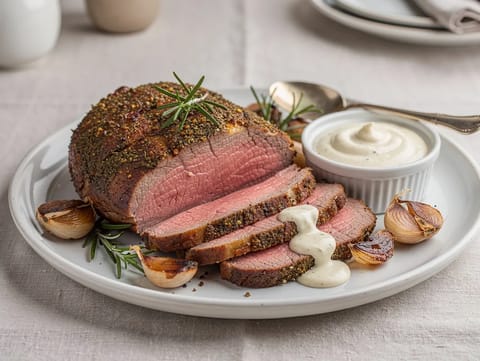
Roast beef with creamy horseradish and crème fraîche sauce
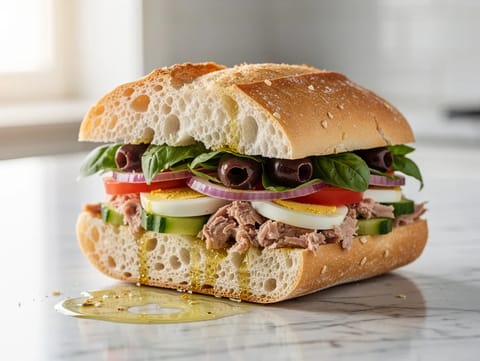
Niçoise sandwich with tuna, hard-boiled egg, tomatoes and olives
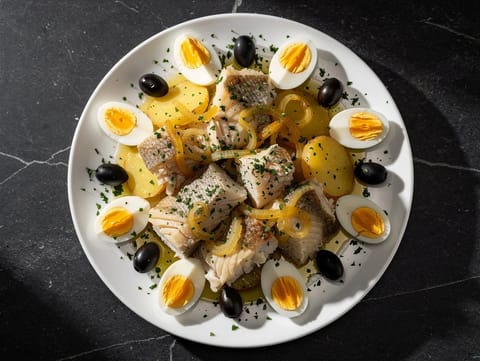
Portuguese salt cod bake with potatoes, eggs and olives
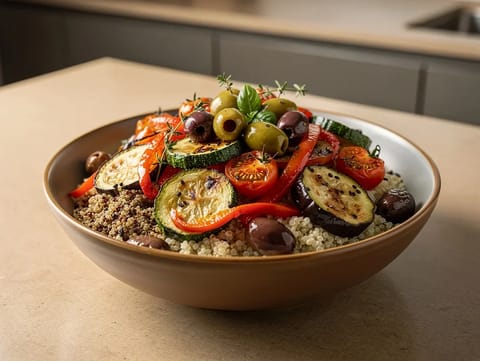
Quinoa bowl topped with roasted vegetables, olives and lemon
Not always, but it helps when texture matters. If you want crisp bottoms on biscuits or an even crust on bread, airflow underneath makes a noticeable difference.
They likely trapped steam underneath on the hot tray or a flat surface. Moving them to a rack once they are firm enough to lift helps them dry and cool properly.
Only if it is designed to be oven-safe. Some racks are made for cooling only and can warp or shed coatings at high heat.
Crosswire grids tend to support smaller items better and reduce sagging. The key is tight spacing and a rack that sits flat and stable.
Set the rack over a tray or baking sheet, then glaze while the item is on the rack so excess can drip away. Let it set undisturbed to avoid smudges.
For cooling, a clean, cool baking tray or a wooden board can work, but the underside will stay softer. For glazing, you can improvise with a makeshift grid, but stability and easy clean-up are the main challenges.
When a recipe mentions a cooling rack, it is usually asking you to control steam and surface texture. Choose a rack that supports the food you make most often, and you will get more consistent cooling, cleaner finishes and crisper results where they matter.
