
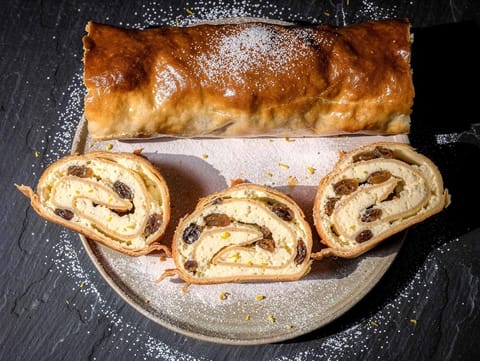
Topfenstrudel (Quark Strudel with Vanilla and Lemon Zest)
Crisp pastry strudel filled with vanilla quark, lemon and sultanas

A rolling pin is a simple tool, but the style you choose affects how quickly you can roll dough and how evenly you can control thickness. A heavy pin does some of the work for you, while a lighter pin gives more feedback and can be easier on delicate pastry. The surface finish matters too: smooth pins release dough more readily, while textured wood can grip. Once you understand how weight, length and handles change your leverage, you can pick a pin that suits the dough you make most often and avoid the usual sticking and cracking problems.
The main distinction is between handled rolling pins and straight pins. Handled pins keep your hands higher and can feel familiar if you roll on a worktop at standard height, but the barrel may not spin freely if the mechanism is stiff. Straight pins, including tapered French-style pins, let you shift pressure precisely with your palms, which is useful for shaping circles and ovals and for thinning edges. Weight is the other big variable: heavier pins flatten quickly with less effort, while lighter pins suit small batches and doughs that need a gentler touch.
Crisp pastry strudel filled with vanilla quark, lemon and sultanas
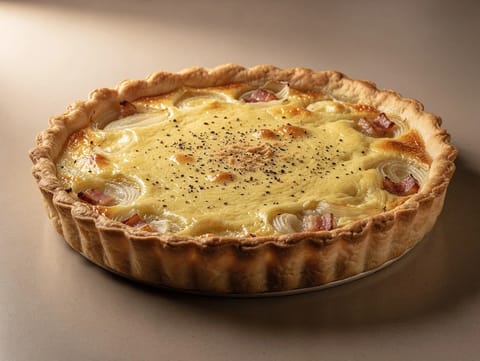
Alsatian onion tart with bacon and crème fraîche custard
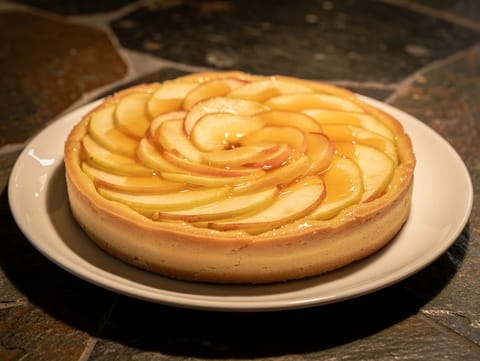
Spanish apple tart with custard and apricot glaze
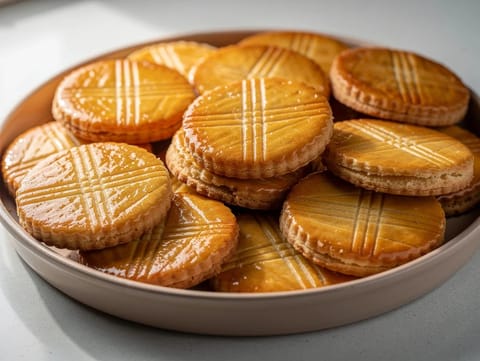
Breton butter biscuits with crisp edges and a tender centre
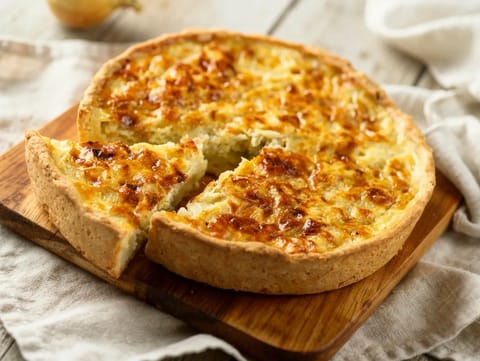
German yeasted onion tart with bacon and crème fraîche
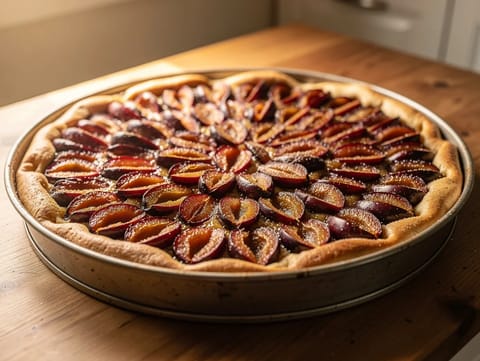
German plum cake with yeasted base and cinnamon sugar
Uneven thickness usually comes from rolling only in one direction. Turn the dough and change direction so you are not stretching it into a long strip. Sticking is often a flouring issue: too little flour glues the dough to the pin and surface, but too much can dry the dough and leave tough patches. Dust lightly, lift and rotate the dough regularly, and brush off excess flour as you go. Cracking at the edges is a sign the dough is too cold or too dry; a short rest can make it more pliable before you continue rolling.
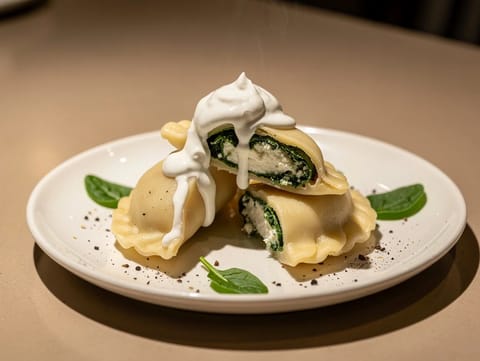
Pierogi filled with spinach and ricotta
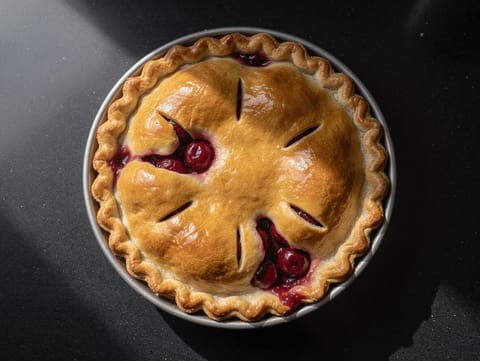
Air fryer cherry pie with lemon and cornflour-thickened filling.
German plum cake with yeasted base and cinnamon sugar
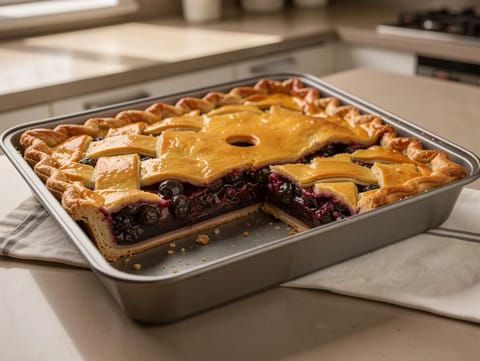
Air fryer blueberry pie with lemon and cornflour-thickened filling.
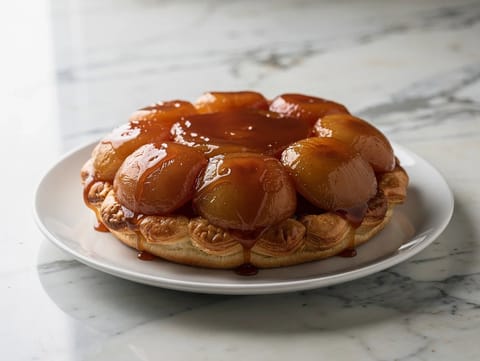
Upside-down caramelised apple tart with puff pastry
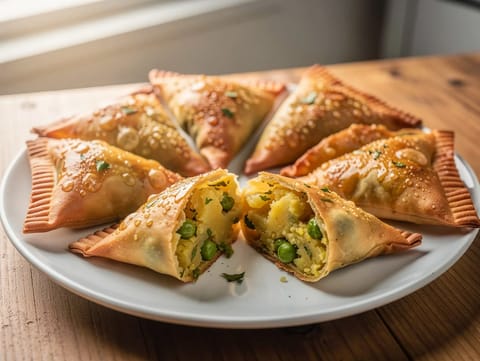
Crisp air-fryer samosas with spiced potato and pea filling.
German yeasted onion tart with bacon and crème fraîche
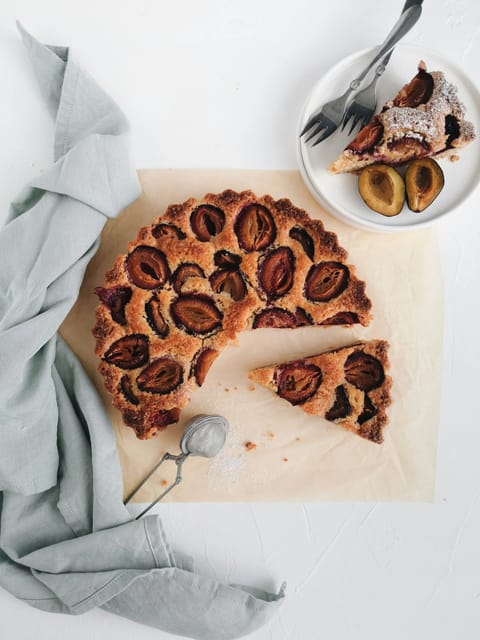
German yeast plum cake topped with fresh plums and cinnamon sugar
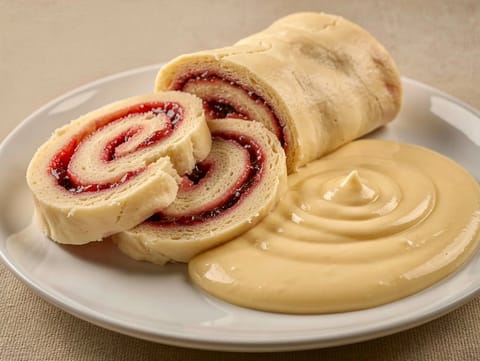
Steamed suet pudding rolled with strawberry jam
Alsatian onion tart with bacon and crème fraîche custard
Crisp pastry strudel filled with vanilla quark, lemon and sultanas
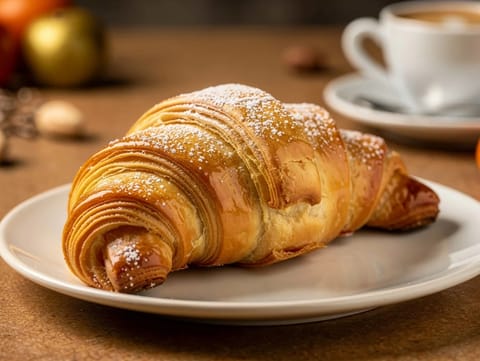
Italian butter cornetti baked golden and finished with icing sugar
A smooth-sided bottle, a sturdy drinking glass or even a straight-sided jar can roll small pieces of dough in a pinch. Choose something clean, rigid and non-porous, and avoid thin glass that feels fragile under pressure. For very soft doughs, a sheet of baking paper on top can reduce sticking and lets you roll with a lighter touch. If a recipe depends on a specific thickness, a makeshift roller can still work, but you may need to check thickness more often because you will not have the same feel and control as a proper pin.
Rolling is closely tied to technique. Cooking method is a useful next step for comparing pastry styles, from shortcrust and laminated doughs to flatbreads, where resting and temperature control matter as much as rolling. Difficulty can also help you judge how precise the rolling needs to be, especially for pastries that rely on defined layers or an even bake.
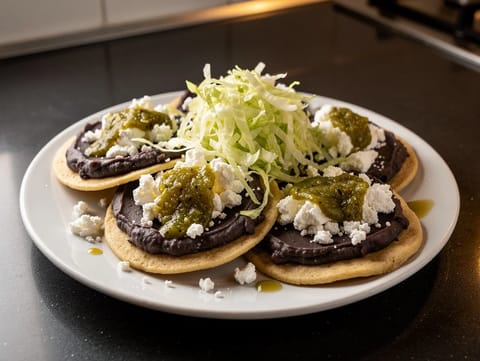
Griddled masa memelas topped with black beans and salsa verde
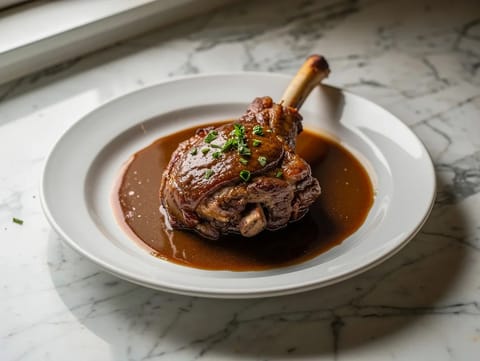
Slow-braised lamb shanks with rich minted gravy
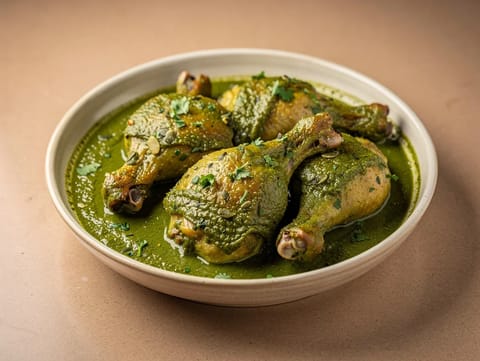
Chicken simmered in a thick green pumpkin seed and tomatillo sauce
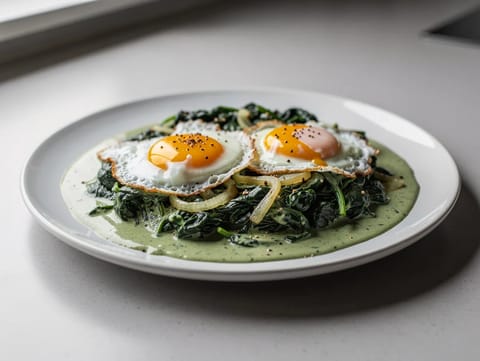
Creamed spinach topped with fried eggs
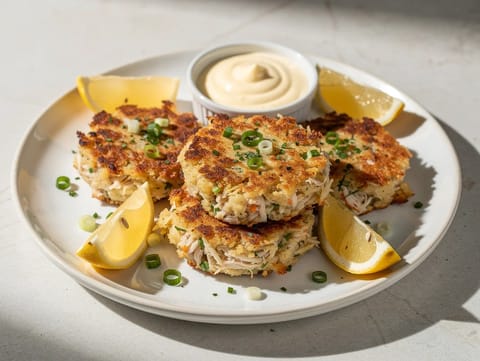
Pan-fried crab cakes with Old Bay and lemon aioli
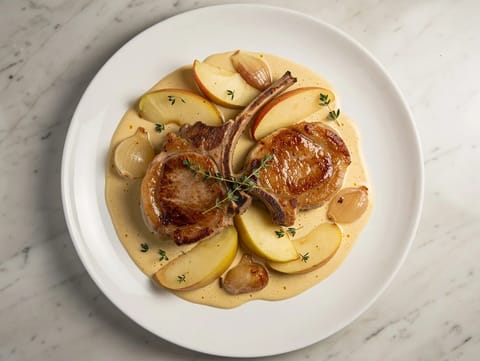
Pork chops with apples in a creamy cider sauce
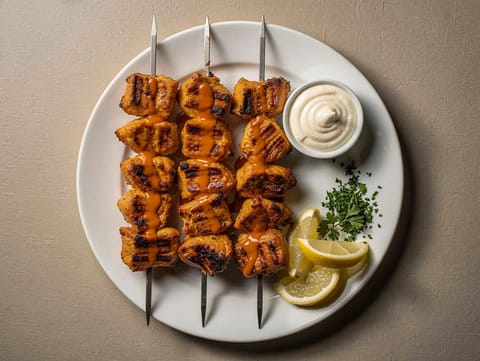
Grilled chicken skewers marinated in yoghurt, lemon and garlic
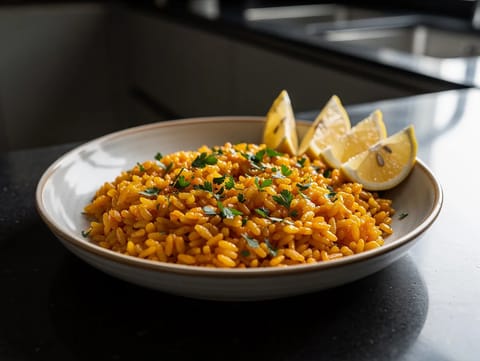
Valencian rice cooked in fish stock with saffron and paprika
Not necessarily. A heavier pin speeds up flattening and can be helpful for firm doughs, but a lighter pin gives more control for delicate pastry and smaller batches.
They are different rather than better. Handles can feel comfortable for straightforward rolling, while a straight pin lets you vary pressure more easily, especially around the edges.
It is usually under-rested. Gluten tightens as you work; a short rest allows it to relax so the dough rolls thinner without fighting you.
Use light dusting flour and keep the dough moving by lifting and turning it. If the dough is very soft, rolling between sheets of baking paper can help.
They help you roll to a consistent thickness, which is useful for biscuits and pastry bases where uneven thickness can lead to uneven baking.
Yes, as long as the surface is clean and lightly floured. Some cooks prefer baking paper to reduce sticking and make transferring easier.
For speed, weight helps. For finesse, a lighter straight pin gives you more control. Whichever you use, rotate the dough, manage flour lightly and let the dough rest when it starts to resist.
