
Xoi Xeo (Savoury Mung Bean Sticky Rice)
Why this recipe works
- Distinctive texture contrast: Chewy sticky rice, fluffy mung beans and crisp shallots give the dish its recognisable layered texture.
- Simple layered flavour: Turmeric adds gentle earthiness, while shallot oil and spring onion bring savoury aroma without overwhelming the rice.
- Steamed for the right chew: Soaking and steaming the glutinous rice helps the grains cook evenly while staying glossy, tender and sticky.
Get the most out of this recipe
Timing notes
- Plan for soaking: Most of the time is inactive soaking; the actual steaming, frying and assembly are comparatively quick.
- Serve while warm: The rice is at its best soon after steaming, when it is soft, glossy and properly sticky.
- Best texture on the day: Leftovers can be reheated, but the freshest texture comes from serving the rice and toppings the same day.
Texture tips
- Drain the rice thoroughly: Well-drained soaked rice steams up sticky and chewy rather than wet or heavy.
- Keep the mung beans crumbly: Mash the beans until fluffy and broken down, not into a smooth paste, so they sit lightly over the rice.
- Let the shallots finish crisping: Remove the shallots once deep golden; they continue to darken and crisp as they cool.
Ingredient notes
- Use glutinous rice: Glutinous rice is essential for the sticky, chewy texture; ordinary long-grain rice will not behave the same way.
- Choose split skinned mung beans: Split, skinned mung beans soften quickly and mash into the light crumble that defines the topping.
- Turmeric is for colour and aroma: The turmeric gives the rice its yellow colour and mild earthy note rather than heat.
Make-ahead tips
- Soak ahead: The rice and mung beans can be soaked in advance so the cooking stage moves more smoothly.
- Keep toppings separate: Store the rice, mung beans, spring onion oil and fried shallots separately where possible to preserve texture.
- Reheat by steaming: Steam the rice and mung beans until piping hot, then add the oil and shallots just before serving.
Equipment you'll need
Ingredients
Instructions
- Rinse the glutinous rice in several changes of cold water until the water runs mostly clear. Put it in a bowl, cover with plenty of cold water, and soak for 6 hours. Rinse and drain well in a sieve.
- Rinse the mung beans, then soak in cold water for 2 hours. Drain well. Stir through 0.5 tsp of the fine sea salt.
- Stir the ground turmeric and 0.5 tsp of the fine sea salt through the drained rice until evenly tinted. Set up a steamer over a large pot of simmering water. Line the steamer with a clean cloth if needed to stop grains falling through, then add the rice in an even layer.
- Steam the rice for 25 to 30 minutes, turning it once or twice, until the grains are glossy, tender, and sticky. If it looks dry at any point, sprinkle over 1 to 2 tbsp water and keep steaming. Keep covered while you prepare the toppings.
- Steam the mung beans for 15 to 18 minutes until very tender and easily crushed between your fingers. Tip into a bowl and mash with a wooden spoon until fluffy and crumbly rather than smooth. Cover to keep warm.
- Thinly slice the shallots. Heat the vegetable oil in a frying pan over medium heat, then add the shallots and fry, stirring often, for 6 to 10 minutes until deep golden. Lift out with a slotted spoon and drain on a plate; the shallots will crisp as they cool.
- Thinly slice the spring onion. Carefully pour 3 tbsp of the hot shallot oil into a small saucepan, add the spring onion and the remaining 0.5 tsp fine sea salt, and warm for 30 to 60 seconds just until fragrant and softened. Take off the heat so the spring onion stays bright.
- To serve, spoon the hot turmeric sticky rice into bowls and top with the mashed mung beans. Scatter over the crisp shallots and drizzle with the warm spring onion oil. Serve straight away while the rice is still warm and sticky.
Recipe notes
Tips
- For the best texture, drain the soaked rice very well before steaming so it cooks up sticky rather than wet.
- Keep the shallots moving as they fry and take them off when they are deep golden; they continue to darken from residual heat.
- Food safety note: if serving to vulnerable groups, ensure the mung beans are fully cooked until very tender.
Substitutions
- Replace vegetable oil with sunflower oil for a similarly neutral scallion oil and frying medium.
- Replace shallot with red onion for a slightly stronger, sweeter fried topping.
Storage
- Refrigerate up to 2 days
- Cool leftovers quickly, then refrigerate in a sealed container. Reheat the rice and mung beans by steaming for 8 to 10 minutes until piping hot; warm the spring onion oil briefly in a saucepan and add the fried shallots at the table to keep them crisp.
Ratings & reviews
Liked this recipe? Share your feedback to support our cooking community.
Tried this recipe?
Choose 1–5 stars. A comment is optional.
Stay inspired
Discover new recipes, seasonal favourites and cooking inspiration every day. Follow JustRecipes on Pinterest and Spillt.

Recipe overview
- Servings: 3 servings
- Total time: 1h 45min (30min active)
- Difficulty: Medium
- Cuisine: Vietnamese
Plan your meals and get a complete grocery list automatically.
Add to meal plannerEquipment you'll need
Got ingredients left?
Find recipes using ingredients from this recipe or what you already have at home.
Find recipes with these ingredients →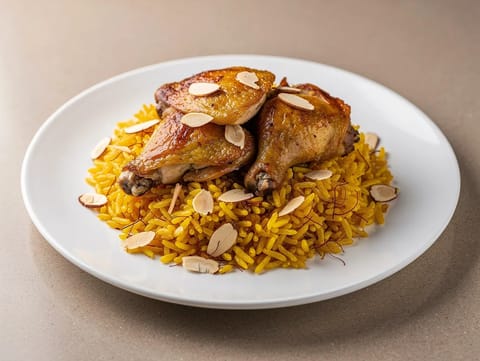
Chicken Muhammar with Saffron Rice
Braised chicken with saffron rice and toasted almonds
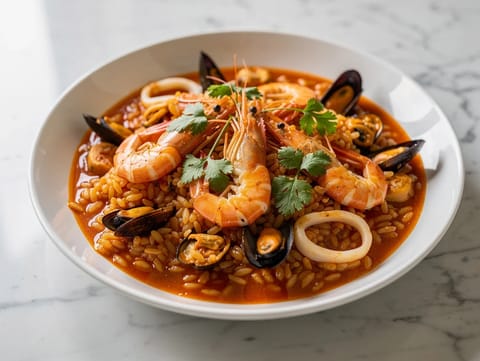
Arroz de Marisco (Portuguese Seafood Rice)
Portuguese seafood rice with prawns, mussels, squid and tomato
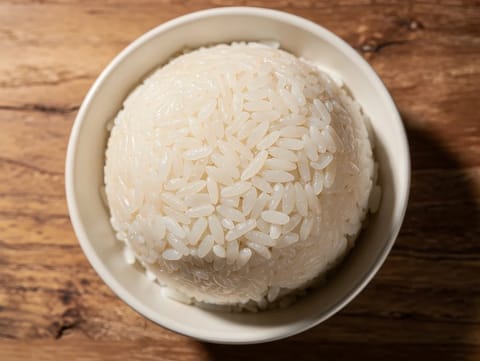
Sticky Rice (Khao Niao)
Thai sticky rice steamed from soaked glutinous rice
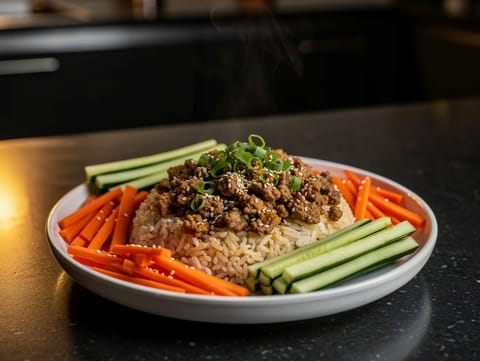
Air Fryer Beef Rice Bowl
Air-fried beef over rice with gochujang and vegetables.

Arroz con Pollo (Colombian-Style Rice with Chicken)
One-pot rice with chicken thighs, vegetables and spices

Katsudon (Breaded Pork Cutlet with Egg over Rice)
Breaded pork cutlet and lightly set egg over rice
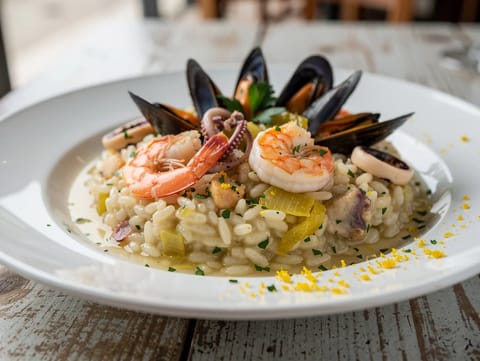
Risotto ai Frutti di Mare (Seafood Risotto with Prawns, Mussels and Squid)
Creamy seafood risotto with prawns, mussels and squid
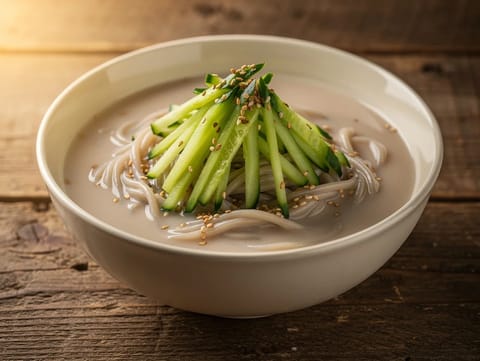
Kongguksu (Cold Soy Milk Noodles)
Cold noodles in creamy soy milk broth with cucumber
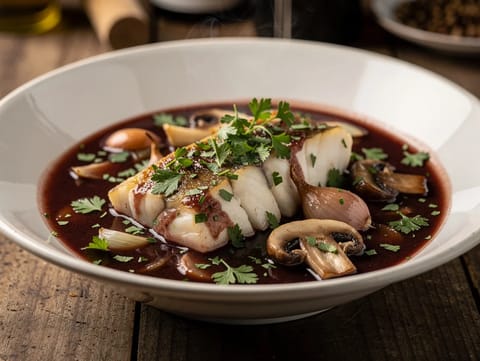
Matelote (French Fish Stew in Red Wine)
French fish stew poached in red wine with mushrooms
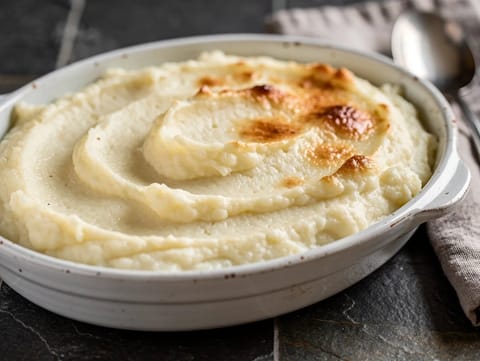
Brandade de Morue Nîmoise (Salt Cod and Olive Oil Purée)
Salt cod and potato purée with olive oil and garlic
Arroz de Cabrito (Portuguese Oven-Baked Goat Rice)
Oven-baked goat rice with tomato, stock and parsley
Caldereta de Bogavante (Balearic-Style Lobster Stew)
Balearic lobster stew with tomato, saffron and paprika
Soto Ayam (Indonesian Chicken and Turmeric Soup)
Chicken and turmeric soup with vermicelli and bean sprouts
Bindaetteok (Korean Mung Bean Pancakes with Vegetables)
Korean mung bean pancakes with vegetables and a soy dipping sauce
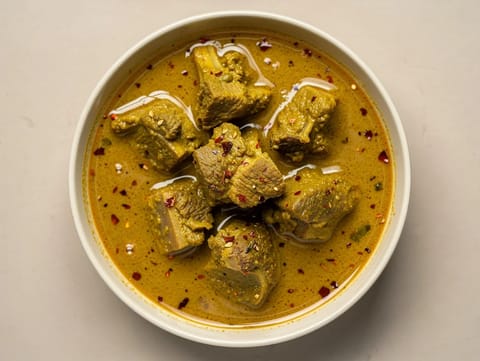
Gulai Kambing (Indonesian Spiced Lamb Curry)
Indonesian lamb curry simmered in coconut milk with spices

Chè Trôi Nước (Vietnamese Floating Rice Balls in Ginger Syrup)
Glutinous rice balls with mung bean in ginger syrup
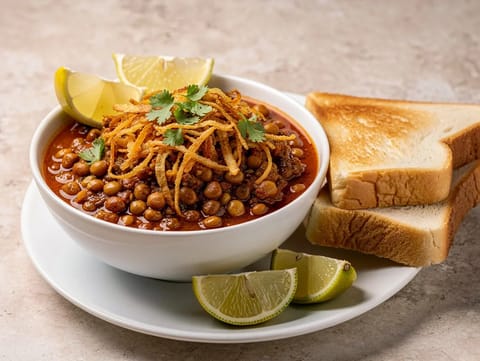
Misal Pav (Spicy Sprouted Bean Curry)
Spicy sprouted bean curry topped with farsan and pav

Gyeran Mari (Korean Rolled Omelette)
Korean rolled omelette with spring onions and carrot
You might also like
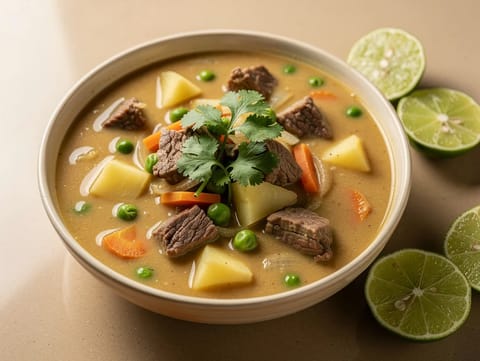
Sopa de Maní (Bolivian Peanut Soup with Beef)
Bolivian peanut soup with beef and potatoes
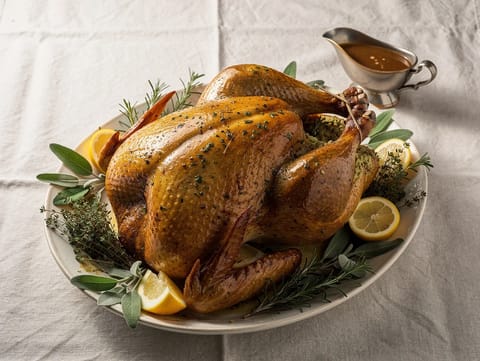
Thanksgiving Roast Turkey with Herb Butter and Gravy
Roast turkey with herb butter and gravy from pan drippings
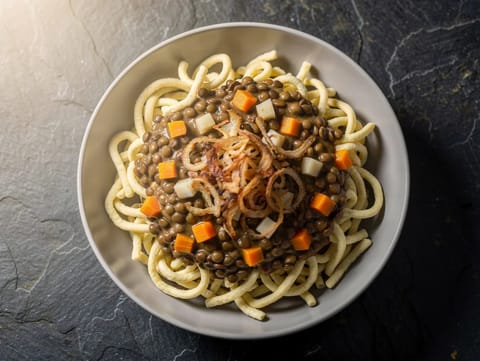
Saure Linsen mit Spätzle (Swabian Sour Lentils with Egg Noodles)
Sour lentil stew served over Spätzle with fried onions
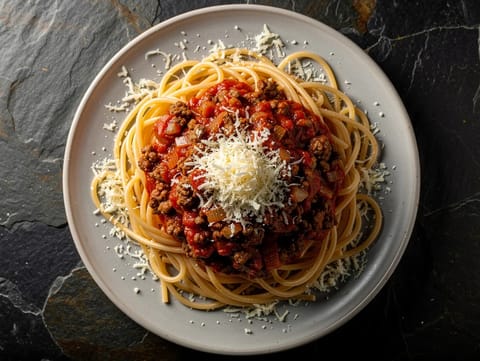
Makaronia me Kima (Greek Spaghetti with Minced Beef and Tomato Sauce)
Greek spaghetti with minced beef, tomato and cinnamon

Air Fryer Vanilla Cake
Air fryer vanilla sponge cake with simple vanilla buttercream.

Gluten-Free Bangers and Mash with Onion Gravy
Gluten-free sausages with mash and onion gravy
Make this recipe easier next time
AdvertisementThese tools help you get better results with less effort.
KitchenAid Stainless Steel Mixing Bowls
- Non-slip base
- Stainless steel
- Not microwave safe
T-fal Specialty Nonstick Handy Pot with Glass Lid 3 Quart
- Easy food release
- Dishwasher safe
- Not induction compatible
OXO Good Grips Stainless Mixing Bowl Set
- Non-slip base
- Comfort grip
- Higher price
WMF Mini Saucepan 16 cm with Lid
- High-quality stainless steel
- Even heat distribution
- Higher price point
Enjoy cooking with JustRecipes?
Add JustRecipes as one of your preferred Google sources to discover our recipes more easily across Google Search.
Add JustRecipes to GoogleEvery recipe on JustRecipes follows the same structured editorial process. Learn how recipes are created, validated, translated, illustrated, and continuously improved across the platform. How we create recipes.
