
Quick Pickled Turnips (Middle Eastern Style)
Crisp pickled turnips brined with beetroot, garlic, bay leaves and white wine vinegar

Pickling is a way of changing an ingredient with acid, salt and time. It is largely hands-off once the brine is mixed, but it is not passive: small choices about cut size, strength of seasoning and resting time decide whether you end up with something crisp and bright or soft and aggressively sharp.
Pickled elements can be the main event, a condiment, or a supporting note that lifts rich foods and adds snap to otherwise soft textures.
Acid and salt move quickly into thin slices and small pieces, so quick pickles often focus on immediate impact: a clean sourness, a little sweetness, and a crunchy bite. Larger pieces take longer to season through and can keep more of their original character.
Pickling also changes aroma. Raw onions, for example, can lose some harshness after sitting in an acidic brine, while firm vegetables can taste sweeter once salted. If a pickle tastes one-note, it often needs either more salt, a touch of sugar, or aromatic support such as garlic, ginger, chilli, peppercorns or herbs, depending on the style of brine.
Crisp pickled turnips brined with beetroot, garlic, bay leaves and white wine vinegar
Lightly fried herring marinated in a warm, spiced vinegar brine with onions
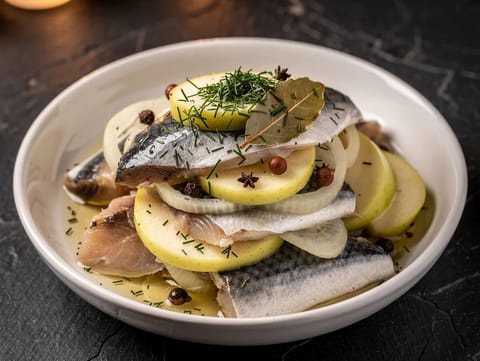
Chilled herring layered with apple and onion in sweet-sour dressing
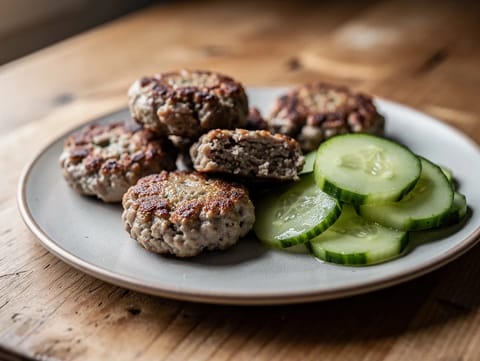
Pan-fried Danish pork patties with pickled cucumber
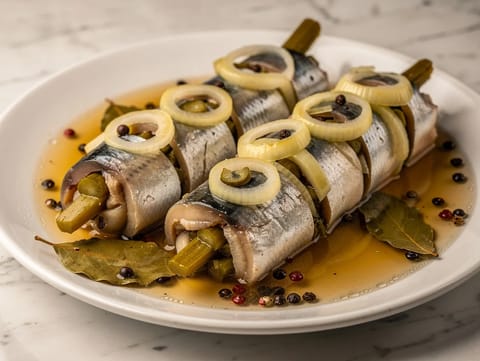
Pickled herring rolls filled with gherkins and onion
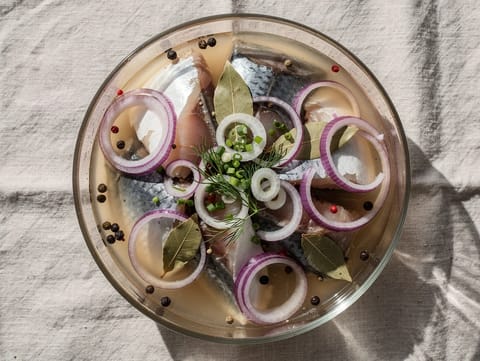
Pickled herring served with sliced onion
Many recipes fall into two broad patterns. Quick pickles use a vinegar-based brine and are ready after a short rest, often kept chilled. They are about freshness and crunch.
Other recipes use a salt-forward approach that relies on time to develop a deeper, rounder tang. These can be more variable and may involve fermentation rather than straightforward vinegar pickling.
Because the word pickled is used for both, it helps to read for clues: whether the brine is vinegar-led or salt-led, whether the recipe is chilled or kept at room temperature, and whether it mentions fermentation. If you are new to the method, vinegar pickles are usually the more predictable starting point.
Pickled herring rolls filled with gherkins and onion
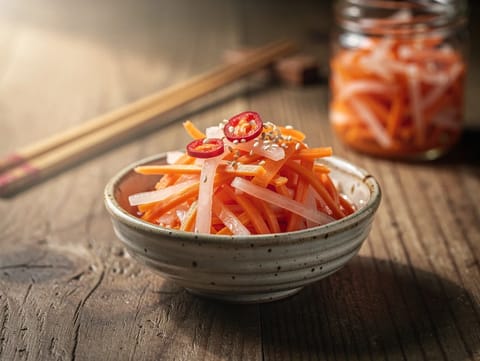
Crisp pickled carrot and daikon in sweet vinegar brine
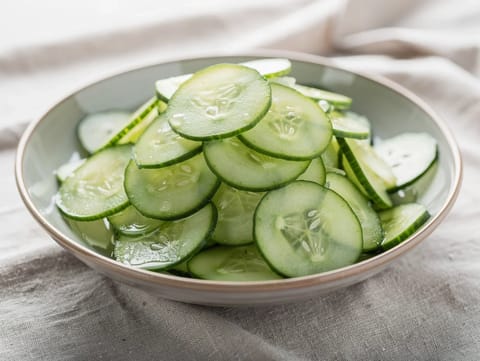
Danish cucumber salad in a sweet and tangy vinegar dressing
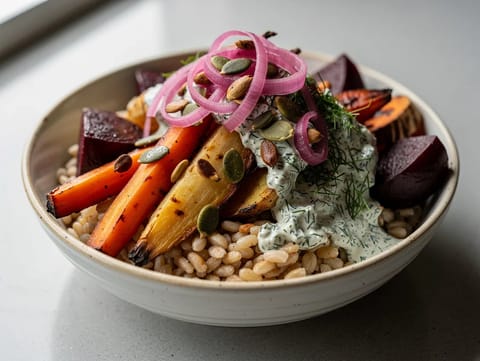
Roasted root vegetables over barley with dill yoghurt dressing
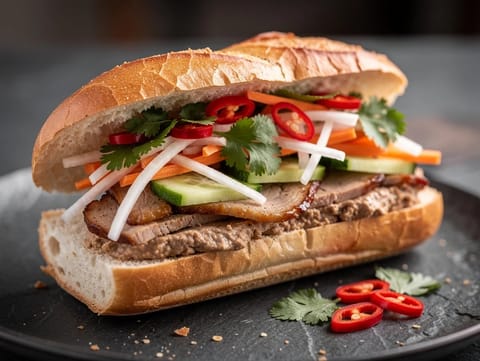
Vietnamese baguette sandwich with pork, pâté and pickled vegetables
Pan-fried Danish pork patties with pickled cucumber
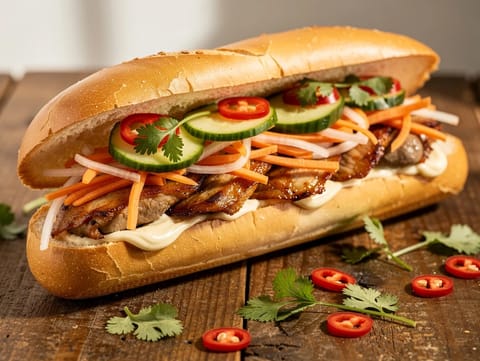
Chicken bánh mì with pickled carrot and daikon, pâté and herbs
Chilled herring layered with apple and onion in sweet-sour dressing
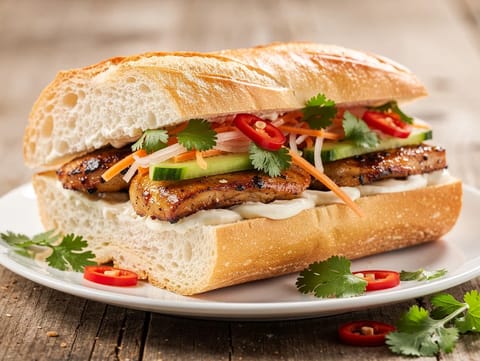
Lemongrass chicken baguette with pickled carrot, daikon and cucumber
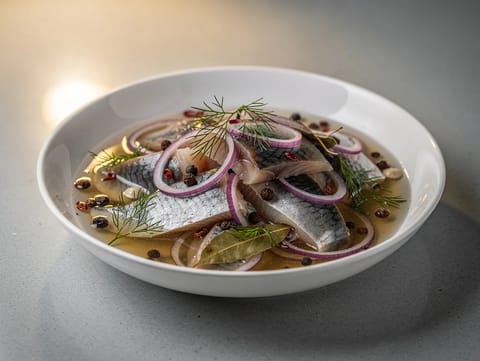
Pickled herring in sweet-sour brine with dill and red onion
Pickled herring served with sliced onion
Lightly fried herring marinated in a warm, spiced vinegar brine with onions
Choose by role. If you want a bright topping for tacos, grain bowls or sandwiches, look for quick, thinly sliced pickles that stay crisp and punchy. If you want something to serve alongside rich meats, fried foods or creamy dishes, a slightly sweeter or more aromatic brine can read as rounder rather than purely sharp.
Choose by texture. Firm vegetables and fruits tend to keep their bite; softer produce can turn yielding quickly, especially when cut small.
Choose by time. Some pickles are designed to be eaten soon; others need a longer rest to taste balanced. The recipe’s resting time is part of the method, not an optional extra.
Soggy pickles often come from using produce that is already soft, cutting too thinly for the resting time, or pouring hot brine over delicate ingredients when the recipe expects a cold or warm brine.
Harsh, mouth-puckering results usually mean the brine is too acidic for the ingredient or the pickle has not had time to settle. A little sweetness, more aromatics, or simply more resting time can soften the edges.
Under-seasoned pickles are commonly a salt issue. Acid tastes loud; salt is what makes the flavour feel complete.
Pickling is closely tied to time: some recipes are quick to assemble but need resting, while others are longer projects. Cooking time helps you choose accordingly. Equipment can also matter, especially when a recipe expects a non-reactive jar, a weight to keep ingredients submerged, or a saucepan for warming the brine.
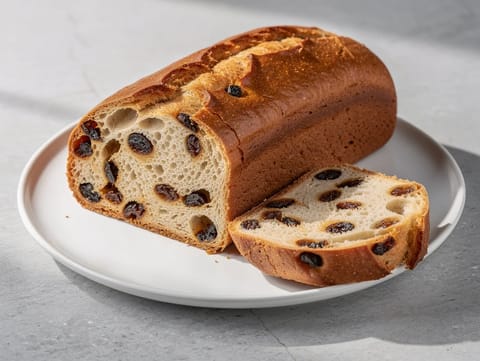
Greek raisin bread with olive oil and cinnamon
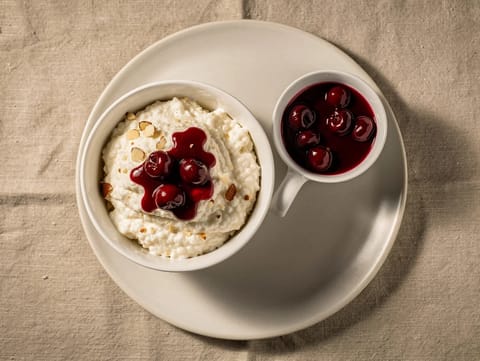
Danish almond rice pudding served with cherry sauce
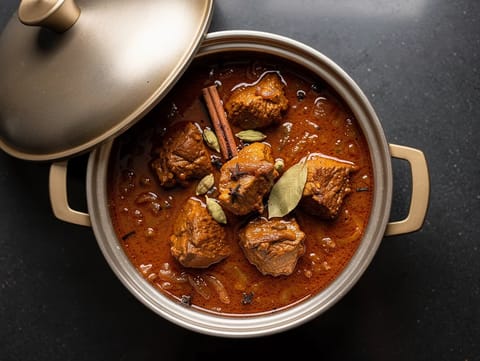
Slow-cooked lamb curry with yoghurt and Kashmiri spices
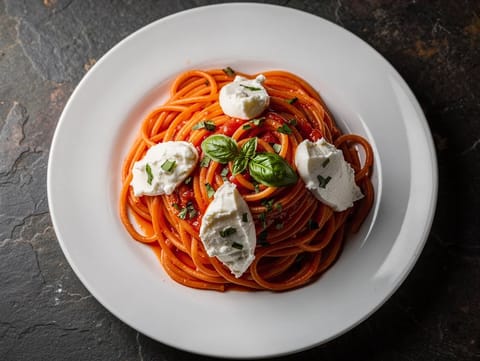
Italian pasta with tomato, basil and softened mozzarella
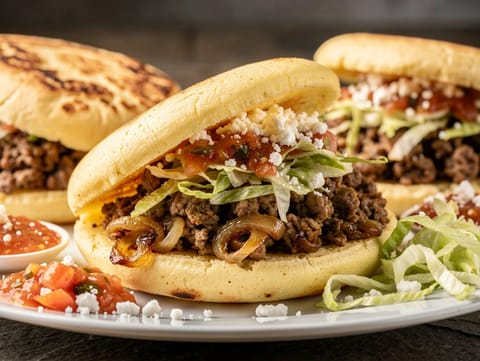
Masa pockets filled with spiced minced beef, lettuce, salsa and cotija
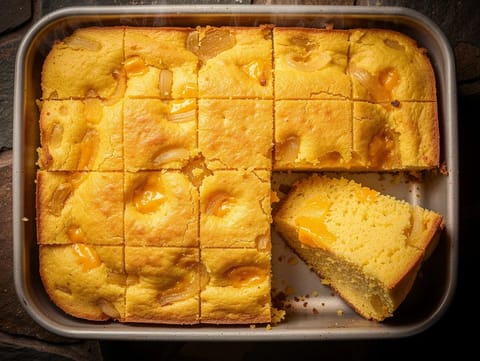
Savoury cornbread baked with cheese and softened onions
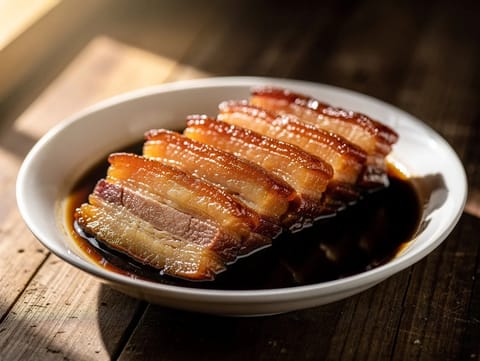
Hangzhou dongpo pork belly braised with Shaoxing wine and soy sauces
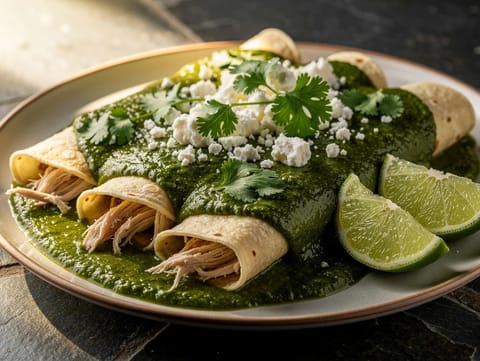
Baked chicken enchiladas with tomatillo salsa verde and queso fresco
No. Some are vinegar pickles, while others are salt-led and may involve fermentation. The ingredient list and resting instructions usually make the approach clear.
Not at all. Sugar is often used to balance sharpness, but many pickles are savoury, spicy or strongly aromatic instead.
Soft produce, very thin slicing, and long resting times can all lead to a softer texture. Some recipes also use hot brine, which can soften ingredients more quickly.
It refers to materials that do not react with acid, such as glass, stainless steel or food-safe plastic. Reactive metals can affect flavour and colour in acidic brines.
They overlap, but pickling is usually more acidic or salty and is meant to change the ingredient’s flavour and texture more decisively, often for longer keeping or repeated use as a condiment.
When comparing pickled recipes, focus on three things: the style of brine (vinegar-led or salt-led), the cut size, and the resting time. Those details tell you most of what the pickle will taste and feel like when it reaches the table.
