
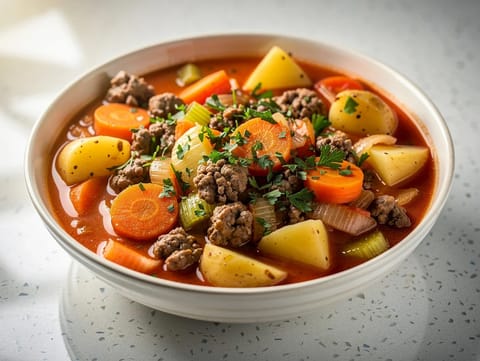
Bauerntopf (German Minced Beef and Potato Stew)
Minced beef and potato stew in a paprika-tomato broth

One-pot cooking is about sequencing: you build flavour in stages, then let the pot do the rest. It suits dishes that can simmer, braise or gently cook together, and it often holds well, which makes it practical when you want food that can wait for you.
The key is understanding what goes in first, what needs protecting from overcooking, and how much liquid the pot should carry by the end.
Many one-pot recipes follow a familiar pattern. You start by softening aromatics in a little fat, then add spices, tomato paste or other flavour bases so they bloom and lose any raw edge. Next comes the main ingredient and the cooking liquid, which might be stock, water, coconut milk, wine, or a combination.
From there, the pot shifts into a gentler phase: simmering, braising or steaming under a lid. Ingredients that cook quickly, such as tender greens, seafood, or some pasta shapes, are often added later so they finish in the residual heat. The final adjustment is usually about balance: a squeeze of citrus, a spoon of yoghurt, fresh herbs, or a last check for salt.
Minced beef and potato stew in a paprika-tomato broth
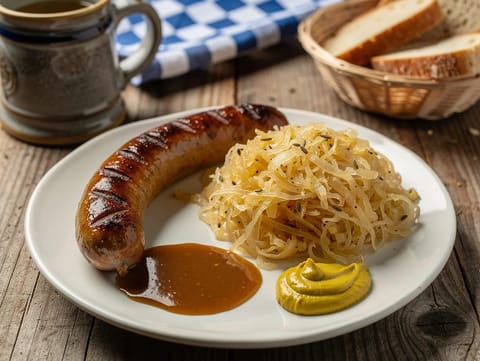
Bratwurst simmered with sauerkraut, onion and caraway
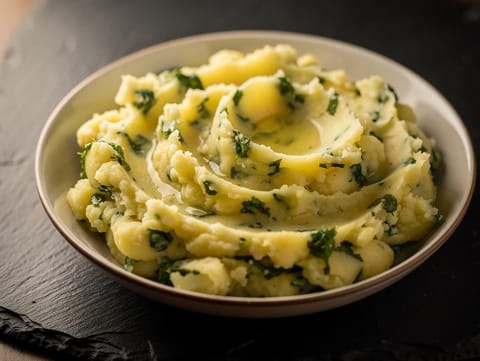
Warm Dutch potato and endive mash with mustard
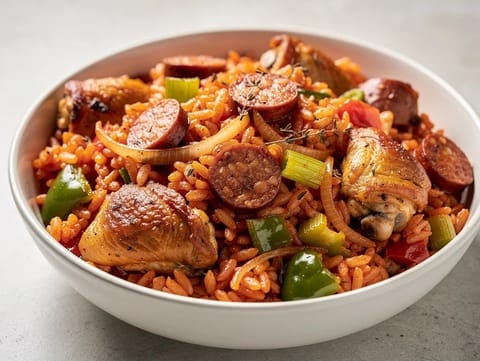
One-pot jambalaya with chicken, andouille sausage and rice
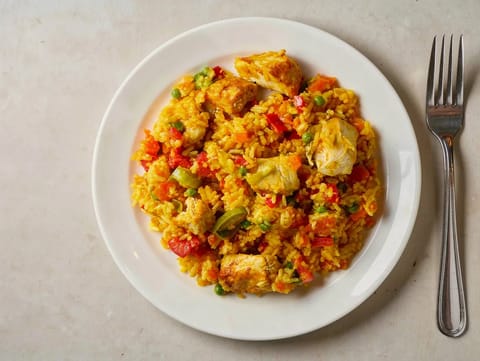
One-pot rice with chicken thighs, vegetables and spices
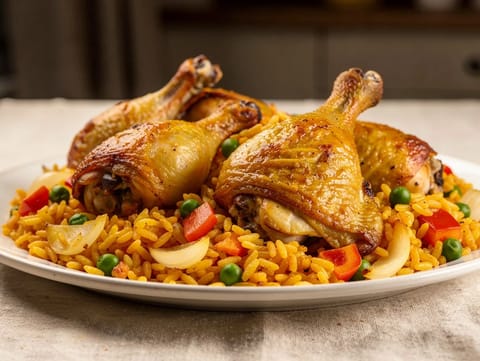
One-pot chicken thighs with saffron rice, peppers, tomato and peas
One-pot recipes are finished in a single main vessel, but that does not always mean everything is cooked at the same time. Some dishes start with browning, then switch to simmering; others rely on gentle heat throughout. It also does not automatically mean fast. A pot can be quick for soups and simple pastas, or slow for stews and braises.
The method is less about a specific cuisine and more about workflow: fewer pans, fewer transitions, and flavours that develop in the same cooking environment. That can be especially helpful when you want a dish that tastes cohesive after resting.
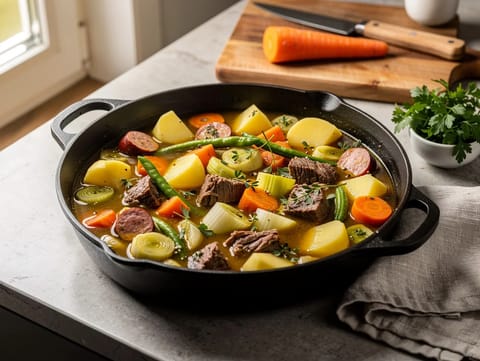
German one-pot stew with smoked sausage, beans and potatoes
Minced beef and potato stew in a paprika-tomato broth
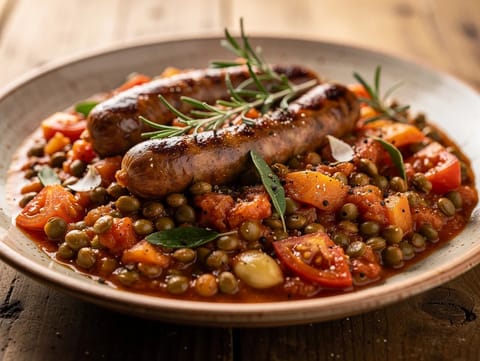
Italian sausages simmered with green lentils and tomato
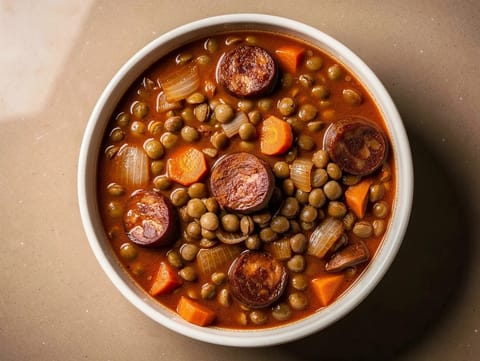
Spanish lentil stew simmered with chorizo, tomato and smoked paprika
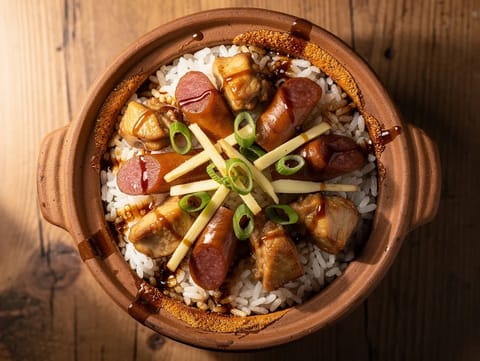
Clay pot jasmine rice with chicken, Chinese sausage and spring onion
Bratwurst simmered with sauerkraut, onion and caraway
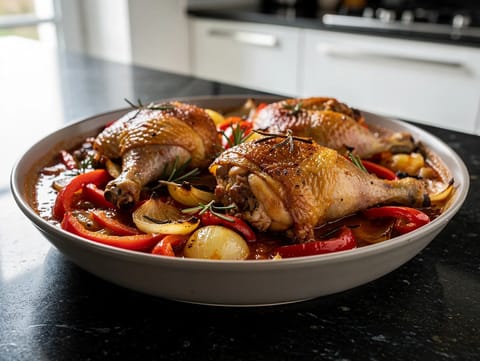
Chicken braised with peppers in a tomato and white wine sauce
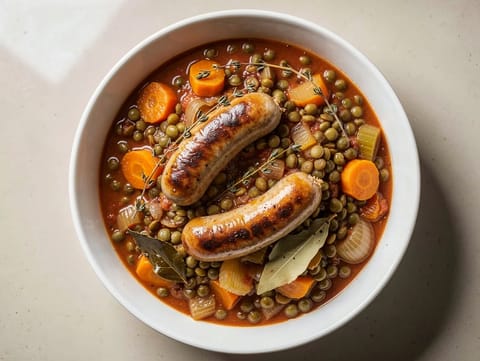
One-pot sausage casserole with green lentils and vegetables
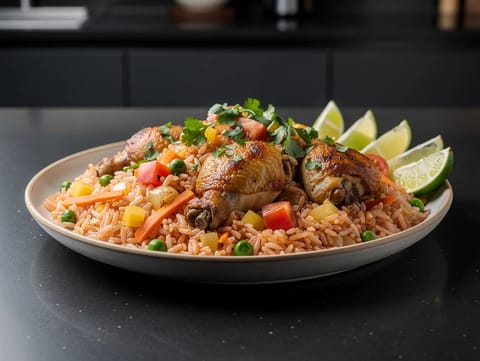
One-pot chicken and rice with tomato, peas and sweetcorn
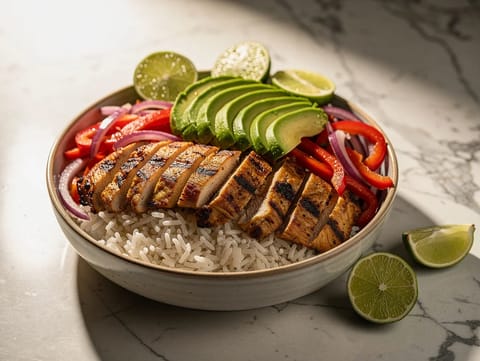
Spiced chicken fajita bowl with peppers, rice and avocado.
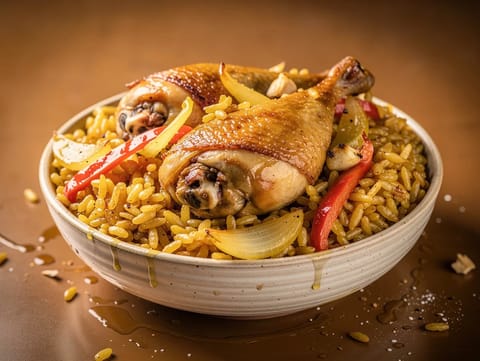
One-pan Spanish chicken and rice cooked in saffron-scented stock
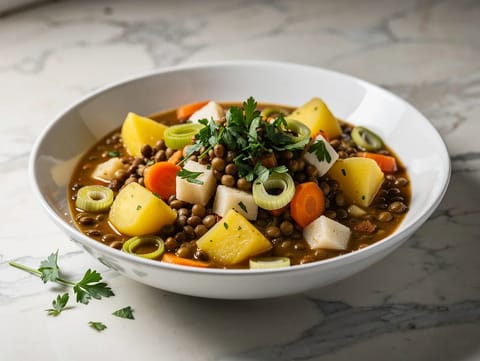
German-style lentil and potato stew with carrots, leeks and herbs
A heavy-based saucepan or casserole with a tight-fitting lid is the workhorse here. A wider pot encourages evaporation and reduction, which suits thicker sauces and rice dishes; a taller, narrower pot holds heat well for soups and broths.
If a recipe begins with browning, a pot with enough surface area helps you avoid steaming the ingredients. Non-stick can be useful for starchy one-pot pastas and rice, while enamelled cast iron is steady for longer, gentler cooking. If you do not have a lid that fits, a baking tray or foil can stand in, but you may need to watch the liquid level more closely.
Bland results often come from skipping the early flavour-building stage. Even a brief sauté of onions, garlic and spices can make the finished pot taste more rounded.
Uneven doneness is usually a timing issue. Dense vegetables and tougher cuts need a head start; quick-cooking ingredients should be added later, or stirred in off the heat.
A watery finish can happen when the lid stays on for too long. If the dish tastes right but looks thin, simmer uncovered for a short reduction, then rest so starches and proteins settle into the sauce.
If you are choosing one-pot recipes for a particular day, Cooking time helps you separate quick simmer-and-serve dishes from longer braises that need patience. Equipment is also useful: a recipe written for a wide casserole behaves differently from one designed for a tall stockpot or an electric multi-cooker.

Mallorcan spiral yeast pastry brushed with lard and icing sugar
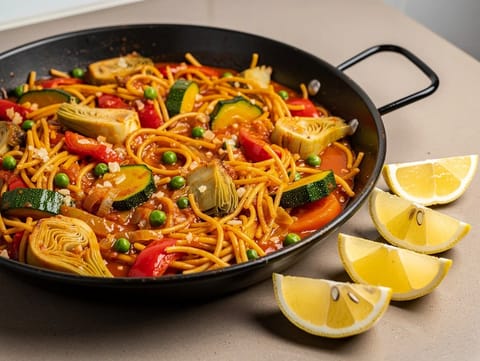
Spanish vegetable fideuà with saffron noodles and tender vegetables
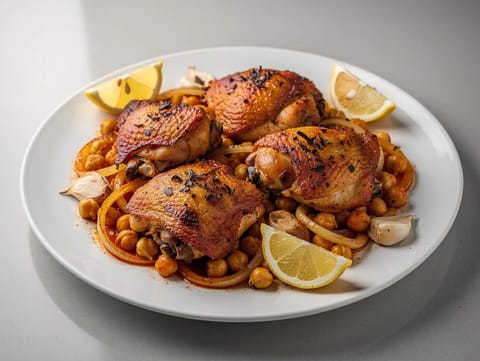
Harissa roasted chicken thighs with chickpeas
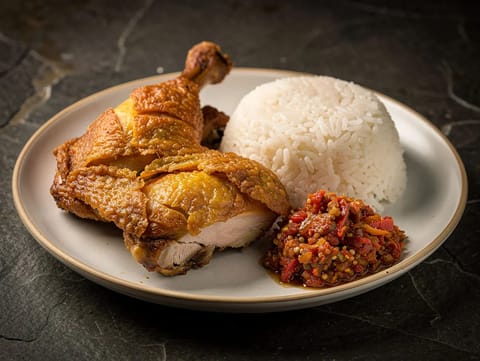
Smashed fried chicken with sambal
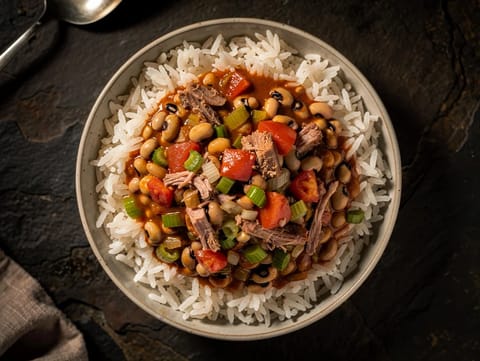
Black-eyed pea stew with smoked ham hock and tomatoes
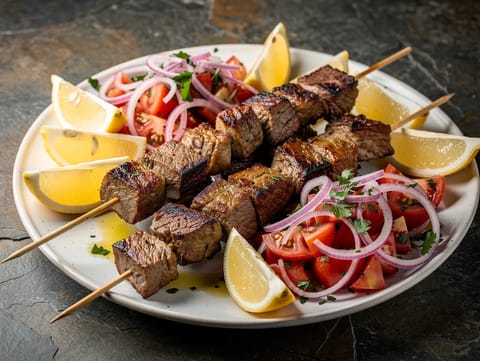
Grilled Moroccan lamb skewers with tomato and red onion salad
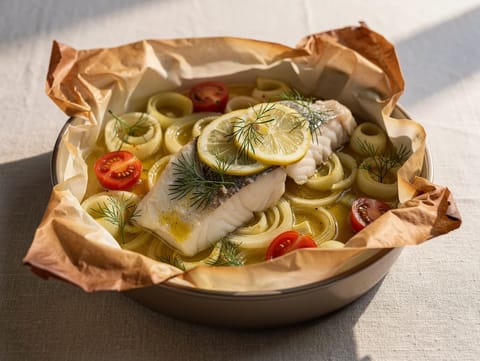
White fish baked in parchment with leeks, lemon and dill
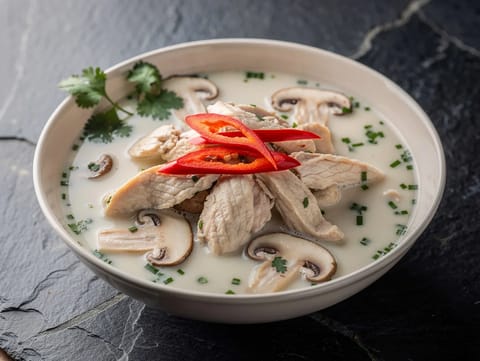
Thai coconut chicken soup with galangal, lemongrass and mushrooms
They overlap in spirit, but one-pot usually means a deeper vessel where simmering and covered cooking are common. One-pan often implies a shallow pan where browning and evaporation are easier.
Resting gives flavours time to mingle and lets starches and fats settle, which can make the sauce taste more integrated. Not every dish improves, but many stews and bean-based pots do.
It depends on shape and timing. Many recipes add pasta later, keep the simmer gentle, and stop cooking while it is still slightly firm, letting it finish as the pot rests.
Not always. Browning adds roasted flavours, but some one-pot dishes rely on gentle cooking and seasoning instead. The recipe’s flavour base and cooking time usually determine whether browning matters.
Heat may be too high, the pot may be too thin, or the mixture may be too thick for the stage you are at. Stir, lower the heat, and add a splash of liquid if the recipe allows.
The most reliable one-pot dishes are clear about sequence: what builds the base, what simmers, and what is added at the end. Choose recipes that match your pot and your patience, and you will get the payoff of a cohesive dish with minimal washing up.
