
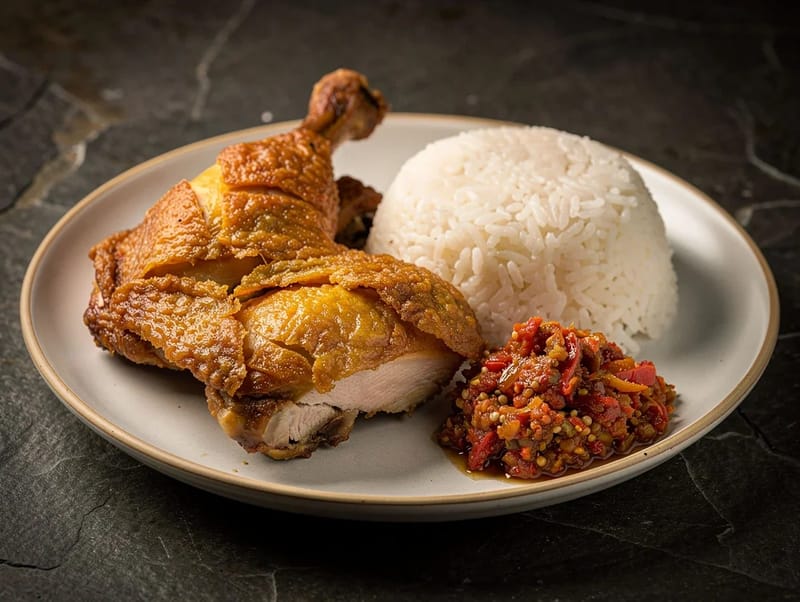
Ayam Penyet (Smashed Fried Chicken with Sambal)
Why this recipe works
- Crisp skin, juicy meat: Bone-in, skin-on chicken thighs are well suited to frying, giving crisp skin while helping the meat stay moist.
- Bold seasoning: Garlic, coriander, turmeric and lime season the chicken before it hits the oil, so the flavour is built into the meat rather than only added at the end.
- Sharp sambal finish: Fresh lime cuts through the fried chicken and lifts the chilli-shallot sambal, keeping the plate bright rather than heavy.
- Signature smashed finish: Pressing the fried chicken lightly opens up the surface so the sambal clings to the crisp edges without tearing the piece apart.
Get the most out of this recipe
Adjust the heat
- For less heat: Remove some or all of the chilli seeds, or serve the sambal on the side so each person can add it to taste.
- For extra fire: Use hotter red chillies or leave the seeds in the sambal for a more assertive heat.
- Balance the sambal: A squeeze of lime and plenty of steamed rice help round out the chilli heat without muting the flavour.
Common mistakes
- Do not crowd the oil: Frying too many pieces at once drops the oil temperature and can leave the chicken greasy rather than crisp.
- Avoid over-frying: Cook the chicken until the thickest part reaches 75°C (165°F), then rest it briefly so the juices settle.
- Smash lightly: Press the chicken firmly once or twice; the aim is to crack the surface, not flatten or shred the meat.
Ingredient notes
- Earthy marinade: Coriander and turmeric give the chicken its savoury warmth and golden colour, while garlic adds depth.
- Coarse sambal texture: Pounding the chilli and shallot leaves a rustic texture that sits well on the smashed chicken.
- Use a neutral frying oil: Sunflower or vegetable oil lets the spices and sambal come through without adding a strong flavour of its own.
Make-ahead tips
- Best eaten freshly fried: The chicken is at its crispest soon after frying and smashing, before the sambal softens the skin.
- Store separately: Keep the chicken, rice and sambal in separate airtight containers so the rice stays fluffy and the chicken does not absorb excess moisture.
- Re-crisp the chicken: Reheat the chicken in a 200°C (390°F) oven until piping hot and the skin has regained some crispness.
Equipment you'll need
Ingredients
Chicken and rice
Sambal
Instructions
- Rinse the rice until the water runs mostly clear, then put it in a saucepan with the water and a pinch of the salt from the measured amount. Bring to the boil, cover, then cook on the lowest heat for 12 minutes. Take off the heat and leave, covered, for 10 minutes.
- Meanwhile, peel the garlic and pound it in a mortar with the ground coriander, dried turmeric, 1.5 tsp of the salt, and the juice of 1 lime. Rub this paste all over the chicken thighs, getting it into the skin side and any crevices. Leave to marinate while you heat the oil.
- Pour the sunflower oil into a wok or large pot to a depth of about 4 to 5 cm and heat to 175°C (350°F). Fry the chicken in batches for 12 to 15 minutes, turning occasionally, until deep golden and the thickest part reaches 75°C (165°F). Lift out with tongs and rest for 5 minutes.
- For the sambal, roughly chop the red chilli pepper and shallot, then pound with the remaining 0.5 tsp salt to a coarse paste. Warm 2 tbsp sunflower oil in a small saucepan over medium heat, add the paste and cook for 2 to 3 minutes until fragrant and slightly darker. Take off the heat and squeeze in the juice of 1 lime.
- To serve, place a piece of chicken on a board and press it firmly once or twice with the flat side of a spatula to lightly smash it without tearing it apart. Serve the chicken with the sambal and the steamed jasmine rice. Spoon a little sambal over the chicken at the table.
Recipe notes
Tips
- Keep the oil temperature steady around 175°C (350°F) so the chicken cooks through without the coating burning; let the oil come back up to temperature between batches.
- For a smoother sambal, pound longer; for a more rustic sambal, stop while it still has visible flecks of chilli and shallot.
- If serving anyone who is pregnant, elderly, or immunocompromised, ensure the chicken is cooked to 75°C (165°F) at the thickest part.
Substitutions
- Replace Chicken thighs with Chicken drumsticks, keeping the same cooking temperature and frying until they reach 75°C (165°F) at the thickest part.
- Replace Sunflower oil with Vegetable oil for frying and for the sambal.
Storage
- Refrigerate up to 3 days
- Cool the chicken and rice quickly, then refrigerate in separate airtight containers. Reheat the chicken in a 200°C (390°F) oven until piping hot and the skin re-crisps; reheat the rice with a splash of water in a covered saucepan over low heat. Store the sambal separately and bring to room temperature before serving.
Ratings & reviews
Liked this recipe? Share your feedback to support our cooking community.
Tried this recipe?
Choose 1–5 stars. A comment is optional.
Stay inspired
Discover new recipes, seasonal favourites and cooking inspiration every day. Follow JustRecipes on Pinterest and Spillt.
Recipe overview
- Servings: 4 servings
- Total time: 55min (40min active)
- Difficulty: Medium
- Cuisine: Indonesian
Plan your meals and get a complete grocery list automatically.
Add to meal plannerEquipment you'll need
Got ingredients left?
Find recipes using ingredients from this recipe or what you already have at home.
Find recipes with these ingredients →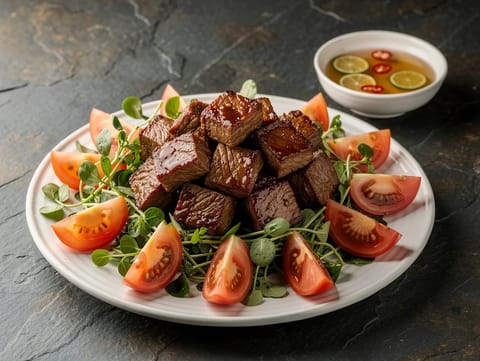
Bò Lúc Lắc (Vietnamese Shaking Beef)
Quick-seared Vietnamese shaking beef with salad and lime dipping sauce
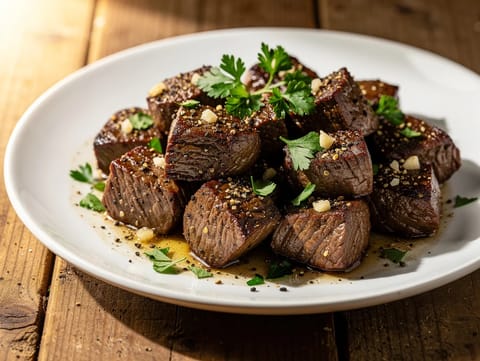
Skillet Garlic Butter Steak Bites
Seared steak bites tossed with garlic butter and parsley
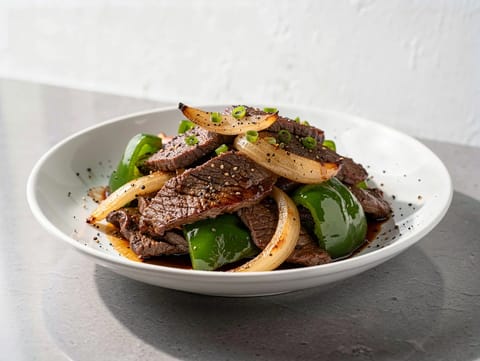
Cantonese Black Pepper Beef Stir-Fry (Peppery Beef with Peppers and Onion)
Peppery beef stir-fry with green pepper, onion and glossy sauce
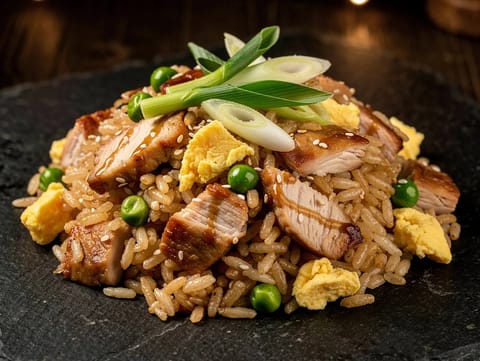
Chicken Fried Rice
Chicken fried rice with egg, peas and spring onion
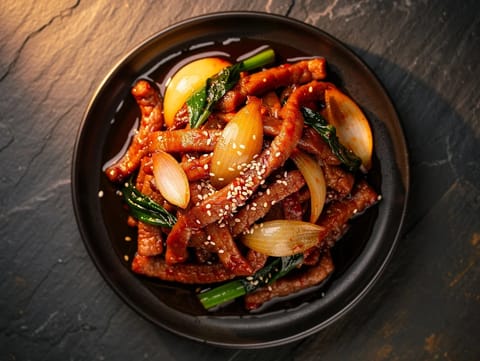
Jeyuk Bokkeum (Spicy Pork Stir-Fry)
Spicy gochujang pork stir-fry with onion
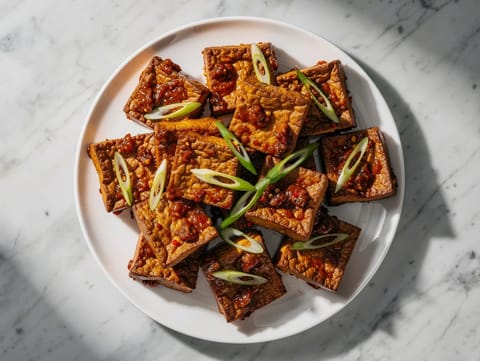
Miso Chilli Crispy Tofu
Crispy baked tofu tossed in miso chilli sauce
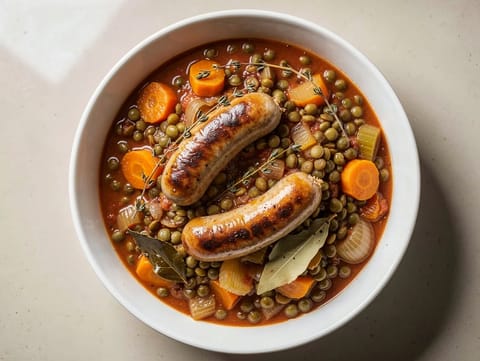
Sausage and Lentil Casserole
One-pot sausage casserole with green lentils and vegetables
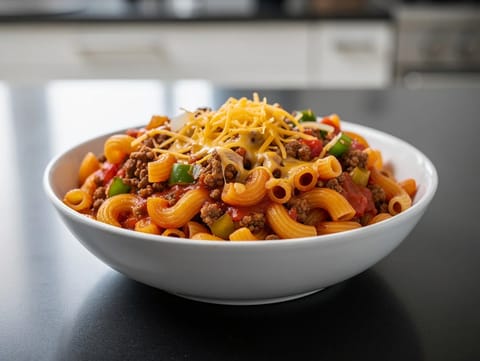
American Chop Suey (One-Pot Macaroni with Minced Beef and Cheddar)
One-pot macaroni with minced beef, tomatoes and cheddar
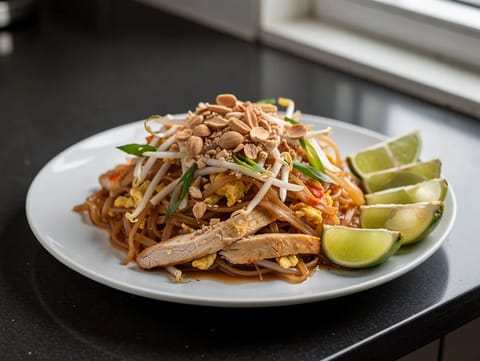
Chicken Pad Thai
Chicken Pad Thai with tamarind sauce, peanuts, bean sprouts and lime
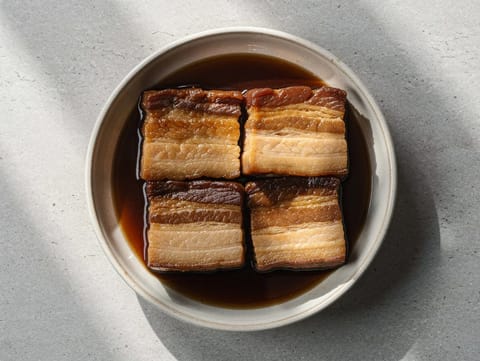
Buta no Kakuni (Braised Pork Belly)
Japanese braised pork belly simmered in soy, sake and mirin
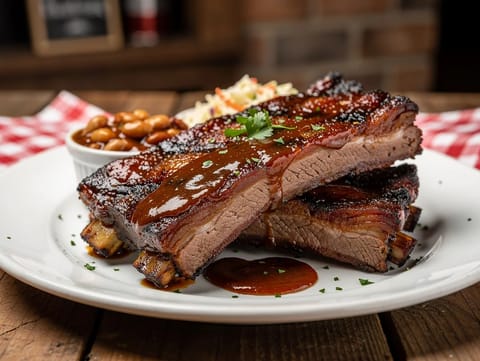
Kansas City-Style BBQ Beef Ribs
Slow-baked beef ribs with a sweet, tangy BBQ glaze
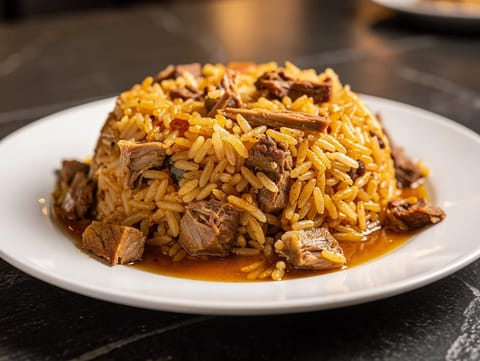
Wedding Pilaf (Turkish Rice with Meat)
Turkish pilaf with basmati rice, lamb and warm spices
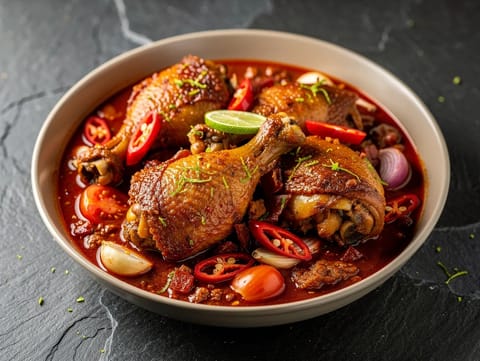
Ayam Rica-Rica (Manado-Style Spicy Chicken)
Manado-style spicy chicken simmered with chilli, tomato and lime
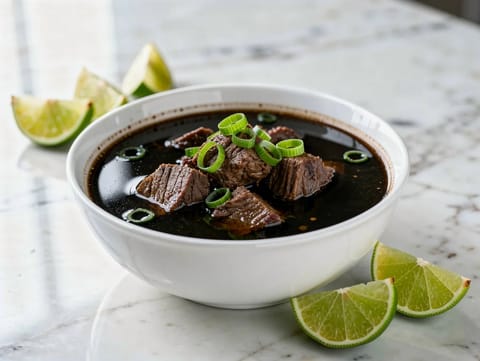
Rawon (East Javanese Black Beef Soup)
Black beef soup flavoured with keluak
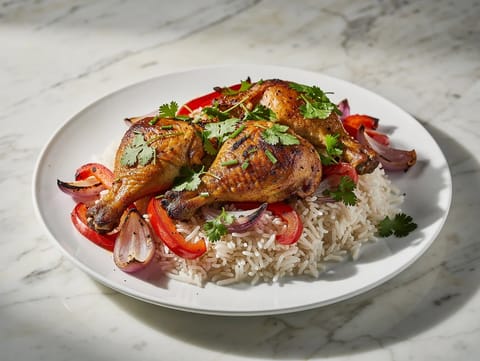
Lemongrass Chicken Traybake with Peppers and Jasmine Rice
Lemongrass chicken traybake with peppers, onion and jasmine rice
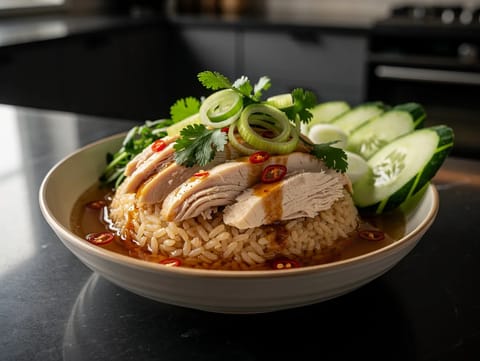
Tết Chicken Rice with Herbs and Fish Sauce Dressing
Chicken rice with cucumber, herbs and fish sauce dressing
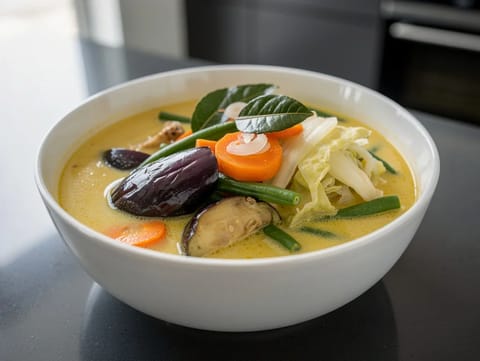
Sayur Lodeh (Vegetable Coconut Milk Stew)
Vegetable coconut milk stew (sayur lodeh)
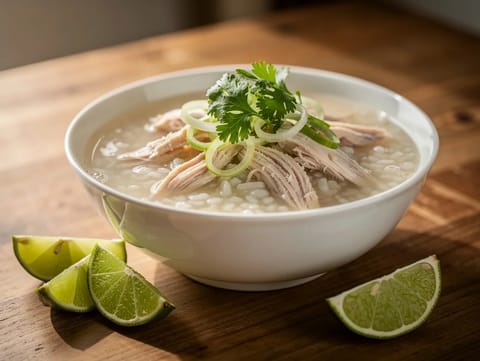
Cháo Gà (Vietnamese Chicken Rice Porridge)
Silky Vietnamese chicken rice porridge with ginger and herbs
You might also like
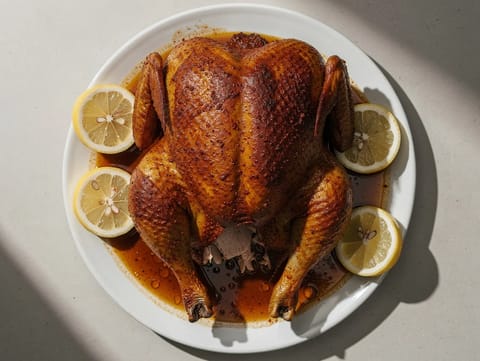
Frango Assado à Portuguesa (Portuguese-Style Roast Chicken)
Portuguese-style roast chicken with garlic, paprika, lemon and olive oil
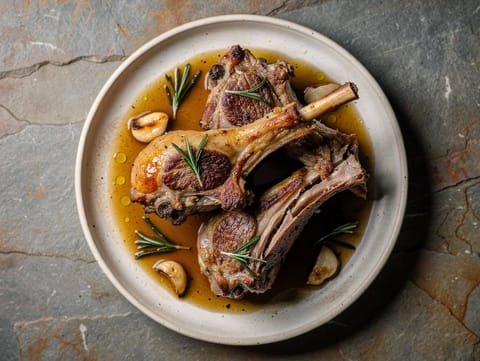
Abbacchio alla Romana (Roman-Style Braised Lamb)
Roman-style braised lamb with rosemary, white wine and lemon

Pisto with Fried Egg (Spanish Tomato and Courgette Stew)
Spanish pisto stew topped with a fried egg
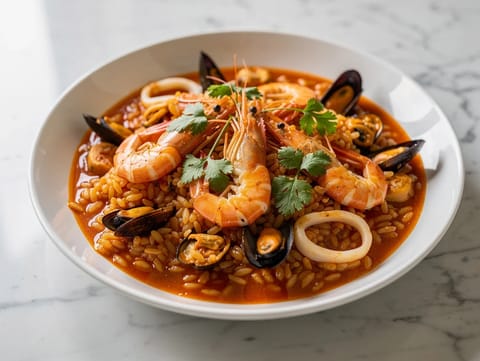
Arroz de Marisco (Portuguese Seafood Rice)
Portuguese seafood rice with prawns, mussels, squid and tomato
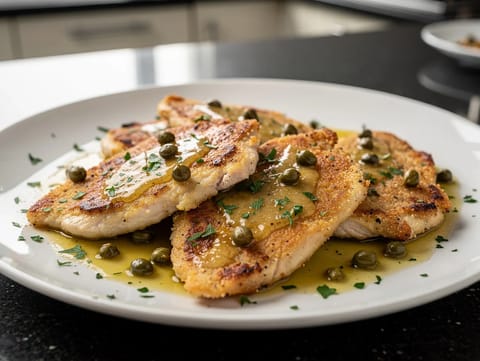
American-Style Chicken Piccata
Pan-fried chicken in a lemon, caper and butter sauce
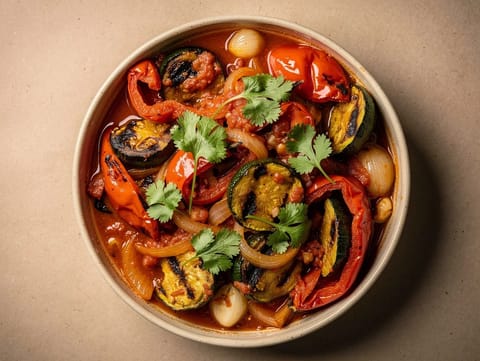
Grilled Vegetable Cataplana (Algarve-Style Stew)
Algarve-style vegetable stew with grilled peppers and courgettes
Make this recipe easier next time
AdvertisementThese tools help you get better results with less effort.
WMF Mini Saucepan 16 cm with Lid
- High-quality stainless steel
- Even heat distribution
- Higher price point
T-fal Specialty Nonstick Handy Pot with Glass Lid 3 Quart
- Easy food release
- Dishwasher safe
- Not induction compatible
All-Clad Tri-Ply Stainless Steel Saucepan
- Excellent heat control
- Premium build quality
- Expensive
Enjoy cooking with JustRecipes?
Add JustRecipes as one of your preferred Google sources to discover our recipes more easily across Google Search.
Add JustRecipes to GoogleEvery recipe on JustRecipes follows the same structured editorial process. Learn how recipes are created, validated, translated, illustrated, and continuously improved across the platform. How we create recipes.
