

Tostones (Fried Green Plantains)
Twice-fried green plantains served with lime
Deep-frying is one of the quickest ways to get a crisp, sealed exterior and a tender interior, but it depends on steady oil temperature. When the oil is right, food browns evenly and drains well; when it isn’t, coatings turn greasy or scorch before the centre is cooked.
These recipes suit moments when you can stay close to the hob, work in batches, and serve soon after frying while the crunch is at its best.
Deep-frying means cooking food fully submerged in hot oil. Because the oil surrounds the food, heat transfer is rapid and browning happens quickly. The method is less about long cooking and more about control: keeping the oil hot enough to drive off surface moisture, but not so hot that the outside darkens before the inside is done.
Deep-frying is distinct from shallow frying or pan-frying, where one side is in contact with the pan and you rely more on turning and basting. In deep-frying, shape and thickness become the main drivers of doneness.
Twice-fried green plantains served with lime
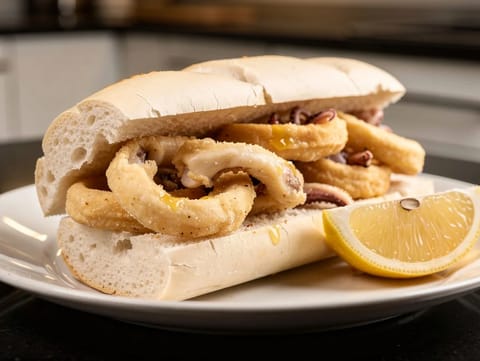
Crusty roll filled with flour-coated fried squid and lemon
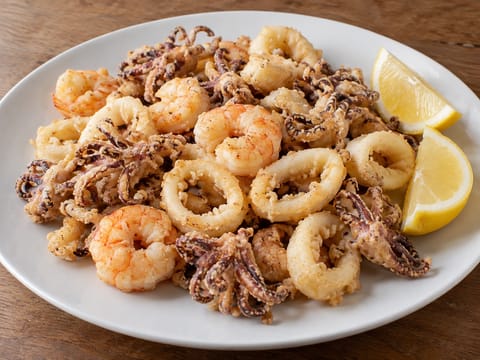
Crisp fried squid and prawns with lemon
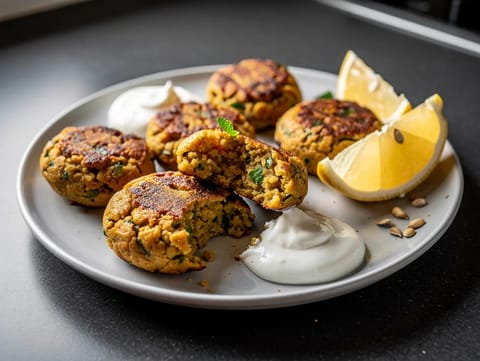
Greek chickpea fritters with herbs, fried until crisp
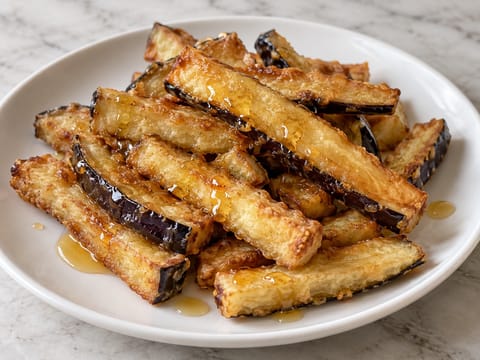
Crisp fried aubergine batons finished with honey and salt
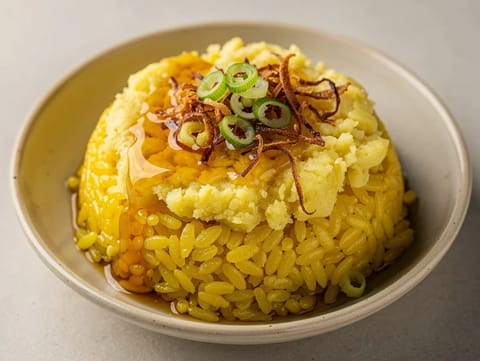
Turmeric sticky rice with mung beans and fried shallots
A deep, heavy pan holds heat more steadily than a thin one, which helps the oil recover after you add food. A thermometer is the simplest way to avoid guesswork, especially for battered items where colour can be misleading.
A spider or slotted spoon makes lifting and draining safer and cleaner, and a rack set over a tray keeps fried food crisp by letting steam escape. If you are using an electric deep fryer, the built-in thermostat can help with temperature stability, but you still need to avoid crowding and to let the oil return to heat between batches.
Crisp fried aubergine batons finished with honey and salt
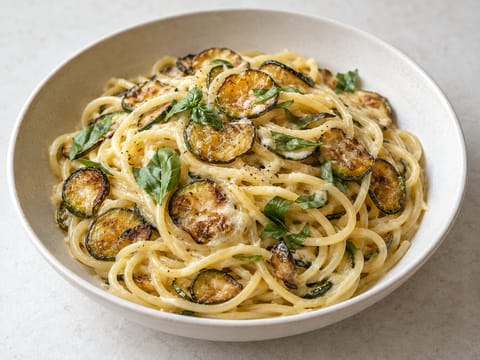
Spaghetti with fried courgettes and melted provolone sauce
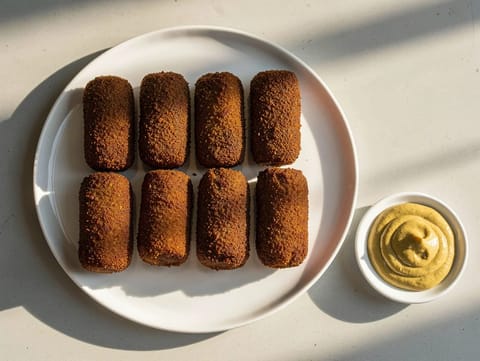
Dutch beef ragout croquettes with a crisp breadcrumb coating
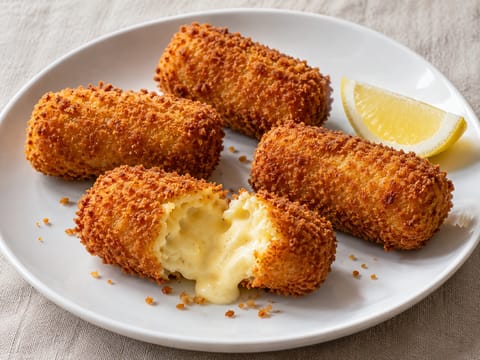
Belgian cheese croquettes with cheddar béchamel and a crisp coating
Turmeric sticky rice with mung beans and fried shallots
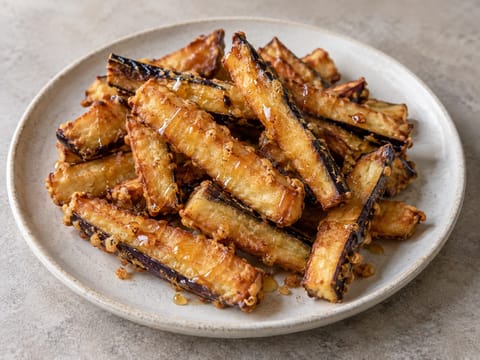
Crisp fried aubergine batons drizzled with cane honey
Crisp fried squid and prawns with lemon
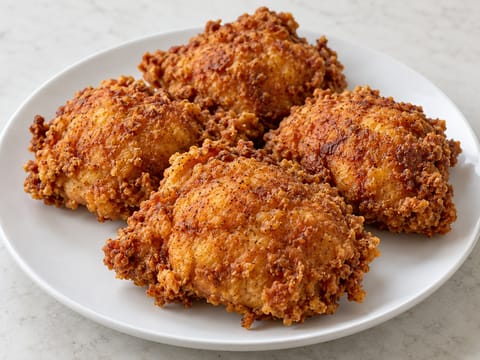
Buttermilk-brined fried chicken with a crisp seasoned coating
Greek chickpea fritters with herbs, fried until crisp
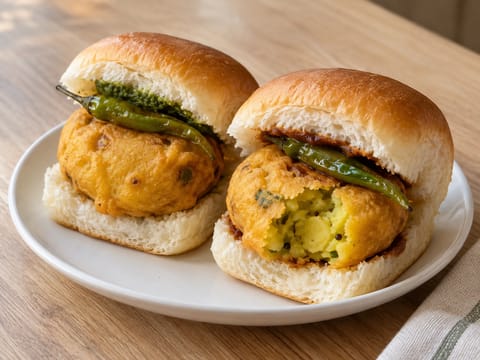
Spiced potato fritters in pav buns with chutneys
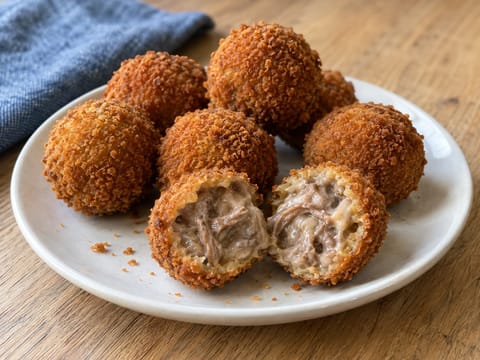
Dutch beef ragout balls, breaded and fried until crisp
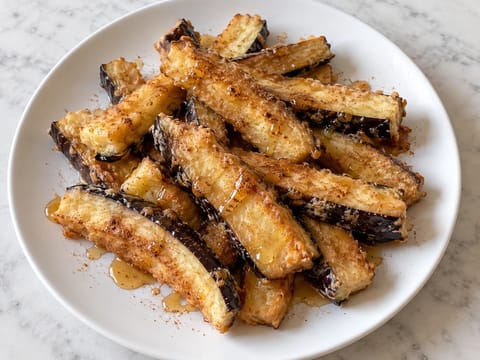
Crisp fried aubergine batons drizzled with honey
Look for recipes that specify a coating or surface treatment suited to deep-frying: a dry flour dredge for a thin, crisp shell; a breadcrumb coating for a thicker crunch; or a batter for a lighter, puffed finish. The coating affects not just texture but also how quickly the surface browns.
Pay attention to size. Smaller, evenly cut pieces cook through more predictably than mixed shapes, and they are easier to batch without dropping the oil temperature too far. Recipes that include a resting step after coating often do so to help the coating adhere, which reduces shedding into the oil and keeps it cleaner for subsequent batches.
Oil that is too cool is the usual cause of greasiness: the coating absorbs oil before it sets. Overcrowding is a common reason oil cools down quickly, so frying in batches is often the fix.
At the other extreme, oil that is too hot browns the outside fast, leaving the centre undercooked, especially with thicker pieces. Another frequent issue is wet surfaces. Excess moisture makes oil spit and can cause coatings to slide off, so many recipes pat ingredients dry before dredging or battering.
Deep-frying is shaped by your kit and your available attention. Browsing by Equipment helps you find recipes that suit a deep pan, a thermometer, or an electric fryer. Cooking time is also useful for separating quick-fry items from recipes that include chilling, resting or a pre-cook step before the oil stage.
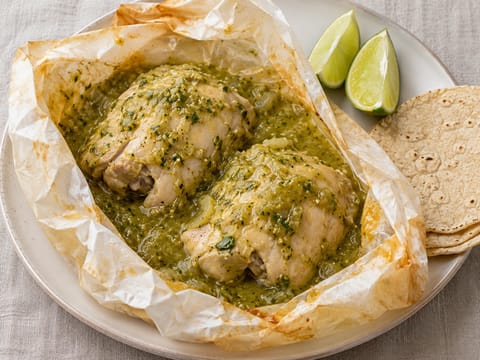
Steamed chicken parcels in tangy salsa verde
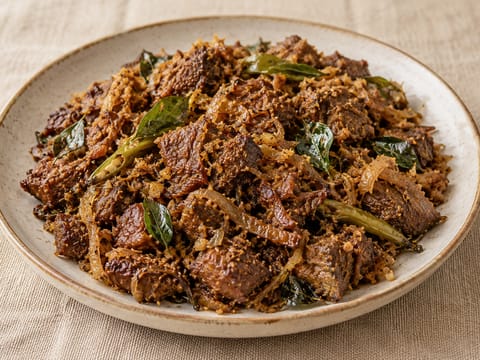
Dry Kerala beef fry with curry leaves and coconut
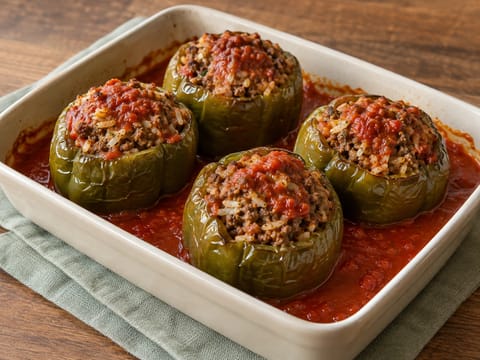
German stuffed peppers with minced beef, rice and tomato sauce
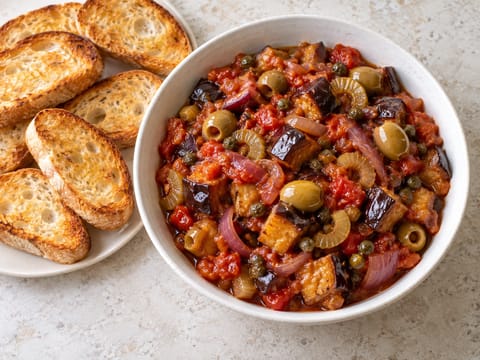
Sweet-sour aubergine caponata served with crisp crostini
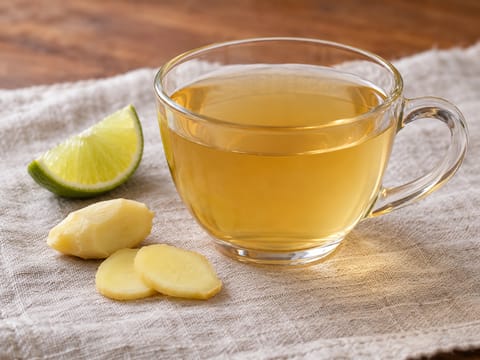
Hot ginger tea sweetened with sugar and finished with lime
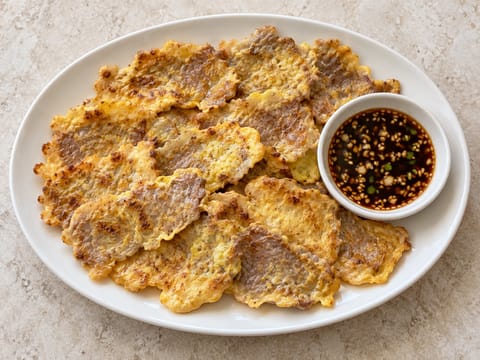
Korean pan-fried beef slices in egg coating with soy dip
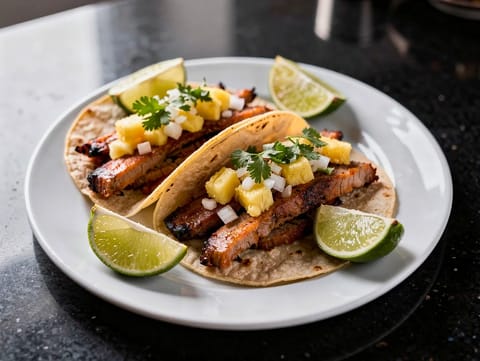
Marinated pork tacos with pineapple, onion, coriander and lime
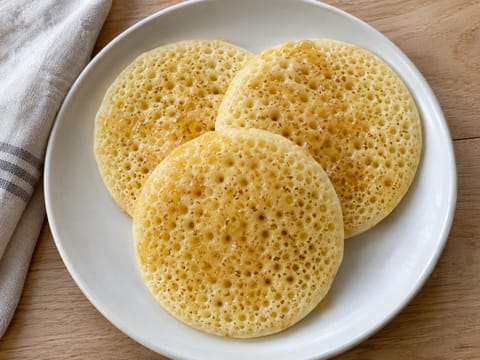
Moroccan semolina pancakes served warm with butter and honey
Steam is the main culprit. If fried food is stacked or held on a plate, trapped steam softens the crust. Draining on a rack keeps air moving so the coating stays crisper.
It is not strictly required, but it makes results more consistent. Oil temperature changes quickly when food is added, and a thermometer helps you correct before the coating turns greasy or too dark.
Deep-frying submerges the food, so it cooks evenly from all sides and browns quickly. Pan-frying uses less oil and relies more on contact with the pan and turning, which can suit thinner items.
It often happens when the surface is wet, the coating was not pressed on firmly, or the coated food went straight into oil without a short rest. Gentle handling when lowering into the oil also helps.
Many cooks do, but it depends on what you fried and how hot the oil got. Straining out crumbs and avoiding scorching helps keep oil usable for longer, but always use your judgement on smell and colour.
Deep-frying rewards a simple rhythm: heat the oil properly, fry in manageable batches, and drain on a rack. Once temperature control is in place, the rest is choosing a coating and a shape that cook through at the same pace.
