
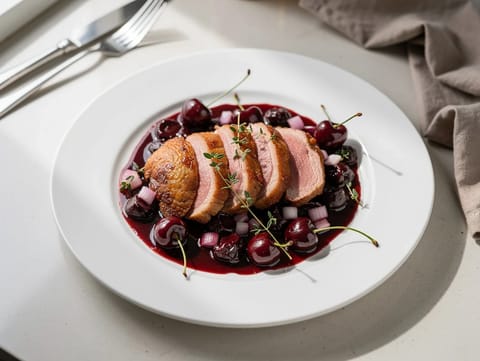
Pan-Seared Duck Breast with Cherry Bourbon Sauce
Pan-seared duck with cherry bourbon pan sauce

Pan-frying sits between sautéing and deep-frying: enough fat to conduct heat and encourage browning, but not so much that the food floats. Done well, it gives you a crisp surface and a juicy interior, with the control to stop exactly where you want.
Because the pan is exposed to the air, temperature management matters. The same recipe can go from pale and greasy to dark and bitter depending on how hot the pan is and how crowded it becomes.
Pan-frying means cooking in a shallow layer of fat in a frying pan or skillet, usually turning the food so both sides brown. It is different from sautéing, where smaller pieces are moved frequently in a thinner film of oil, and different from deep-frying, where the food is submerged.
Pan-frying is often used for cutlets, fritters, patties, fish fillets, tofu, flatbreads and vegetables that benefit from a browned surface. Some recipes use a light coating of flour, breadcrumbs or batter to protect delicate ingredients and create a crust; others rely on direct contact between the food and the hot pan.
Pan-seared duck with cherry bourbon pan sauce
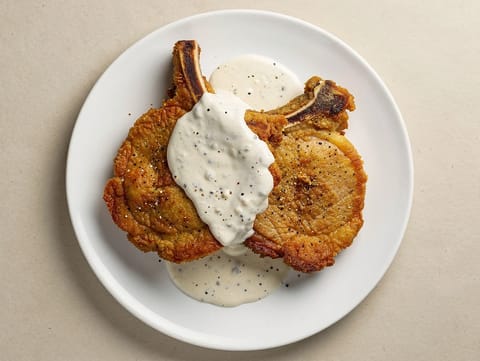
Crisp pork chops topped with peppery white gravy
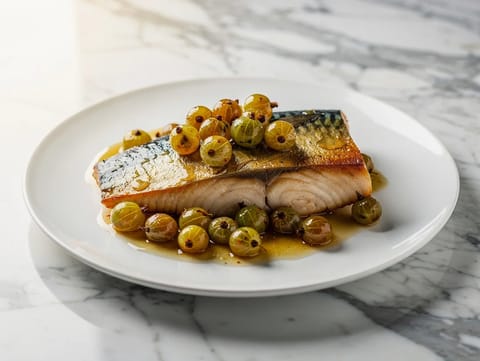
Crispy mackerel topped with warm gooseberry sauce
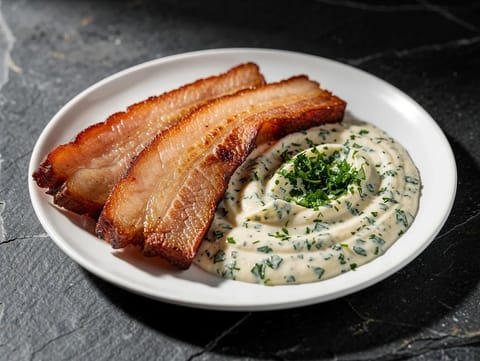
Crispy pork belly with warm parsley sauce
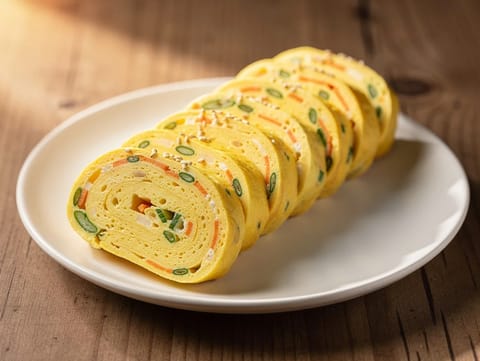
Korean rolled omelette with spring onions and carrot
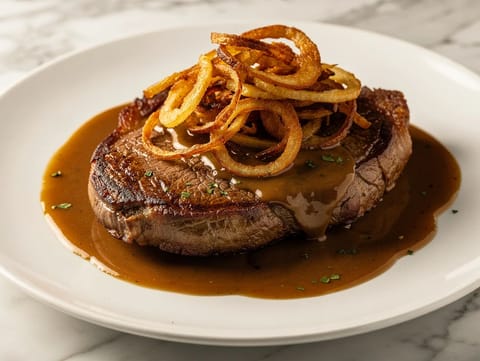
Beef steak with crisp fried onions and simple beef gravy
For a shatteringly crisp crust, look for recipes that dry the surface well and use a coating, such as flour, breadcrumbs, cornflour or a light batter. These usually need steadier heat and a little more oil so the coating can set before it darkens.
For tender, lightly browned results, recipes that pan-fry thicker pieces often finish with a lid, a splash of liquid, or a brief oven step. That approach trades some crispness for even doneness.
If you want clean, distinct browning, choose recipes with fewer wet ingredients in the pan. Sauces added too early can cool the surface and turn browning into simmering.
Crispy pork belly with warm parsley sauce
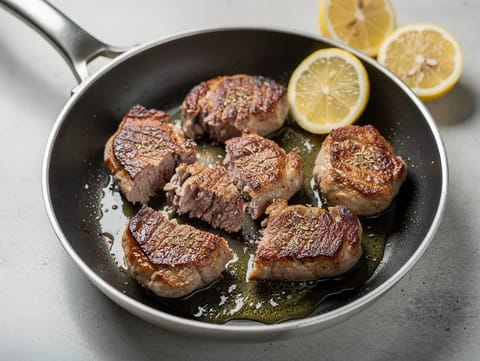
Pan-fried pork with lemon and mustard sauce
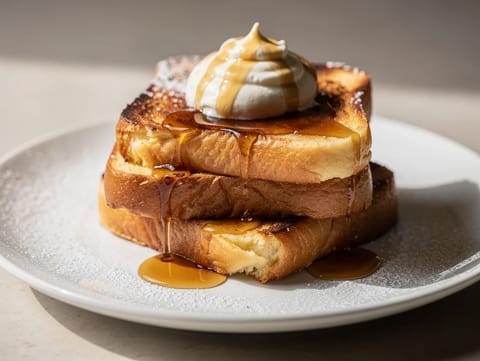
Custard-soaked brioche French toast with crème fraîche and maple syrup
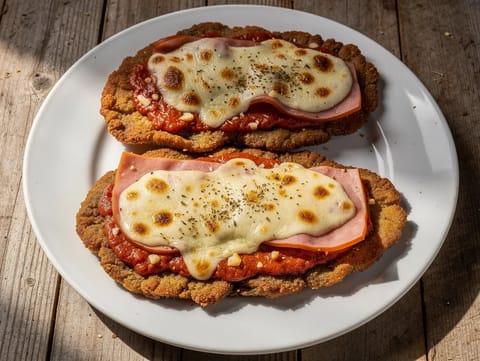
Crisp beef schnitzel topped with ham and melted mozzarella
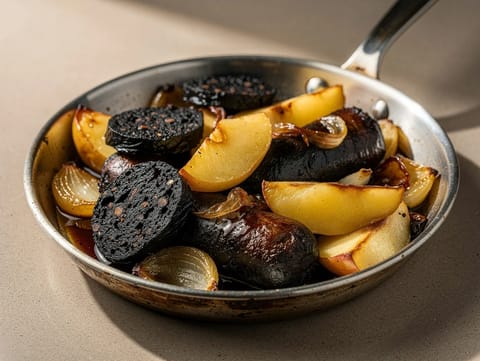
Pan-fried blood sausage served with buttery sautéed apples
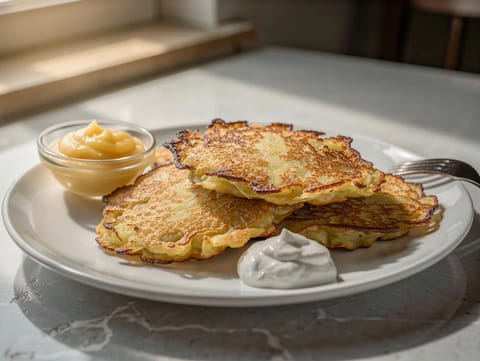
Crisp German potato pancakes with onion, egg and flour
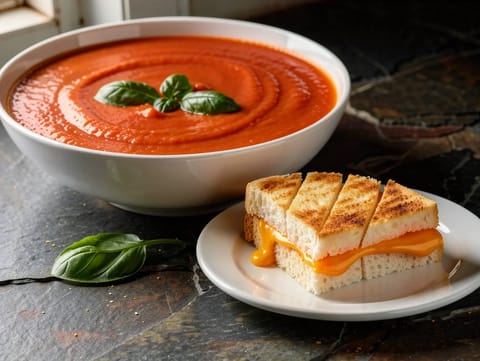
Cheddar grilled cheese served with smooth tomato soup
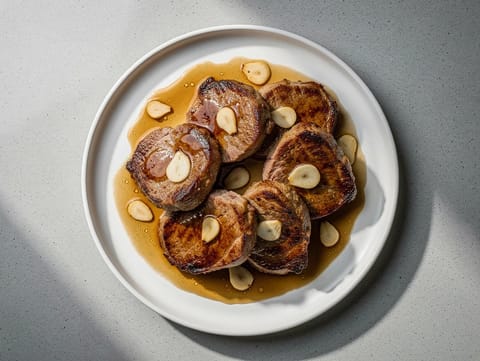
Pan-seared pork tenderloin with garlic whisky sauce
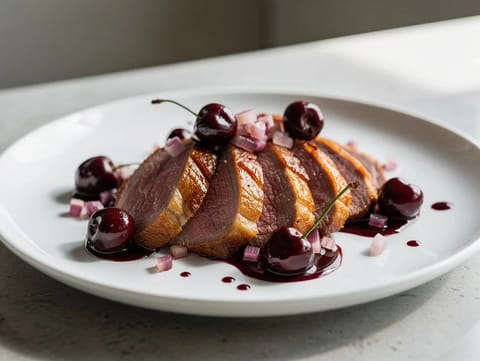
Pan-seared duck breast served with cherry and red wine sauce
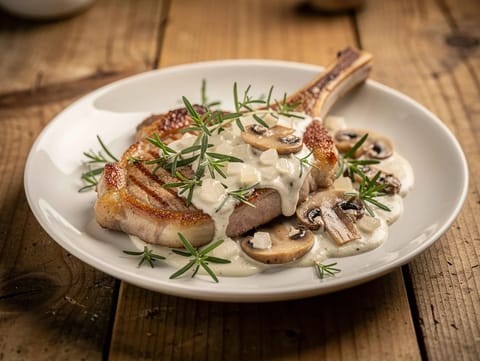
Veal chops with creamy mushroom sauce
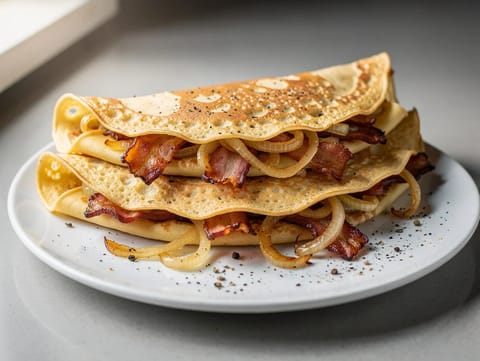
Thin savoury pancakes topped with bacon and onion
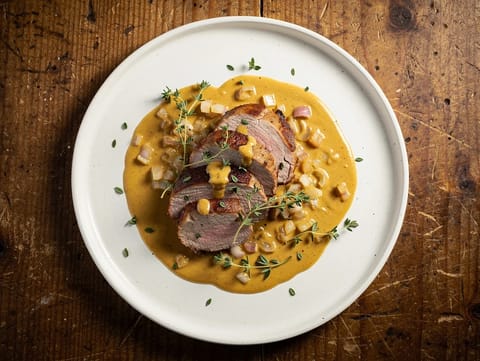
Pan-seared pork with a quick Dijon mustard sauce
Preheat the pan, then add oil and give it a moment to warm through. If the oil smokes aggressively, it is too hot for most pan-frying; if it sits heavy and still, food is more likely to absorb it.
Avoid crowding. Too much food drops the temperature and releases steam, which softens coatings and slows browning. Cook in batches if needed and keep finished pieces warm.
Turn with intention. Frequent flipping can prevent a crust forming; leaving food untouched for a short spell helps it release naturally. If something sticks, it often needs more time rather than more force.
Greasy results usually point to oil that was not hot enough, or food that went into the pan wet. Pat ingredients dry and let the pan recover heat between batches.
Burnt coating with an undercooked centre often means the heat was too high for the thickness. Lower the heat after the initial sear, or finish gently with a lid or in the oven if the recipe suggests it.
Pale food can be a sign of crowding, too little fat, or a pan that never properly preheated. Browning needs sustained contact with a hot surface.
Equipment makes a noticeable difference with pan-frying: a heavy pan holds heat and browns more evenly, while non-stick can help with delicate fish or egg-based fritters. Cooking time is also useful when comparing recipes that are quick-sear-and-serve with those that need resting, batching or a gentler finish.
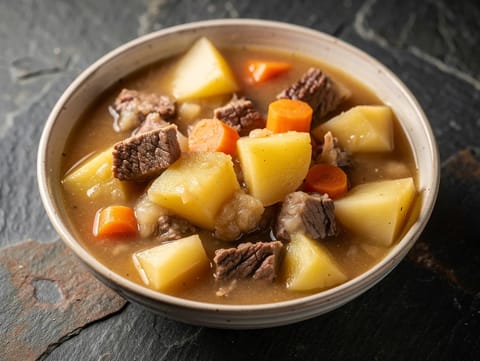
Norwegian beef stew with potatoes, carrots and swede
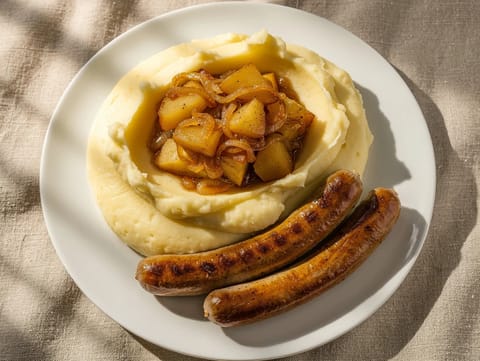
Mashed potatoes with cooked apples, pork sausages and caramelised onions
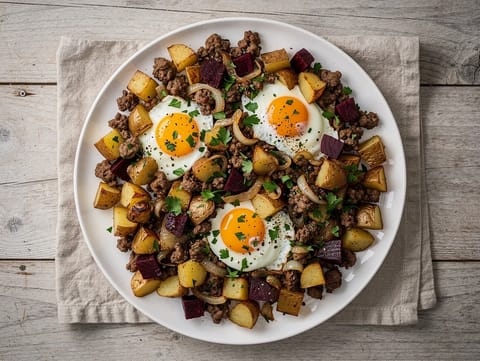
Swedish hash with fried egg and beetroot
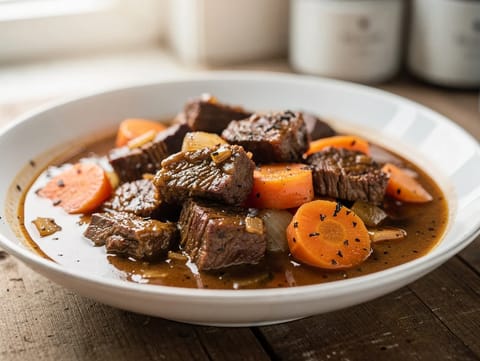
Slow-braised beef stew with red wine, bay and thyme
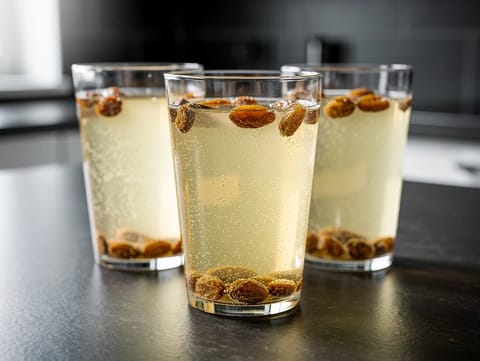
Finnish lemon sima, lightly fermented and served chilled with raisins
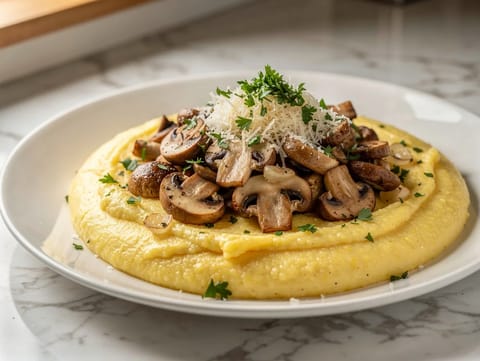
Creamy polenta topped with garlic mushrooms and Parmesan
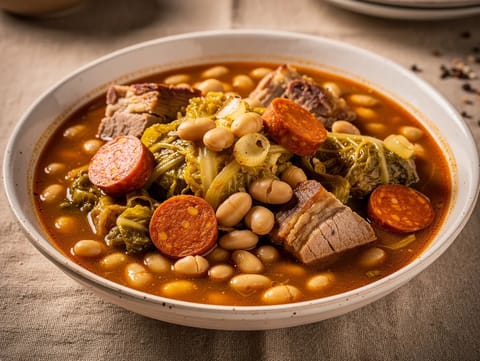
Cantabrian bean and pork stew with cabbage and smoked paprika
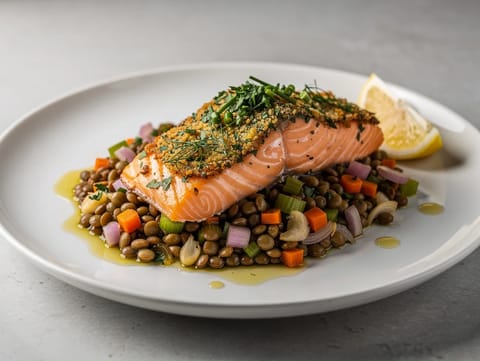
Herb-crusted salmon served over Dijon and lemon Puy lentils
Pan-frying usually uses a deeper layer of oil and larger pieces that are turned to brown. Sautéing uses less fat and smaller pieces that are moved frequently.
No. Visual cues are often enough: the oil should look fluid and shimmer slightly, and food should sizzle on contact without the oil smoking heavily.
Coatings tend to slip when the surface is wet, when the oil is not hot enough to set the crust quickly, or when the food is moved too soon. Let the coating hydrate briefly if the recipe calls for it, then fry without fussing.
Some recipes are written for a thin film of oil, but true pan-frying relies on enough fat to conduct heat and encourage even browning. Too little oil can lead to patchy colour and sticking.
Cold ingredients and overcrowding pull heat from the pan. Cook in batches, and let the pan and oil reheat between rounds.
When you choose a pan-fry recipe, check what it asks you to do with moisture, coating and thickness. Those three details largely determine the heat level you need and whether you will get crisp edges, gentle browning, or a softer finish.
