
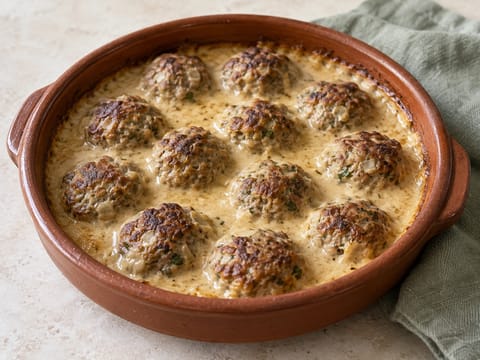
Kofta bil Tahini (Baked Meatballs in Tahini Sauce)
Baked lamb meatballs finished in a warm tahini sauce
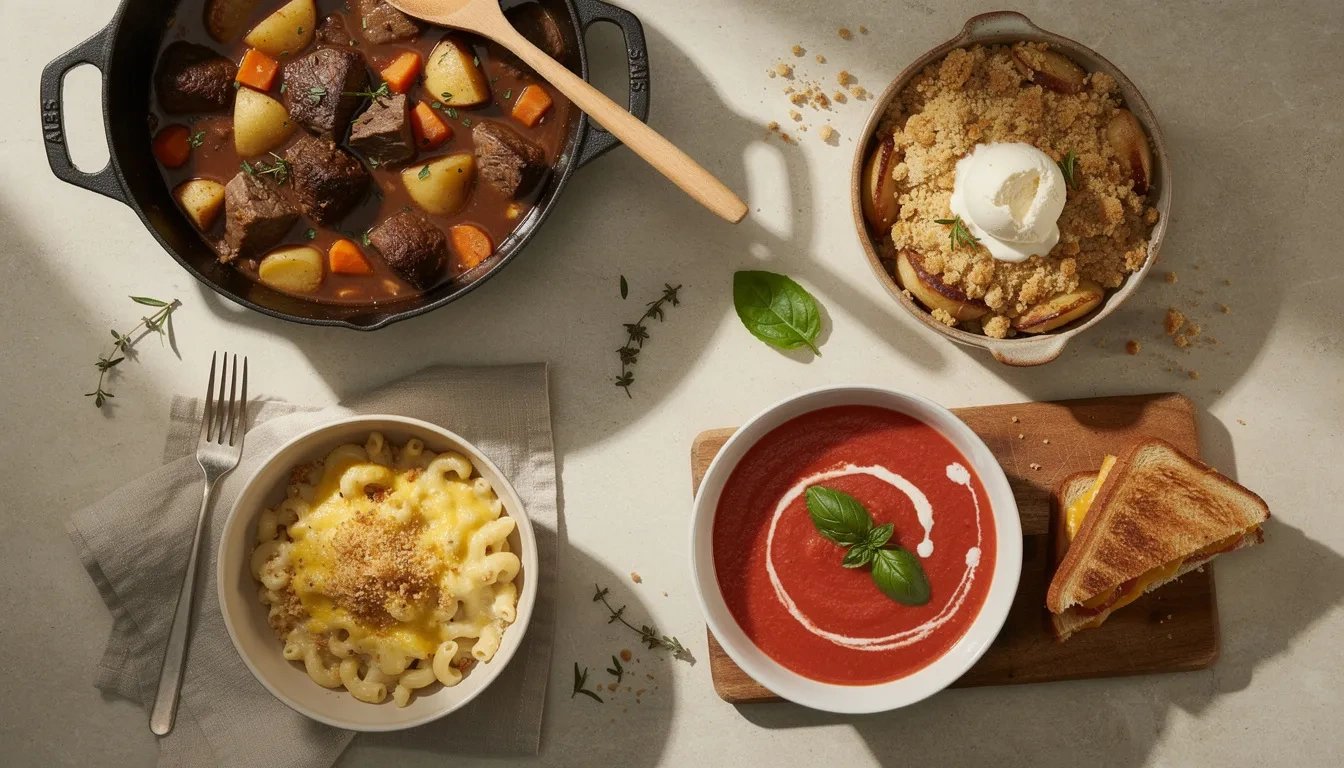
Middle Eastern dinners are often at their best when you think in components rather than a single centrepiece. A grilled or roasted main, a grain or bread, something creamy, something crisp, and a sharp salad or pickle can turn a simple table into a balanced spread.
This is a broad regional label, so flavours and formats vary. What tends to unite them is confident seasoning, herbs used generously, and the steady presence of acidity, from lemon, yoghurt, sumac or pomegranate, to keep richer dishes lively.
Middle Eastern-style dinners commonly include a mix of hot and room-temperature dishes. You might see skewers or tray-roasted meats and vegetables, rice or bulgur pilafs, and stews built on onions, tomatoes and warm spices. Alongside, there are often salads with herbs and citrus, and creamy elements such as yoghurt sauces, tahini dressings or puréed dips.
The practical advantage of this approach is that the table can be built from different cooking rhythms. Some parts are quick to assemble, such as chopped salads and sauces; others benefit from time, such as braises, roasted aubergines, or grains that need a gentle simmer. That mix makes it easier to plan without everything needing attention at once.
Baked lamb meatballs finished in a warm tahini sauce
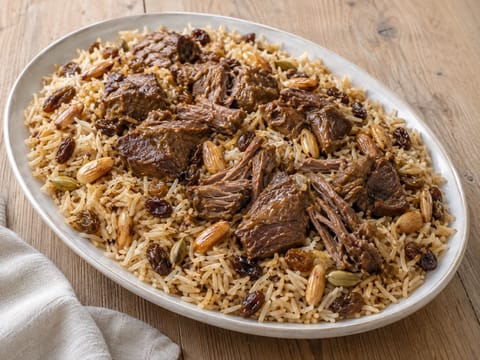
Slow-cooked lamb served over spiced rice with almonds and raisins
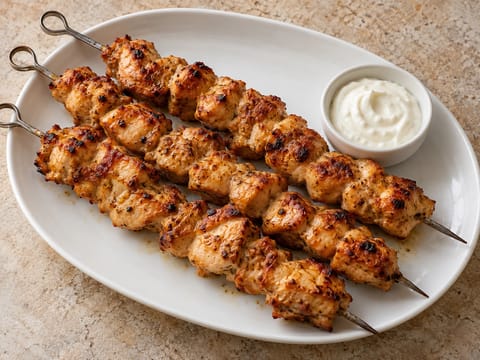
Grilled chicken skewers marinated in yoghurt, lemon and garlic
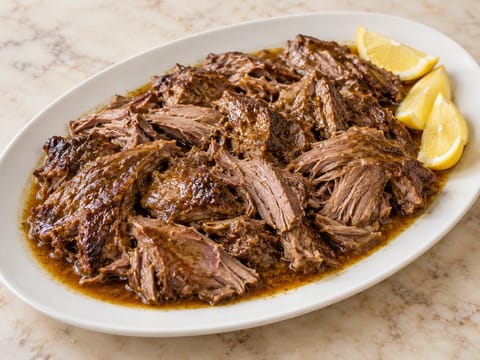
Slow-cooked lamb shoulder with ras el hanout and lemon
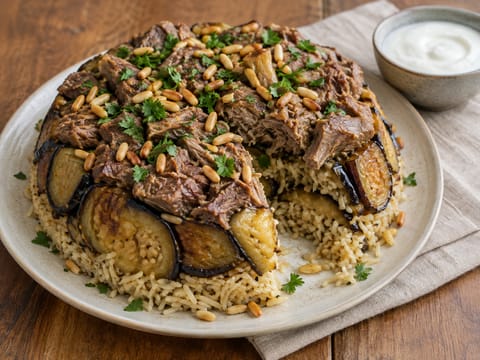
Upside-down rice with lamb, aubergine, yoghurt and toasted nuts
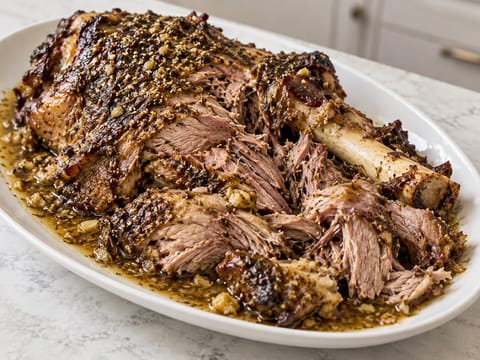
Slow-roasted lamb shoulder with za'atar, garlic and lemon
Start with one main flavour anchor: smoky and charred, tomato-rich and slow-cooked, or lemony and herb-led. Then add contrast. If the main is rich, bring in a crisp salad and a tangy sauce. If the main is lean and grilled, add something creamy, such as yoghurt with garlic or tahini with lemon, to round it out.
Think about texture as much as flavour. Soft stews and dips benefit from something with bite, such as toasted nuts, chopped cucumber, or a crunchy slaw. If you are serving bread, you may not need a second starch; if you are serving rice or bulgur, keep the sides lighter and sharper. A small bowl of pickles or a squeeze of lemon at the table can do a lot of last-minute balancing.
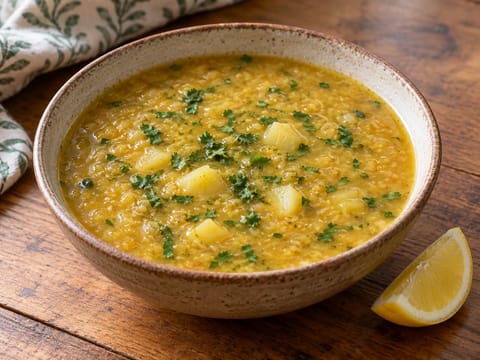
Lebanese red lentil and lemon soup with potato
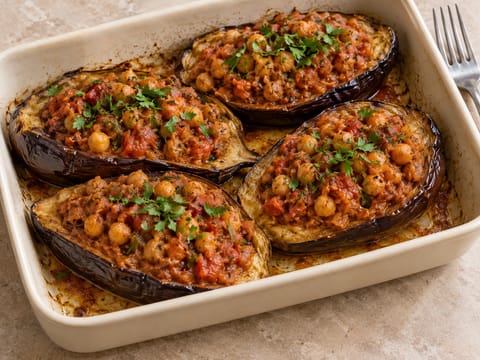
Roasted aubergines stuffed with spiced chickpeas in tomato sauce
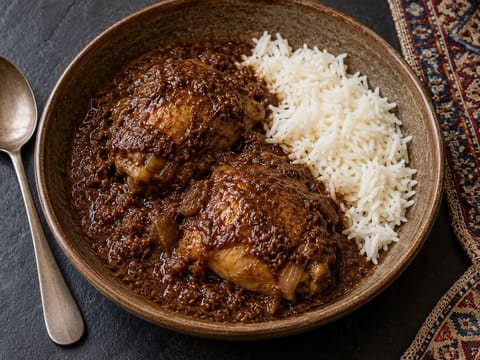
Persian chicken stew with walnut and pomegranate molasses sauce
Slow-cooked lamb shoulder with ras el hanout and lemon
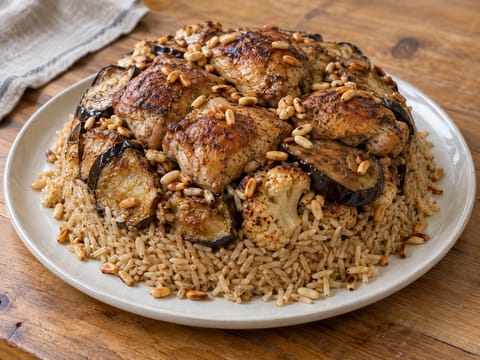
Upside-down rice with chicken, aubergine and cauliflower
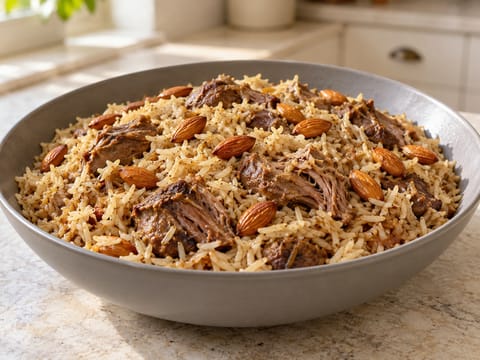
Slow-cooked lamb with spiced rice and toasted almonds
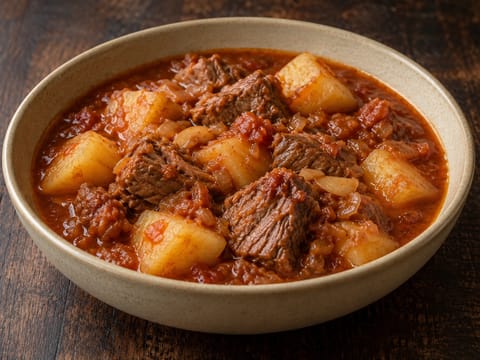
Lebanese lamb and potato stew in a tomato sauce
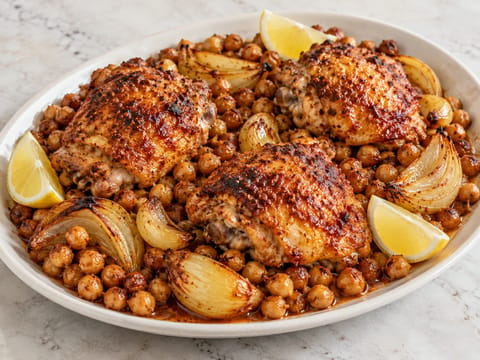
Harissa roasted chicken thighs with chickpeas
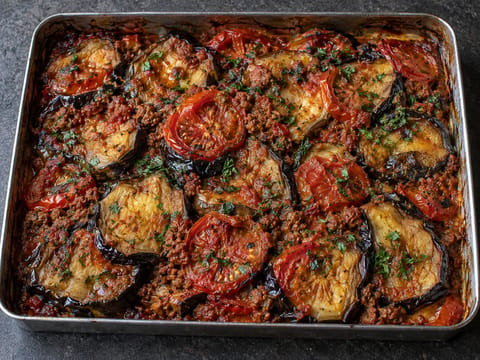
Iraqi aubergine bake with minced beef and tomatoes
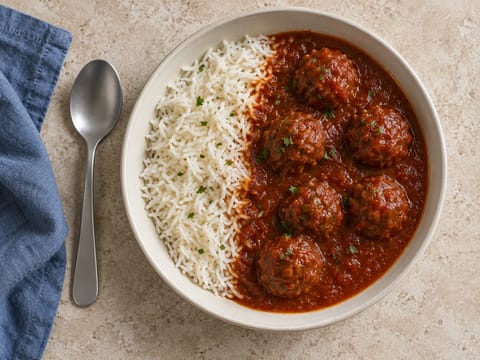
Beef meatballs simmered in tamarind tomato sauce
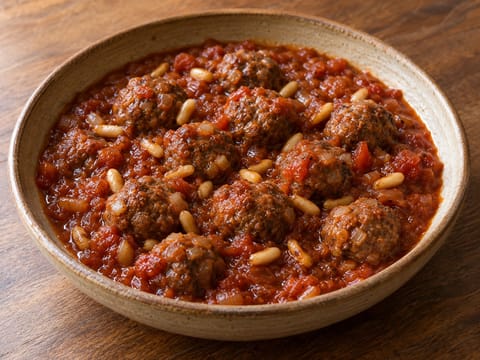
Lebanese beef meatballs simmered in tomato and tamarind sauce
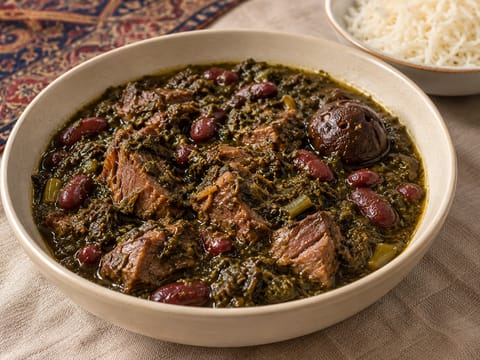
Persian herb and lamb stew with kidney beans and dried lime
Middle Eastern dinners often suit both quick assemblies and longer, slow-cooked dishes. Browsing by Cooking time helps you choose between a fast spread of salads and dips or a menu anchored by a stew or roast. If you are cooking to a particular eating pattern, the Diet collections can help you find meals that fit your own guidelines.
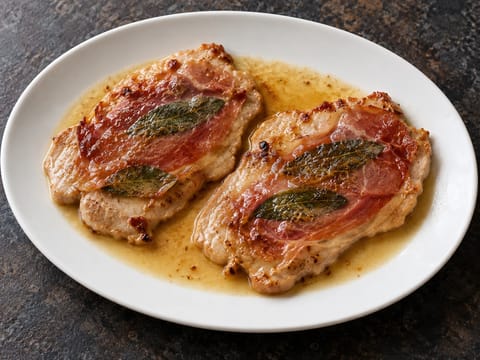
Pan-fried pork with prosciutto, sage and white wine butter sauce

Chicken enchiladas baked in tomatillo and green chilli sauce
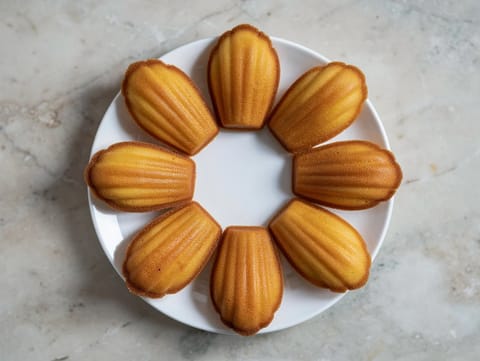
French shell-shaped sponge cakes with lemon and vanilla
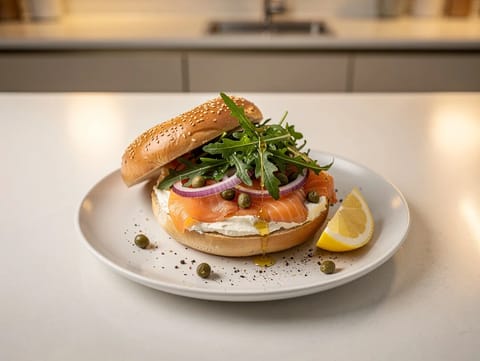
Toasted bagel with smoked salmon, cream cheese and capers
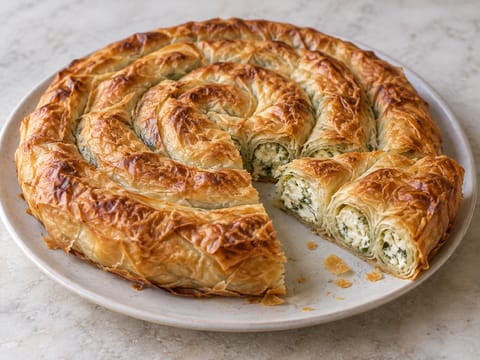
Greek spiral filo pie with feta and dill
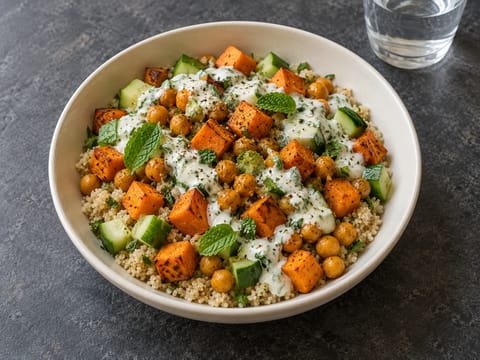
Quinoa bowl with spiced chickpeas, sweet potato, cucumber and yoghurt
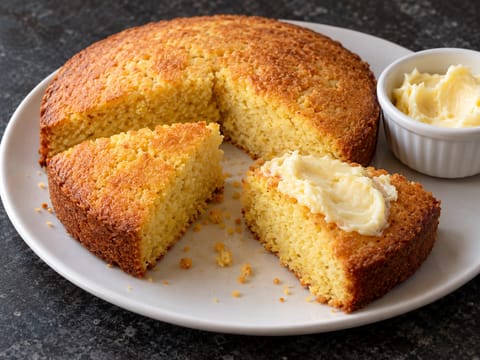
Golden cornbread served warm with whipped honey butter
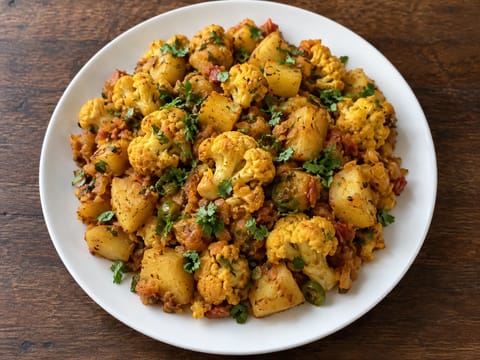
Dry potato and cauliflower curry finished with lemon and coriander
It is a broad regional label. Recipes may draw on Levantine, Gulf, Turkish, Persian, North African and other traditions, as well as Middle Eastern-inspired combinations.
No. They can be as simple as one main with a salad and a sauce. The “spread” approach is common because it builds contrast, but it is not required.
You often see warm spices, herbs, garlic, lemon, yoghurt, tahini, and ingredients that add tang such as sumac or pomegranate. Exact combinations vary by region and recipe.
Include something sharp and fresh, such as a lemony salad, pickles, or a yoghurt sauce. Acidity and herbs help balance richer dishes.
Choose one dish that needs the hob or oven, then build the rest from components that can be chopped, stirred or dressed while the main cooks.
Not necessarily. Many dishes are aromatic rather than hot, and chilli heat is often optional or served separately.
When you are choosing recipes, aim for a mix of creamy, crisp, and sharp alongside your main dish. Middle Eastern-style dinners feel most complete when herbs and acidity are treated as essential, not as garnish.
