
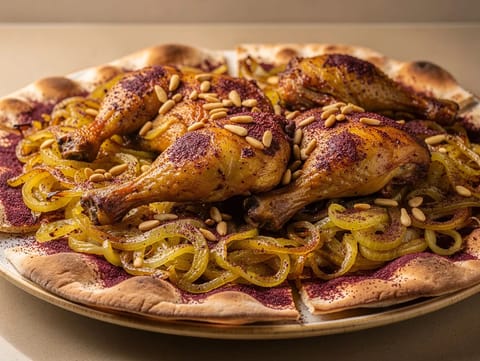
Palestinian Musakhan (Roasted Chicken with Sumac and Onions)
Roast chicken on flatbread with sumac onions and pine nuts

Middle Eastern dinners are often at their best when you think in components rather than a single centrepiece. A grilled or roasted main, a grain or bread, something creamy, something crisp, and a sharp salad or pickle can turn a simple table into a balanced spread.
This is a broad regional label, so flavours and formats vary. What tends to unite them is confident seasoning, herbs used generously, and the steady presence of acidity, from lemon, yoghurt, sumac or pomegranate, to keep richer dishes lively.
Middle Eastern-style dinners commonly include a mix of hot and room-temperature dishes. You might see skewers or tray-roasted meats and vegetables, rice or bulgur pilafs, and stews built on onions, tomatoes and warm spices. Alongside, there are often salads with herbs and citrus, and creamy elements such as yoghurt sauces, tahini dressings or puréed dips.
The practical advantage of this approach is that the table can be built from different cooking rhythms. Some parts are quick to assemble, such as chopped salads and sauces; others benefit from time, such as braises, roasted aubergines, or grains that need a gentle simmer. That mix makes it easier to plan without everything needing attention at once.
Roast chicken on flatbread with sumac onions and pine nuts
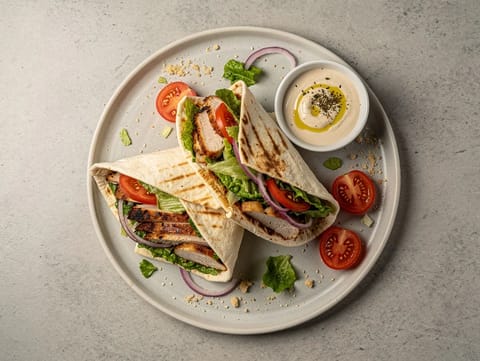
Chicken shawarma wrap with salad and tahini sauce
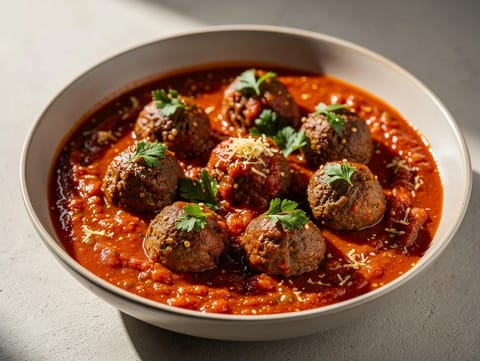
Lebanese meatballs simmered in garlic tomato sauce
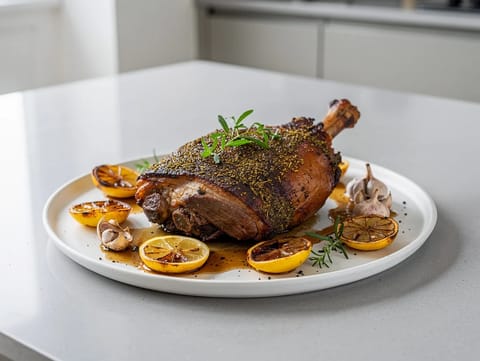
Slow-roasted lamb shoulder with za'atar, garlic and lemon
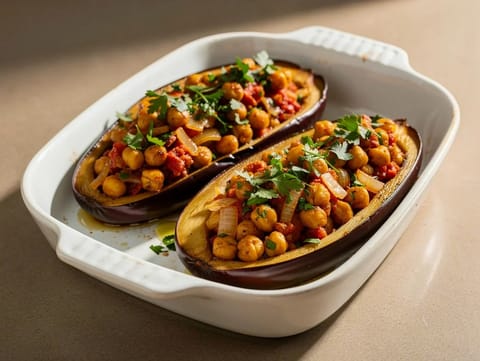
Roasted aubergines stuffed with spiced chickpeas in tomato sauce
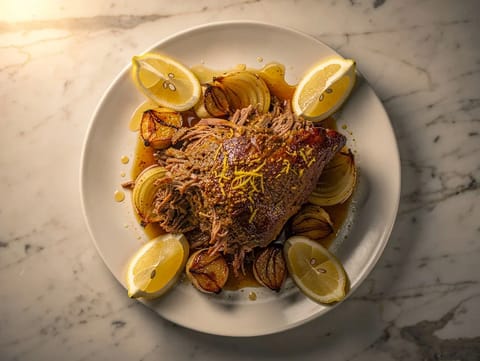
Slow-cooked lamb shoulder with ras el hanout and lemon
Start with one main flavour anchor: smoky and charred, tomato-rich and slow-cooked, or lemony and herb-led. Then add contrast. If the main is rich, bring in a crisp salad and a tangy sauce. If the main is lean and grilled, add something creamy, such as yoghurt with garlic or tahini with lemon, to round it out.
Think about texture as much as flavour. Soft stews and dips benefit from something with bite, such as toasted nuts, chopped cucumber, or a crunchy slaw. If you are serving bread, you may not need a second starch; if you are serving rice or bulgur, keep the sides lighter and sharper. A small bowl of pickles or a squeeze of lemon at the table can do a lot of last-minute balancing.
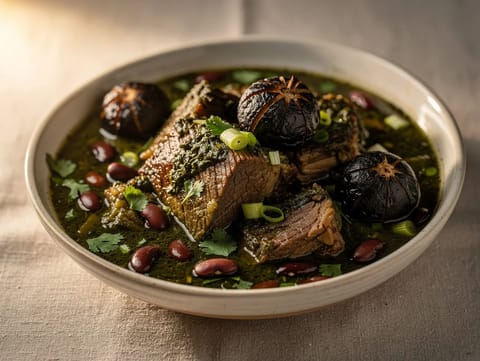
Persian herb and lamb stew with kidney beans and dried lime
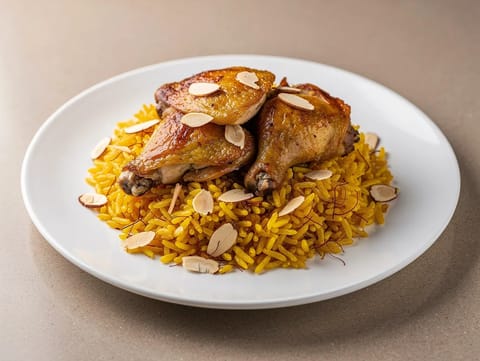
Braised chicken with saffron rice and toasted almonds
Chicken shawarma wrap with salad and tahini sauce
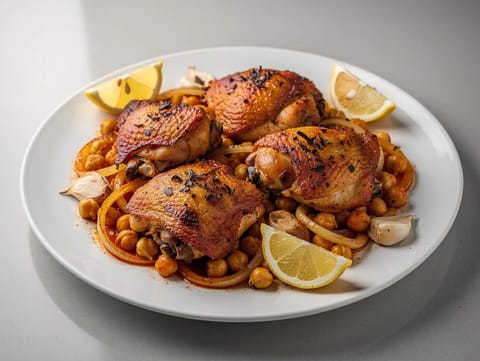
Harissa roasted chicken thighs with chickpeas
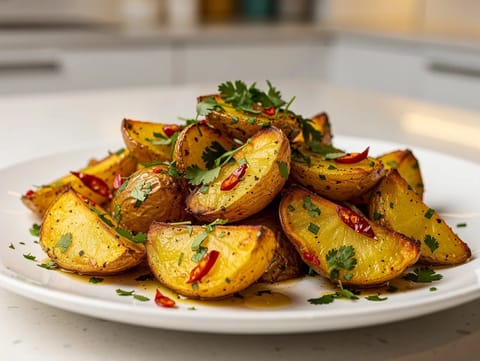
Crisp batata harra potatoes with garlic, chilli and lemon
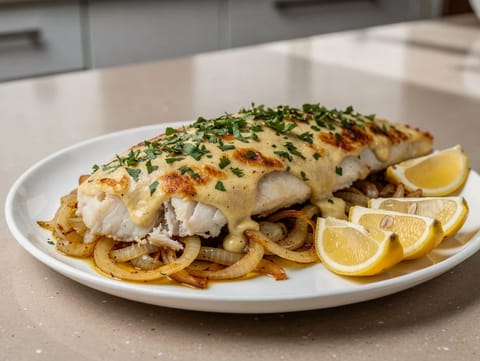
Baked white fish in a lemony tahini sauce
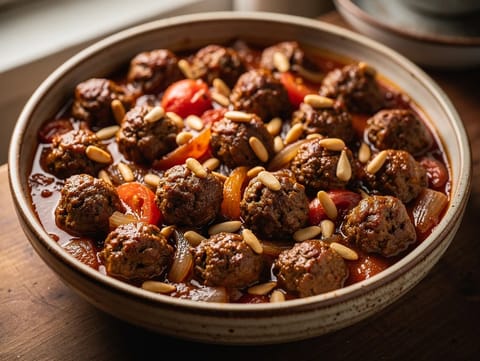
Lebanese beef meatballs simmered in tomato and tamarind sauce
Slow-roasted lamb shoulder with za'atar, garlic and lemon
Roast chicken on flatbread with sumac onions and pine nuts
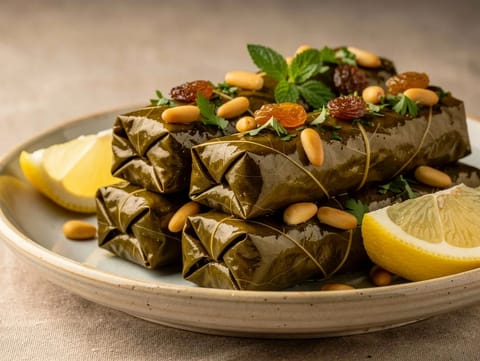
Stuffed grape leaves with herbed rice, pine nuts and currants
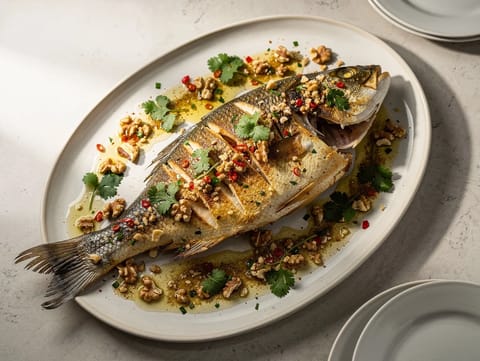
Whole roasted fish with garlic chilli coriander sauce
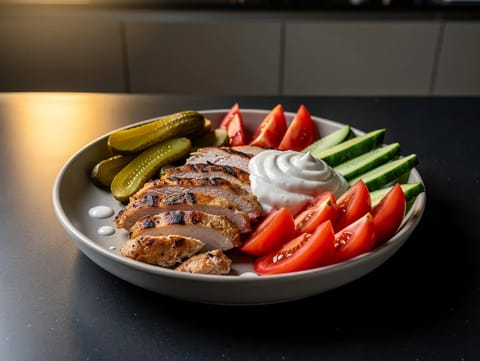
Roasted chicken shawarma with garlic sauce, pickles and salad
Middle Eastern dinners often suit both quick assemblies and longer, slow-cooked dishes. Browsing by Cooking time helps you choose between a fast spread of salads and dips or a menu anchored by a stew or roast. If you are cooking to a particular eating pattern, the Diet collections can help you find meals that fit your own guidelines.
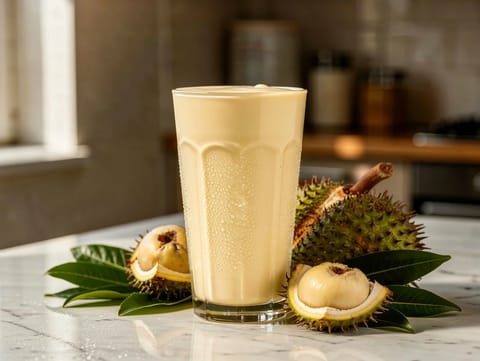
Jackfruit milkshake with condensed milk, vanilla and ice
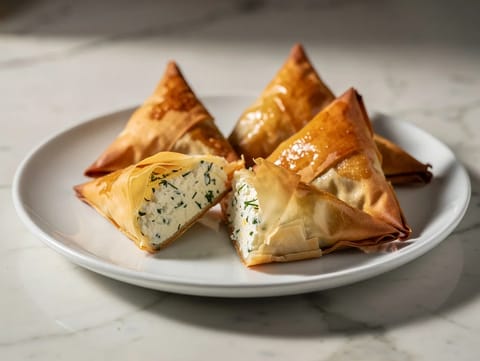
Greek filo triangles filled with feta, ricotta and dill
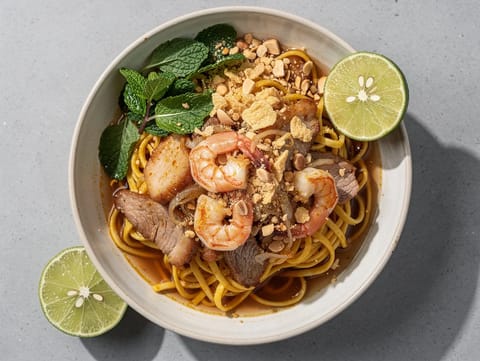
Turmeric rice noodles with pork, prawns, herbs, peanuts and lime
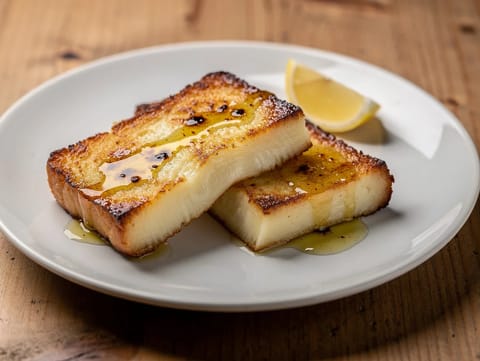
Greek fried cheese finished with a squeeze of lemon
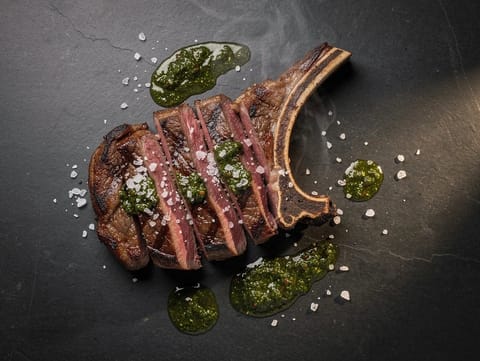
Grilled T-bone steak with parsley chimichurri
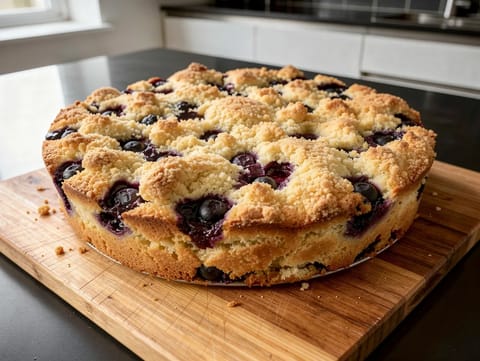
Blueberry sponge cake with a crumble topping
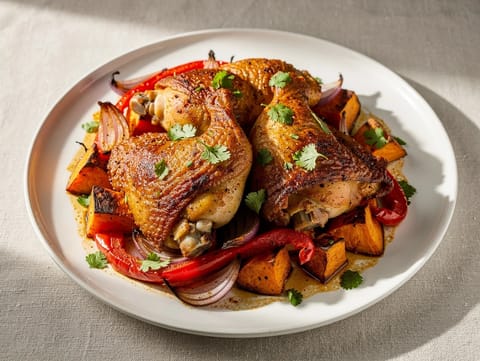
Jerk chicken traybake with sweet potato and peppers
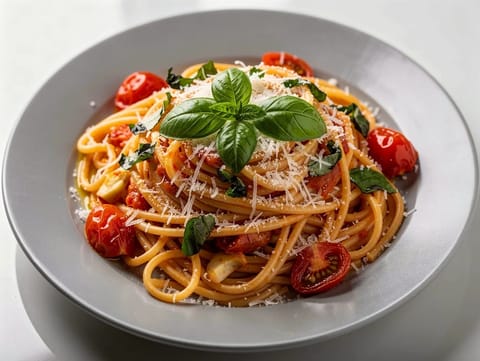
Quick tomato spaghetti finished with Parmesan and pecorino
It is a broad regional label. Recipes may draw on Levantine, Gulf, Turkish, Persian, North African and other traditions, as well as Middle Eastern-inspired combinations.
No. They can be as simple as one main with a salad and a sauce. The “spread” approach is common because it builds contrast, but it is not required.
You often see warm spices, herbs, garlic, lemon, yoghurt, tahini, and ingredients that add tang such as sumac or pomegranate. Exact combinations vary by region and recipe.
Include something sharp and fresh, such as a lemony salad, pickles, or a yoghurt sauce. Acidity and herbs help balance richer dishes.
Choose one dish that needs the hob or oven, then build the rest from components that can be chopped, stirred or dressed while the main cooks.
Not necessarily. Many dishes are aromatic rather than hot, and chilli heat is often optional or served separately.
When you are choosing recipes, aim for a mix of creamy, crisp, and sharp alongside your main dish. Middle Eastern-style dinners feel most complete when herbs and acidity are treated as essential, not as garnish.
