
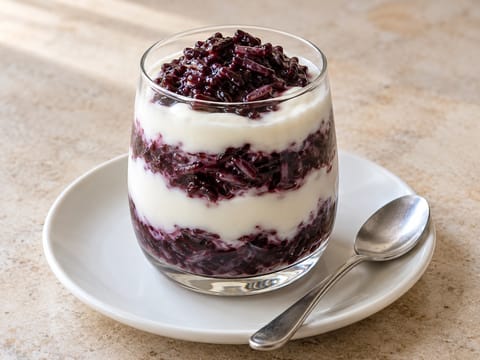
Sữa Chua Nếp Cẩm (Vietnamese Yoghurt with Black Sticky Rice)
Chilled yoghurt layered with sweet cooked black sticky rice
No-bake desserts are designed around chilling, setting and layering rather than oven heat. That makes them especially useful when you are planning a menu and want the sweet course handled in advance, with minimal last-minute fuss.
The key is understanding what gives structure. Some desserts set through cold butter or chocolate, others through whipped cream, yoghurt or cream cheese, and some rely on gelatine or starch-thickened custards. Each route affects texture, slicing and how the dessert behaves on the table.
No-bake desserts are sweets that come together without baking in the oven. Many are chilled cakes, fridge bars, layered puddings, mousses, and icebox-style desserts where biscuits or wafers soften as they sit. Some recipes may still use the hob or microwave to melt chocolate, toast nuts, or cook a quick custard, but the final setting happens in the fridge or freezer.
Because heat is not doing the firming, ingredient temperature and timing matter more than you might expect. A dessert that slices neatly straight from the fridge can soften quickly at room temperature, while a spooned pudding may need a longer chill to lose its looseness. Choosing the right style for how you plan to serve is half the success.
Chilled yoghurt layered with sweet cooked black sticky rice
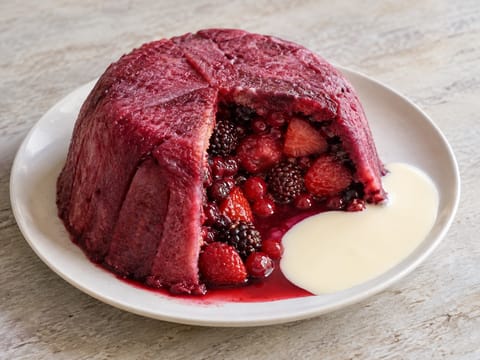
Chilled bread pudding filled with mixed berries
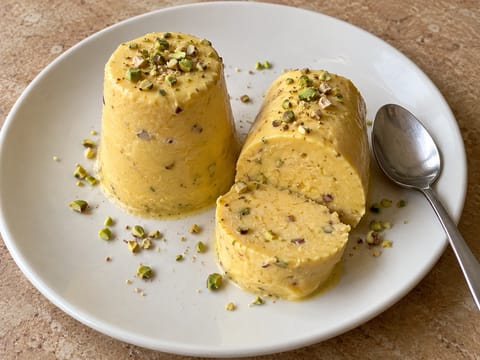
Dense mango kulfi with reduced milk and cardamom
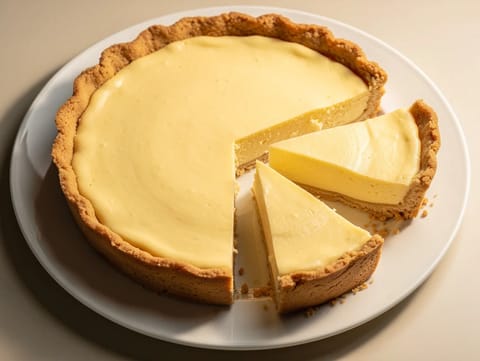
No-bake lemon pie with a crisp biscuit crumb base
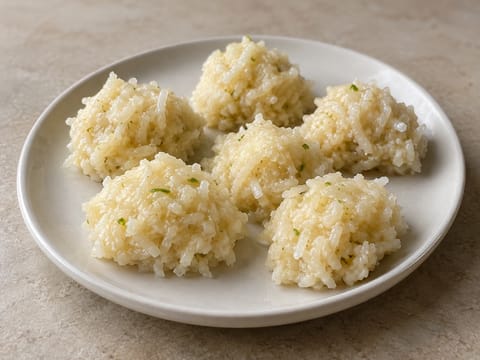
Brazilian coconut sweet cooked until thick and fudge-like
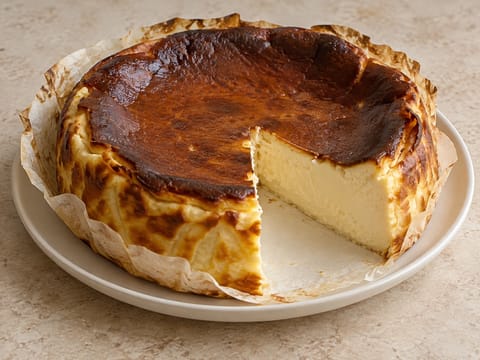
Crustless Basque cheesecake with a caramelised top
If you want clean slices, look for desserts with a firm setting mechanism, such as chocolate-based fillings, butter-set biscuit bases, or gelatine-set creams. These are well suited to buffet-style serving, where portions need to hold their shape.
For a softer, more relaxed finish, choose spoonable desserts: mousses, creamy pots, tiramisu-style layers, or fruit-and-cream assemblies. They are forgiving to portion and can be served in individual glasses, which also helps with presentation. If your menu is already rich, a dessert with fruit, citrus or yoghurt can bring a lighter finish. If the main meal is lean or spicy, a creamier, sweeter dessert can act as a calming counterpoint.
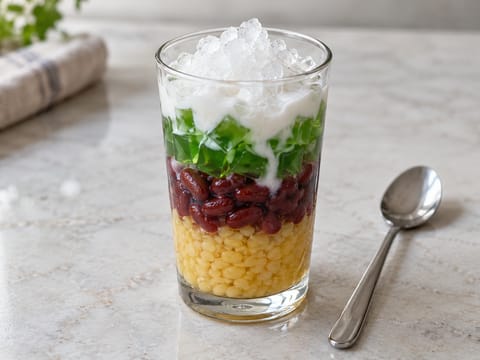
Layered dessert with beans, pandan jelly, coconut milk and ice
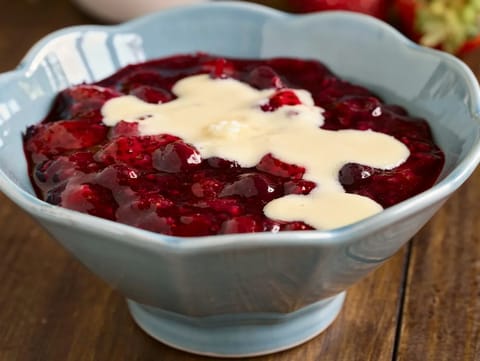
Chilled German red berry pudding thickened with cornflour
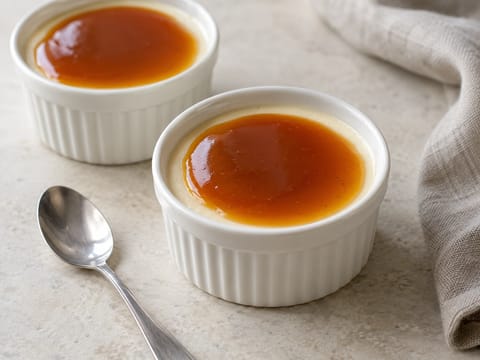
Vanilla panna cotta topped with glossy salted caramel
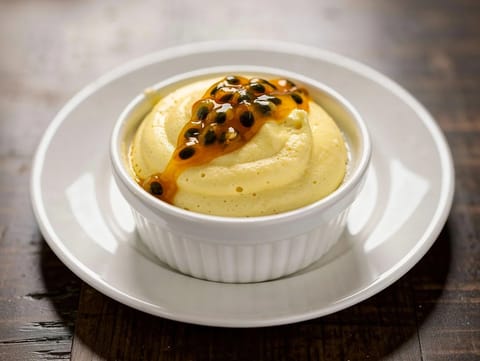
Chilled passion fruit mousse made with condensed milk and cream
Dense mango kulfi with reduced milk and cardamom
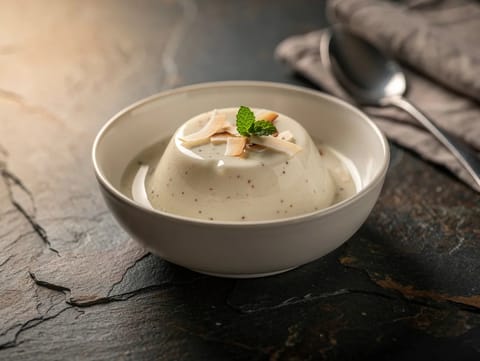
Vegan coconut panna cotta set with agar-agar and vanilla
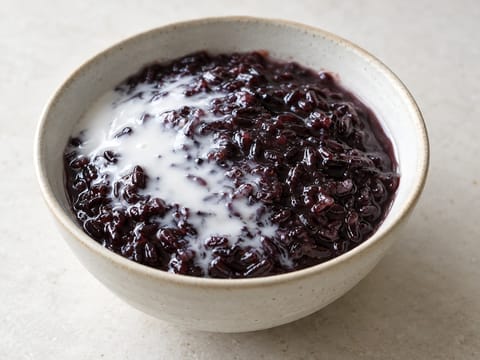
Thai black sticky rice cooked with coconut milk and palm sugar
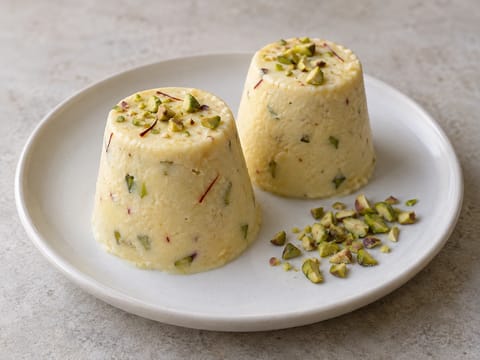
Dense kulfi made from reduced milk with saffron and pistachios
Crustless Basque cheesecake with a caramelised top
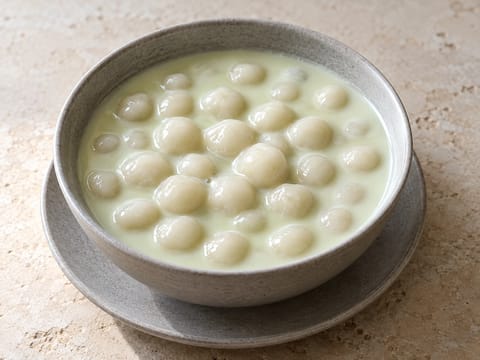
Thai rice dumplings served in warm pandan coconut milk
Brazilian coconut sweet cooked until thick and fudge-like
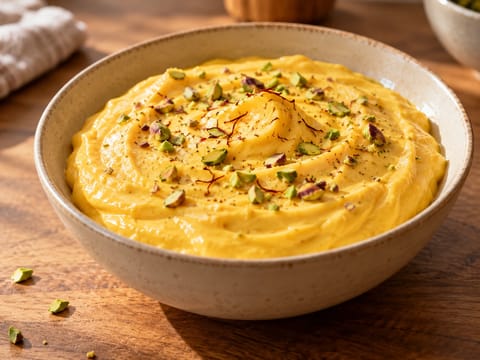
Chilled mango shrikhand made with thick yoghurt and cardamom
No-bake desserts are at their easiest when you plan around fridge space and serving temperature. If you are already chilling starters or drinks, individual portions can be simpler than a large cake that needs a flat shelf. Conversely, a single tray of bars can be efficient when you want quick plating.
Think about what else is happening at the end of the meal. If coffee is being made and the kitchen is busy, a dessert that can be brought straight to the table, already portioned, keeps things calm. If you want a more formal finish, choose a dessert that benefits from a brief rest out of the fridge so flavours open up and the texture softens slightly, but not so much that it loses structure.
Cooking time is a useful companion for no-bake desserts because “no oven” does not always mean “fast”; chilling and setting can take time even when hands-on work is brief. Occasion collections can also help when you want a dessert that matches the tone of a gathering, from casual sharing to more celebratory menus.
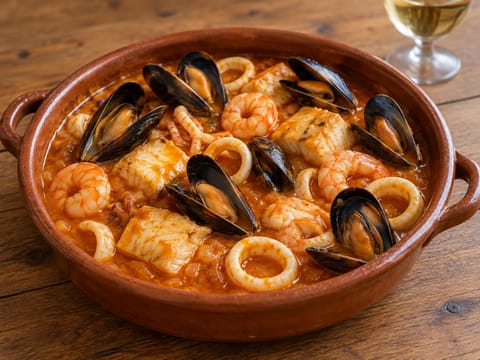
Catalan seafood stew with shellfish, cod, tomato and saffron
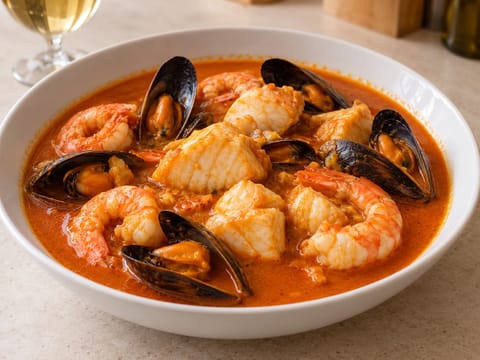
Catalan fish stew with monkfish, mussels and prawns
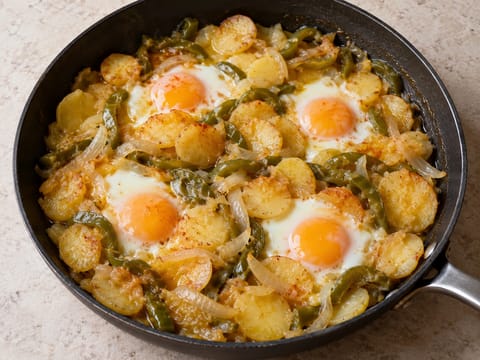
Spanish potatoes cooked in olive oil with vegetables and egg
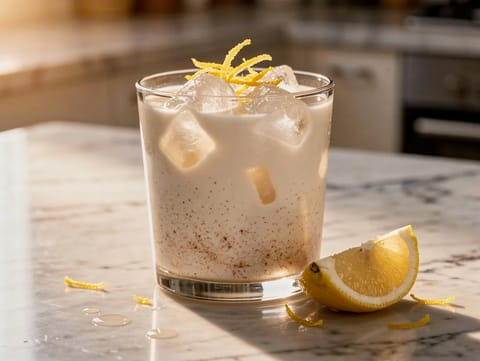
Chilled tiger nut drink with cinnamon and lemon
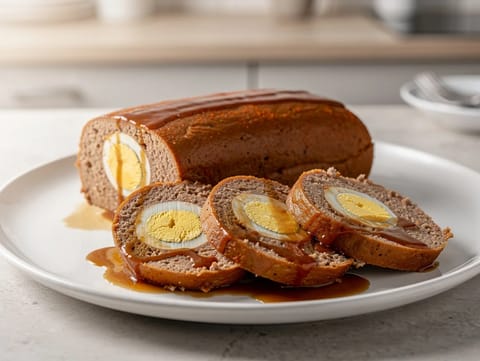
German stuffed meatloaf baked with hard-boiled eggs inside
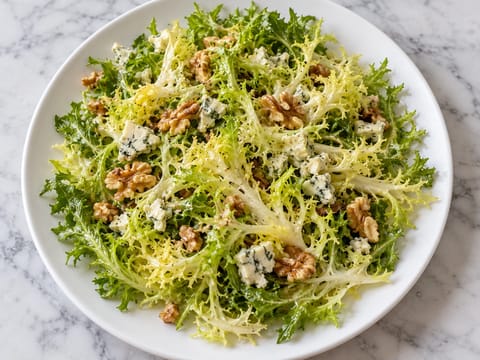
Crisp endive salad with walnuts, Roquefort and vinaigrette

Chicken soup with egg noodles, carrot, celery and parsley
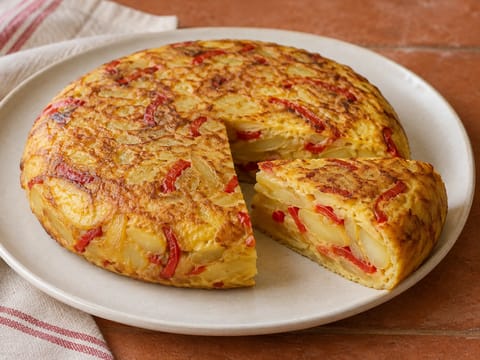
Spanish potato omelette with onions and soft peppers
Not always. Many no-bake desserts avoid the oven but may still involve melting chocolate, warming ingredients, or cooking a quick custard on the hob before chilling.
Setting depends on temperature and time. If ingredients are too warm when assembled, or the dessert has not chilled long enough, it may stay soft. Ratios also matter, especially with whipped cream, chocolate and gelatine.
A no-bake cake is usually sliceable and structured with a base and filling, while puddings and pots are typically spooned and set more softly.
Often, yes. Many improve after a rest as flavours meld and layers settle. The main limitation is how well the dessert holds its texture once portioned and served.
Look for desserts that stay stable when slightly softened, or plan to keep them chilled until serving. Very butter- or cream-heavy desserts can soften quickly at room temperature.
Usually, though some are best served cool rather than fridge-cold so the texture is not too firm and flavours are more noticeable.
Pick a no-bake dessert based on how you want to serve it: sliced, spooned, or individually portioned. Then give it the chill time it needs, so the texture is settled before it reaches the table.
