

Rote Grütze (German Red Berry Pudding)
Chilled German red berry pudding thickened with cornflour

An occasion is less about what you cook and more about how the food needs to behave: can it sit out, travel well, scale up, or feel special on the plate? Browsing by occasion helps you choose recipes that match the moment, whether that is a quick weeknight, a relaxed picnic, or a holiday table with traditions and timing to consider. Start with the occasion, then build a menu around it by balancing make-ahead dishes, last-minute cooking, and the way you plan to serve everyone.
Occasion groups recipes by the situation they suit, not by cuisine, season, or level of effort. A BBQ points you towards food that copes with outdoor heat and live fire, while a potluck leans towards dishes that hold their texture and taste after a journey. Some occasions are calendar-based, such as Christmas, Eid, Ramadan, Chinese New Year and Thanksgiving, where timing and tradition often shape the meal. Others describe the mood or format, like movie night, game day, date night, or family dinner. ‘Everyday’ sits alongside these as a useful baseline: recipes that fit ordinary routines without needing a special set-up.
Chilled German red berry pudding thickened with cornflour
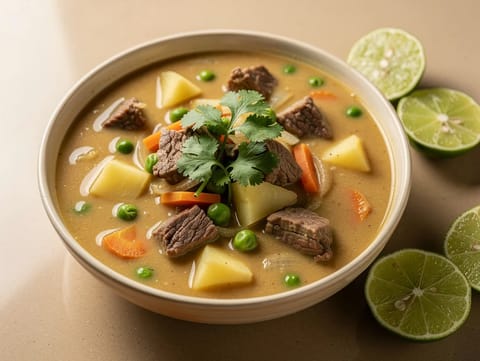
Bolivian peanut soup with beef and potatoes
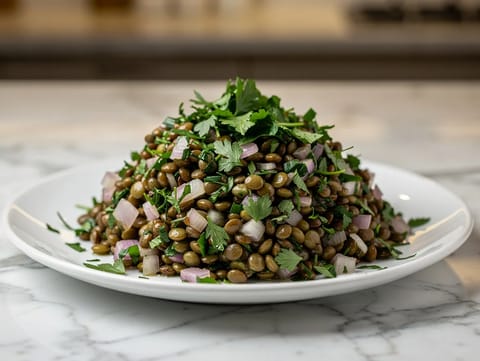
Warm French lentil salad with mustard dressing, shallot and parsley
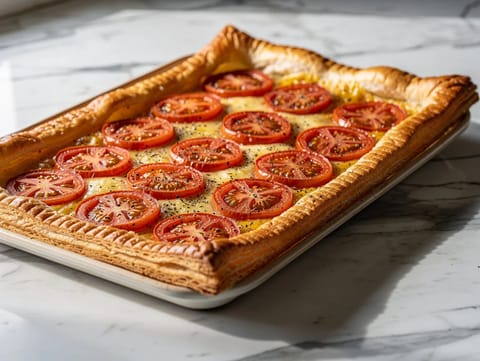
Puff pastry tart with Dijon mustard, tomatoes and Gruyère

Caramel chocoflan with vanilla flan and chocolate sponge

Dense Breton butter cake with vanilla and egg yolks
If you are feeding people at different times, start with occasions that favour room-temperature serving and easy portioning, such as picnic or potluck. When the cooking is happening while guests are present, look for occasions that naturally support a mix of hands-off and hands-on dishes, such as BBQ or weekend, so you can stagger what needs attention. For a smaller, more focused meal, date night is a helpful cue to choose recipes that plate neatly and come together in a calm sequence. For households, family dinner and kids friendly tend to point you towards familiar flavours and straightforward serving. For holidays and religious observances, choose the specific occasion so you can build a menu that respects the shape of the day, from lighter dishes to more celebratory centrepieces.
Caramel chocoflan with vanilla flan and chocolate sponge
Chilled German red berry pudding thickened with cornflour
Puff pastry tart with Dijon mustard, tomatoes and Gruyère
Dense Breton butter cake with vanilla and egg yolks
Warm French lentil salad with mustard dressing, shallot and parsley
Bolivian peanut soup with beef and potatoes
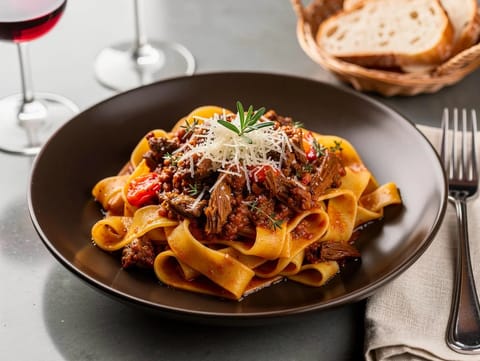
Pappardelle with slow-simmered wild boar ragù and pecorino
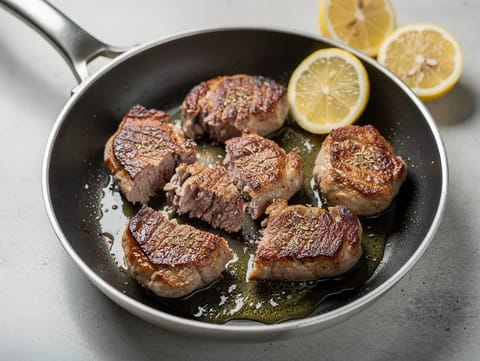
Pan-fried pork with lemon and mustard sauce
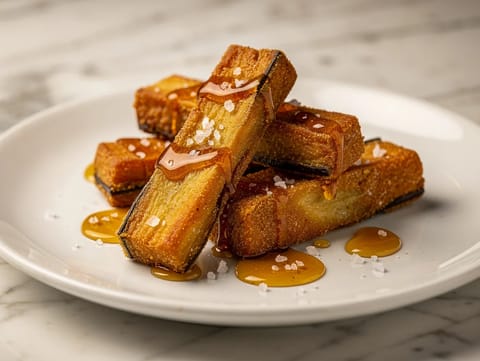
Crisp fried aubergine batons finished with honey and salt

Italian lemon gelato made with fresh zest and juice
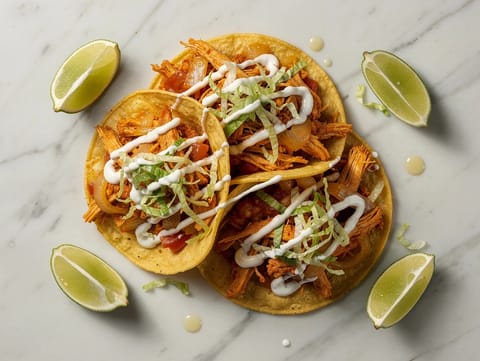
Crisp tostadas topped with chicken tinga, crema and lettuce

Custard-soaked brioche French toast with crème fraîche and maple syrup
Occasion is a practical menu-planning tool because it hints at the serving pattern. For a spread-style occasion (game day, movie night, potluck), aim for contrast: something crisp or fresh, something rich, and at least one dish that can sit without losing its appeal. For sit-down occasions (family dinner, date night, many holiday meals), think in courses: a starter that can be made ahead, a main that uses the oven or hob at a predictable moment, and a side that fills gaps in colour and texture. Outdoor occasions benefit from a clear division between grill or fire items and supporting dishes that can be finished indoors. When in doubt, choose one “anchor” dish that defines the occasion, then add supporting recipes that travel, hold, or reheat in a way that suits your plan.
If you have the occasion in mind but not the style of food, browsing by Season helps you choose dishes that feel right for the weather and what is typically at its best. For menu structure, Course is the quickest way to round out the table, especially when you already have a main idea and need sides, starters or something sweet to finish.
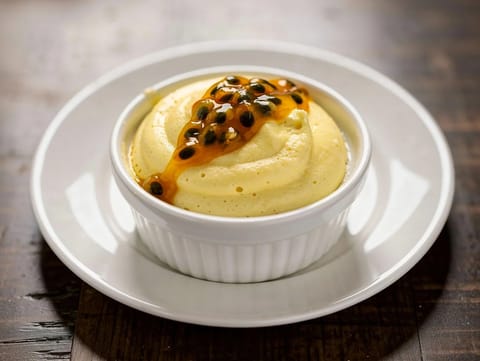
Chilled passion fruit mousse made with condensed milk and cream
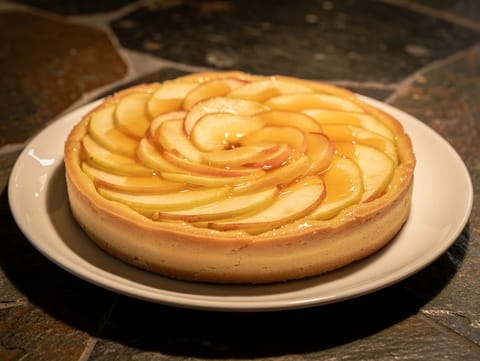
Spanish apple tart with custard and apricot glaze
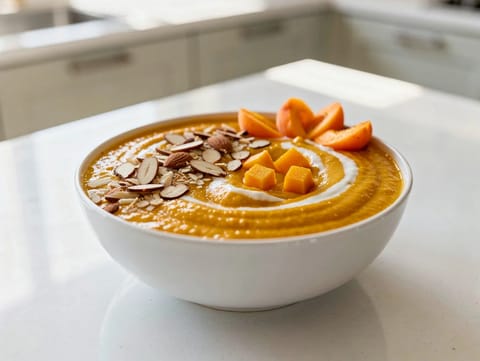
A thick apricot almond smoothie bowl with Greek yoghurt.
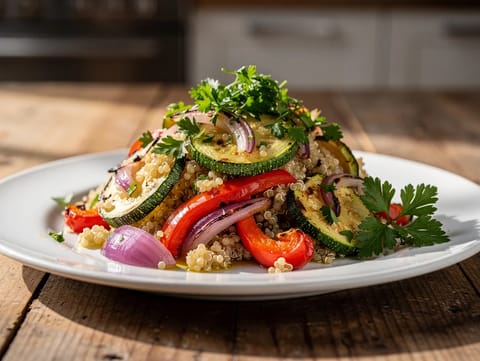
Quinoa salad with roasted courgette, pepper and onion
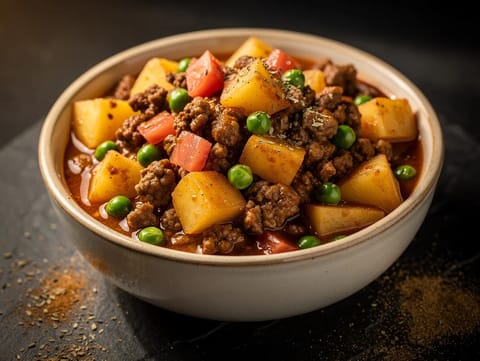
Mexican minced beef with potatoes, peas and tomato
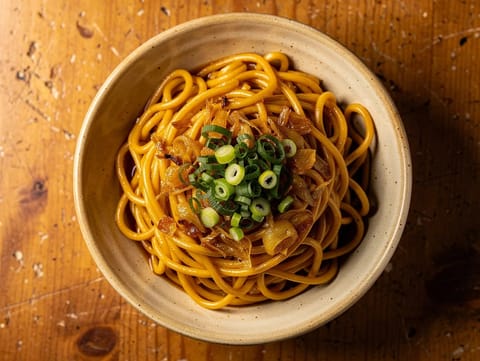
Wheat noodles tossed in fragrant spring onion oil and soy sauce
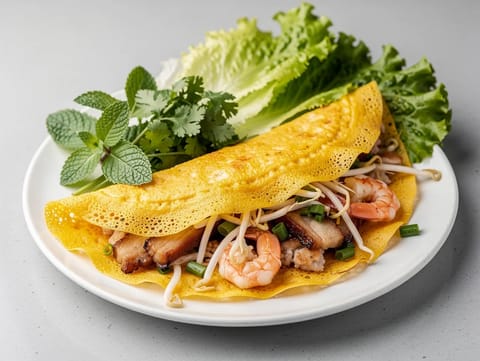
Crispy Vietnamese rice-flour pancakes filled with pork and prawns
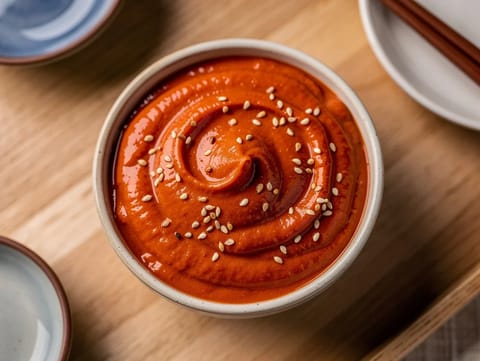
Creamy gochujang mayo dip with sesame oil and garlic
They overlap, but they signal different constraints. Weeknight usually implies tighter timing and simpler sequencing. Weekend suggests you may have more flexibility for longer cooking or a more involved spread. Everyday is a broader cue for recipes that fit regular routines without needing a special occasion set-up.
Family dinner is about serving a household meal that works for different appetites at the same table. Kids friendly is a narrower cue that the flavours, textures or format may suit children more readily. Many family dinners can be kids friendly, but not all need to be.
Not necessarily. Holiday labels are most useful for the shape of the meal and the practicalities around it, such as timing, serving order, and how many dishes need oven space. Within that, recipes can be traditional, modern, or simply appropriate to the gathering.
It points you towards dishes that travel well and still taste good after sitting for a while. Think about sturdiness, easy portioning, and whether the dish needs last-minute finishing that might be awkward away from your own kitchen.
Treat it as a cue for flavours and serving style as much as equipment. Many BBQ-friendly sides and sauces work without live fire, and some “grilled” effects can be approximated with a hot pan or oven, depending on the recipe.
Choose foods that can be eaten casually and in small portions, then balance textures so the spread doesn’t feel all one note. It also helps to include at least one item that can be made ahead, so you are not cooking everything at the moment people want to eat.
Start by picking the occasion that matches how you’ll eat and serve, then use it to guide your menu: what can be made ahead, what needs attention at the last minute, and what will still be good after sitting. Once that framework is clear, it becomes much easier to decide on courses and seasonal touches.
