
Torrijas (Spanish Bread Pudding Slices)
Bread slices soaked in cinnamon milk, fried until golden and coated with sugar

Easter food often sits at the hinge of the seasons: hearty enough for a gathering, but with an appetite for spring flavours and lighter sides. Whether you are planning a roast-style meal, a brunch table, or a relaxed lunch, the most helpful Easter recipes are the ones that fit together as a menu. Choose a centrepiece you can time confidently, then build in contrast with green vegetables, herbs, citrus and something crisp. Because Easter gatherings can stretch over a long afternoon, dishes that hold well and can be served warm rather than piping hot are especially useful.
Start with the centrepiece, then decide what the plate needs. A rich main often benefits from a bright side, such as peas, asparagus, spring greens, or a salad with a sharp dressing. Add one starchy element, such as potatoes, bread, or a grain dish, so the meal has structure. If you are serving a baked main, consider sides that use the hob or can be served at room temperature to avoid oven congestion.
For dessert, Easter tables often suit bakes and set puddings that can be made ahead and finished with fruit, cream, or a sauce. If children are part of the gathering, small, portionable sweets are easier to serve than a dessert that needs careful slicing and plating.
Bread slices soaked in cinnamon milk, fried until golden and coated with sugar
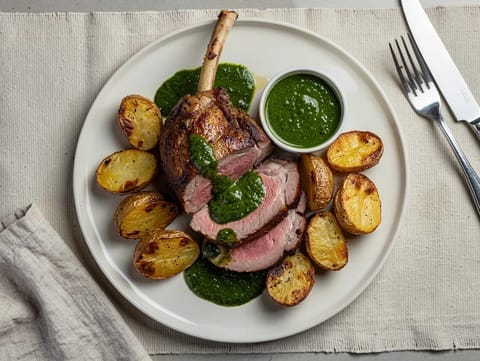
Roast leg of lamb with mint sauce and roasted potatoes
Crisp zeppole filled with vanilla pastry cream, dusted with icing sugar
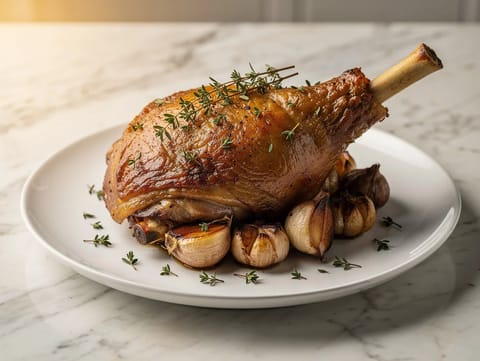
Roast leg of lamb with garlic, thyme and white wine gravy
Lamb stew braised with tomato and white wine, finished with spring vegetables
For a traditional sit-down meal, look for a main that rests well and sides you can reheat or keep warm, such as gratins, braised vegetables, or sturdy salads. For a more casual lunch, platters and bakes work well: quiches, pies, roasted vegetables, and dips with bread.
If Easter is brunch in your house, choose recipes that can be assembled the night before, such as overnight bakes, batters, or fillings, then cooked while the table is set. If you are feeding a larger group, favour dishes that scale without becoming fiddly, such as traybakes, big salads, and desserts that slice into squares.
For a spring-leaning feel, prioritise herbs, lemon, and green vegetables to keep the menu from tipping too heavy.
Roast leg of lamb with mint sauce and roasted potatoes
Roast leg of lamb with garlic, thyme and white wine gravy
Crisp zeppole filled with vanilla pastry cream, dusted with icing sugar
Lamb stew braised with tomato and white wine, finished with spring vegetables
Bread slices soaked in cinnamon milk, fried until golden and coated with sugar
Easter cooking gets easier when you separate prep from cooking. Wash and dry greens, peel and cut vegetables, and measure dressings and sauces ahead so you are not juggling knives and pans at the last minute. If you are roasting, remember that resting time is part of the plan; it is often the window when you can finish sides and warm serving dishes.
Cold elements are your friend. A salad, a relish, or a yoghurt-based sauce can be made earlier and brought out when needed, adding freshness without extra heat. If you are using eggs in desserts or sauces, follow the recipe’s guidance carefully and keep chilled items refrigerated until serving.
Easter menus come together quickly when you browse by Course, so you can balance a centrepiece with spring sides and a dessert. Season is also a natural companion here, especially for choosing vegetables and lighter flavours that suit early spring in the Northern Hemisphere.

Valencian citrus cocktail with sparkling wine served over ice
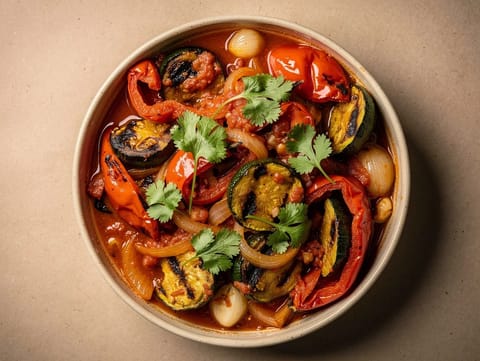
Algarve-style vegetable stew with grilled peppers and courgettes

Vanilla ice cream topped with chilled root beer
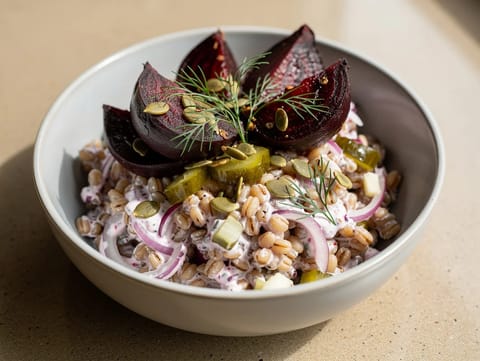
Roasted beetroot and barley bowl with horseradish dressing
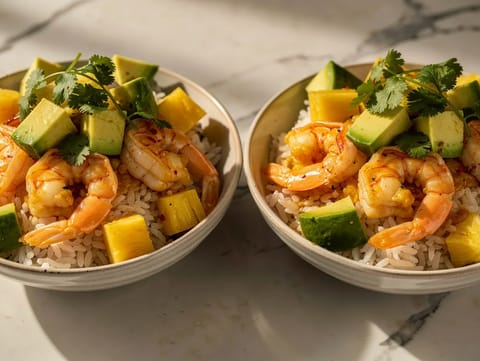
King prawns over coconut rice with pineapple and avocado
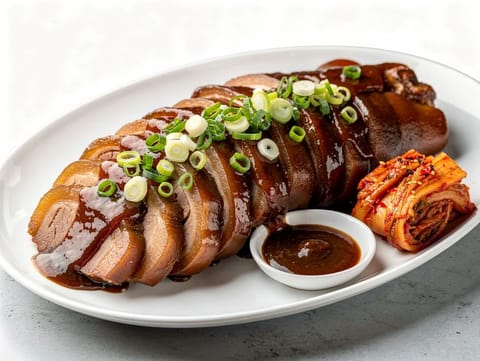
Braised pig trotters in soy sauce broth with rice and kimchi

Tender griddled pastries made with cream and lightly sweetened dough
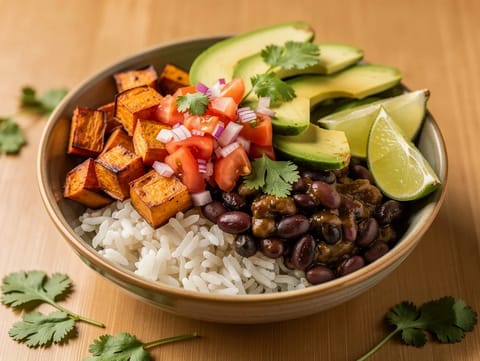
Sweet potato, black beans and rice with avocado and lime
No. Easter can be a roast-style meal, but it also suits brunch bakes, pies, sharing platters and lighter spring lunches. The key is choosing dishes that work together as a menu.
Herbs, citrus, green vegetables and fresh dressings bring lift. They balance richer mains, buttery pastry and creamy sides without needing complicated techniques.
Choose a centrepiece you can time confidently, then add sides that don’t all need the oven at once. Prep vegetables, sauces and desserts ahead where possible.
Something green and something sharp: spring greens, peas, asparagus, salads with vinegar or lemon, and pickled elements. These keep the plate feeling balanced.
Desserts you can make ahead and portion easily, such as traybakes, tarts, and set puddings. They let you finish the meal without last-minute baking.
Yes. Include dishes that hold well and can be served warm rather than piping hot, plus a few cold sides and sauces that can be brought out as needed.
Easter cooking is at its best when the menu has a clear centrepiece and plenty of spring lift around it. Prep what you can ahead, avoid an oven traffic jam, and let fresh sides and sauces do the balancing.
