

Cajun Chicken Étouffée
Cajun chicken étouffée with dark roux served over rice
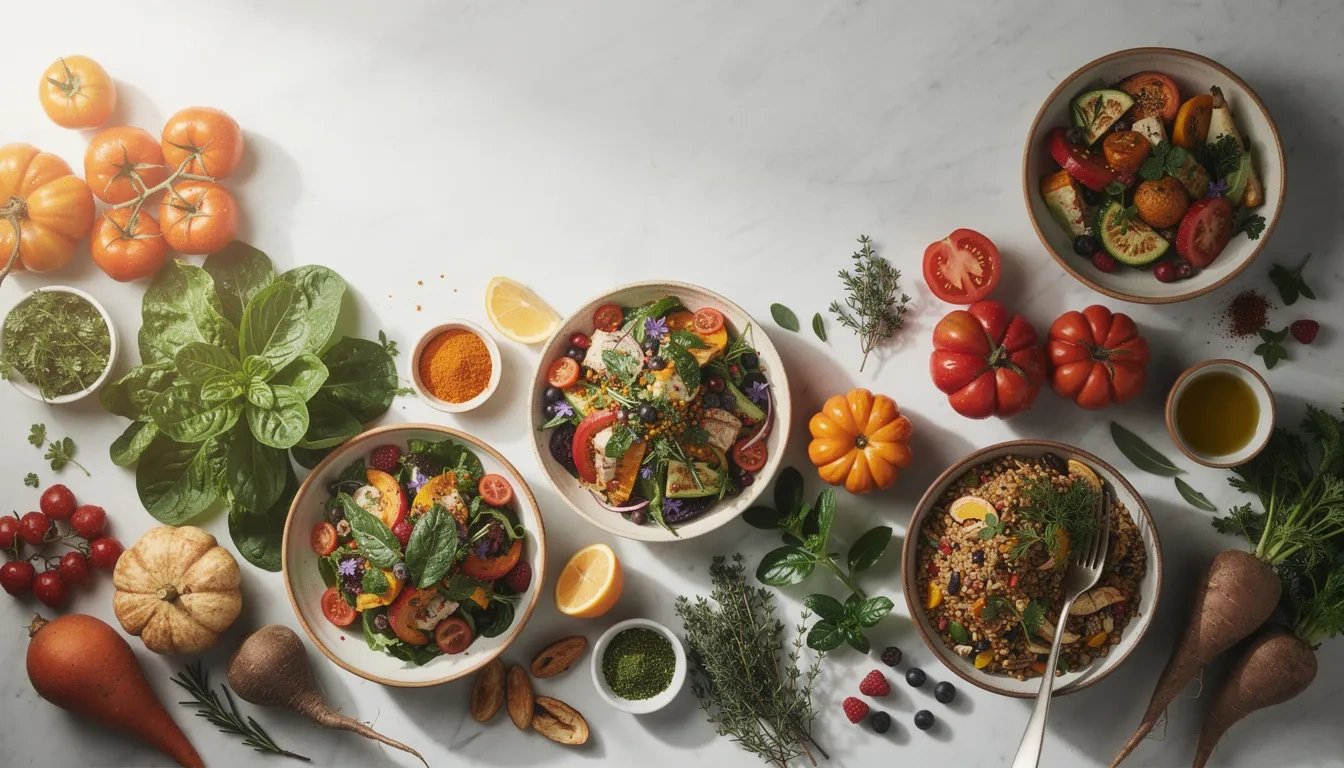
Cooking by season is less about strict rules and more about matching ingredients and cooking style to what the kitchen feels like right now. This seasonal view groups recipes by broad seasons (Spring, Summer, Autumn, Winter), by individual months, and by Year-round options that make sense whatever the weather. Use it when you want produce that tastes at its best, or when you want your cooking method to fit the day, from light, quick meals to slow, warming dishes as the year turns.
A season tag usually reflects one of three things: ingredients that are typically at their best, flavours that suit the time of year, or a serving style that fits the weather. It does not automatically mean every ingredient is locally in season where you live, or that a dish can only be cooked at that time. Broad seasons are useful when you want a general direction, such as lighter Spring cooking or deeper Winter comfort. Month-by-month terms narrow that focus, which can help when you are cooking through a changeable shoulder season and want recipes that feel right for that particular point in the year.
Cajun chicken étouffée with dark roux served over rice
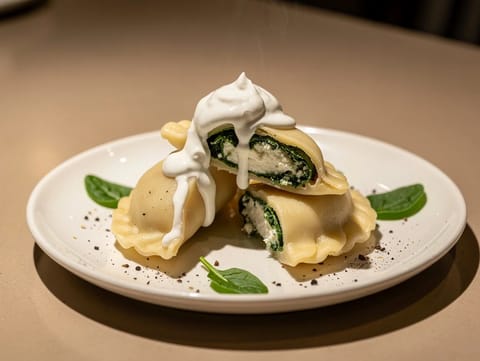
Pierogi filled with spinach and ricotta
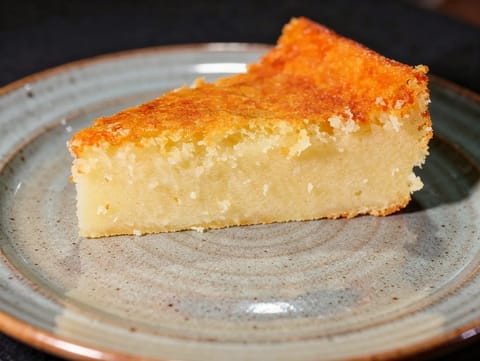
Dense Portuguese almond cake finished with icing sugar

Chilled German red berry pudding thickened with cornflour

Caramel chocoflan with vanilla flan and chocolate sponge
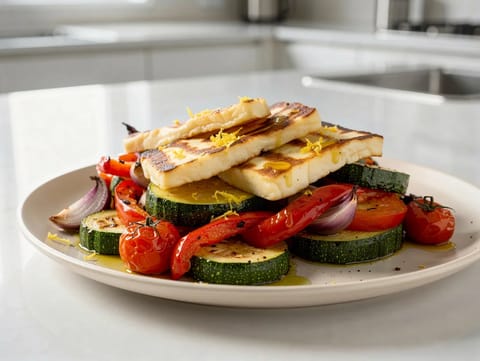
Halloumi traybake with roasted courgette, pepper and tomatoes
Start with the level of specificity you need. If you are planning a week of meals, a broad season is often enough: it nudges you towards the right balance of fresh and hearty, and towards cooking methods that feel comfortable. If you are shopping with a particular ingredient in mind, a month can be more helpful, because it tends to align with short windows of peak produce and the first or last appearances of familiar vegetables. Year-round is the practical choice when you want dependable staples, pantry-friendly cooking, or dishes that work across climates and schedules. It is also a good reset when the weather is unpredictable and you would rather choose by appetite than by calendar.
Pierogi filled with spinach and ricotta
Cajun chicken étouffée with dark roux served over rice
Caramel chocoflan with vanilla flan and chocolate sponge
Dense Portuguese almond cake finished with icing sugar
Halloumi traybake with roasted courgette, pepper and tomatoes
Chilled German red berry pudding thickened with cornflour
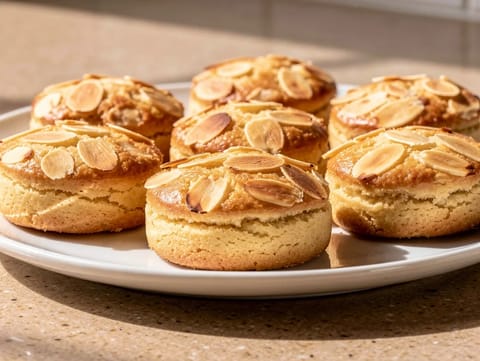
Buttery Dutch cookies with a thick almond paste filling
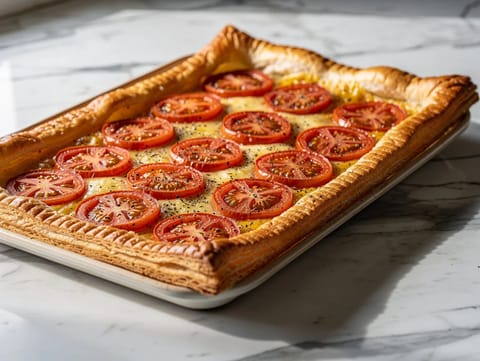
Puff pastry tart with Dijon mustard, tomatoes and Gruyère
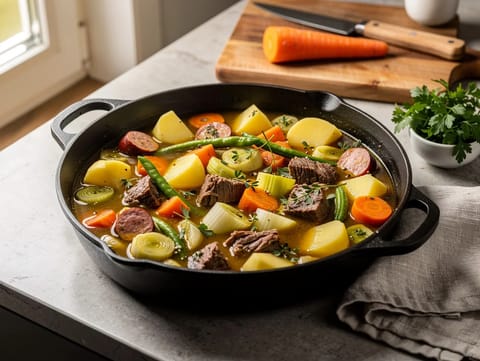
German one-pot stew with smoked sausage, beans and potatoes

Dense Breton butter cake with vanilla and egg yolks
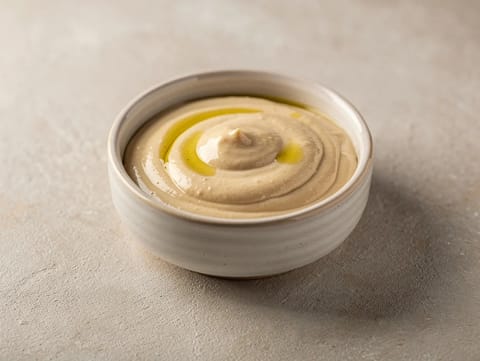
Smooth tahini sauce with lemon, garlic and water
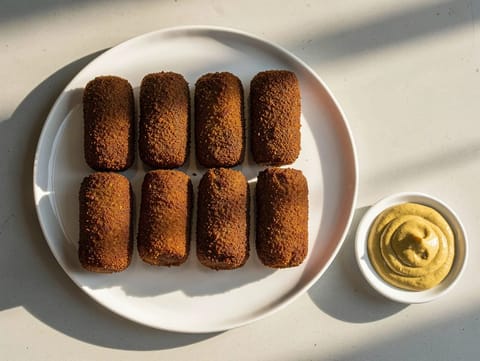
Dutch beef ragout croquettes with a crisp breadcrumb coating
As the year moves from Winter into Spring, recipes often lean towards crisp textures, herbs, citrus and lighter sauces, with less time spent on long simmering. Summer cooking commonly favours minimal heat and quick cooking, with plenty of raw or barely cooked elements that keep their snap. Autumn is where roasting, baking and pan-cooking start to feel more natural again, and flavours often deepen with mushrooms, nuts, warm spices and browned edges. Winter recipes frequently suit longer cooking and richer textures, whether that is a slow braise, a baked pudding, or a soup built on a well-cooked base. These are tendencies rather than promises, but they are useful cues when you are deciding what will feel satisfying today.
If you are choosing seasonally because of what is available, browsing by Ingredient helps you follow a specific vegetable, fruit or herb into recipes that suit it. If you are cooking around a date in the calendar, Occasion is a natural companion, since many celebrations and gatherings come with their own seasonal foods and serving styles.
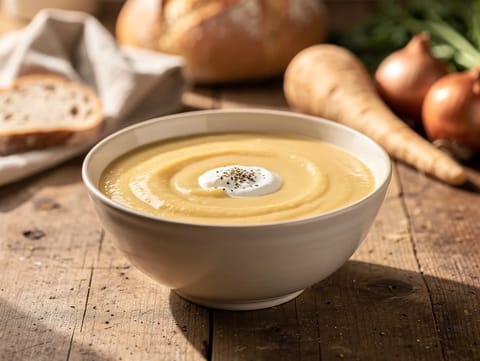
Smooth parsnip soup with cumin and double cream
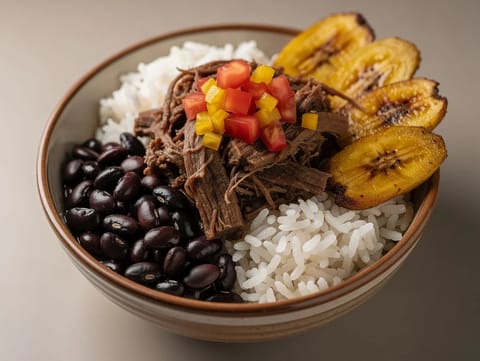
Shredded beef bowl with rice, black beans and fried plantain
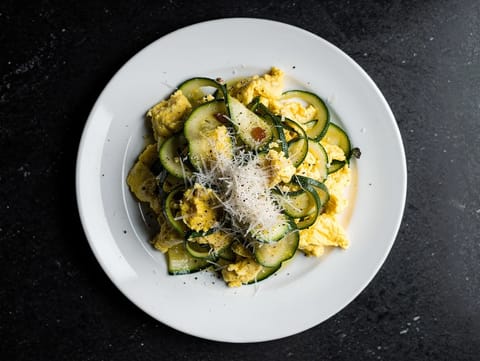
Sautéed courgettes with softly scrambled eggs and pecorino
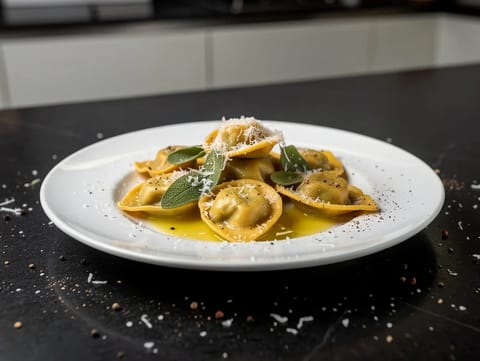
Stuffed agnolotti tossed in butter, sage and Parmesan
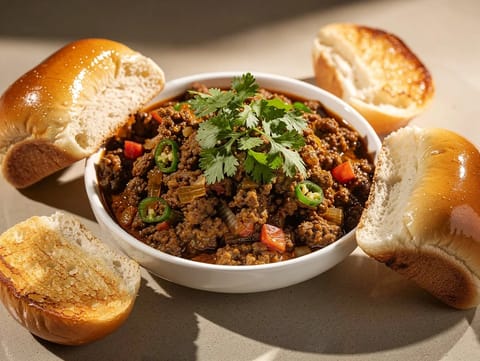
Spiced minced lamb keema served with buttered bread rolls
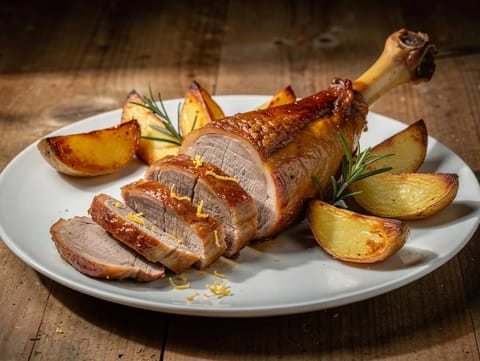
Roast lamb over potatoes with garlic, rosemary and white wine

Crispy potato flautas topped with crema, lettuce and cheese

Yucatecan chicken and lime soup finished with tortilla strips
Spring gives a broad seasonal feel, while April is a narrower snapshot within that season. Month terms can be useful when you want recipes that match a particular moment in the transition, when produce and weather can change quickly.
Not necessarily. Season tags are best read as a guide to typical Northern Hemisphere availability and the style of cooking that suits that time of year. Local seasons vary with climate, altitude and supply.
Some recipes rely on pantry staples, preserved ingredients, or techniques that are comfortable in any weather. Year-round is a practical place to start when you want flexibility rather than a seasonal mood.
Often they are influenced by produce, but months can also reflect how people tend to cook at that point in the year, such as shifting from slow, warming dishes towards lighter meals, or the other way around.
Treat the terms as a description of weather and ingredient patterns rather than the calendar month itself. You may find it more intuitive to browse by the season that matches your current conditions, even if the month name differs.
Yes. Many dishes sit comfortably across a range, especially those built on staples or adaptable vegetables. Use the season as a starting point, then decide based on how you want to eat and cook today.
When you are unsure where to begin, choose a broad season for the overall feel, then switch to a month if you want something more precise. If your shopping list is already set, follow the ingredient instead and let the season guide the style of cooking.
