

Zwetschgenkuchen (German Plum Cake with Yeasted Base)
German plum cake with yeasted base and cinnamon sugar
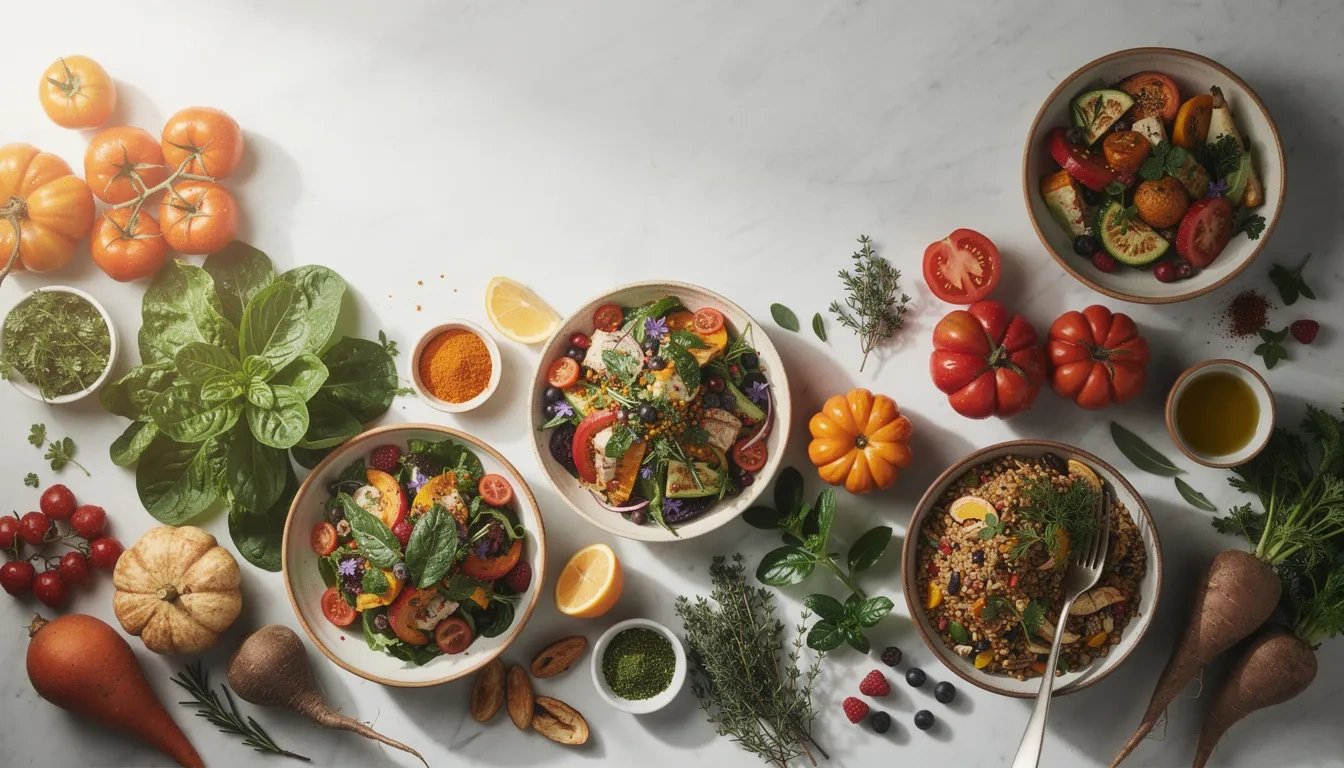
September cooking sits between two rhythms. Warm days still suit low-effort, fresh meals, but cooler evenings make room for the first traybakes, soups and slow-simmered sauces. This is a useful month for flexible recipes: ones that work hot or at room temperature, and dishes you can scale up without turning the kitchen into a sauna. Think in terms of how you want to cook today, rather than what the calendar says.
September is less about a single set of ingredients and more about mixed conditions. You may still want crisp, raw elements and quick cooking, but you also start to appreciate dishes that hold heat and rewarm well. Recipes that bridge the gap often rely on a few practical tricks: roasting to concentrate flavour without long simmering, using sturdy leaves that do not wilt instantly, and choosing proteins and pulses that stay satisfying even when served warm rather than piping hot. It is also a month where sauces and dressings do a lot of work, because they can pull together late-summer produce with more autumnal flavours such as nuts, cheese, mustard or warming spices.
On warmer days, look for recipes that keep the cooker time short: salads with a single cooked component, quick stir-fries, or grilled items paired with something cold and crunchy. When the temperature drops, you will likely prefer oven-based cooking that feels cosy without being heavy, such as traybakes, roasted vegetables with sausages or chickpeas, or pasta bakes that can be portioned. If you are eating at different times, September-friendly dishes often travel well from hot to room temperature: grain salads, frittatas, roasted vegetable platters and sandwiches built around a strong spread or relish. For a more autumn-leaning direction, choose recipes that include a broth, a creamy element, or a baked topping, which naturally reads as comforting.
September cooking often pairs bright acidity with deeper, rounder notes. Lemon, vinegar and tomatoes still make sense, but they are frequently balanced with toasted nuts, browned butter, cheese, olives, anchovy, miso or mustard. Herbs can shift from delicate to sturdier: parsley, basil and mint alongside thyme, sage or rosemary, depending on what you have. Fruit also starts to behave differently in savoury cooking: apples and pears can add crunch to salads, but they also take well to roasting and pan-caramelising. If you are baking, this is a natural time for recipes that use fruit with spice, or cakes and puddings that feel lighter than full winter desserts but more substantial than midsummer sorbets.
If you want September to feel truly seasonal, browsing by Ingredient helps you follow what is at its best where you live, whether that means late tomatoes or the first apples. Occasion is also useful this month, because routines restart and gatherings shift indoors, which changes what travels well and what can be served warm.

Bratwurst simmered with sauerkraut, onion and caraway

Italian sponge cake with pastry cream and whipped cream
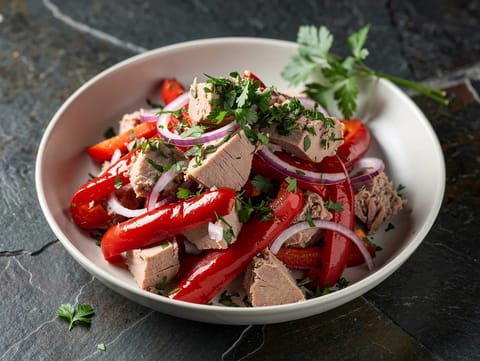
Piquillo pepper and tuna salad with olive oil dressing

Pan-seared ribeye steak served with melting herb butter
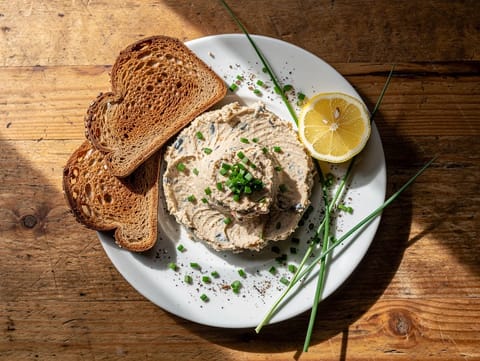
Smoked mackerel pâté with lemon and horseradish on rye
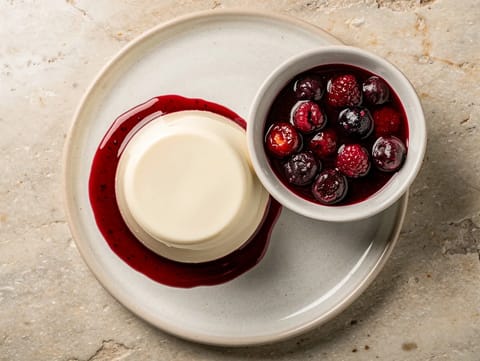
Vanilla panna cotta served with a simple berry compote
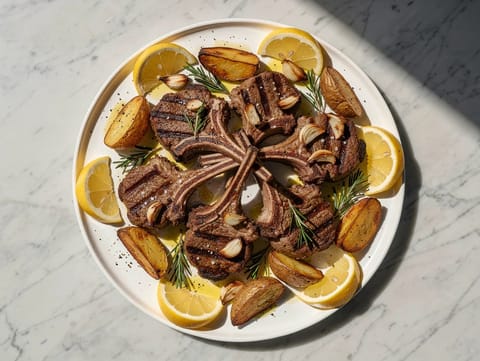
Grilled lamb chops with rosemary roast potatoes
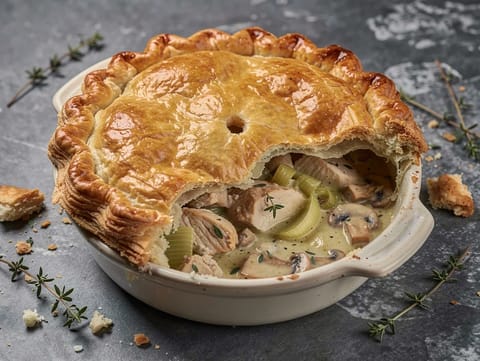
Chicken and leek pie with mushrooms and puff pastry
It can be either, depending on the week. The most useful way to think about September is as a month of overlap: recipes that can be served warm or at room temperature, and dishes that feel fresh but have a little more depth.
Often it is the cooking method and serving temperature. Quick grilling, minimal cooking and crisp salads still fit, but so do oven roasts, bakes and brothy dishes when evenings cool.
Not necessarily. A few flexible flavour-builders help: mustard, vinegar, a good stock or stock cubes, and something savoury-salty such as cheese, olives or anchovy. They make it easy to move from bright to cosy without changing everything.
Many are, because room-temperature eating becomes more common. Dishes that hold their texture, such as grain salads, roasted vegetables, frittatas and sturdy sandwiches, tend to work well.
Keep the cooking method cosy but the flavours bright. Roasting and baking add comfort, while lemon, herbs, yoghurt-based sauces or a sharp dressing stop the dish from feeling wintry.
Use September as permission to mix styles. Keep a few quick, fresh options for warm spells, and a handful of oven-friendly, comforting recipes for cooler nights. Let the day’s temperature decide.
