

Pecan Pie with Golden Syrup Custard in Shortcrust Pastry
Pecan pie in shortcrust pastry with golden syrup custard
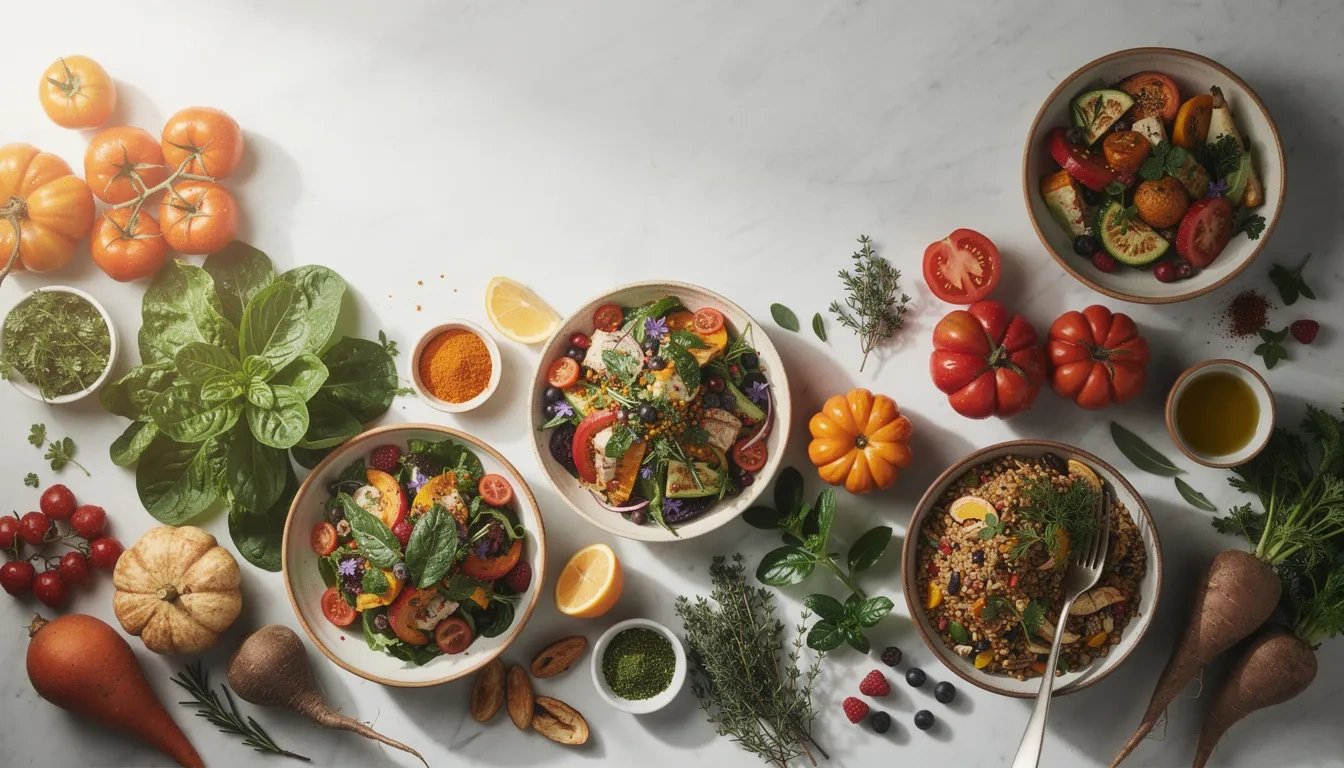
November is when cooking shifts decisively towards warmth and depth. Days are shorter, ingredients are sturdier, and the kitchen work that felt optional in early autumn starts to make practical sense again: long roasting, slow simmering, baking and making pots of something that will feed you more than once. November recipes often taste best when they have time to develop, but they also benefit from contrast, such as a sharp relish, a squeeze of citrus, or a crisp salad alongside.
For steady, everyday warmth, look for soups, stews and traybakes that build flavour from onions, garlic and slow-cooked vegetables. If you want something more celebratory, November suits roasts and braises, where time in the oven does the work and the result is easy to carve or spoon out at the table.
When you want comfort without heaviness, choose recipes that use the oven for browning but finish with something sharp: mustard, vinegar, citrus, or a yoghurt-based sauce. Vegetarian November cooking often leans on pulses, mushrooms and roasted roots for depth. Baking also comes into its own, because a hot oven is less of a burden and the aromas suit the season.
Pecan pie in shortcrust pastry with golden syrup custard
Moist bread stuffing with celery, onion and fresh sage, baked until golden
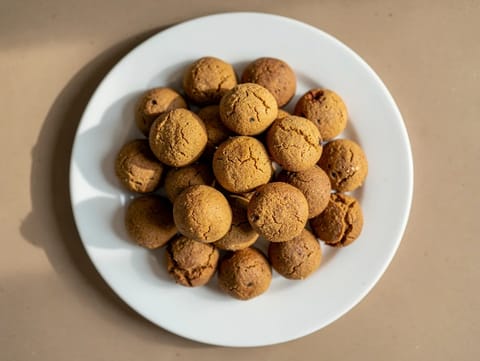
Small Dutch spiced cookies baked until crisp
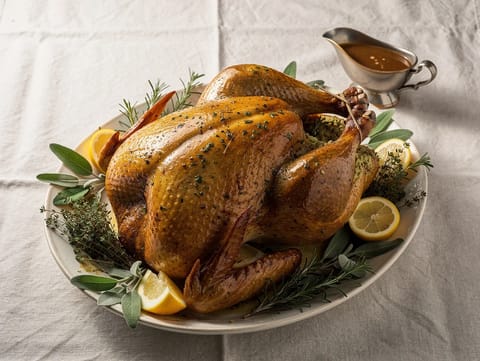
Roast turkey with herb butter and gravy from pan drippings
Pan de Muerto sweet bread with orange zest, brushed with butter and coated in sugar
November cooking often rewards a little planning. Many dishes improve when flavours have time to mingle, and the workflow suits batch cooking: a pot of soup, a braise, a tray of roasted vegetables, or a bake that can be portioned. Even when you are not explicitly cooking ahead, November recipes frequently have natural pauses, such as a long simmer or a slow roast, which makes them easier to fit around the day.
Because the season encourages richer cooking, balance becomes a practical consideration. A crisp side, a sharp condiment, or a bright herb sauce can stop a meal from feeling monotonous, especially when the main dish is slow-cooked and deeply savoury.
Pecan pie in shortcrust pastry with golden syrup custard
Small Dutch spiced cookies baked until crisp
Roast turkey with herb butter and gravy from pan drippings
Pan de Muerto sweet bread with orange zest, brushed with butter and coated in sugar
Moist bread stuffing with celery, onion and fresh sage, baked until golden
In a European November, vegetables that store well tend to dominate: roots and squashes for sweetness, brassicas for bite, and alliums for a savoury base. These ingredients take well to roasting and long cooking, which concentrates flavour and softens tougher fibres. You will often see them paired with warming spices, robust herbs, stock, wine or tomatoes, depending on the style of dish.
To keep flavours lively, November cooking commonly uses acidity and bitterness as counterpoints. Think pickles, capers, mustard, vinegar, citrus, or bitter leaves served alongside. The point is not to make food taste sour, but to give rich, slow-cooked dishes a clear finish.
Ingredient browsing is especially useful in November, when the season is shaped by what stores well and what tastes best after roasting or simmering. Occasion browsing can also help if you are cooking for late-autumn gatherings, where you may want food that holds well and serves easily to a table.
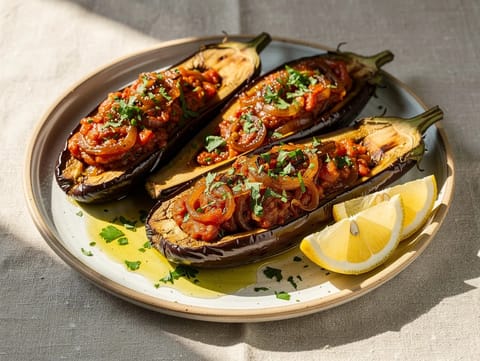
Baked stuffed aubergines with tomato, onion, garlic and parsley
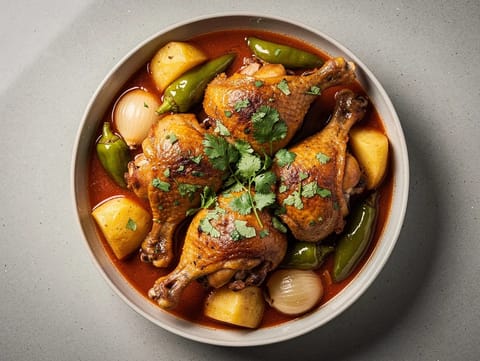
Braised chicken stew with tomatoes, peppers and potatoes
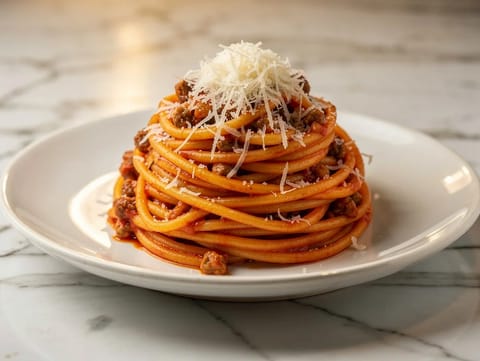
Pasta with tomato and minced beef ragù and Pecorino
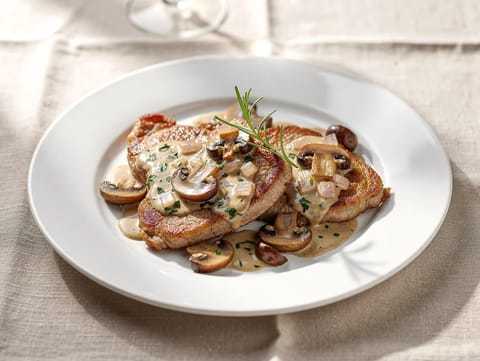
Pan-fried veal escalopes with mushroom and tarragon cream sauce
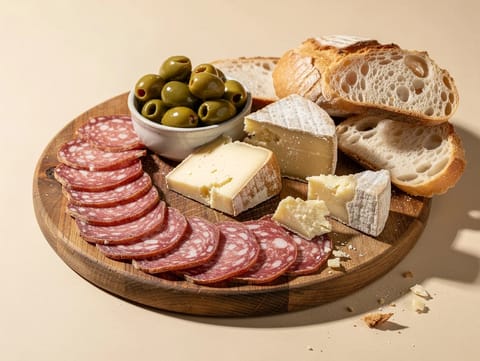
Italian board of cured meats, cheeses, olives and bread

One-pan Spanish chicken and rice with saffron and paprika
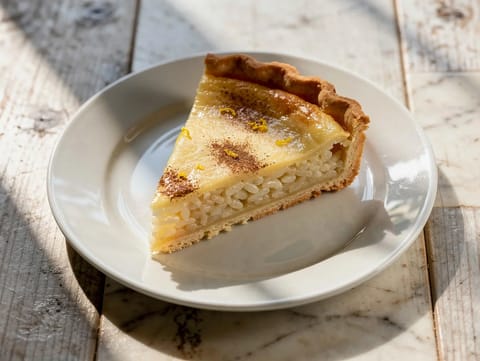
Tuscan rice pudding tart baked in shortcrust pastry
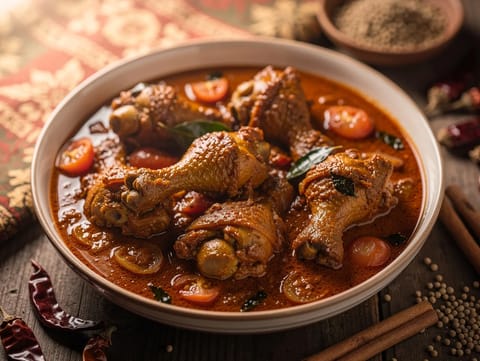
South Indian pepper chicken curry with coconut
Not always, but November often suits longer cooking because sturdy vegetables and tougher cuts benefit from time. Quick dishes still fit, especially when they use high heat for browning and strong seasoning.
Build in contrast. Add a sharp condiment, a squeeze of citrus, a crisp salad, or a herb sauce. Acidity and crunch can lift slow-cooked, savoury dishes.
Stored roots and squashes, brassicas, mushrooms, onions and garlic are common seasonal anchors. They respond well to roasting, braising and soups.
Often, yes. A hot oven is welcome, and bakes and breads suit the season’s appetite for warmth and aroma.
Roasting, braising, simmering and baking are typical because they develop depth and make the most of sturdy ingredients. Finishing with something sharp helps keep flavours clear.
Lean into the oven and the pot, then remember the finishing touches. In November, a slow-cooked main and a sharp, fresh counterpoint make the season’s ingredients feel complete.
