
Colomba Pasquale (Italian Easter Sweet Bread with Almond Glaze)
Enriched colomba pasquale with candied orange peel and a crisp almond topping
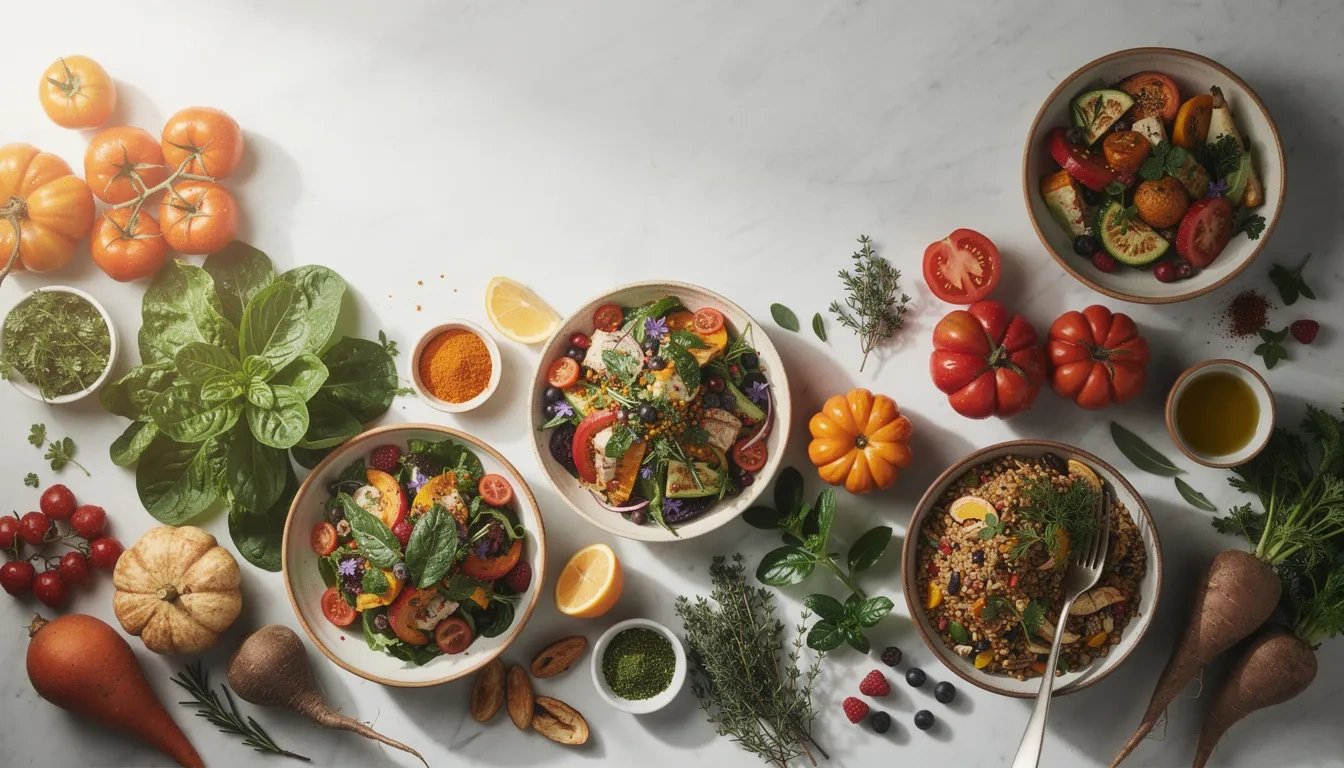
April cooking is about flexibility. Days can swing from crisp to almost warm, and the food that feels right often shifts with them: lighter plates and brighter flavours, with enough substance to handle a cold snap. This is a good moment for tender greens, early spring vegetables and citrusy, herb-led dressings, alongside gentle, warming methods that do not feel heavy. Use April as a cue to move from deep winter richness towards cleaner, fresher tastes.
April recipes tend to sit in the middle ground between winter and summer styles. They often lean on spring produce and fresh finishes, but they do not assume reliably hot weather or outdoor eating. You will commonly see quick-cooking vegetables, leafy greens and lighter sauces, balanced by grains, eggs, pulses or modest amounts of meat or fish to make a meal feel complete. April also suits dishes that can be served warm or at room temperature, which helps when the temperature changes between cooking and eating. It is less about a single set of ingredients and more about a shift in weight, colour and acidity.
Enriched colomba pasquale with candied orange peel and a crisp almond topping
Vanilla sponge Osterlamm Kuchen dusted with icing sugar after baking

Belgian Easter sponge cake finished with icing sugar

Roast leg of lamb with garlic, rosemary and Dijon mustard

Ring-shaped sweet bread with orange zest, icing and almonds

Lightly sweet German Easter bread with raisins and candied peel
A few patterns make food taste ‘springlike’ without becoming insubstantial. Acidity is one: lemon, vinegar, yoghurt and sharp pickles lift vegetables that are still young and mild. Herbs and alliums often do the same job, whether that is chives, spring onions, parsley or dill. You may also notice a move from long-cooked tomato sauces and heavy gravies towards broths, pan juices and dressings that are added at the end. If your vegetables taste a little sweet or watery, a salty element (cheese, olives, anchovy, soy) can bring them into focus.
Lightly sweet German Easter bread with raisins and candied peel
Roast leg of lamb with garlic, rosemary and Dijon mustard
Belgian Easter sponge cake finished with icing sugar
Ring-shaped sweet bread with orange zest, icing and almonds
Vanilla sponge Osterlamm Kuchen dusted with icing sugar after baking
Enriched colomba pasquale with candied orange peel and a crisp almond topping
On colder days, look for spring ingredients cooked in warming ways: soups built on greens, baked pasta with a lighter sauce, or roasted vegetables finished with a bright dressing. When the weather turns mild, choose recipes that keep the cooker time short, such as stir-fries, omelettes, salads with a warm component, or fish cooked quickly with herbs and citrus. If you want something that travels well, April is friendly to room-temperature dishes: grain salads, frittatas and vegetable tarts tend to hold their texture. For a more ‘spring-clean’ feel, prioritise recipes with a fresh garnish or a sharp sauce added just before serving.
If you want April to feel truly seasonal, browsing by Ingredient helps you follow what is tender and at its best right now, and adjust when local markets run early or late. Occasion is useful when April overlaps with spring gatherings and holidays, where you may want food that can be made ahead and served at room temperature without losing its appeal.
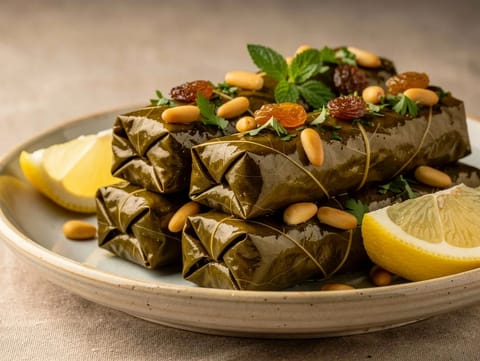
Stuffed grape leaves with herbed rice, pine nuts and currants

Turkish chicken bowl with rice, garlic yoghurt and salad
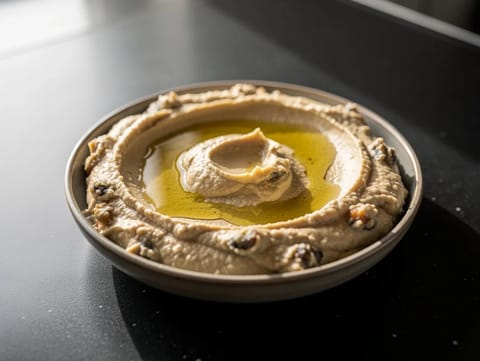
Smoky roasted aubergine dip with tahini and lemon

Tortilla wrap filled with hoisin pork, cucumber and spring onion

Seared sirloin steak with garlic butter prawns and lemon

Manado-style spicy chicken simmered with chilli, tomato and lime
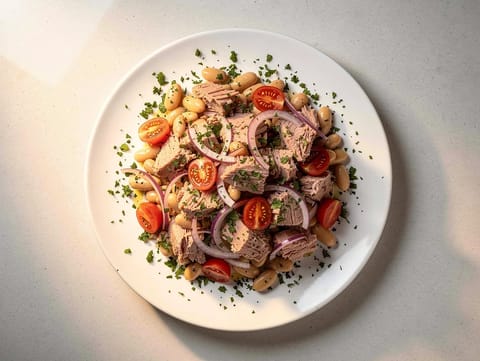
Tuna and white bean salad with Dijon dressing
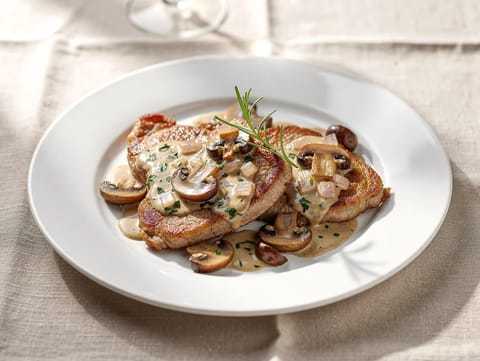
Pan-fried veal escalopes with mushroom and tarragon cream sauce
Not necessarily. April often points towards lighter flavours and fresher finishes, but the weather can still call for warming dishes. Many April-friendly recipes simply avoid the heaviest winter richness while keeping enough substance to satisfy.
Look for brightness and contrast: a squeeze of citrus, a yoghurt sauce, herbs stirred in at the end, or a sharp relish alongside something warm. These touches make cooked food taste fresher without changing the format.
Yes. Roasting can suit April well, especially for early vegetables that benefit from a little caramelisation. The difference is often in the finish: lighter dressings, herbs, or a squeeze of lemon rather than heavy sauces.
Choose recipes that are forgiving warm or at room temperature, such as frittatas, tarts, grain-based dishes and many vegetable sides. Sauces and dressings added at the end help revive flavours if food cools down.
It can, but it does not have to. April is a transition month, so it is common to combine late winter staples with early spring greens, then brighten the whole dish with acidity and herbs.
Greens often like sharpness and salt. Lemon, vinegar, mustard, capers, cheese, cured fish, or a soy-based seasoning can stop mild greens tasting flat, especially when they are quickly cooked.
Let the day’s weather decide the cooking method, then use spring flavours to steer the mood. Even a warming dish can feel like April with herbs, citrus and a sharp finishing sauce.
