
Rosca de Reyes (Epiphany Ring Bread with Orange and Candied Fruit)
Mexican Epiphany ring bread with orange, sweet paste strips and candied fruit
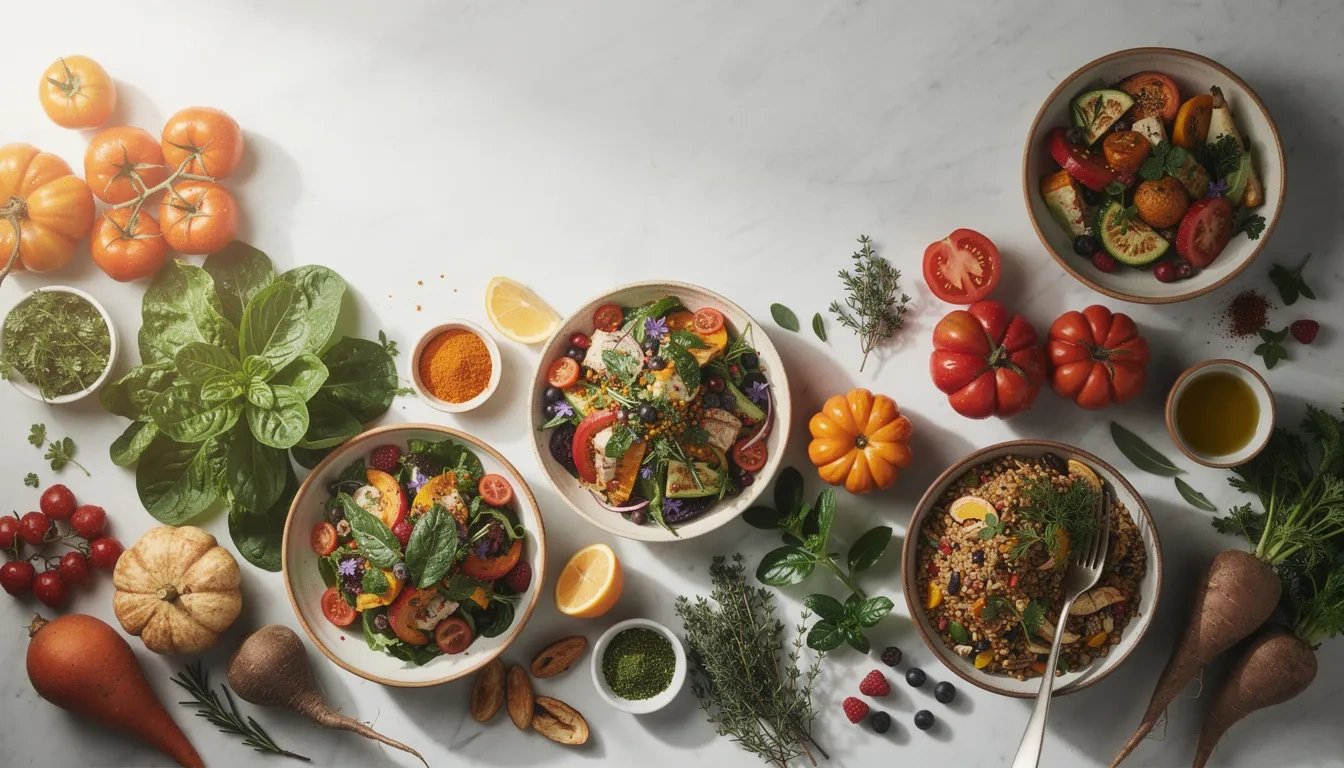
January cooking often feels like a reset, but it is still winter. The mood tends towards simple, warming food that is steady and practical: soups, stews, tray bakes and oven-led meals that make the house feel warmer. At the same time, many cooks start craving freshness, so January recipes often bring in citrus, hardy greens and sharper seasonings to stop flavours feeling heavy. Think comfort with clarity, rather than richness for its own sake.
January recipes sit at the intersection of cold-weather cooking and a desire for straightforward meals. They commonly use winter staples that are reliable in European markets, and methods that suit short days: simmering, roasting and baking. Unlike December, January food is less likely to lean on elaborate centrepieces and more likely to focus on everyday structure, such as a pot of soup with good bread, or a tray of vegetables and protein cooked together. The defining feature is mood: warming, tidy flavours, often finished with something bright so the plate does not feel dull or overly rich.
Mexican Epiphany ring bread with orange, sweet paste strips and candied fruit
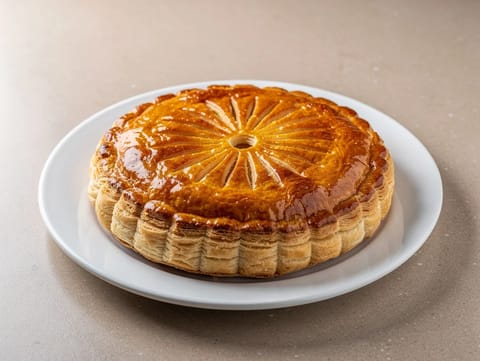
Puff pastry cake filled with sweet almond frangipane
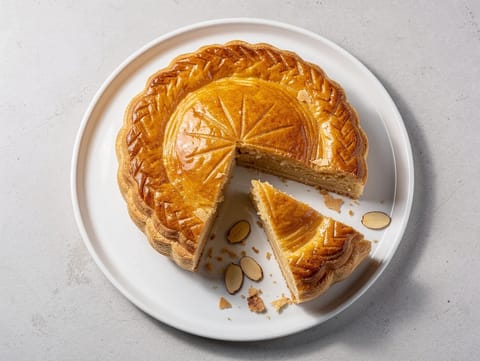
Puff pastry cake filled with almond frangipane
Crisp, hollow Spanish choux fritters fried until golden and dusted with icing sugar
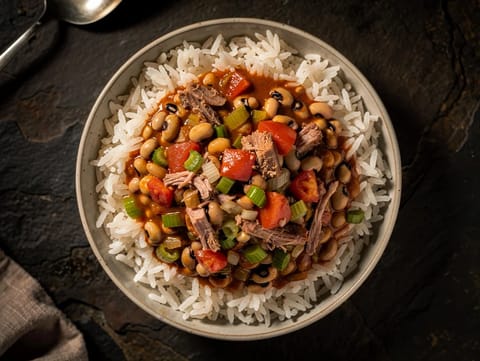
Black-eyed pea stew with smoked ham hock and tomatoes

Crisp Dutch wafer rolls flavoured with butter and vanilla
Hardy greens and brassicas often come into their own in January, bringing a gentle bitterness that balances rich foods. Roots and onions provide sweetness once roasted or slowly cooked, which is why they show up so often in winter soups and bakes. Citrus is a useful counterpoint: a squeeze of lemon, a splash of vinegar or a spoonful of mustard can sharpen a dish that otherwise tastes soft. If you are using pulses or grains, aromatic ingredients such as garlic, ginger, chilli and warm spices can add interest without needing heavy sauces. Texture matters too: toasted nuts, seeds or breadcrumbs can lift a bowl of something smooth.
Crisp Dutch wafer rolls flavoured with butter and vanilla
Puff pastry cake filled with almond frangipane
Black-eyed pea stew with smoked ham hock and tomatoes
Puff pastry cake filled with sweet almond frangipane
Mexican Epiphany ring bread with orange, sweet paste strips and candied fruit
Crisp, hollow Spanish choux fritters fried until golden and dusted with icing sugar
January-friendly recipes often include warming bowls and oven meals that are easy to portion and repeat: soups, stews, braises and tray bakes built around winter vegetables. You may also see sturdy salads that make sense in cold weather, using robust leaves, roasted components and sharp dressings rather than delicate greens. Baking can be part of January too, especially simple cakes and breads that suit a cooler kitchen and pair well with citrus, nuts and spices. Across these styles, the common thread is food that feels grounding, with enough brightness to keep it tasting fresh.
Ingredient browsing helps in January because winter produce is consistent but not identical everywhere, and small shifts in what is available can change what you cook. Occasion is also useful at this time of year, when you may be cooking for quieter gatherings and want dishes that are warming, straightforward and easy to serve without last-minute fuss.
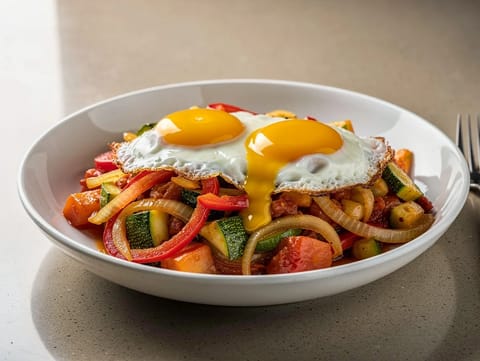
Spanish pisto with tomatoes, peppers, courgettes and fried eggs

Crisp fried squid and prawns with lemon

Traybaked zaatar chicken with lemon, onion and cherry tomatoes

Crisp duck confit with duck fat potatoes, garlic and parsley

South Indian chickpea flour fudge cooked with ghee and sugar syrup
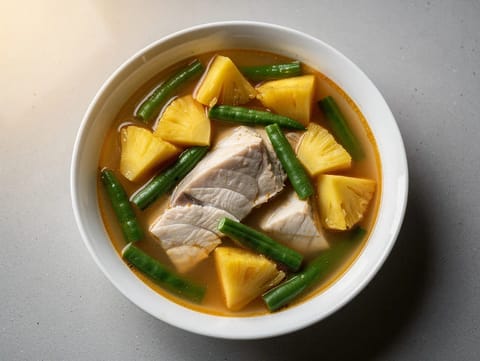
Sour orange Thai fish curry with tamarind and pineapple
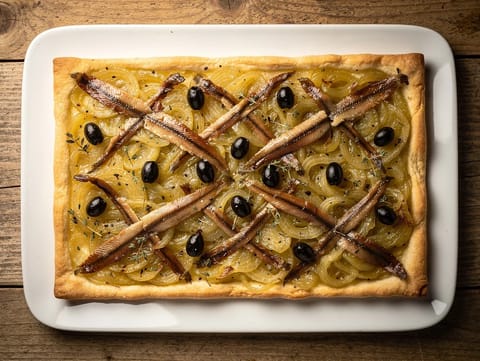
Onion tart with anchovy fillets and black olives

Slow-cooked pork carnitas braised with orange and spices
The ingredients can overlap, but the approach changes. January cooking is often simpler and more routine, with fewer elaborate centrepieces and more one-pot or oven-led meals that suit everyday rhythms.
Finish with acidity and aroma: lemon juice, vinegar, yoghurt, herbs, or a little zest. These additions lift flavour without changing the soup’s comforting character.
Yes, if they are built for winter. Use sturdy leaves, crunchy vegetables, roasted components and a sharp dressing. Winter salads often work best as a contrast to warm dishes.
Methods that warm the kitchen and develop flavour with minimal attention: roasting, baking and simmering. Quick sautés also work well for greens and for finishing dishes with fresh flavour.
Try toasted nuts or seeds, crisp breadcrumbs, croutons, or a crunchy slaw on the side. Texture keeps winter meals from feeling monotonous.
No. January often calls for comfort because it is cold. Many recipes simply aim for clearer flavours and simpler structure, rather than the richest or most elaborate winter cooking.
Let January be warming and practical, then add brightness at the end. A sharp dressing, citrus or herbs can make the same winter staples feel newly appealing.
