
Black Bean and Sweetcorn Quesadillas
Pan-toasted quesadillas filled with black beans, sweetcorn and melted Cheddar

Kids-friendly cooking is less about novelty and more about predictability: flavours that are easy to recognise, textures that are comfortable to eat, and portions that can be adjusted without fuss. The most useful recipes in this space also work for adults, with simple ways to add heat, crunch or sharpness at the table. Think of it as building a meal with a calm centre and optional extras, rather than “hiding” ingredients or stripping everything back.
Kids-friendly recipes tend to avoid extremes: very bitter greens, aggressively hot chilli, or strongly alcoholic flavours. They often lean on familiar building blocks such as pasta, rice, potatoes, eggs, mild cheeses, chicken, fish fingers-style coatings, or simple soups. Texture matters as much as taste. A silky purée, a tender meatball, or a crisp-but-not-hard baked crumb can be easier to manage than chewy steak or a salad full of raw onion.
This label does not automatically mean bland, beige, or sweet. Many family favourites are gently spiced, tomato-based, or herby. The key is that the main flavour is clear and the “surprises” are optional, like a sharp salsa, pickles, chilli oil or extra herbs served on the side.
Pan-toasted quesadillas filled with black beans, sweetcorn and melted Cheddar
Peanut butter cookies with butter and brown sugar, baked until just set
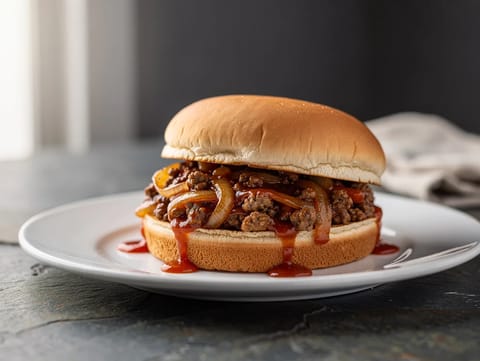
Sloppy Joe buns filled with tangy minced beef

Crumbly peanut mazapán pressed with icing sugar and vanilla
Chocolate whoopie pies filled with vanilla buttercream and baked until springy
Delicate Mexican peanut sweets made from ground peanuts and icing sugar
If you are feeding mixed ages, look for recipes that separate components naturally. Build-your-own bowls, tacos, wraps and baked potatoes let everyone choose their own level of sauce, crunch and spice. Traybakes and sheet-pan meals can work similarly when you keep a portion plain before adding a glaze or chilli.
For younger children or cautious eaters, recipes with consistent texture are often easier: blended soups, smooth sauces, patties, fishcakes and meatballs. For older kids, “hands-on” food can be the draw: skewers, dumplings, mini pizzas, or anything that can be dipped.
If time is tight, favour dishes that hold well while you deal with interruptions. Pasta bakes, mild curries, stews and oven-baked items are typically more forgiving than anything that must be served the second it’s cooked.
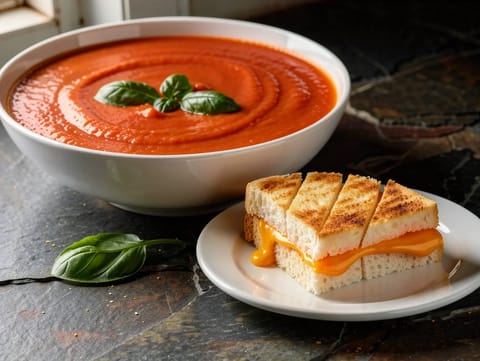
Cheddar grilled cheese served with smooth tomato soup
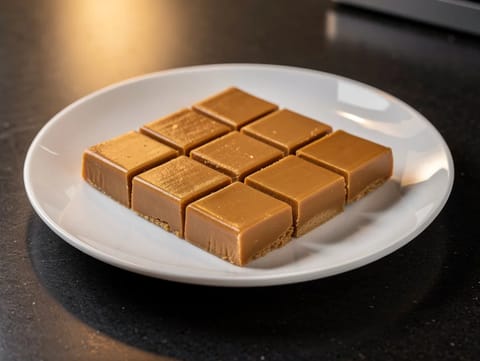
No-bake peanut butter fudge set in the fridge
Crumbly peanut mazapán pressed with icing sugar and vanilla
Sloppy Joe buns filled with tangy minced beef
Pan-toasted quesadillas filled with black beans, sweetcorn and melted Cheddar
Delicate Mexican peanut sweets made from ground peanuts and icing sugar
Soft-centred peanut butter cookies studded with melted dark chocolate chips
Chocolate whoopie pies filled with vanilla buttercream and baked until springy
Peanut butter cookies with butter and brown sugar, baked until just set
Keep heat and sharpness adjustable. Serve chilli flakes, hot sauce, mustard, lemon wedges or vinegar separately so adults can finish their plates without changing the base dish.
Watch salt and strong aromatics. Raw onion, very salty cheeses, and heavily cured meats can dominate small portions. If a recipe uses them, cooking them down or offering them as a garnish can help.
Aim for “easy to portion” shapes. Sliced frittata, meatballs, patties, wedges and bars are simpler to serve than a whole roast or a delicate fillet.
Finally, consider mess. Saucy noodles and drippy burgers are fun, but a thicker sauce, shorter pasta shapes, or a lined baking tray can keep the meal calmer without changing the food itself.
If you are planning around the time of year, Season can help you choose produce-led meals that feel right for the weather, from lighter spring plates to cosy winter bakes. Collections are also useful when you want a ready-made set of ideas, such as packed lunches, freezer-friendly cooking or simple baking projects.

Vanilla almond smoothie with banana, Greek yoghurt and ice

Bakewell tart with raspberry jam and almond frangipane
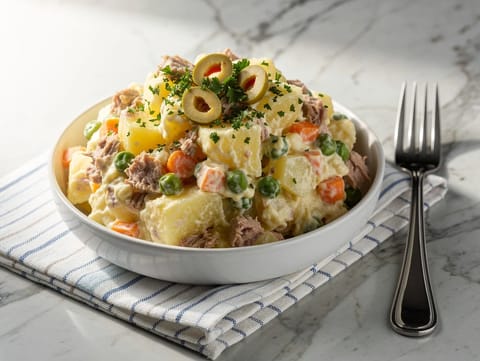
Chilled Spanish potato salad with tuna, peas and mayonnaise

Strong coffee combined with hot, lightly frothy milk
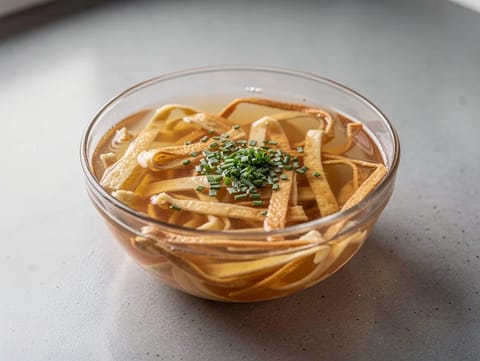
Clear beef stock with thin pancake ribbons and chives
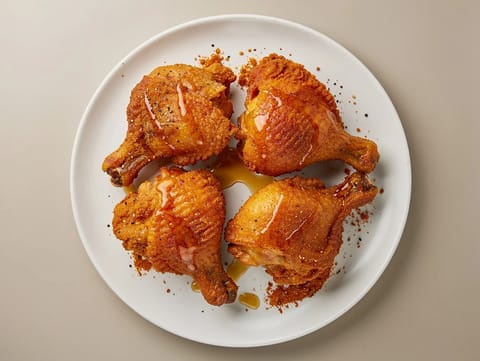
Crispy buttermilk fried chicken finished with honey
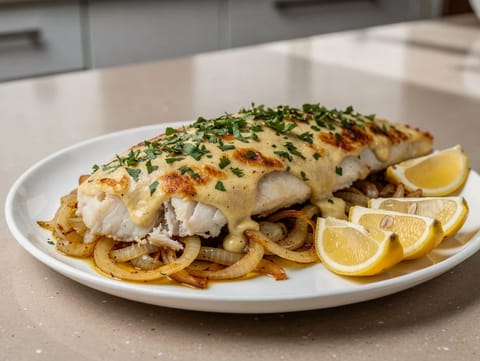
Baked white fish in a lemony tahini sauce
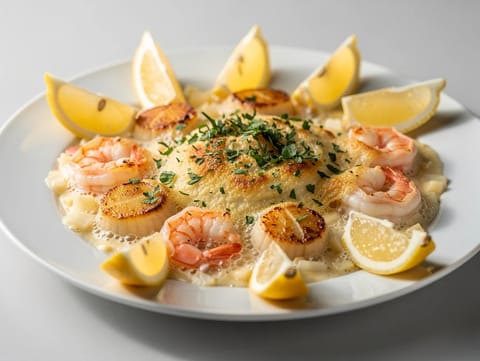
Seafood gratin with prawns, scallops, white wine cream and Gruyère
Not necessarily. It usually means the main flavour is clear and not aggressively hot or bitter. Gentle spices, herbs, tomato, yoghurt and coconut can all be kids-friendly, especially when chilli heat is kept optional.
Choose a neutral base and add “finishers” at the table: chilli oil, fresh herbs, grated cheese, pickles, toasted nuts or a sharper sauce. That way the cooking stays simple and everyone can adjust their plate.
Smooth or consistently tender textures are often easiest: blended soups, soft rice, well-cooked pasta, tender meatballs, fishcakes and thick sauces. Mixed textures like crunchy salad with chewy meat can be more challenging.
Finger foods can help, but they are not essential. Many kids do well with bowls and spoons, especially for soups, porridge, rice dishes and pasta with a thicker sauce that clings.
Offer small, optional tastes alongside the main meal, such as a mild salsa, a yoghurt dip, or a little grated Parmesan. Repeated low-pressure exposure is often more effective than changing the whole dish.
When you treat kids-friendly as a serving strategy rather than a strict flavour rule, planning gets easier. Start with a dependable main dish, then add crunch, heat or sharpness in small bowls so everyone can build a plate that suits them.
