
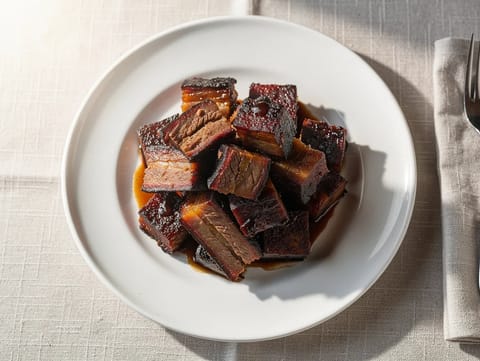
Kansas City Style BBQ Burnt Ends
Sticky Kansas City BBQ burnt ends made from brisket point

BBQ cooking is less about a single dish and more about a rhythm: hot food coming off the grill in batches, with plenty of things that can wait their turn. Recipes that suit a BBQ tend to be robust in flavour, forgiving in timing, and easy to serve outdoors. Think in terms of a main item for the grill, a couple of sides that don’t wilt, and something saucy or sharp to cut through the richness. This is the kind of cooking where good prep and sensible serving choices matter as much as the fire.
BBQ recipes commonly involve cooking over live fire or high heat, but they are not limited to long-smoked meats. A BBQ spread can include quick-grilling items, skewers, burgers, fish, vegetables, and breads that pick up char and flavour fast. Just as important are the supporting players: salads that hold their crunch, pickles and relishes, dips, and desserts that travel well.
BBQ also does not automatically mean spicy, meat-heavy, or complicated. Many BBQ-friendly recipes are about managing heat and timing: choosing cuts and vegetables that won’t dry out, using marinades or glazes that can handle a hot grill, and serving food in a way that stays appetising even when people eat at different times.
Sticky Kansas City BBQ burnt ends made from brisket point
Clams steamed with chorizo, baby potatoes and corn, finished with lemon and parsley
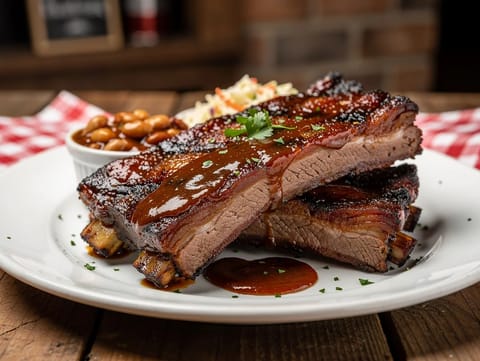
Slow-baked beef ribs with a sweet, tangy BBQ glaze
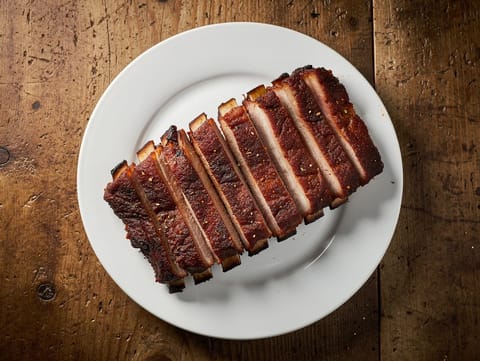
Slow-roasted spare ribs with a paprika and brown sugar crust
Tender pork spare ribs with brown sugar, smoked paprika and a caramelised crust
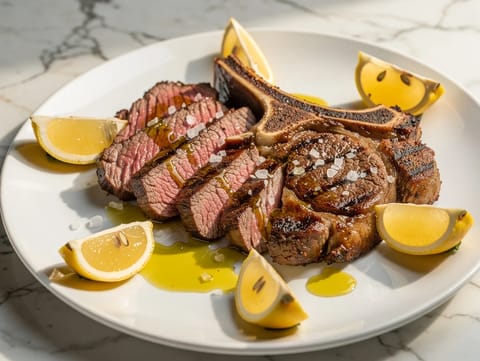
Spanish-style grilled T-bone steak with sea salt and lemon
For a BBQ, build the menu around one reliable grill centrepiece, then add contrast. Rich, smoky or charred food benefits from something crisp and acidic alongside it, such as a vinegar-led slaw, a lemony salad, or quick pickles. Add one starchy element that can be made in quantity, such as flatbreads, potatoes, rice or a pasta salad, so the meal feels complete even if the grill runs slower than planned.
Sauces and toppings do a lot of work at a BBQ because they let guests adjust heat, sweetness and richness. A herby sauce, a creamy dressing and a chilli option cover most preferences without needing multiple mains. Finish with fruit-forward or chilled desserts when the weather is warm, or something baked that can be sliced and shared.
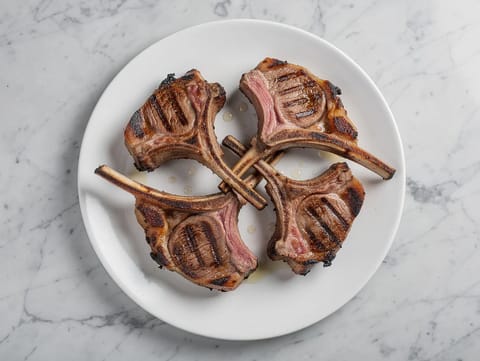
Grilled lamb cutlets with rosemary, garlic and lemon
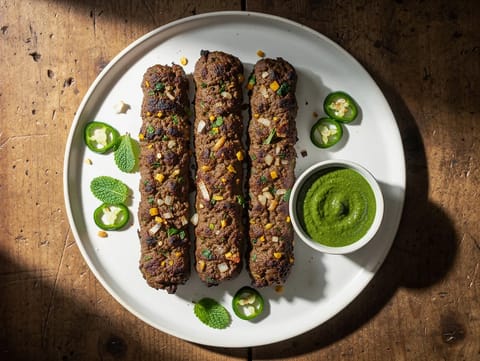
Grilled lamb seekh kebabs served with mint chutney
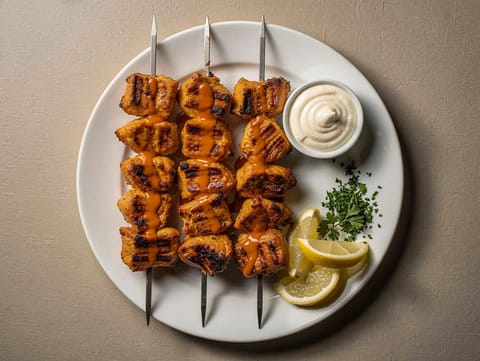
Grilled chicken skewers marinated in yoghurt, lemon and garlic
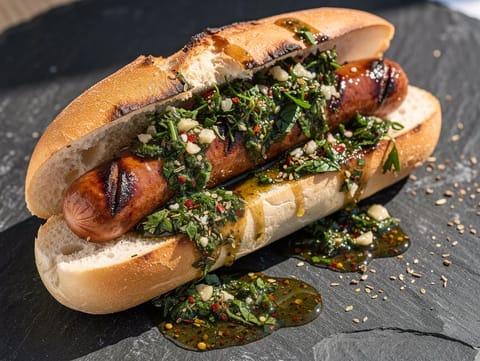
Grilled chorizo sandwich in crusty bread with chimichurri
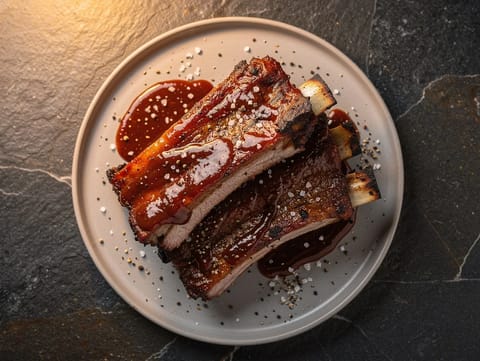
Oven-baked spare ribs glazed with smoky BBQ sauce
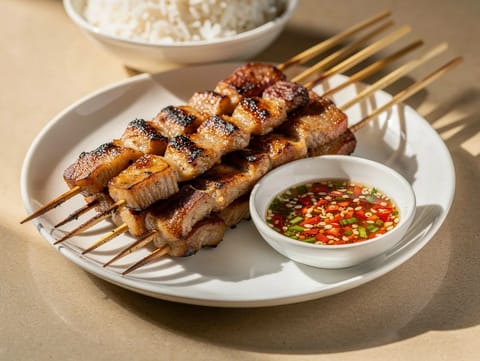
Thai grilled pork skewers with coconut milk and fish sauce
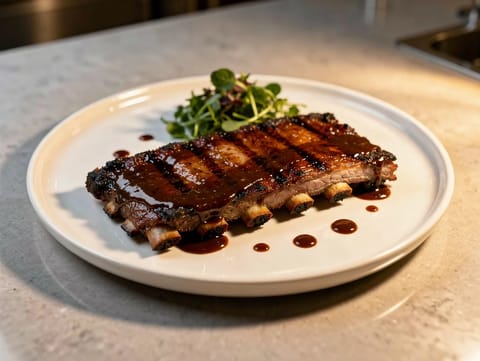
Grilled pork ribs brushed with sticky bourbon BBQ sauce
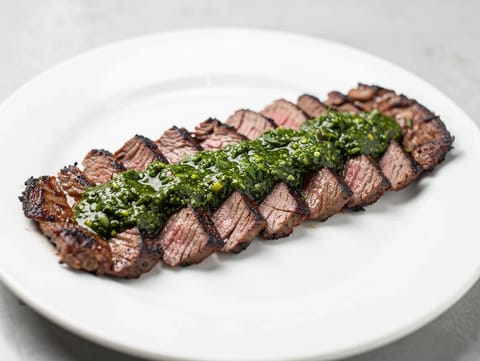
Grilled skirt steak served with parsley and garlic chimichurri
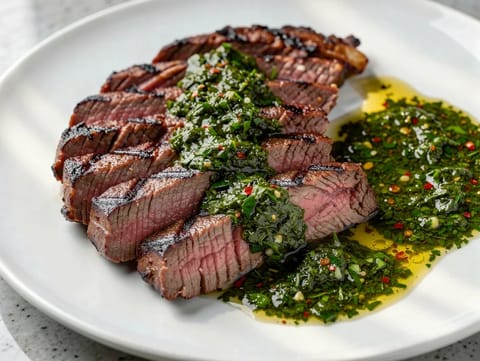
Grilled ribeye served with parsley and garlic chimichurri
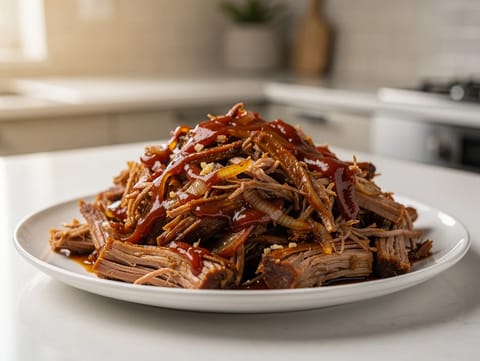
Slow-roasted pulled pork with smoky rub and barbecue sauce
Slow-roasted spare ribs with a paprika and brown sugar crust
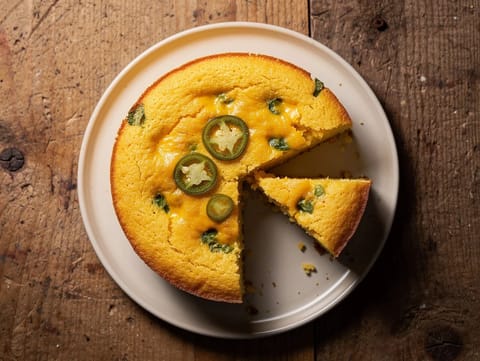
Golden skillet cornbread with jalapeño and cheddar
Choose recipes that tolerate a little overcooking at the edges. Thighs, sausages, marinated tofu, oily fish, mushrooms and courgettes are generally more forgiving than very lean cuts. If a recipe uses sugar or honey in a glaze, expect it to colour quickly over direct heat; it often works better brushed on near the end or served as a finishing sauce.
Plan for holding. Food that can rest under foil, sit in a warm spot, or be served at room temperature keeps the grill from becoming a bottleneck. If you are cooking for a group, skewers and smaller pieces help you serve in waves. Keep raw and cooked foods strictly separate, and use clean utensils for serving, especially when marinades have touched raw meat or fish.
If you want BBQ food that matches the weather, browsing by Season helps you land on sides, salads and desserts that feel right for warm days or cooler evenings. For a more structured spread, explore Course to balance mains with make-ahead sides, sauces and something sweet that doesn’t compete with smoky flavours.
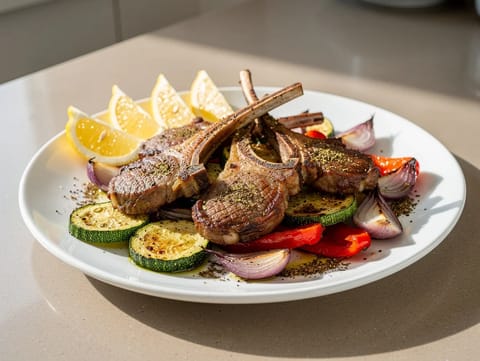
Za'atar lamb chops roasted with courgette, pepper and red onion

Italian lemon and basil sorbet churned smooth and frozen
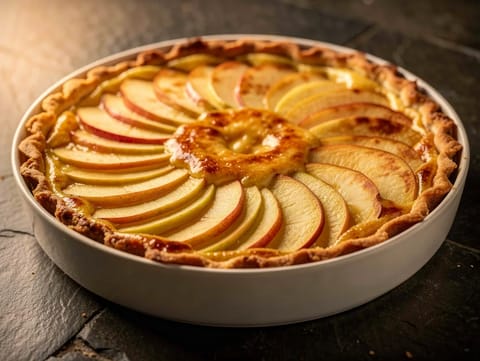
French apple tart with shortcrust pastry and cream custard
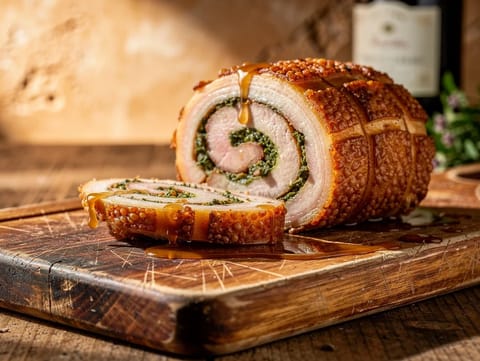
Rolled pork belly roasted with garlic, rosemary and fennel
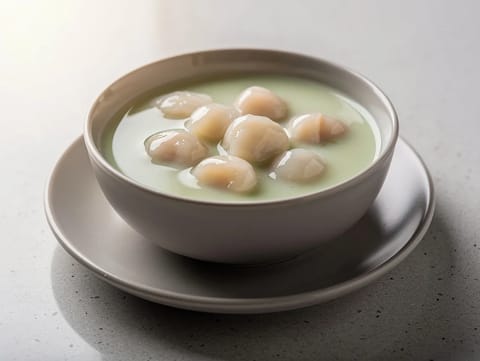
Thai rice dumplings served in warm pandan coconut milk
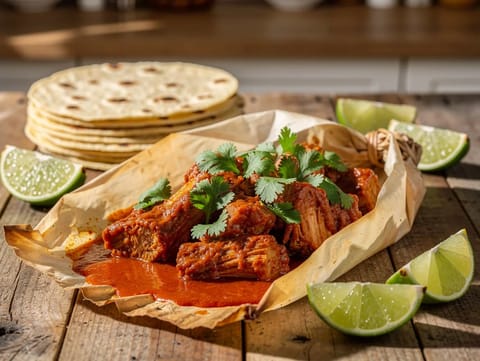
Steamed pork parcels in chilli and tomato marinade
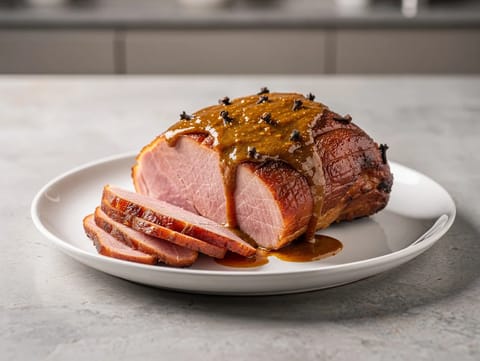
Beer-braised ham with mustard and brown sugar glaze
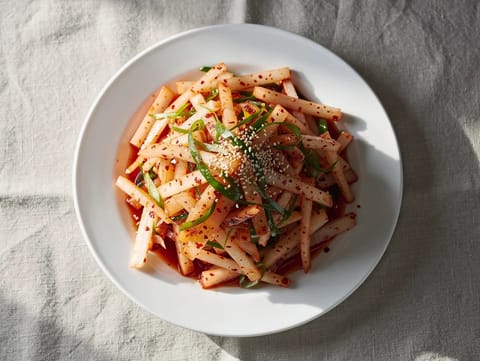
Crisp radish salad with gochugaru, vinegar and garlic
Not necessarily. The BBQ occasion is about the style of food and serving: charred, smoky, saucy, and designed for sharing. Some recipes can be adapted to a grill pan or hot oven when the weather doesn’t cooperate.
It usually cooks well over high heat, is easy to portion, and still tastes good if it sits for a short while. Strong seasoning, marinades, and sauces also help food stand up to smoke and char.
Pick naturally juicy ingredients, use marinades or brines where appropriate, and avoid overcooking lean items. Resting grilled food briefly also helps juices redistribute before slicing.
If the sauce is sweet, add it late or serve it at the table so it doesn’t burn over direct heat. Thicker sauces can also be used as a glaze in the final minutes.
Look for sides that hold their texture: slaws, potato or pasta salads, grilled vegetables, beans, and breads. A sharp element, such as pickles or a citrusy dressing, balances rich grilled food.
Yes. BBQ-friendly vegetarian options often focus on marinades, char and texture: skewers, grilled vegetables, halloumi, tofu, and hearty salads with bold dressings.
A good BBQ menu is one you can serve in stages without stress. Choose a grill main you can manage confidently, add sides that don’t mind waiting, and let sauces and toppings provide variety at the table.
