
Mu Saengchae (Korean Spicy Radish Salad)
Why this recipe works
- Fast, no-cook method: The radish only needs a short salting time before being tossed with the dressing, making this a quick side dish.
- Crisp texture: Salting and gently squeezing the radish removes excess water while keeping the matchsticks firm and refreshing.
- Balanced dressing: Rice vinegar, sugar, garlic and gochugaru create a sharp, lightly sweet and savoury dressing that clings well to the radish.
Get the most out of this recipe
Adjust the heat
- For a milder salad: Use less gochugaru and let the vinegar and sugar carry more of the flavour.
- For more heat: Increase the gochugaru slightly, tasting as you go so the radish still tastes fresh rather than heavy.
Timing notes
- Best serving window: Serve straight away for the brightest crunch, or chill briefly before serving for a colder, firmer bite.
- Best the same day: The salad keeps, but the texture is at its crispest within the first day.
Ingredient notes
- Choose the right radish: A firm daikon that feels heavy for its size will give the cleanest flavour and crunch.
- Use Korean gochugaru: Gochugaru gives the salad its characteristic red colour, gentle heat and lightly fruity chilli flavour.
Serving ideas
- Serve as banchan: Pair with steamed rice, grilled meats, tofu, noodle dishes or a simple Korean-style meal.
- Use as a fresh topping: Add to rice bowls or wraps for crunch, acidity and a hit of chilli.
Equipment you'll need
Ingredients
Instructions
- Peel the daikon radish, then cut it into fine matchsticks (or use a julienne grater). Put it in a mixing bowl, sprinkle over the fine sea salt, and toss well.
- Leave the radish for 8 minutes to draw out moisture, then tip into a sieve and gently squeeze out excess liquid. Return the radish to the bowl.
- Add the Korean chili flakes gochugaru, rice vinegar and caster sugar, then finely grate in the garlic. Toss thoroughly until the radish turns evenly red and looks glossy.
- Thinly slice the spring onion and fold it through, then sprinkle with the roasted sesame seeds. Serve cold, or chill for 10 minutes for an extra-crisp bite.
Recipe notes
Tips
- Cut the radish as evenly as you can so it salts and dresses uniformly, keeping the salad crisp.
- Taste before serving and adjust by adding a pinch more fine sea salt for savouriness or a little more rice vinegar for extra tang.
Substitutions
- Replace rice vinegar with apple-cider-vinegar for a slightly fruitier acidity.
- Replace caster sugar with honey for a rounder sweetness (note this will no longer be vegan).
- Replace spring onion with red-onion for a sharper, more pungent finish.
Storage
- Refrigerate up to 2 days
- Store in a sealed container in the fridge. The salad is best within 24 hours for maximum crunch; stir before serving as liquid may collect at the bottom.
Ratings & reviews
Liked this recipe? Share your feedback to support our cooking community.
Tried this recipe?
Choose 1–5 stars. A comment is optional.
Stay inspired
Discover new recipes, seasonal favourites and cooking inspiration every day. Follow JustRecipes on Pinterest and Spillt.

Recipe overview
- Servings: 3 servings
- Total time: 15min (10min active)
- Difficulty: Easy
- Cuisine: Korean
-
Allergens:
Sesame
Plan your meals and get a complete grocery list automatically.
Add to meal plannerEquipment you'll need
Got ingredients left?
Find recipes using ingredients from this recipe or what you already have at home.
Find recipes with these ingredients →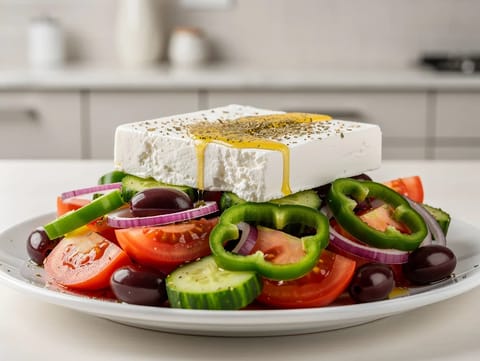
Horiatiki (Greek Village Salad with Feta and Olives)
Greek salad with feta, olives, tomato and cucumber
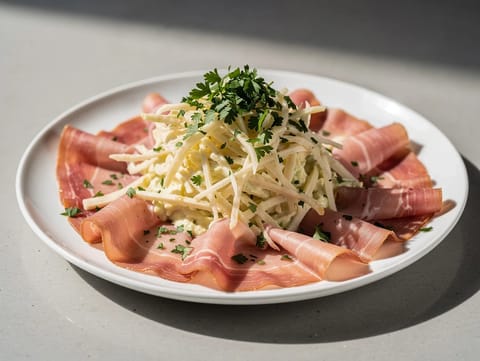
Céleri Rémoulade with Cured Ham
Celeriac rémoulade with mustard and lemon mayonnaise
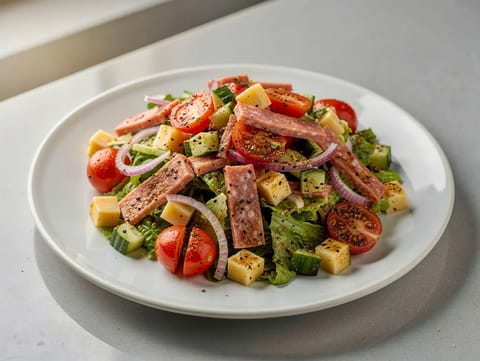
Chopped Italian Salad with Salami and Provolone
Chopped salad with lettuce, salami, provolone and vinaigrette

Warm Goat’s Cheese Salad with Dijon Vinaigrette
Green salad topped with warm goat’s cheese and toasted baguette
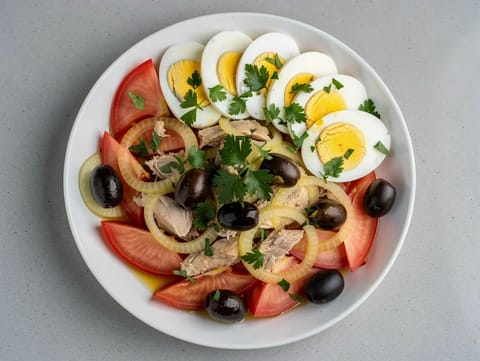
Ensalada Murciana (Tomato Salad with Salt Cod and Olives)
Murcian tomato salad with salt cod and olives
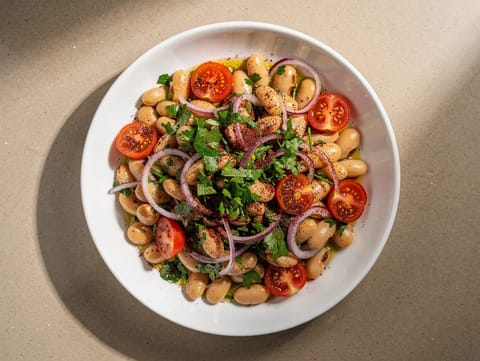
Piyaz (Turkish White Bean Salad)
Turkish white bean salad with lemon dressing and sumac

Paprika Roasted Cauliflower
Roasted cauliflower with sweet paprika, garlic and sherry vinegar
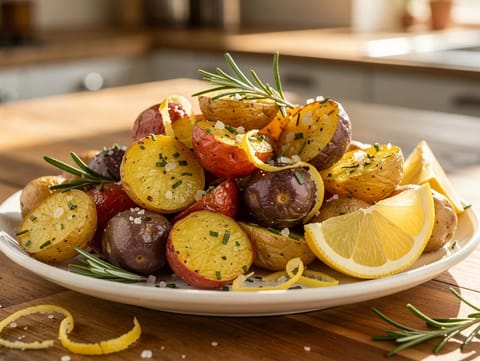
Air Fryer Crispy Baby Potatoes
Crispy air-fried baby potatoes with garlic and rosemary.
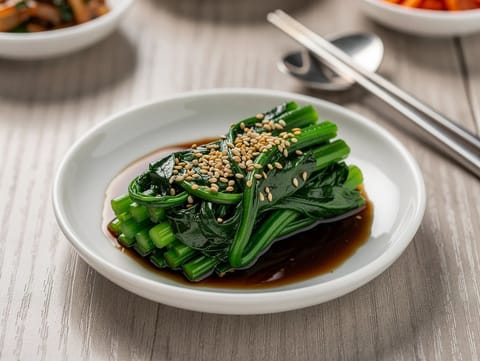
Sigeumchi Namul (Korean Seasoned Spinach Side Dish)
Blanched spinach tossed with sesame oil, garlic and soy sauce
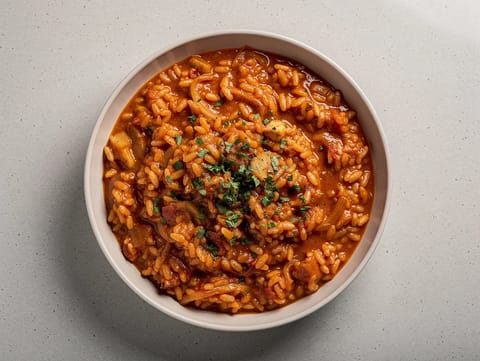
Arroz de Tomate (Portuguese Tomato Rice)
Creamy Portuguese tomato rice with onion, garlic and parsley
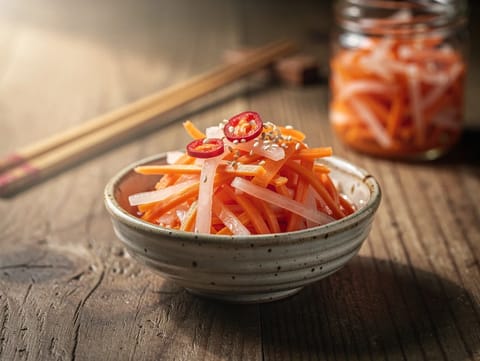
Tết Pickled Carrot and Daikon
Crisp pickled carrot and daikon in sweet vinegar brine
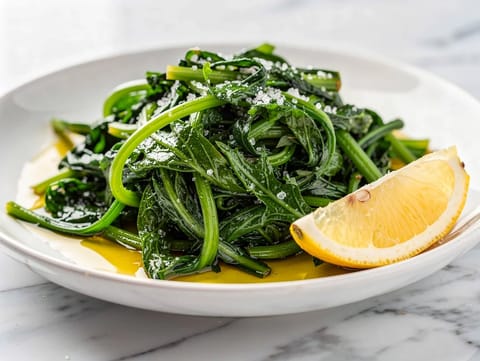
Horta Vrasta (Greek Boiled Greens with Olive Oil and Lemon)
Boiled greens with olive oil, lemon and sea salt
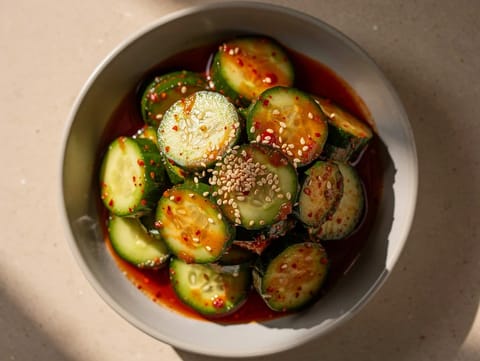
Oi Muchim (Korean Spicy Cucumber Salad)
Spicy cucumber salad with gochugaru, vinegar and sesame oil
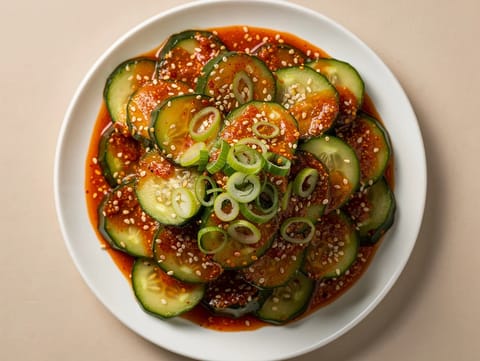
Modern Korean Cucumber Salad
Chilled Korean cucumber salad with gochugaru and sesame oil
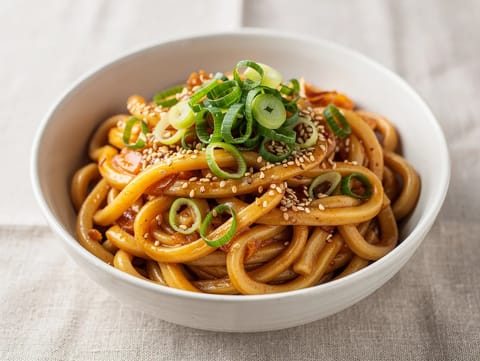
Spicy Miso Noodles with Garlic and Spring Onion
Udon noodles in a spicy miso sauce with spring onion
Tết Pickled Carrot and Daikon
Crisp pickled carrot and daikon in sweet vinegar brine
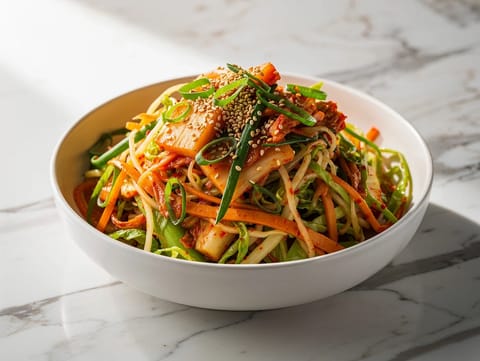
Modern Kimchi Slaw
Crisp kimchi slaw with cabbage and sesame dressing
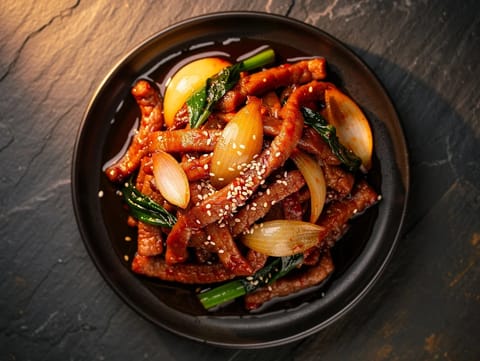
Jeyuk Bokkeum (Spicy Pork Stir-Fry)
Spicy gochujang pork stir-fry with onion
You might also like

Arayes (Stuffed Grilled Pitta)
Grilled pittas stuffed with spiced minced lamb and onion
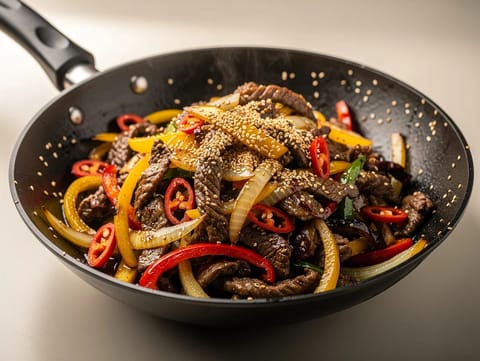
Cumin Lamb Stir-Fry (Xinjiang-Style Spiced Lamb)
Xinjiang-style cumin lamb stir-fry with chillies, onion and peppers
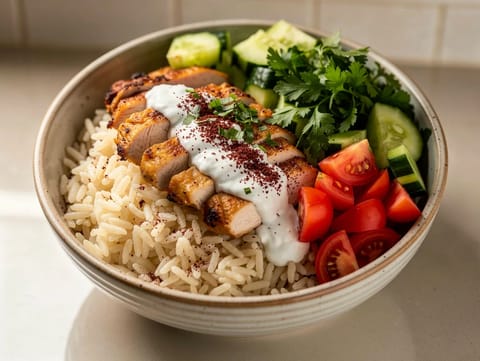
Turkish Chicken Bowl with Rice and Garlic Yoghurt Sauce
Turkish chicken bowl with rice, garlic yoghurt and salad

Chicken Tikka Masala with Basmati Rice
Chicken tikka masala in a creamy tomato sauce with basmati rice
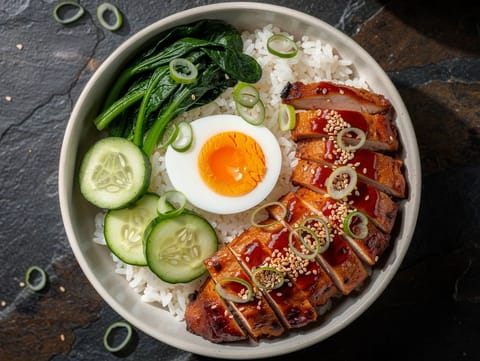
Japanese-Korean Fusion Rice Bowl with Gochujang Chicken and Egg
Rice bowl with gochujang chicken, cucumber, spinach and egg
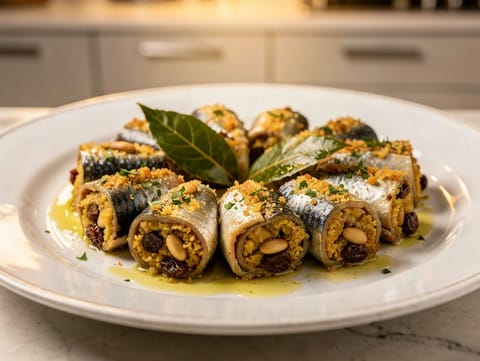
Sarde a Beccafico (Sicilian Stuffed Sardines)
Baked stuffed sardines with pine nuts and raisins
Make this recipe easier next time
AdvertisementThese tools help you get better results with less effort.
KitchenAid Stainless Steel Mixing Bowls
- Non-slip base
- Stainless steel
- Not microwave safe
Pyrex Glass Mixing Bowls with Lids
- Microwave safe
- BPA-free lids
- Glass is heavier
OXO Good Grips Stainless Mixing Bowl Set
- Non-slip base
- Comfort grip
- Higher price
Enjoy cooking with JustRecipes?
Add JustRecipes as one of your preferred Google sources to discover our recipes more easily across Google Search.
Add JustRecipes to GoogleEvery recipe on JustRecipes follows the same structured editorial process. Learn how recipes are created, validated, translated, illustrated, and continuously improved across the platform. How we create recipes.
