

Banana Soy Milk Smoothie
Banana and soy milk smoothie blended with ice.
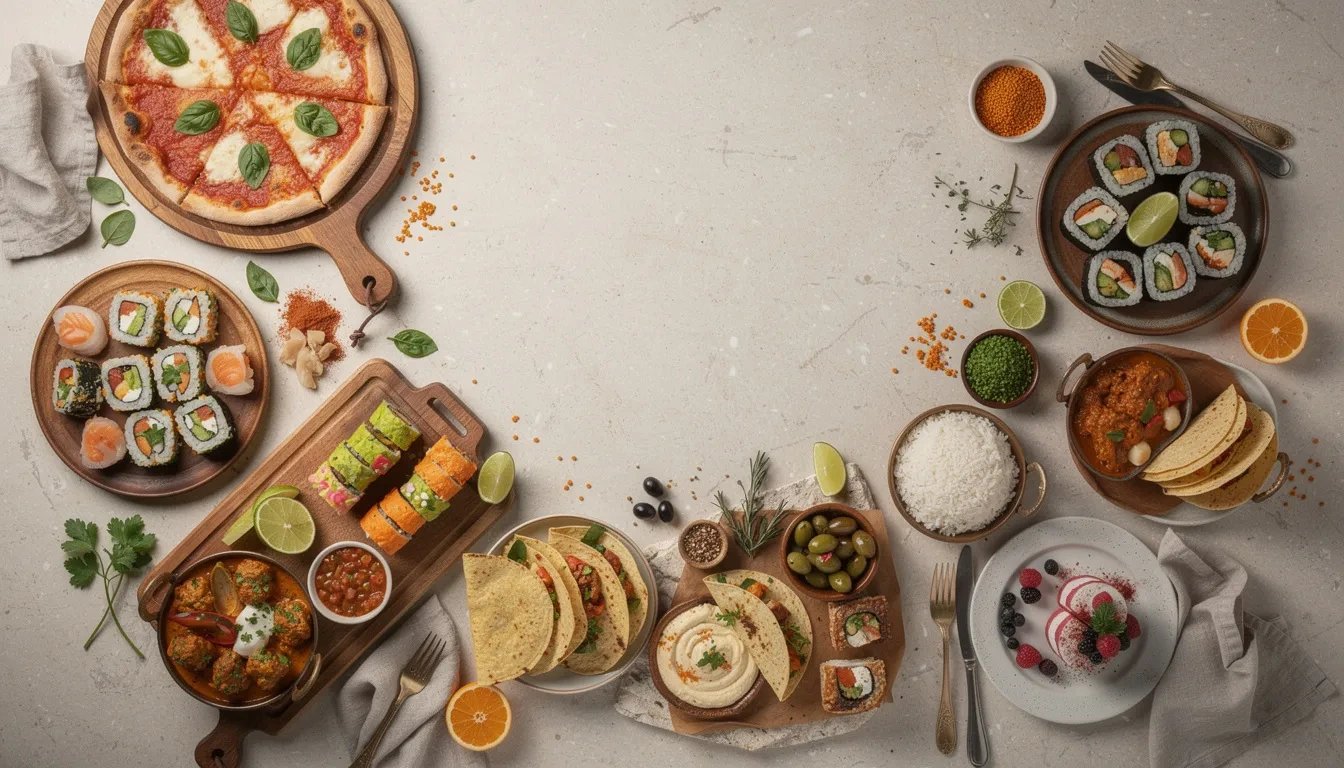
Korean food is often immediately recognisable: savoury depth, chilli heat that can be smoky or sweet, and a fondness for fermented flavours. Many dishes are built around rice, noodles, soups and grilled or stir-fried proteins, with vegetable sides adding crunch and acidity. On a recipe list you’ll also see Korean-inspired dishes that borrow the core seasonings, such as gochujang or sesame, and apply them to familiar formats. Knowing which flavour base a recipe uses is the quickest way to predict how it will taste and how it will fit into a meal.
Korean recipes may range from classic dishes with established names to modern, Korean-inspired cooking that uses similar seasonings and textures. The boundary is often the pantry: ingredients such as gochujang (chilli paste), doenjang (fermented soybean paste), gochugaru (chilli flakes), toasted sesame oil, garlic and soy sauce create a distinctly Korean flavour profile even in an adapted dish. Fermented components, especially kimchi and fermented pastes, can be central rather than optional, shaping both taste and aroma. If you’re choosing between recipes, note whether the dish is built around fermentation (kimchi stews, seasoned vegetables), around grilling and caramelisation (barbecue-style meats), or around a quick sauce and stir-fry. Those categories cook and eat quite differently.
Banana and soy milk smoothie blended with ice.
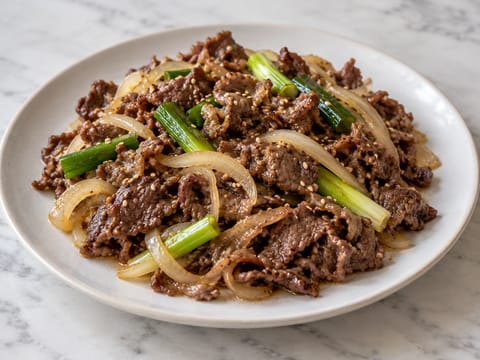
Thinly sliced marinated beef quickly fried with onions
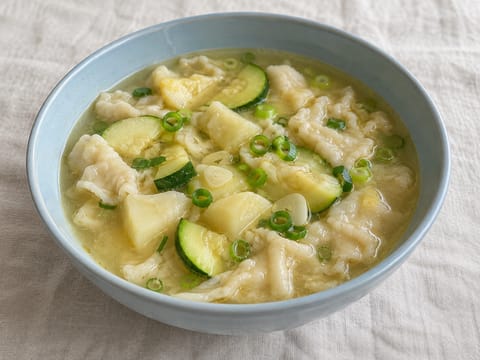
Korean soup with hand-torn dough, potato and courgette
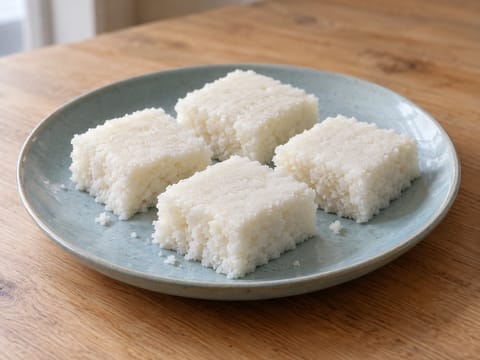
Korean steamed white rice cake, lightly sweetened and tender
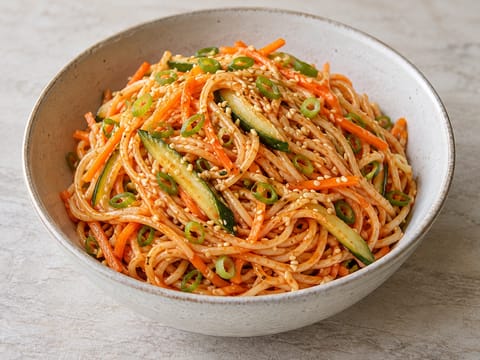
Spicy noodle salad with gochujang dressing, cucumber and carrot
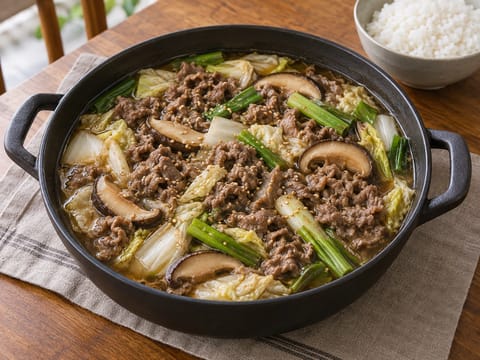
Korean beef hot pot with mushrooms and napa cabbage
Korean seasoning often balances chilli heat with savoury depth and a touch of sweetness. Gochujang brings heat plus fermented richness and stickiness, which helps sauces cling to meat, tofu or vegetables. Doenjang is earthier and saltier, often used in soups and stews where it dissolves into the broth. Garlic and spring onion are frequent aromatics, while toasted sesame oil is usually used as a finishing note because its flavour is easily dulled by long cooking. Kimchi contributes acidity, spice and a fermented tang, and it behaves differently depending on whether it’s used fresh, briefly warmed, or cooked down into a stew. When a recipe includes sugar, honey or fruit, it’s often there to round chilli and salt rather than to make the dish taste sweet.
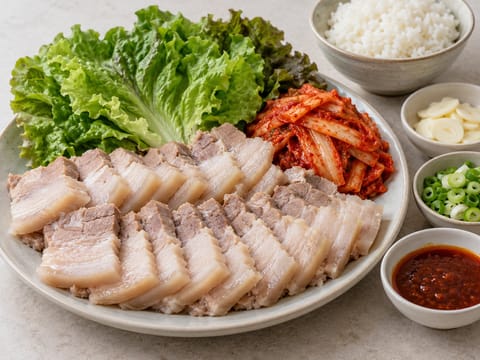
Boiled pork belly lettuce wraps with rice, kimchi and ssamjang
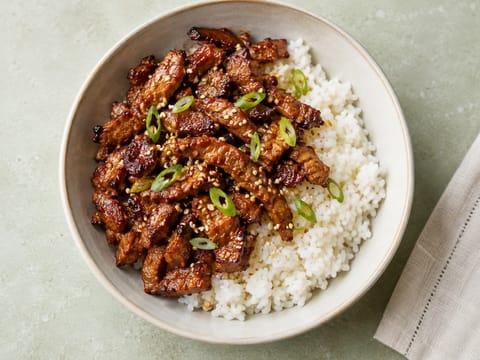
Air-fried spicy pork with gochujang, soy and garlic.
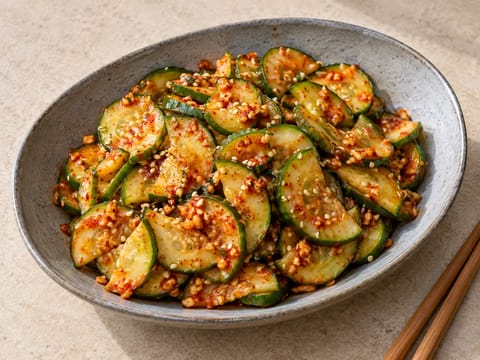
Spicy cucumber salad with gochugaru, vinegar and sesame oil
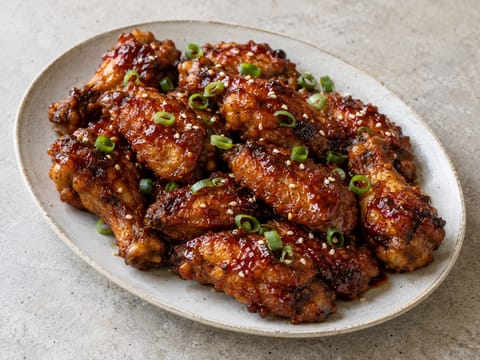
Air-fried chicken wings in a gochujang soy glaze.
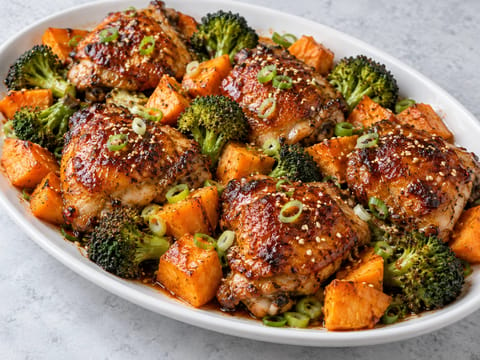
Gochujang chicken traybake with sweet potato, broccoli and sesame
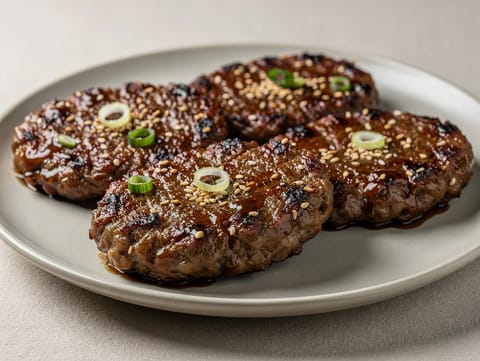
Korean beef short rib patties with soy, garlic and pear
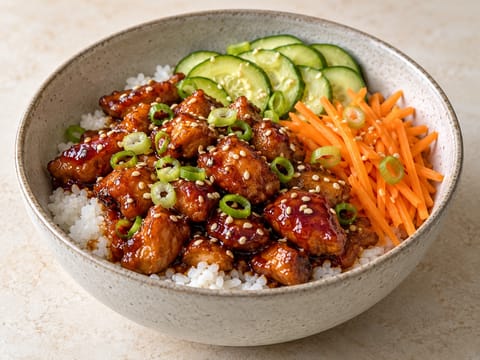
Spicy gochujang chicken bowl over sushi rice with vegetables.
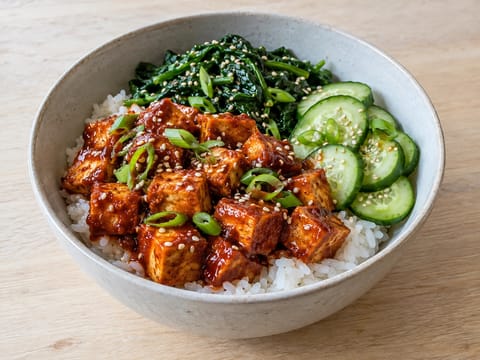
Gochujang-glazed tofu bowl with rice, spinach and cucumber
Thinly sliced marinated beef quickly fried with onions
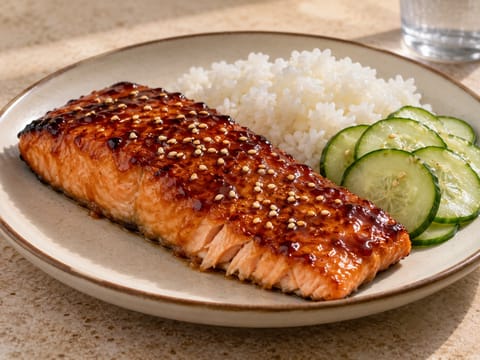
Baked salmon with gochujang, soy, sesame and garlic glaze
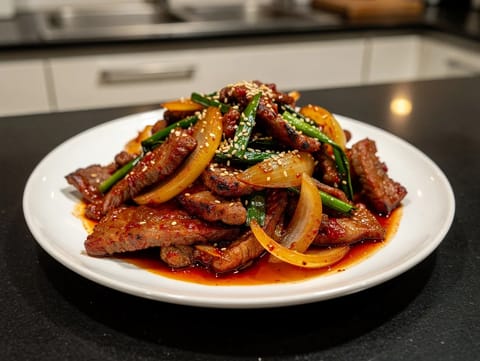
Spicy Korean pork stir-fry with onion and spring onions
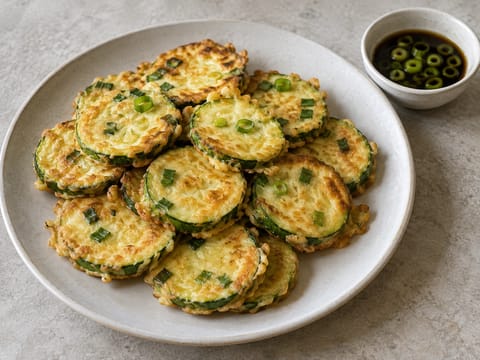
Korean courgette pancakes coated in egg and pan-fried
Korean meals are often served with a mix of dishes rather than a single centrepiece, with banchan (small side dishes) providing contrast in temperature, texture and acidity. That’s why many Korean recipes are designed to be strong-flavoured in small portions: a spicy salad, a sesame-dressed vegetable, or a quick pickle can make a simple bowl of rice feel complete. There is also regional diversity, from coastal seafood traditions to inland dishes that lean on soups, stews and preserved vegetables. Outside Korea, Korean-inspired cooking often adapts to local ingredients and equipment, but it tends to keep the same logic: bold seasoning, a balance of rich and sharp elements, and at least one crisp or tangy component to cut through heat and fat.
Look for rice bowls and mixed bowls where a sauce ties together vegetables, protein and rice. Soups and stews are another backbone, ranging from clear broths to thick, paste-seasoned pots that simmer until flavours meld. Grilled and pan-seared meats often feature marinades that caramelise quickly, so timing and heat control matter. Noodles appear in both hot and chilled forms, sometimes with a spicy-sweet dressing rather than a broth. Pancake-style fritters and battered fried items show up too, usually served with a sharp dipping sauce to keep the bite lively. If you want a gentler entry point, choose dishes where the chilli element is added at the end or offered as a condiment, rather than cooked into the base.
Korean recipes are often easiest to choose by Dish, because bowls, stews, grilled mains and small sides each have their own rhythm and serving style. Browsing by Ingredient can also help when you have kimchi, gochujang, tofu or a particular cut of meat to use, since those ingredients tend to signal the flavour direction of the finished dish.

Turkish baked meatballs with potatoes and peppers in tomato sauce
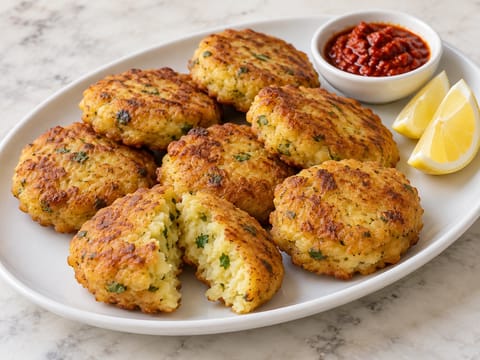
Moroccan potato fritters with cumin, herbs and lemon
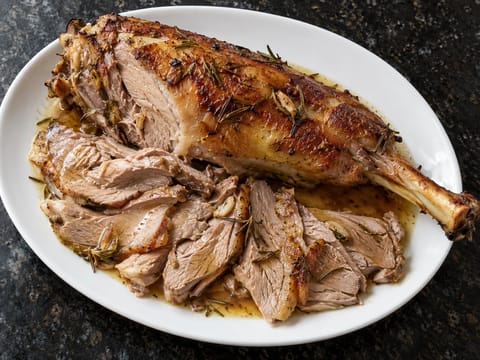
Roast suckling lamb with garlic, rosemary and white wine
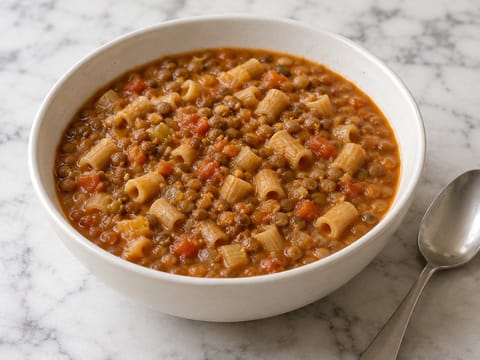
One-pot vegan pasta and lentil stew with rosemary
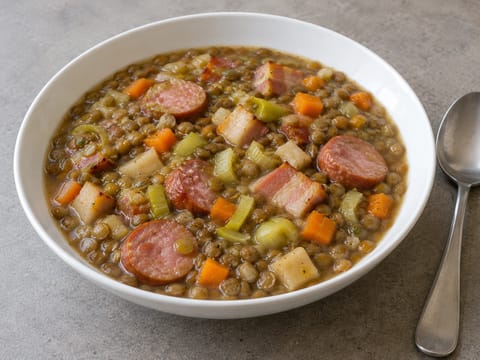
German lentil stew with root vegetables, bacon and sausage
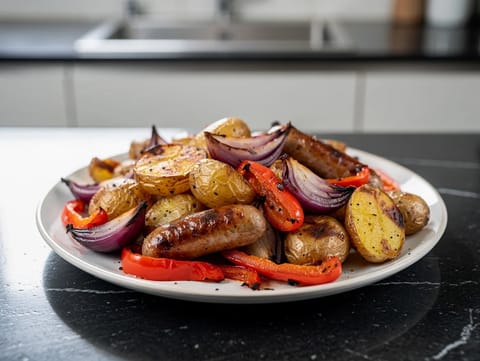
Pork sausages and vegetables cooked together in the air fryer.
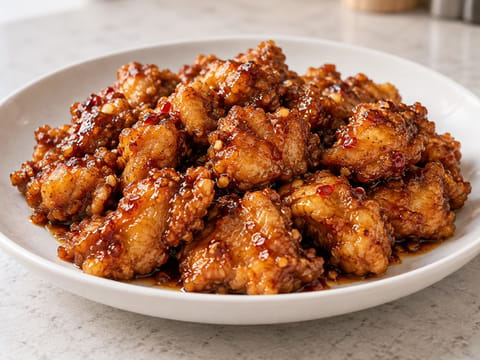
Crispy air fryer chilli chicken tossed in a glossy sauce.

A thick apricot almond smoothie bowl with Greek yoghurt.
No. Many dishes include chilli, but heat levels vary widely, and some classics are mild or only gently warmed by pepper. Often the spice is adjustable by changing the amount of chilli paste or flakes.
It’s a fermented chilli paste with a savoury, slightly sweet depth and a sticky texture. It tends to create glossy sauces that cling well to food.
Kimchi can be served as a side, stirred into rice, or cooked into stews and pancakes. Cooking softens its crunch and mellows the sharpness, while keeping the fermented tang.
They’re better understood as adaptations. They often keep Korean flavour cues, such as gochujang, sesame and garlic, while changing ingredients, proportions or formats to suit different kitchens.
A little sweetness can balance chilli and salt, and it also helps browning when meat is grilled or pan-seared, creating caramelised edges.
Pair a main dish with rice and add one crisp or tangy side, such as a quick cucumber salad or a lightly pickled vegetable, to balance richness and heat.
When you’re choosing Korean recipes, start by spotting the main seasoning: gochujang for spicy-sweet gloss, doenjang for deep savoury broths, or kimchi for fermented tang. Once you know that base, it’s easier to decide whether you want a stew, a bowl, a grill-friendly dish, or a side that brings crunch and acidity.
