
Buffalo Chicken Wrap with Blue Cheese Dressing
Soft tortilla wrap filled with buffalo-sauced chicken, crunchy celery and blue cheese dressing

Game day cooking is about momentum. People eat in bursts, often away from the kitchen, and the food needs to cope with being picked at while the action continues. The most useful recipes are easy to portion, sturdy enough to hold their texture, and simple to serve without constant plating. Think shareable trays, bowls and platters, with a few sauces and crunchy sides to keep the spread lively.
Game day food is typically designed for informal serving: finger food, scoopable dips, handheld wraps, and hearty dishes that can be spooned into bowls. It often leans towards bold seasoning because snacks compete with noise, drinks and distraction, but the key feature is practicality. Recipes that can be made in a larger batch, kept warm, or served at room temperature tend to fit the rhythm best. You don’t need everything to be bite-sized, but it helps if the food can be eaten with minimal cutlery and without a lot of last-minute assembly.
Soft tortilla wrap filled with buffalo-sauced chicken, crunchy celery and blue cheese dressing
Baked chicken wings tossed in peanut butter sauce with lime, chilli and peanuts
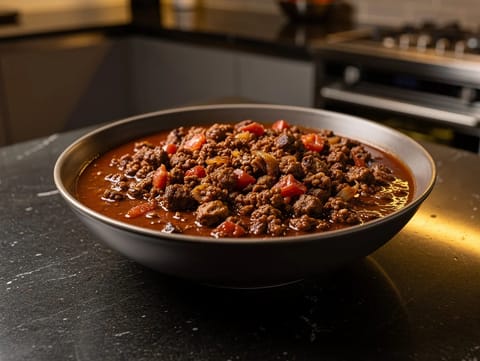
Texas-style beef chilli without beans, thick and rich
Dutch beef ragout croquettes, breaded and fried, served with mustard
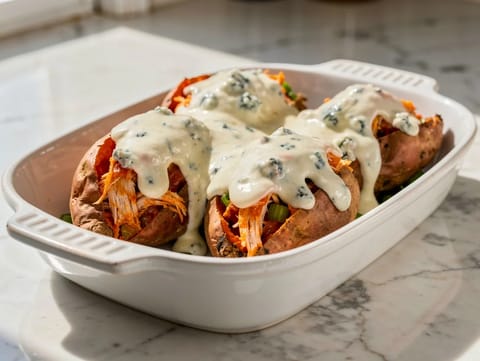
Sweet potatoes stuffed with Buffalo chicken and blue cheese yoghurt
A game day table works well when it has a few clear roles: something hot and filling, something crisp and fresh, and one or two dips or sauces that tie everything together. If your main dish is rich, add a sharp counterpoint such as pickles, a vinegar-dressed salad, or a yoghurt-based sauce. If you’re serving several fried or baked snacks, include at least one lighter element to reset the palate. Think about timing too. Put out foods that hold well early, then save one ‘fresh’ item, such as a just-dressed salad or a hot tray from the oven, for a lift later on.
Sweet potatoes stuffed with Buffalo chicken and blue cheese yoghurt
Texas-style beef chilli without beans, thick and rich
Dutch beef ragout croquettes, breaded and fried, served with mustard
Baked chicken wings tossed in peanut butter sauce with lime, chilli and peanuts
Soft tortilla wrap filled with buffalo-sauced chicken, crunchy celery and blue cheese dressing
Choose serving pieces that encourage self-service: wide bowls for dips, sturdy platters for wings or skewers, and small plates that stack easily. Keep sauces separate where you can. It preserves crispness and lets people choose their level of heat. If you’re making anything that should stay crunchy, avoid covering it tightly while hot, as steam softens the surface. For warm holding, low oven heat or a covered pot can keep food pleasant without overcooking, but it’s still worth planning one or two items that are genuinely good at room temperature so you’re not tied to the timer.
Course can help you round out game day food with sides, dips and desserts that suit casual serving. Collections are also useful when you want a particular style of spread, such as batch-friendly snacks or recipes designed for sharing platters.
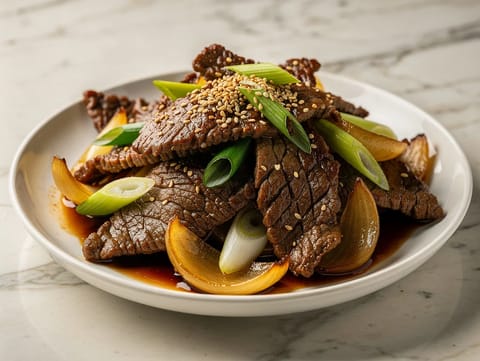
Thinly sliced marinated beef quickly fried with onions
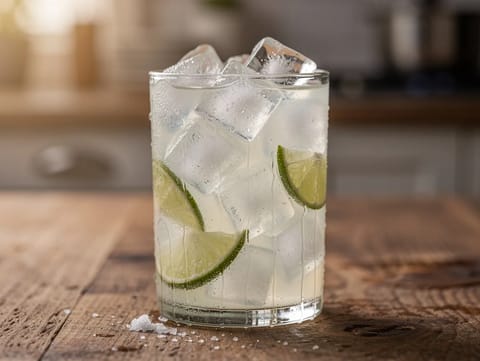
Coconut water with lime, salt and ice
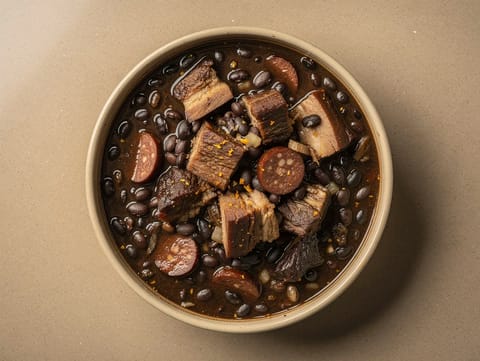
Black bean stew with pork and smoked sausage
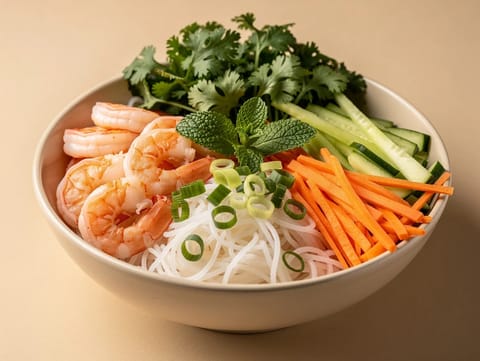
Rice paper and vermicelli bowl with prawns and herbs
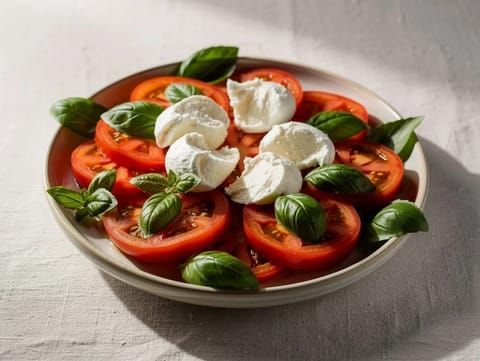
Tomato and burrata salad with basil, olive oil and balsamic
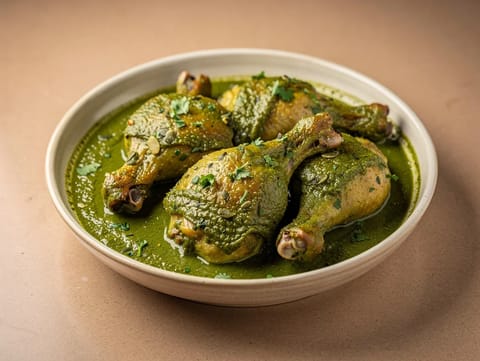
Chicken simmered in a thick green pumpkin seed and tomatillo sauce
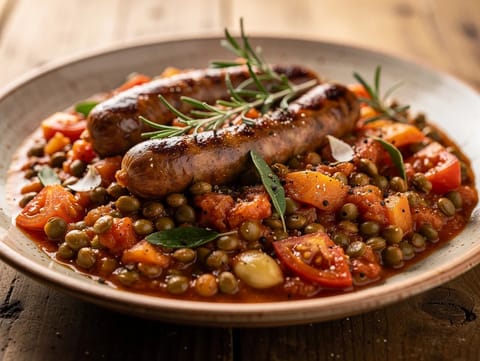
Italian sausages simmered with green lentils and tomato
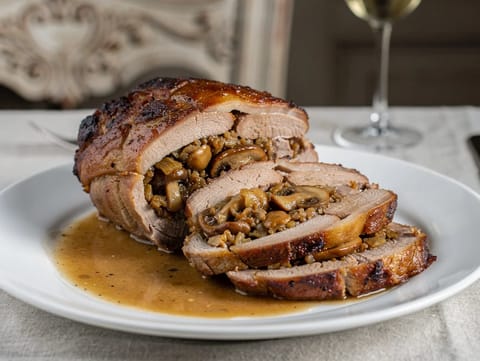
Roast veal layered with mushroom and onion stuffing
Foods that are saucy, baked, or naturally moist tend to hold better than delicate crisp items. Dips, chilli-style dishes, traybakes and sturdy sandwiches are often forgiving.
Serve sauces on the side and avoid covering hot fried food tightly. Steam is the main enemy of crispness, so give fried items a little airflow until serving.
No. A mix works well. One bowl-friendly hot dish can anchor the spread, while smaller snacks and dips provide variety and grazing options.
Add something sharp and fresh: pickles, a crunchy salad, citrus, herbs, or a yoghurt-based dip. These elements cut through richness and keep people interested.
Choose at least one batch-friendly main and a couple of make-ahead sides, then rely on dips and toppings for variety. That way you’re not trying to cook everything to order.
Often one creamy sauce and one sharp or spicy sauce is enough. Too many can clutter the table and complicate prep, unless the menu is built around dipping.
For game day, prioritise food that serves itself: big bowls, easy portions and sauces on the side. Add one fresh, sharp element and you’ll have a spread that stays enjoyable from kick-off to the final whistle.
