
Samboosa (Spiced Lamb and Vegetable Pastry Parcels)
Crisp baked phyllo parcels with spiced lamb, peas and a yoghurt dip

Ramadan cooking often happens at the edges of the day: early for suhoor and close to sunset for iftar. Recipes that can be prepped ahead, held without losing quality, or assembled quickly are especially useful. A well-judged iftar spread usually balances something hydrating and gentle with more substantial dishes, while suhoor benefits from foods that keep you satisfied without being heavy. This page focuses on the practical shape of Ramadan meals, so you can choose recipes that fit the timing as well as the table.
Ramadan is not a single cuisine, so the most reliable guide is workflow. Many dishes are designed to be cooked in stages: a filling made earlier, dough shaped ahead, a stew that improves as it sits, or a syrup dessert that needs time to soak. For iftar, foods that can be served in waves work well, because people may prefer to start with something small before moving to a fuller plate. For suhoor, recipes that are quick to portion and not overly fiddly are helpful when you are cooking or eating while the house is quiet. When choosing, pay attention to whether a recipe needs last-minute frying, careful timing or constant attention, as those demands can be harder to meet at sunset or before dawn.
Crisp baked phyllo parcels with spiced lamb, peas and a yoghurt dip
Think in layers rather than trying to make everything at once. Start with something simple and easy to digest, often a drink or a small bite, then add a soup or a light savoury dish that can be ladled and served quickly. After that, a centrepiece can be anything from a baked tray dish to a braise, alongside one or two sides that bring freshness or crunch. Desserts for Ramadan often benefit from being made earlier in the day, because many need cooling, soaking or setting time. If you are feeding guests, choose at least one dish that can sit happily on the table without deteriorating, so you are not tied to the hob while everyone else eats.
Crisp baked phyllo parcels with spiced lamb, peas and a yoghurt dip
Look for recipes with components you can finish before the fast ends: chopping onions and herbs, mixing spice blends, making a sauce base, or shaping items ready to bake. Dishes that reheat gently, such as soups, stews and baked pasta-style dishes, can be a good fit because they free up attention at sunset. If frying is part of the meal, consider doing the shaping and coating earlier so the actual frying is the only last step. Keep an eye on salt and acidity when cooking ahead: flavours can intensify as food sits, and a final squeeze of citrus or a sprinkle of herbs can bring a dish back to life just before serving.
Season can help you choose ingredients that feel right for the time of year Ramadan falls, from cooling salads and fruit-forward desserts in warmer months to soups and bakes when it is cold. Collections are also useful for finding recipe groupings that naturally suit make-ahead cooking and sharing.
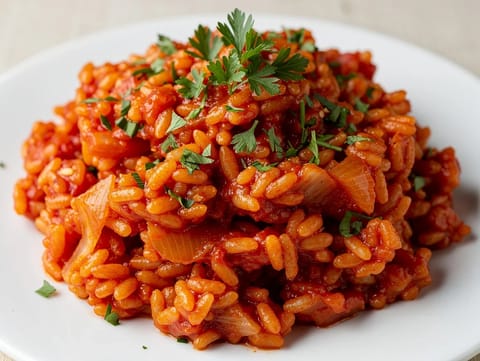
Portuguese tomato rice simmered with onion, garlic and stock
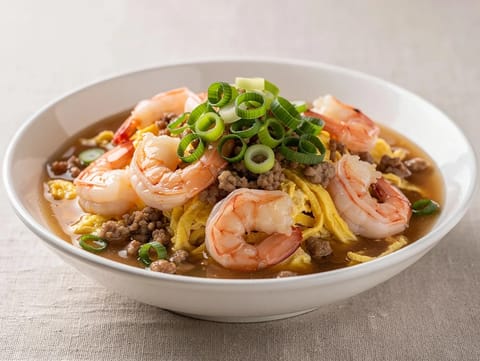
Prawns in silky lobster sauce with minced pork and egg ribbons
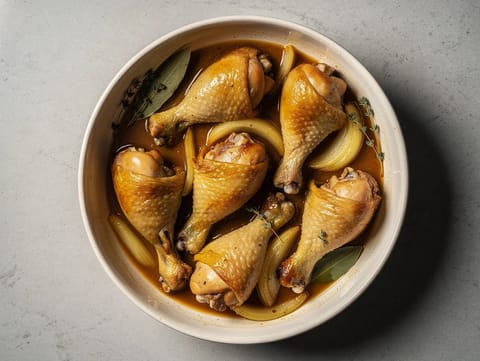
Chicken drumsticks braised in Belgian beer with onions and mustard
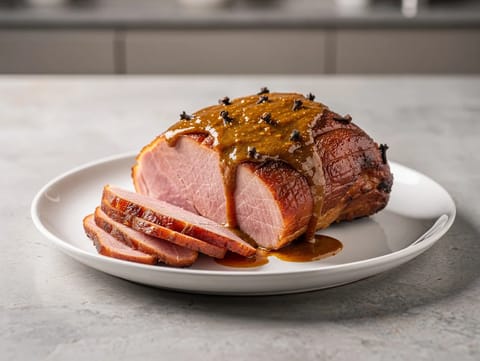
Beer-braised ham with mustard and brown sugar glaze
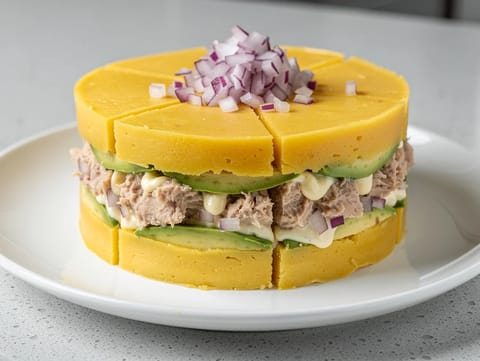
Chilled Peruvian potato layers filled with tuna, avocado and red onion
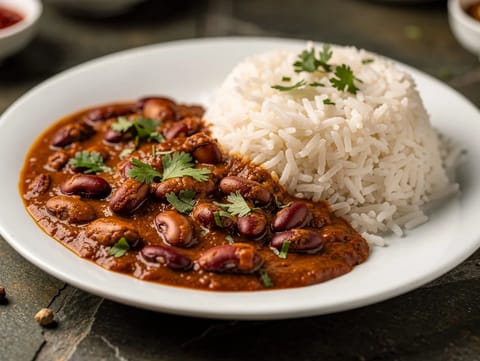
Kidney bean curry in tomato masala served with basmati rice
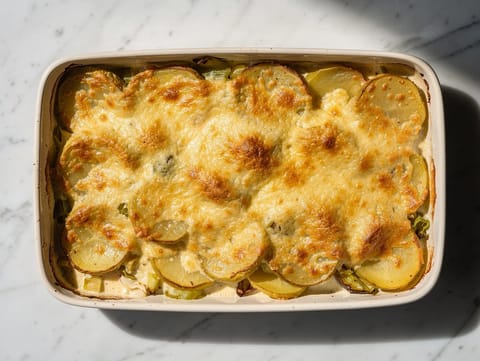
Potato and leek gratin with cream, garlic and Gruyère
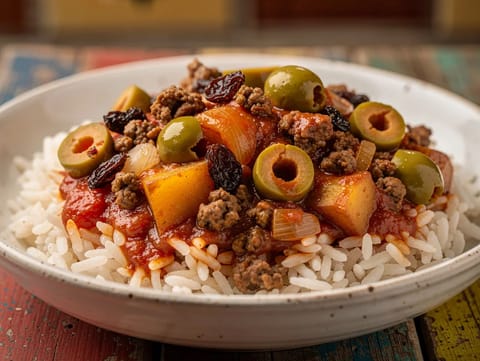
Minced beef simmered with tomatoes, olives, raisins, and potatoes.
Iftar recipes often suit sharing and can be served in stages, starting gently and building to more substantial dishes. Suhoor recipes tend to prioritise easy portioning and staying power.
Not necessarily. Many dishes scale up well for guests, but the same make-ahead logic is useful for smaller households too.
Soups, stews, baked dishes and desserts that need cooling or soaking are commonly forgiving. Recipes that rely on crispness or last-minute frying usually need more careful timing.
Choose at least one main dish that can be reheated or held warm, and pair it with sides that can be served cold or assembled quickly, such as salads or dips.
Yes. A soup plus one substantial main and one fresh side can feel complete, especially if you add bread or rice and a simple dessert.
For Ramadan, the most helpful recipes are the ones that fit the day’s rhythm: prep earlier, finish quickly, and serve without fuss. Build your menu around what can be made ahead, then add one or two fresh elements at the end.
