
Tết Dessert Assortment (Pandan Coconut Jelly and Sesame Peanut Brittle)
Tết sweets with bouncy pandan jelly and crisp sesame peanut brittle

Chinese New Year food is often planned as a spread rather than a single centrepiece, with several dishes arriving to the table and everyone helping themselves. That style of eating rewards contrast: something crisp alongside something saucy, a lighter vegetable dish next to richer braises, and a mix of steamed, fried and stir-fried textures. When you are choosing recipes for this occasion, think about how they will be served and held, not just how they taste straight from the pan. A few well-chosen dishes that can be cooked in a sensible order usually feel more generous than an over-ambitious list.
Start with one or two dishes that feel substantial, such as dumplings, noodles, a braised dish, or a whole fish-style preparation, then build around them. Add at least one vegetable dish for freshness and colour, and one crisp or pickled element to cut through richer flavours.
If you want a table that stays lively as people eat, include a mix of textures: steamed items (soft and delicate), stir-fries (bright and quick), and something fried or baked for crunch. For dessert, look for sweets that portion easily and can be served with tea, such as small pastries, sesame-style treats, or fruit-led puddings.
If you are cooking for different spice tolerances, keep heat adjustable with chilli oil, sliced chillies or a spicy dipping sauce on the side.
Tết sweets with bouncy pandan jelly and crisp sesame peanut brittle
Plan the menu so the most time-sensitive dishes are cooked last. Stir-fries and fried items lose their edge as they sit, so they are best close to serving. Braises, soups and many dumpling fillings can be prepared earlier, which frees up your attention when guests arrive.
Think about hob space. A menu with several wok dishes can bottleneck if you only have one burner that gets truly hot. Balance wok cooking with steamed dishes, oven items, or cold plates that can be assembled ahead. Serve rice or noodles as the steady base, then treat sauces and condiments as part of the menu, not an afterthought. A simple dipping sauce, a sharp pickle, and something aromatic like spring onion and coriander can make the whole table feel complete.
Tết sweets with bouncy pandan jelly and crisp sesame peanut brittle
For dumplings, pay attention to sealing and spacing. A good seal prevents filling leaking into the water or steamer, and spacing stops dumplings sticking together and tearing. If you are pan-frying, let the base brown properly before adding water for steaming; that contrast is where the texture comes from.
For stir-fries, prep everything before you start cooking. Once the pan is hot, the cooking is fast and there is little time to chop. Keep sauces measured and ready so you can add them quickly without cooling the pan. If you are serving fish or other delicate proteins, choose recipes with a clear timing cue, such as when the flesh turns opaque, so you can avoid overcooking while you juggle other dishes.
Chinese New Year menus are easiest to build by thinking in Courses: a few starters and sides, a substantial main dish, then something sweet to finish. If you want the table to feel seasonally grounded, Season can guide you towards vegetables and lighter dishes that suit late winter in the Northern Hemisphere.
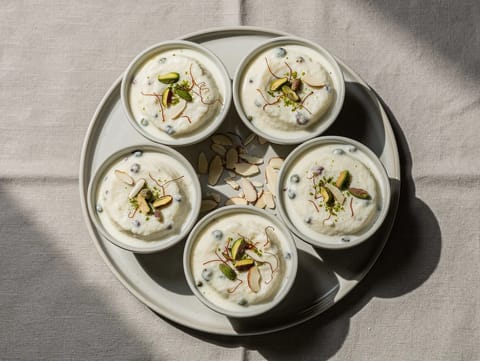
Slow-reduced milk dessert with cardamom, saffron, pistachios and almonds
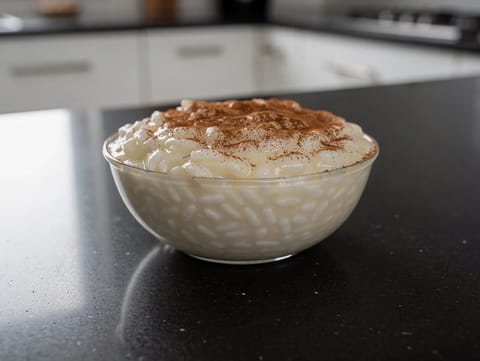
Chilled Portuguese rice pudding with lemon and cinnamon
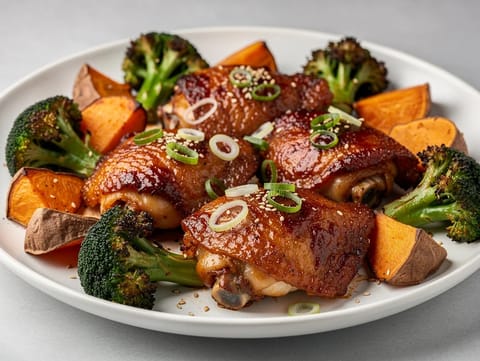
Gochujang chicken traybake with sweet potato, broccoli and sesame
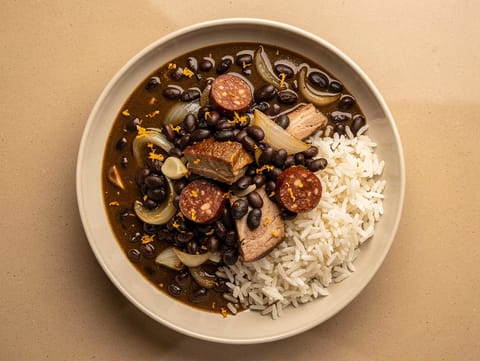
Light feijoada bowl with black beans, pork, chouriço and rice
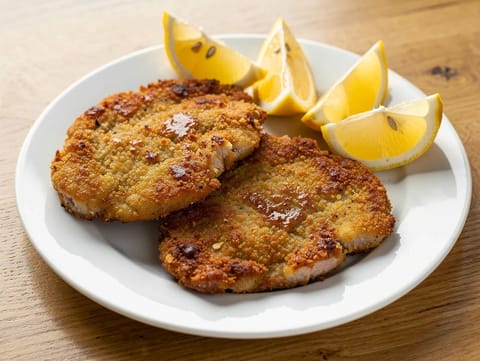
Breaded Polish pork cutlet fried until golden and crisp
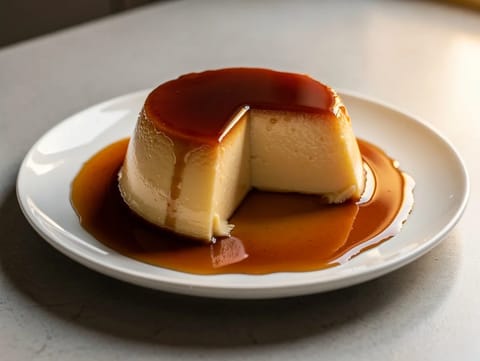
Baked caramel flan chilled and unmoulded with caramel sauce
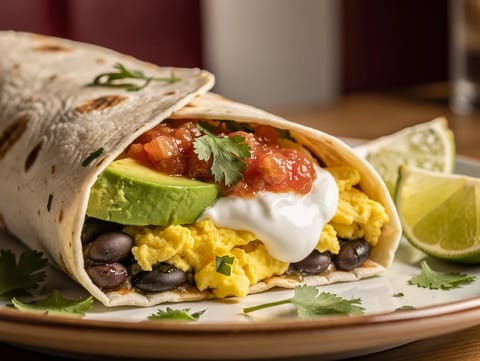
Breakfast burrito with scrambled eggs, avocado and salsa
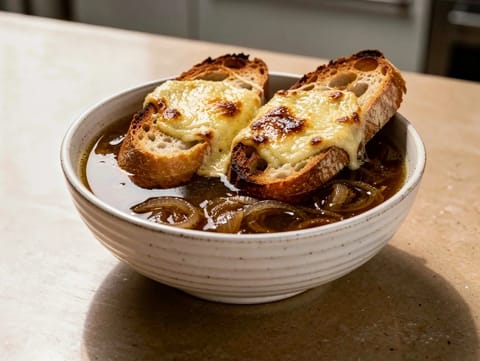
French onion soup topped with toasted baguette and Gruyère
Not necessarily. The shared-table style suits multiple dishes, but a smaller number can still feel abundant if you include contrast in texture and flavour and serve rice or noodles alongside.
Add one or two cold or room-temperature plates, plus sauces and condiments. They fill out the table without taking up last-minute cooking time.
Cook them close to serving and avoid covering tightly, which traps steam. If you need to hold them briefly, a warm oven on a rack helps more than a closed container.
Often, yes. Many dumplings can be assembled in advance and cooked when needed. The key is preventing sticking and keeping them well separated so they don’t tear when moved.
Use high heat, don’t overcrowd the pan, and have ingredients and sauce ready so cooking stays quick. Watery vegetables may need a brief pre-cook or to be added later.
A simple vegetable dish and something sharp, such as pickles or a vinegar-led salad, help balance richness and keep the meal feeling light on the palate.
Choose a few dishes with different textures, add a vegetable plate and a sharp condiment, and cook in an order that protects the crisp and delicate items. The table will feel generous without becoming frantic.
