
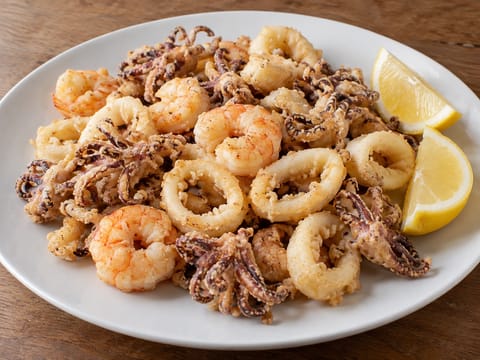
Fritto Misto di Mare (Italian Mixed Fried Seafood)
Crisp fried squid and prawns with lemon

Date night food is as much about pacing as flavour. The most suitable recipes are the ones that give you time to talk: dishes that can be prepped ahead, cooked without constant attention, and served in a way that feels intentional. A small starter, a main with a clear timing cue, and a dessert you can plate quickly is often all you need. Rather than chasing complexity, look for recipes that deliver contrast, such as crisp with creamy, or rich with something sharp, and that don’t leave you stuck at the hob while everything cools.
Date night recipes tend to be a little more composed than everyday cooking, but they are rarely the most labour-intensive things you could make. They often feature a presentational element, such as a neatly plated portion, a glossy sauce, or a finishing touch added at the table. The food usually benefits from being served in courses, even if the courses are simple.
In practical terms, date night cooking favours recipes that are predictable: a sauce that can be made and held, a protein that rests well, or a dessert that sets in the fridge. It also suits dishes that are satisfying without being heavy, because the meal is meant to unfold at a comfortable pace rather than end in a rush to clear plates.
Crisp fried squid and prawns with lemon
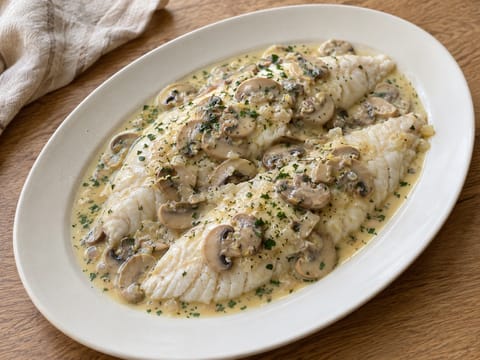
Sole fillets cooked with mushrooms, shallots and white wine
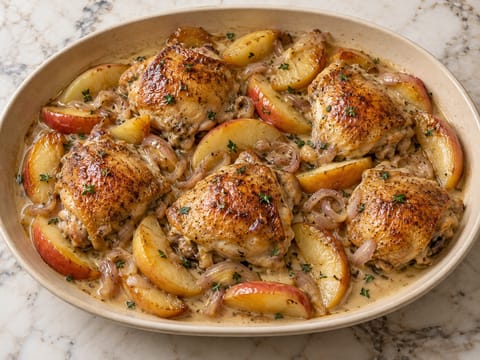
Chicken braised with apples in a cider and cream sauce
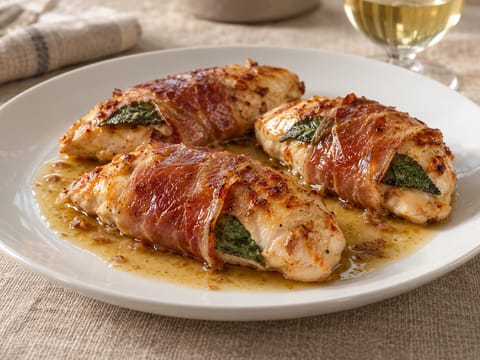
Chicken involtini wrapped in prosciutto and sage with pan sauce
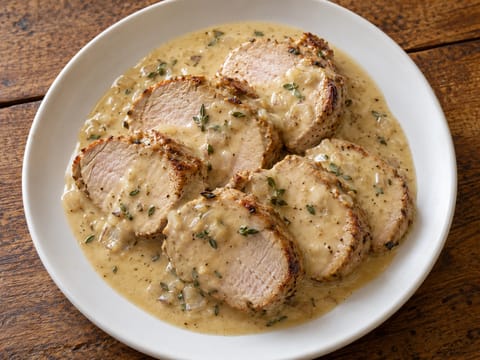
Pan-seared pork with a quick Dijon mustard sauce
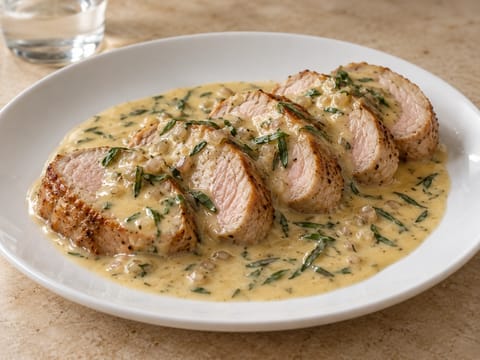
Seared pork tenderloin with Dijon and tarragon cream sauce
If you want low-stress elegance, choose recipes with make-ahead components: a chilled starter, a slow-cooked or oven-roasted main, and a dessert that can be portioned in advance. If you enjoy cooking together, pick interactive dishes where the work is shared and the serving is informal, such as assembling a platter, rolling wraps, or finishing a dish with toppings at the table.
For a restaurant-style feel, look for a strong sauce or dressing and a clear contrast on the plate: something crisp (salad, roasted vegetables, toasted nuts) against something soft (purée, risotto-style grains, creamy beans). If you are short on time, a single-pan main with a bright finishing element, such as lemon, herbs or a sharp relish, can still feel special.
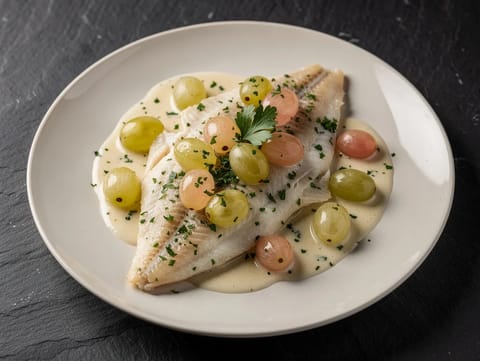
Poached sole with grapes in a white wine cream sauce
Sole fillets cooked with mushrooms, shallots and white wine
Pan-seared pork with a quick Dijon mustard sauce
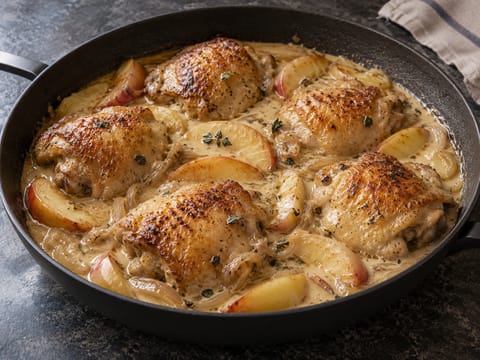
Chicken with Calvados, apples and double cream sauce
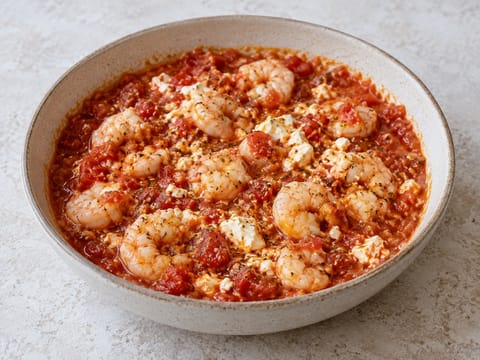
Greek prawns in tomato sauce topped with softened feta
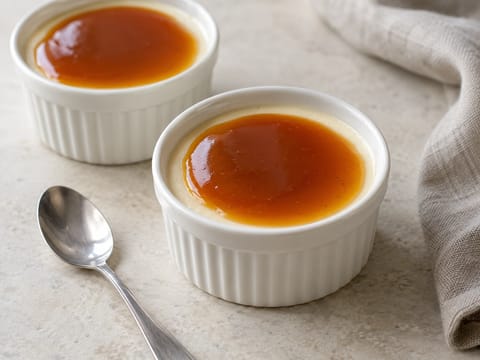
Vanilla panna cotta topped with glossy salted caramel
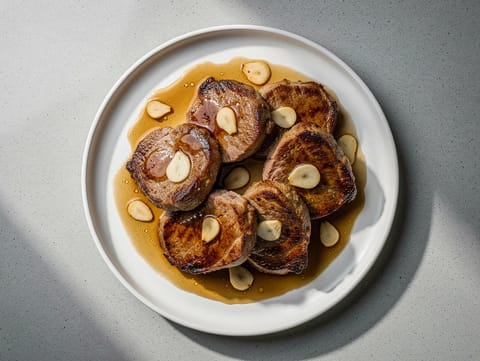
Pan-seared pork tenderloin with garlic whisky sauce
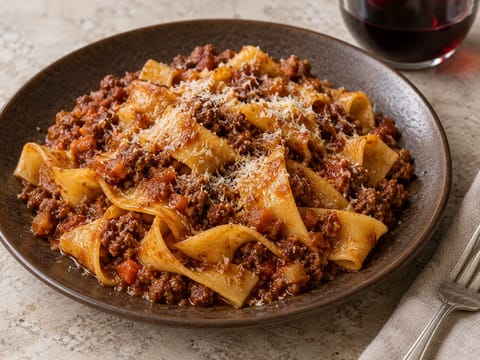
Pappardelle with slow-simmered wild boar ragù and pecorino
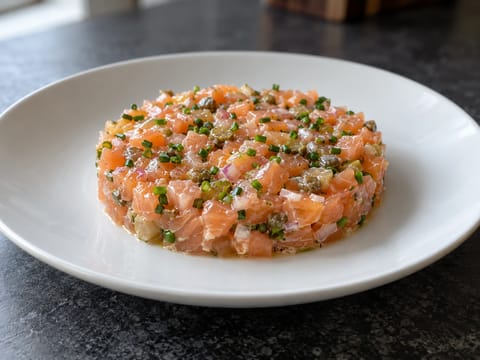
French-style salmon tartare with capers, Dijon and lemon
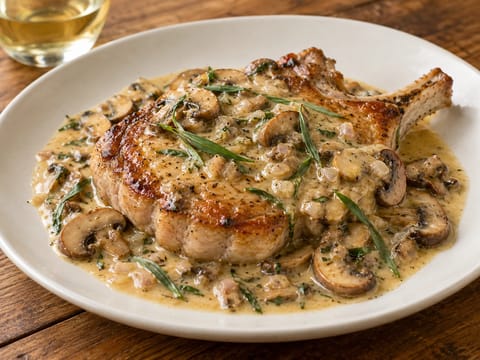
Veal chops with creamy mushroom sauce
Seared pork tenderloin with Dijon and tarragon cream sauce
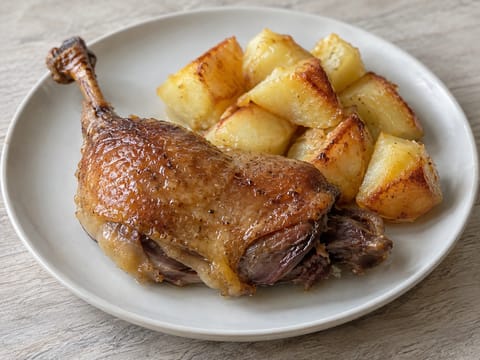
Duck leg confit with garlic, thyme and crisp skin
Avoid menus where every element is at its best for only a minute or two. Fried items, delicate soufflés and anything that must be served immediately can be wonderful, but they can also pull you away from the table. Instead, choose mains that rest well and sides that can be warmed through.
Set yourself up for smooth plating. Warm plates for hot food, keep garnishes ready, and finish with one high-impact touch: a drizzle of herb oil, shaved cheese, toasted crumbs, or a squeeze of citrus. If you are serving wine or cocktails, consider salt and acidity in the food; they change how drinks taste. A small, not-too-sweet dessert often sits more comfortably after a rich main than a very heavy pudding.
Browsing by Course helps you shape date night into a simple sequence: a starter you can prep early, a main with a clear finish, and a dessert that plates neatly. If you want the meal to match the time of year, Season is a useful guide for choosing lighter spring and summer dishes or more warming autumn and winter cooking.
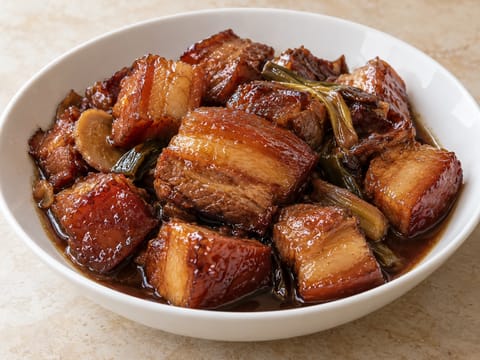
Red-braised pork belly in sweet soy glaze
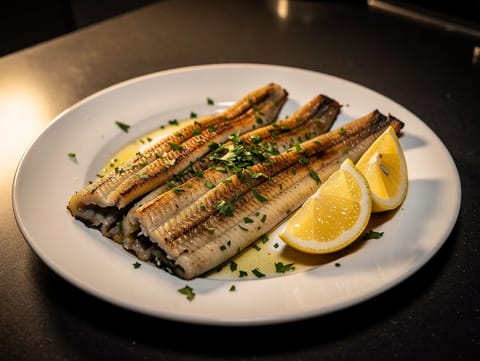
Italian grilled eel with lemon, garlic and parsley
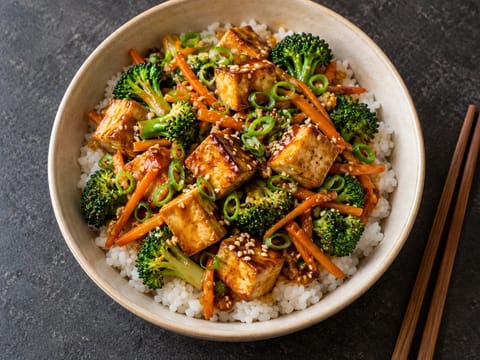
Crisp teriyaki tofu served over sushi rice with vegetables
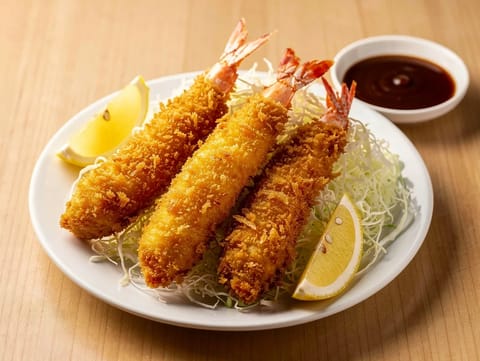
Golden, crunchy panko-breaded prawns served with tonkatsu sauce
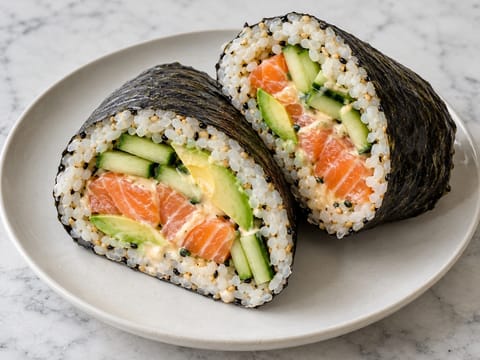
Nori-wrapped sushi burrito with salmon, avocado and cucumber
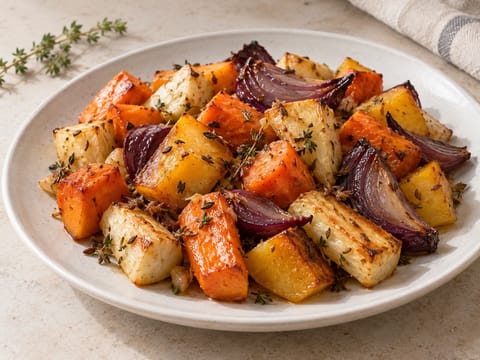
Roasted roots with thyme, caraway and apple cider vinegar
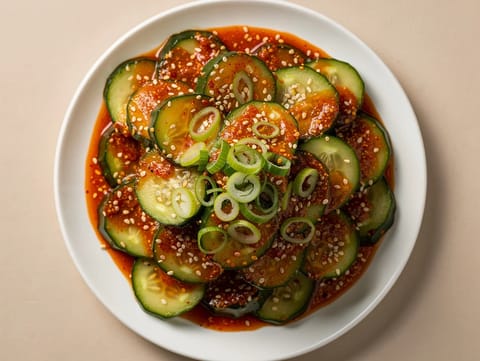
Chilled Korean cucumber salad with gochugaru and sesame oil
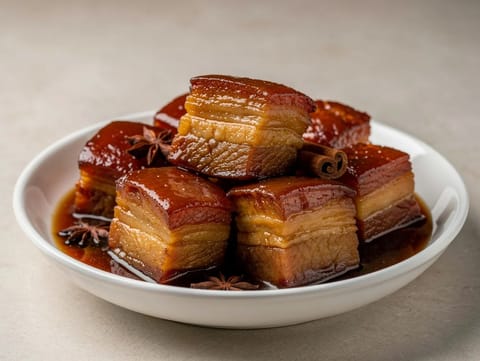
Tender red-braised pork belly in a glossy soy sauce
No. The defining feature is flow: recipes that you can time calmly and serve with intention. A simple dish with a good sauce and a neat finish often reads as special.
A small starter, a main that doesn’t need constant attention, and a dessert you can plate quickly. That structure keeps the evening moving without long gaps in the kitchen.
Menus with several last-minute elements, especially fried items or dishes that collapse as they cool. Choose recipes that hold, rest, or reheat without losing their character.
Focus on contrast and finishing: a sauce with acidity, a crisp element for texture, and a garnish added at the end. Clean plating and warm plates also help.
Either can work. Sharing platters feel relaxed and interactive; plated portions feel more formal. Choose the style that matches how much time you want to spend serving.
Desserts that can be made ahead and portioned neatly, such as chilled creams, tarts, or small cakes. They keep the end of the meal calm and unhurried.
For date night, the best planning is choosing dishes that hold their quality while you eat and talk. Build in make-ahead steps, keep the menu short, and let one or two finishing touches do the work.
